
Pest Control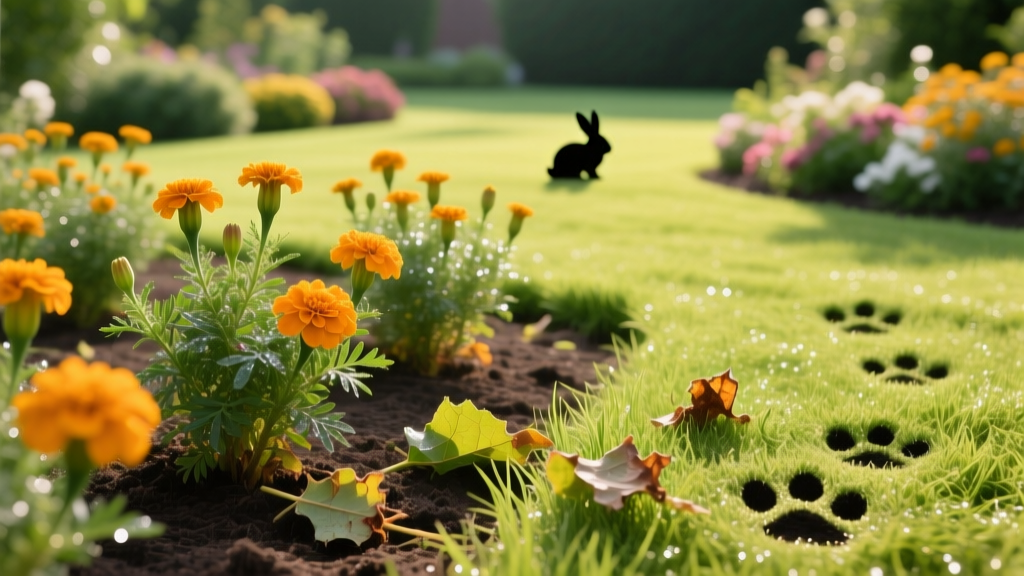
Do Marigolds Keep Rabbits Away? Science vs. Garden Myths
The Short Answer: Do Marigolds Actually Repel Rabbits?
If you are asking, "do marigolds keep rabbits away?" the short answer is no. While deeply entrenched in gardening folklore as a natural pest deterrent, marigolds (Tagetes spp.) do not possess the chemical or physical properties required to repel foraging rabbits. In fact, during early spring when natural forage is scarce, rabbits frequently target young marigold shoots, consuming them before the plants mature enough to develop their characteristic pungent scent.
The persistence of this myth often leads homeowners to plant expensive borders of French marigolds (Tagetes patula) or African marigolds (Tagetes erecta), only to wake up to decimated flower beds. To protect your garden effectively, you must move beyond anecdotal companion planting and implement proven, science-backed exclusion and deterrent strategies.
The Botany of the Myth: Why Gardeners Believe It Works
The misconception stems from a misunderstanding of marigold biochemistry. Marigold roots secrete a compound called alpha-terthienyl, which is highly effective at suppressing root-knot nematodes in the soil. Additionally, the foliage contains volatile thiophenes and essential oils that emit a sharp, musky odor.
Gardeners logically assume that if the plant repels microscopic soil nematodes and smells offensive to humans, it must repel mammalian herbivores. However, the olfactory receptors of lagomorphs (rabbits and hares) process these volatile organic compounds differently. According to wildlife management data from Penn State Extension, rabbits rely on a complex matrix of taste, texture, and caloric density rather than just smell when selecting forage. Once a rabbit tastes the high-nitrogen, tender new growth of a marigold, the mild scent is entirely ignored.
⚠ The Starvation Caveat: No plant is 100% rabbit-proof under extreme environmental stress. During severe droughts or harsh winters, rabbits will consume bark, thorny branches, and highly aromatic herbs (like lavender and rosemary) simply to survive. Relying solely on plant selection for pest control is a guaranteed path to garden failure.
Identifying Rabbit Damage vs. Other Pests
Before deploying control measures, confirm that rabbits are the culprits. Rabbits leave distinct forensic evidence in the garden that differs from deer, voles, or groundhogs.
- The 45-Degree Cut: Rabbits lack upper incisors, causing them to slice through plant stems at a precise 45-degree angle. Deer, lacking upper front teeth entirely, tear and fray stems, leaving jagged edges.
- Clip Height: Rabbit damage rarely exceeds 18 to 24 inches from the ground level. Damage higher up is typically caused by deer or groundhogs climbing.
- Pellet Presence: Look for small, round, pea-sized droppings scattered near the base of damaged plants.
Marigolds vs. Proven Rabbit Deterrents: A Comparison Matrix
To allocate your pest control budget effectively, compare the actual efficacy of marigolds against industry-standard rabbit management techniques.
| Method | Mechanism of Action | Efficacy (1-10) | Est. Cost (per 100 linear ft) | Maintenance Required |
|---|---|---|---|---|
| Marigold Borders | Olfactory masking (Thiophenes) | 2/10 | $40 - $80 | High (watering, deadheading) |
| 1-Inch Hex Wire Fence | Physical exclusion | 10/10 | $150 - $250 | Low (annual inspection) |
| Putrescent Egg Solids | Olfactory/Taste aversion | 7/10 | $25 - $45 | High (reapply every 3 weeks) |
| Capsaicin Sprays | Gustatory irritation (TRPV1 receptors) | 6/10 | $20 - $35 | High (wash off after rain) |
| Ultrasonic Repellents | Acoustic deterrence | 3/10 | $30 - $60 | Medium (battery/solar care) |
The 2026 Protocol for True Rabbit Exclusion
If you want to protect your landscape from Eastern Cottontails (Sylvilagus floridanus) and other regional species, follow this three-tier defense framework recommended by the University of California Integrated Pest Management Program.
Tier 1: Physical Exclusion (The L-Footer Method)
Fencing is the only permanent solution. Do not use standard chicken wire with large gaps; rabbits can compress their bodies to slip through 2-inch openings.
- Material: Purchase 1-inch hexagonal woven wire (poultry wire), minimum 18-gauge galvanized steel.
- Height: The fence must stand at least 24 inches above the soil surface to account for snow depth and standing reach.
- The L-Footer Burial: Rabbits are prolific diggers. Bend the bottom 6 inches of the wire outward at a 90-degree angle (forming an 'L') and bury it 2 inches deep, or pin it to the soil with landscape staples and cover with mulch. When a rabbit digs at the fence line, they encounter the wire floor and abandon the effort.
Tier 2: Chemical Repellents (Active Ingredient Selection)
If fencing is impossible, use chemical repellents. Avoid generic "predator urine" products, which degrade rapidly in UV light and wash away in mild drizzle. Instead, select products based on these active ingredients:
- Putrescent Whole Egg Solids: Products like Liquid Fence or Deer Off trigger a biological fear response in herbivores, signaling that the plant is decaying or associated with predator activity. Apply to dry foliage and allow 24 hours to cure before rain.
- Capsaicin (Hot Pepper Wax): Effective for non-edible ornamentals. Capsaicin binds to pain receptors in the rabbit's mouth. Note: Capsaicin degrades rapidly in high UV index conditions and must be reapplied after 0.5 inches of rainfall.
- Thiram: A broad-spectrum fungicide that doubles as a bitter-tasting mammalian repellent. Often found in commercial agricultural coatings, it is highly effective but restricted in some residential zones due to soil toxicity concerns.
Tier 3: Habitat Modification
Rabbits require dense cover to hide from raptors (hawks, owls) and terrestrial predators. Eliminate brush piles, tall weedy borders, and abandoned groundhog burrows within 50 feet of your garden. Without adjacent escape routes, rabbits will forage in open, exposed areas much less frequently.
"Companion planting with aromatic herbs or marigolds is a wonderful way to attract pollinators and improve soil health, but it should never be classified as a pest-control strategy for mammalian herbivores. Mammals adapt to scents; physical barriers do not."
— Wildlife Damage Management Guidelines, Cornell University
How to Use Marigolds Strategically (If You Still Want to Plant Them)
While they won't repel rabbits, marigolds still hold immense value in the garden if deployed correctly:
- Trap Cropping: Plant a dense border of marigolds 10 feet away from your primary vegetable garden. If rabbits are going to forage, they may settle on the easily accessible marigolds rather than venturing past your fenced vegetable perimeter.
- Nematode Suppression: Interplant French marigolds among your tomatoes and peppers. The root exudates will actively reduce root-knot nematode populations in the immediate rhizosphere, improving crop yields.
- Pollinator Waystations: Single-bloom marigold varieties (avoiding double-petaled hybrids) provide accessible nectar for hoverflies, which are voracious predators of aphids.
Frequently Asked Questions
Will planting garlic or onions alongside marigolds deter rabbits?
No. While alliums contain sulfur compounds that smell strong to humans, rabbits routinely consume wild allium species in natural habitats. Combining marigolds, garlic, and onions creates a fragrant garden bed, but it will not stop a hungry cottontail from clipping the stems.
Are there any flowers that rabbits genuinely avoid?
Rabbits tend to avoid plants with thick, leathery leaves, toxic sap, or dense fuzz. Daffodils (Narcissus), Foxglove (Digitalis), and Bleeding Heart (Lamprocapnos spectabilis) contain alkaloids that cause gastrointestinal distress in lagomorphs, making them highly rabbit-resistant. However, always verify plant toxicity if you have domestic pets.
Do coffee grounds scattered around marigolds keep rabbits away?
Coffee grounds are a popular internet remedy, but they lack scientific backing as a mammalian repellent. While the texture and mild acidity might deter slugs or snails, rabbits will simply step over the grounds to reach the plant. Furthermore, excessive coffee grounds can alter soil pH and inhibit seed germination.

