
Pest Control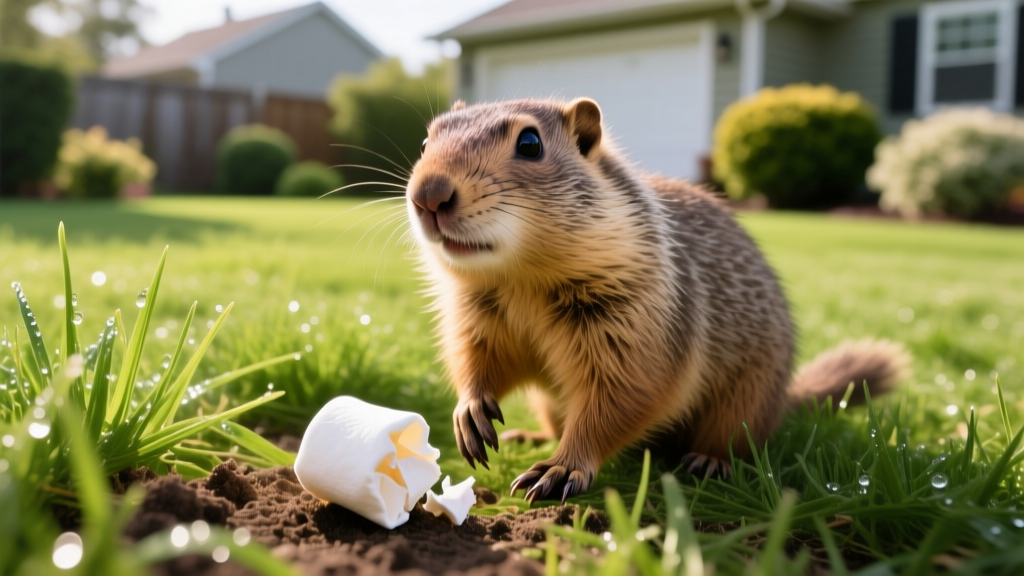
Will Marshmallows Kill Groundhogs? Debunking the Viral Myth
The Short Answer: Do Marshmallows Kill Groundhogs?
No, marshmallows will not kill groundhogs. A persistent internet myth claims that feeding marshmallows to woodchucks (Marmota monax) is a lethal DIY pest control hack. The rumor suggests that the gelatin and sugar will expand in their stomachs, causing fatal blockages or internal ruptures. From a biological and veterinary standpoint, this is entirely false. While marshmallows offer zero nutritional value to a wild herbivore and can cause mild gastrointestinal upset if consumed in massive quantities, they are not toxic, nor do they expand lethally inside a groundhog's digestive tract.
Relying on viral food-based 'hacks' for pest control is not only ineffective, but it also actively worsens your groundhog problem by habituating the animals to human environments. To effectively manage groundhog damage, homeowners must abandon internet myths and deploy proven exclusion and trapping protocols.
⚠️ Wildlife Feeding Warning: Intentionally feeding groundhogs—whether with marshmallows, peanut butter, or garden scraps—violates wildlife harassment laws in many jurisdictions. It artificially inflates local population densities and increases the risk of zoonotic disease transmission, including rabies and tularemia.
The Digestive Biology of Marmota monax
To understand why the marshmallow myth fails, you have to understand how a groundhog processes food. Groundhogs are hindgut fermenters. They possess a specialized, enlarged cecum that houses symbiotic bacteria capable of breaking down tough cellulose found in clover, alfalfa, dandelions, and bark.
Marshmallows are primarily composed of sucrose (sugar), corn syrup, and gelatin (a highly digestible animal protein derived from collagen). When a groundhog ingests a marshmallow, the simple sugars are rapidly absorbed in the small intestine, and the gelatin is broken down by standard proteolytic enzymes. The material never sits and expands. At worst, a sudden influx of simple carbohydrates can disrupt the delicate pH balance of the cecum, leading to transient diarrhea or mild bloat. It will not cause the catastrophic gastric rupture seen in ruminants that consume fermentable grains.
Why DIY Food-Based 'Hacks' Fail
The internet is rife with DIY pest control myths. Alongside the marshmallow theory, homeowners often attempt to use bubblegum, baking soda mixed with sugar, or dry rice. None of these work on groundhogs for three distinct reasons:
- Caloric Density: Groundhogs are hyper-focused on high-fiber, high-moisture vegetation. They will readily ignore sugary, dry, or synthetic foods in favor of your hostas and cabbage.
- Foraging Instincts: Woodchucks are selective grazers. They use their olfactory senses to identify specific plant alkaloids and moisture levels, making synthetic human foods unappealing as a primary food source.
- Habituation: If a groundhog does eat the sugary bait and survives, it learns that your property is a reliable food source. You have not killed the pest; you have simply trained it to return.
Proven, Science-Backed Groundhog Control Methods
If you want to protect your landscaping and structural foundations from groundhog burrowing, you must use physical exclusion or mechanical removal. According to Penn State Extension, integrated pest management (IPM) for woodchucks relies heavily on physical barriers and strategic live-trapping.
1. The L-Footer Exclusion Fence
Standard vertical fences fail because groundhogs are elite excavators. To stop them, you must construct an 'L-footer' fence. This design exploits their instinct to dig straight down when they encounter a barrier at the base of a fence.
- Material Selection: Purchase 16-gauge galvanized welded wire with a 2x4 inch mesh. Avoid flimsy chicken wire (poultry netting), which groundhogs can easily crush or tear.
- Above-Ground Height: The fence must extend at least 4 feet above the soil surface. To prevent climbing, leave the top 12 inches unattached so it flops outward at a 45-degree angle. When the groundhog climbs, the unstable top section will push them backward.
- The Underground Apron: Dig a 12-inch deep trench along the fence line. Bend the bottom 12 inches of the wire at a strict 90-degree angle pointing outward (away from the garden) and bury it. When the groundhog digs down, hits the wire, and tries to dig deeper, they will be blocked by the horizontal apron.
Cost Estimate: A 50-foot roll of 16-gauge 2x4 welded wire costs between $60 and $85 in 2026, providing a permanent, multi-year solution.
2. Strategic Live Trapping
If fencing is impossible, live trapping is the standard removal protocol. The Humane Society of the United States recommends single-door live traps to minimize stress and injury to the animal.
- Trap Model: Use the Havahart Model 1085 (10 x 12 x 32 inches). This specific dimension accommodates the 10-to-15-pound adult male groundhog without causing tail crimping.
- Pre-Baiting: Do not set the trap on day one. Wire the door open and place cantaloupe rinds or sweet corn inside for 3 days. This establishes a safe feeding pattern.
- Setting the Pan: On day 4, set the trigger pan. Place a piece of dark canvas or burlap over the trap to reduce visual stress, which prevents the animal from thrashing and breaking its teeth on the wire cage.
- Monitoring: Check traps every 12 hours. Leaving a trapped groundhog in direct summer sun can cause fatal hyperthermia within hours.
Method Comparison Matrix
| Control Method | Mechanism of Action | Efficacy Rate | Est. Cost |
|---|---|---|---|
| Marshmallows (Myth) | Sugar/Gelatin ingestion | 0% (Ineffective) | $5 |
| L-Footer Fencing | Physical & subterranean barrier | 95%+ | $150 - $300 |
| Live Trapping | Mechanical capture & removal | 85% | $65 (Trap) |
| Castor Oil Repellents | Olfactory/Taste aversion | 40% (Temporary) | $25 |
Legal Restrictions on Groundhog Relocation
Before you trap and relocate a groundhog, you must verify your state and municipal wildlife laws. Groundhogs are classified as rabies vector species (RVS) in many eastern and midwestern states. Because they can carry the rabies virus, state departments of natural resources (DNR) frequently prohibit the live relocation of woodchucks across county lines or onto public lands.
In states like New York, Pennsylvania, and Massachusetts, trapping a groundhog often legally mandates humane euthanasia by a licensed Nuisance Wildlife Control Operator (NWCO) if relocation to a private, approved property is not possible. Releasing a trapped groundhog into a local state park or forest is a citable offense that carries heavy fines, as it artificially spreads disease vectors and disrupts established territorial boundaries, usually resulting in the relocated animal's death via starvation or predation within 48 hours.
Frequently Asked Questions
What food actually kills groundhogs?
There are no legal, over-the-counter toxic baits registered for groundhog control in the United States. Because groundhogs are strictly herbivorous grazers, designing a species-specific toxicant that will not accidentally poison domestic dogs, livestock, or non-target wildlife like deer is virtually impossible. Lethal control is restricted to licensed professionals using regulated fumigants like aluminum phosphide inside active burrow systems.
Will bubblegum kill a groundhog?
No. Similar to the marshmallow myth, the bubblegum myth claims the gum will bind the animal's digestive tract. Groundhogs possess highly efficient digestive motility. If they consume chewing gum, it will pass through their system or be regurgitated without causing a fatal obstruction.
How do I fill an abandoned groundhog burrow?
Once you have confirmed the burrow is empty (monitor for 48 hours with a wad of newspaper placed in the entrance to check for disturbance), fill the tunnel system with a mixture of 60% crushed gravel and 40% topsoil. Cap the entrance with a 2-foot square piece of heavy gauge wire mesh and cover with sod. The gravel prevents rapid re-excavation by new woodchucks or skunks seeking shelter.

