
Pest Control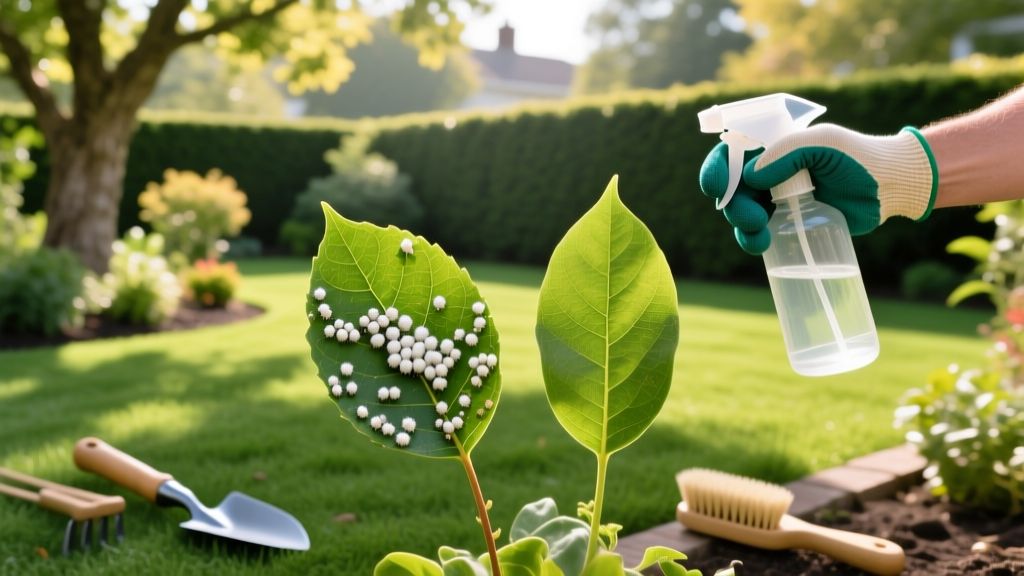
Proven Mealy Bug Cure Strategies for Outdoor Plants and Yard Defense
The Outdoor Mealybug Threat: Beyond the Greenhouse
While often dismissed as a mere indoor houseplant nuisance, mealybugs (family Pseudococcidae) are a formidable threat to outdoor landscapes. Species like the citrus mealybug (Planococcus citri) and the pink hibiscus mealybug (Maconellicoccus hirsutus) colonize ornamental shrubs, fruit trees, and perennials. They pierce phloem tissue to extract sap, excreting a sticky, sugar-rich waste called honeydew. This honeydew rapidly cultivates black sooty mold (Capnodium spp.), which blocks photosynthesis and stunts plant growth. Finding a reliable mealy bug cure for outdoor environments requires moving beyond indoor spot-treatments and adopting a comprehensive yard defense strategy.
Why the DIY Rubbing Alcohol Trick Fails Outdoors
A common internet recommendation for mealybugs is dabbing them with a cotton swab soaked in 70% isopropyl alcohol. While this dissolves the insect's waxy cuticle and kills it on contact indoors, this method is highly ineffective and potentially damaging in outdoor yards. Outdoors, alcohol evaporates too rapidly under UV light and wind to penetrate dense, multi-layered mealybug colonies hidden in leaf axils. Furthermore, spraying alcohol solutions on outdoor foliage in direct sunlight causes severe phytotoxicity, stripping the plant's natural cuticle and leading to leaf scorch. For yard-scale infestations, you must rely on scalable biological, botanical, or systemic cures.
The Biological Mealy Bug Cure: Deploying Beneficial Insects
For organic yard management, biological control offers the most sustainable long-term cure. The undisputed champion of mealybug eradication is the Mealybug Destroyer (Cryptolaemus montrouzieri). Both the adults and the larvae of this predatory beetle feed exclusively on mealybugs.
- Release Rate: 5 to 10 larvae per heavily infested plant, or roughly 1,000 larvae per 5,000 square feet of garden space.
- Cost: Approximately $35 to $55 per 1,000 larvae from commercial insectaries (e.g., Arbico Organics).
- Application Protocol: Release larvae at dusk to prevent immediate predation by birds. Mist the foliage lightly before release; the larvae require moisture to establish.
- Green Lacewings (Chrysoperla rufilabris): A secondary option. While less specialized, lacewing larvae are aggressive generalist predators that will consume mealybug crawlers. Cost is lower, around $15 for 1,000 eggs.
According to the University of California Statewide Integrated Pest Management Program (UC IPM), biological controls are most effective when initiated early in the season before honeydew accumulation attracts disruptive ant populations.
Organic and Botanical Sprays for Spot Treatments
When biological controls are insufficient or immediate knockdown is required, botanical insecticides provide an effective organic mealy bug cure. The key to success is targeting the 'crawler' stage (first-instar nymphs) before they secrete their protective waxy coating.
70% Neem Oil Extract (Clarified Hydrophobic Extract)
Neem oil acts as both a contact insecticide and an insect growth regulator (IGR), disrupting the molting process of nymphs.
- Mixing Ratio: 2 tablespoons (1 fluid ounce) of 70% neem oil extract per 1 gallon of water, plus 1/2 teaspoon of non-phytotoxic liquid dish soap as an emulsifier.
- Application: Spray thoroughly, focusing on the undersides of leaves and stem joints. Apply only when ambient temperatures are below 85°F to prevent leaf burn.
- Reapplication: Every 7 to 10 days for three consecutive cycles to break the reproductive cycle.
Insecticidal Soaps (Potassium Salts of Fatty Acids)
Products like Safer Brand Insect Killing Soap dissolve the cell membranes of soft-bodied insects. They offer zero residual activity, meaning they only kill on direct contact. This makes them safe for use up to the day of harvest on fruit trees, but requires meticulous, drenching application to reach hidden mealybugs.
Treatment Comparison Matrix: Outdoor Mealybug Cures
| Treatment Method | Active Agent | Target Life Stage | Cost per 1,000 sq ft | Reapplication Interval |
|---|---|---|---|---|
| Biological Control | C. montrouzieri larvae | All stages | $35 - $55 | Single release (monitor) |
| Botanical Spray | 70% Neem Oil Extract | Crawlers / Nymphs | $8 - $12 | 7 - 10 days |
| Contact Soap | Potassium Fatty Acids | Crawlers / Nymphs | $10 - $15 | 5 - 7 days |
| Systemic Drench | Imidacloprid (1.47%) | All stages (via sap) | $15 - $25 | 12 months |
| Systemic Drench | Dinotefuran (20%) | All stages (via sap) | $40 - $60 | 6 - 8 weeks |
Systemic Chemical Interventions for Severe Infestations
For severe, recurring infestations on non-edible ornamentals, fruit trees (post-harvest), or large shade trees, topical sprays often fail to penetrate the dense canopy. Systemic neonicotinoids provide a definitive mealy bug cure by rendering the plant's sap toxic to phloem-feeding insects.
Imidacloprid (e.g., BioAdvanced 12 Month Tree and Shrub Protect & Feed II)
Imidacloprid is highly effective but moves slowly through the plant's xylem. It can take 2 to 4 weeks to reach the upper canopy of large trees. Apply as a soil drench at the base of the plant. The standard rate is 3 ounces of concentrate per gallon of water for every 10 inches of trunk circumference.
Dinotefuran (e.g., Safari 20SG)
Dinotefuran is significantly more water-soluble than imidacloprid, meaning it translocates up the plant much faster, often showing results in 7 to 10 days. It is the preferred chemical cure for rapid intervention on high-value ornamentals. Apply as a basal soil drench at a rate of 1 to 2 teaspoons per gallon of water. Note that Safari 20SG is a professional-grade product and is considerably more expensive upfront.
Pollinator Warning: Never apply systemic neonicotinoid soil drenches to plants that are currently blooming or about to bloom. The active ingredients can translocate into the nectar and pollen, posing a severe toxicity risk to foraging honeybees and native pollinators. Wait until petal drop is complete before treating.
The Missing Link: Eradicating Ant Mutualists
No mealy bug cure will succeed long-term if you ignore the ant population. Species like the Argentine ant (Linepithema humile) actively 'farm' mealybugs, protecting them from predatory ladybugs and lacewings in exchange for the sugary honeydew they produce. The Clemson University Home & Garden Information Center notes that controlling the ant population is a mandatory prerequisite for mealybug eradication.
- Trunk Barriers: Wrap the trunks of infested trees with a 2-inch band of masking tape, then apply a sticky barrier like Tanglefoot. This physically prevents ants from climbing up to defend the mealybugs.
- Borax Baits: Place liquid borax-based baits (e.g., Terro T300B Liquid Ant Baits) near the base of the plant. Foraging ants carry the slow-acting toxin back to the colony, eliminating the queen and the entire local population without the use of broad-surface contact sprays.
Step-by-Step Yard Defense Protocol
- Prune and Destroy: Use bypass pruners to remove heavily infested, dying branches. Seal them immediately in a plastic bag and dispose of them in municipal waste; do not compost.
- Disrupt with Water: Use a garden hose with a high-pressure nozzle to blast remaining foliage. This physically dislodges crawlers and washes away honeydew, disrupting ant foraging trails.
- Deploy Ant Controls: Apply Tanglefoot barriers and set borax baits around the root zone.
- Apply the Cure: Choose your treatment based on the matrix above. If using biological controls, release them 48 hours after the water blast. If using chemical drenches, apply when the soil is moist but not waterlogged.
- Monitor: Inspect leaf axils weekly with a 10x jeweler's loupe to catch re-emerging crawler stages before they mature.
Frequently Asked Questions
Can mealybugs survive winter in outdoor yards?
In USDA Hardiness Zones 8 and above, mealybugs can overwinter in the soil, under bark flakes, or in protected leaf litter. In colder zones, they typically die off outdoors but will survive in heated garages or on perennial rootstocks if insulated by heavy mulch.
Is horticultural vinegar an effective mealy bug cure?
No. While horticultural vinegar (20% acetic acid) is a non-selective herbicide that burns plant tissue, it does not effectively penetrate the waxy ovisac of the mealybug. Using it will likely kill your plant's foliage before it eradicates the pest colony.

