
Pest Control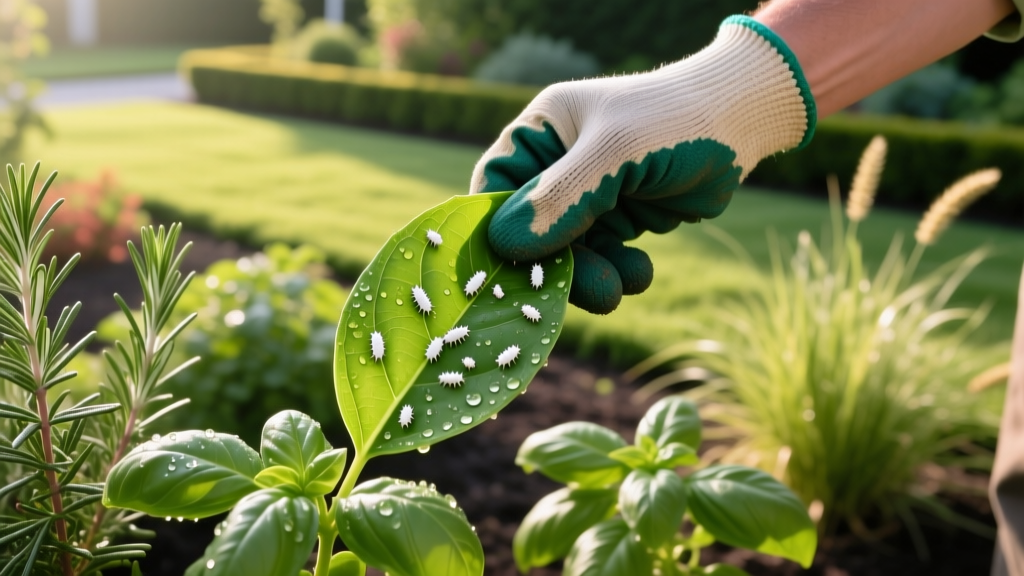
Proven Mealy Bugs Treatment Strategies for Yard and Garden Plants
Mealybugs (family Pseudococcidae) are among the most destructive sap-sucking insects in outdoor landscapes. Unlike aphids that scatter when disturbed, mealybugs form dense, cottony colonies on stems, leaf axils, and fruit clusters. They pierce the phloem tissue of citrus, hibiscus, croton, and ornamental grasses, draining vital nutrients and excreting a sticky, sugar-rich waste known as honeydew. This honeydew rapidly cultivates sooty mold (Capnodium species), which blocks photosynthesis and severely stunts plant growth. Executing a successful mealy bugs treatment requires breaking their life cycle, disrupting their symbiotic relationship with ants, and deploying targeted biological or chemical controls.
Identifying the Threat: Species and Life Cycle
Before applying any treatment, accurate identification is critical. The two most prevalent outdoor species in North American yards are the Citrus mealybug (Planococcus citri) and the Hibiscus mealybug (Maconellicoccus hirsutus).
- Citrus Mealybug: Features a distinct gray stripe down the center of its back and shorter, uniform wax filaments. It thrives on citrus, gardenias, and jade plants.
- Hibiscus Mealybug: Identified by its pinkish body and long, waxy tail filaments. It injects a toxic saliva that causes severe leaf curling, stunted shoot growth, and malformed flowers.
Female mealybugs lay between 300 to 600 eggs in a dense, protective ovisac. Under optimal outdoor temperatures (75°F to 85°F), these eggs hatch into mobile 'crawlers' within 10 days. Because the waxy coating repels many water-based contact insecticides, timing your mealy bugs treatment to target the vulnerable crawler stage—or utilizing systemic and oil-based solutions—is mandatory for eradication.
Warning: Do not rely on broad-spectrum pyrethroid sprays (like bifenthrin or permethrin) for mealybugs. These chemicals fail to penetrate the waxy ovisac and will obliterate natural predator populations, leading to a massive secondary mealybug outbreak within weeks.
The Biological Defense Framework
For environmentally sensitive yards or edible citrus groves, biological control is the most sustainable long-term mealy bugs treatment. According to the University of Florida IFAS, introducing specialized predators can reduce mealybug populations by up to 90% within a single growing season.
| Biological Agent | Target Stage | Release Rate (Per Shrub) | Estimated Cost (2026) |
|---|---|---|---|
| Cryptolaemus montrouzieri (Mealybug Destroyer) | Eggs, Crawlers, Adults | 5 to 10 adults or 20 larvae | $35 - $45 per 1,000 larvae |
| Chrysoperla rufilabris (Green Lacewing) | Crawlers and young nymphs | 1,000 eggs per 200 sq ft | $15 - $25 per 1,000 eggs |
| Leptomastix dactylopii (Parasitic Wasp) | 2nd and 3rd instar nymphs | 2 to 5 per infested plant | Specialty order (~$60+) |
Critical Edge Case: The larvae of the Mealybug Destroyer (C. montrouzieri) are covered in white waxy filaments and look exactly like giant mealybugs. Homeowners frequently mistake them for the pest and spray them with insecticidal soap. Memorize their appearance: destroyer larvae are significantly larger, more active, and lack the distinct gray dorsal stripe of the citrus mealybug.
Targeted Spray Treatments and Systemic Drenches
When biological controls are insufficient or an infestation has reached critical mass, targeted chemical interventions are required. The Clemson University Home & Garden Information Center recommends a phased approach utilizing suffocating oils and systemic root drenches.
Horticultural Oils and Insecticidal Soaps
Horticultural oils (such as Bonide All Seasons Horticultural Oil) work by smothering the insect's spiracles. To effectively penetrate the mealybug's waxy armor, thorough coverage is non-negotiable.
- Mixing Ratio: 2.5 to 5 tablespoons of horticultural oil per 1 gallon of water.
- Application Rule: Spray until the liquid drips from the foliage, ensuring you coat the undersides of leaves and deep into the stem axils.
- Temperature Restriction: Never apply oils or soaps when ambient temperatures exceed 85°F, as this causes severe phytotoxicity (leaf burn). Apply at dawn or dusk.
Systemic Neonicotinoid Soil Drenches
For large, non-flowering ornamental shrubs or tall citrus trees where foliar spray coverage is impossible, a systemic soil drench containing Imidacloprid (e.g., Bayer BioAdvanced 12 Month Tree and Shrub Protect & Feed) is highly effective. The plant's roots absorb the chemical and translocate it to the phloem, poisoning mealybugs when they feed.
- Dosage Math: Mix 3 fluid ounces of concentrate per foot of shrub height, diluted in 1 gallon of water per 10 inches of trunk circumference.
- Timing: Apply in early spring before the primary crawler emergence. It takes 14 to 21 days for the active ingredient to reach the upper canopy.
Pollinator Protection Note: As of 2026, many municipalities have restricted neonicotinoid use on blooming plants. Never apply an Imidacloprid soil drench to linden trees, milkweed, or flowering ornamentals that attract bees and butterflies. Restrict systemic use to non-flowering hedges, conifers, and vegetative citrus growth.
Breaking the Ant-Mealybug Symbiosis
A mealy bugs treatment plan will fail if you ignore ants. Argentine ants and fire ants actively 'farm' mealybugs, protecting them from predators in exchange for their honeydew. If you see a highway of ants marching up your citrus tree, the mealybugs will continually rebound.
- Prune Bridge Branches: Cut back any branches touching fences, walls, or other trees to force ants to climb the main trunk.
- Apply a Sticky Barrier: Wrap the trunk with tree wrap paper and apply a thick band of Tanglefoot or a similar sticky resin barrier. This physically blocks ants from reaching the canopy.
- Deploy Protein Baits: Place Advance Carpenter Ant Bait or Maxforce Fleet at the base of the tree to eliminate the colony at its source without spraying the root zone.
Treatment Decision Matrix
Use this framework to select the correct protocol based on your specific yard scenario, as outlined by Penn State Extension integrated pest management guidelines.
| Infestation Level | Plant Type | Primary Treatment | Secondary Action |
|---|---|---|---|
| Light (Few isolated clusters) | Edibles / Citrus | Spot treat with 70% isopropyl alcohol on a cotton swab | Release Green Lacewings |
| Moderate (Multiple branches) | Ornamental Shrubs | Horticultural Oil spray (3 applications, 7 days apart) | Apply Tanglefoot ant barrier |
| Severe (Total canopy coverage) | Non-flowering Hedges | Imidacloprid soil drench + Horticultural oil knockdown | Prune and destroy heavily infested terminals |
| Severe + Sooty Mold | Any broadleaf plant | Wash foliage with 1 tbsp mild dish soap per gallon of water | Follow up with insecticidal soap spray |
Frequently Asked Questions
Will winter freezes kill outdoor mealybugs?
In USDA Hardiness Zones 7 and below, hard freezes will kill exposed mealybug populations. However, they frequently overwinter in protected microclimates, such as under loose bark, in dense leaf litter, or inside the crowns of ornamental grasses. In Zones 8 and above, they remain active year-round, continuing to reproduce on evergreen citrus and camellias.
Can I use rubbing alcohol as a yard-wide spray?
While 70% isopropyl alcohol is excellent for spot-treating individual mealybugs on houseplants or isolated outdoor stems using a cotton swab, it is not viable as a broadcast yard spray. Alcohol evaporates too quickly to penetrate dense, cottony ovisacs and will cause severe desiccation and necrosis to the waxy cuticle of your landscape plants if sprayed broadly.
How do I remove the black sooty mold left behind?
Sooty mold is a secondary fungus that feeds exclusively on mealybug honeydew. Once the mealybugs and ants are eradicated, the mold will slowly weather away. To accelerate the process, spray the affected foliage with a solution of 1 tablespoon of mild, non-degreasing liquid dish soap per gallon of water. Let it sit for 15 minutes, then rinse thoroughly with a high-pressure hose nozzle to restore the plant's photosynthetic capacity.

