
Pest Control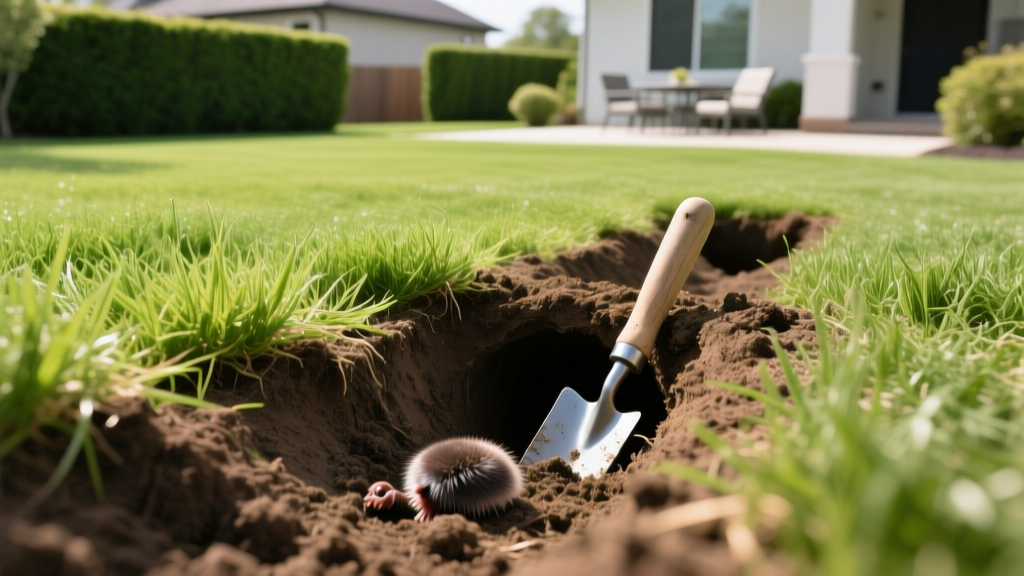
Moles Tunnels in Lawn: Identification, Trapping, and Repair
An Eastern mole (Scalopus aquaticus) can excavate up to 150 feet of new surface tunnels in a single day. While these subterranean mammals aerate the soil and consume pest insects, the resulting moles tunnels in lawn environments cause severe aesthetic damage, undermine root systems, and create tripping hazards. Eradicating them requires abandoning surface-level guesswork and targeting their deep, primary transit runways with precision trapping and targeted exclusion.
Differentiating Moles Tunnels in Lawn from Voles and Gophers
Before purchasing traps or repellents, confirm the pest. Misidentifying the culprit leads to wasted money and ineffective treatment. Moles, voles, and pocket gophers leave distinctly different surface signatures.
| Pest | Surface Evidence | Mound Shape | Visible Entry Holes? | Primary Diet |
|---|---|---|---|---|
| Moles | Raised, serpentine ridges (1-2 inches wide) | Volcano-shaped, symmetrical | No (plugged with soil) | Earthworms, grubs, insects |
| Voles | Surface runways (1-2 inches wide) with chewed grass | No mounds; small piles of clipped grass | Yes (golf-ball sized, open) | Grass roots, bark, bulbs |
| Pocket Gophers | No raised ridges; deep soil displacement | Horseshoe or crescent-shaped, asymmetrical | Yes (plugged, off-center) | Plant roots, tubers |
The Anatomy of a Mole Tunnel System
The most common failure point in DIY mole control is trapping in the wrong tunnel. A mole's subterranean network consists of two distinct types of passages:
1. Surface Foraging Tunnels
These are the raised, meandering ridges visible on your lawn. Moles use them to hunt for earthworms and grubs near the surface. They are often abandoned after a few days once the local food source is depleted. Setting a trap in a surface tunnel yields a success rate of less than 10%.
2. Deep Main Runways
Located 8 to 12 inches below the surface, these straight, structural highways connect the nest to prime foraging grounds. The mole uses these daily. Identifying and trapping in a deep main runway is the only reliable method for permanent removal.
⚠ The Grub Control Myth: Applying chemical grub control (like Imidacloprid) will not eliminate moles. According to the University of Florida IFAS Extension, earthworms make up the vast majority of a mole's diet. Eliminating grubs simply forces the mole to dig deeper and tunnel further to find earthworms, worsening lawn damage.
Step-by-Step Eradication: Trapping Active Moles Tunnels in Lawn
Lethal trapping remains the most effective, scientifically backed removal method. Avoid live-catch traps; relocating moles is illegal in many jurisdictions and results in near-100% mortality rates due to territorial disputes and starvation.
Step 1: Locate an Active Main Runway (The Stomp Test)
Find a straight section of a tunnel, ideally near a fence line, driveway, or garden bed edge. Step firmly on a 1-foot section of the ridge to collapse it. Mark the spot with a flag. Check it in 24 to 48 hours. If the mole has pushed the soil back up to repair the breach, you have found an active main runway.
Step 2: Select the Correct Trap
Scissor-jaw and choker-loop traps are the industry standards for deep runways.
- Victor Out O'Sight Mole Trap (~$18): Features a spring-loaded scissor jaw. Excellent for narrow, deep tunnels. Requires a setting tool (often included).
- Wire Tek 1001 EasySet (~$42): A heavy-duty choker loop trap with a built-in foot pedal for safer, easier setting without hand strain. Highly recommended for hard, compacted clay soils.
Step 3: Excavate and Set the Trap
- Using a hand trowel, carefully excavate a 6x6 inch square of turf directly over the repaired breach. Dig down 8-12 inches until you expose the smooth, compacted floor of the main runway.
- Clear all loose dirt from the tunnel floor. The trap trigger must rest directly on the firm tunnel bottom.
- Set the trap according to the manufacturer's instructions and place it in the trench. Ensure the trigger pan is centered in the tunnel path.
- Pack loose, moist soil tightly around the sides of the trap to block all light and drafts. Moles will abandon a tunnel if they sense a breeze. Leave the trigger mechanism exposed to the tunnel path.
Deterrence and Exclusion Tactics That Actually Work
If trapping is not viable, or if you want to prevent neighboring moles from invading a cleared property, rely on proven exclusion and sensory deterrents.
Castor Oil Formulations
Castor oil (Ricinus communis) is the only repellent with documented, albeit temporary, efficacy. It coats the earthworms and grubs, making them taste foul, and irritates the mole's sensitive skin. Products like Bonide Mole Repellent (~$25 for 10 lbs of granules) must be watered in deeply to reach the 8-inch root zone. Apply at a rate of 1 to 2 gallons of liquid equivalent per 1,000 square feet every 3 to 4 weeks during peak spring and fall activity.
Hardware Cloth Exclusion
For high-value garden beds, install 1/2-inch galvanized hardware cloth. Bury it 24 inches deep and bend the bottom 6 inches outward in an 'L' shape (facing away from the bed). Moles cannot dig through the metal and will turn away when they hit the outward-facing lip.
✔ A Note on Ultrasonic Spikes: Do not buy solar-powered ultrasonic mole repellers. Research compiled by the University of Minnesota Extension confirms that moles quickly habituate to the high-frequency vibrations, rendering these $30-$50 devices entirely useless after the first week.
Lawn Repair: Collapsing and Reseeding Damaged Turf
Once the mole is removed, the remaining hollow tunnels will collapse underfoot, creating uneven terrain and dry pockets where grass roots lose soil contact.
The Slit-and-Roll Method
- Use a spade to slice vertically through the center of the raised turf ridge every 12 inches.
- Step heavily on the ridges to collapse the hollow voids beneath.
- Rent a water-filled lawn roller (approx. 300 lbs when full) and roll the affected area in two perpendicular directions to re-establish soil-to-root contact.
Topdressing and Overseeding
For severely damaged lawns, apply a 1/4-inch layer of a 70% topsoil / 30% masonry sand mix. The sand improves drainage in the compacted tunnel lines, while the topsoil provides organic matter. Follow immediately with an overseeding application of a shade-tolerant or high-traffic turfgrass blend matching your existing lawn, keeping the seed moist for 14 to 21 days.
Frequently Asked Questions
Do chewing gum or laxatives kill moles?
No. The myth that Juicy Fruit gum or human laxatives will kill moles is biologically false. Moles are insectivores; their digestive tracts are not designed to process carbohydrates or synthetic gums, and they will simply ignore or bypass these items in the tunnel.
When is the best time of year to trap moles?
Early spring (March-April) and late fall (October-November) are optimal. During these periods, soil moisture is high, driving earthworms closer to the surface, which in turn forces moles into shallower, more easily identifiable main runways. Mid-summer trapping is difficult as moles dig deeper to escape the heat and drought.

