
Pest Control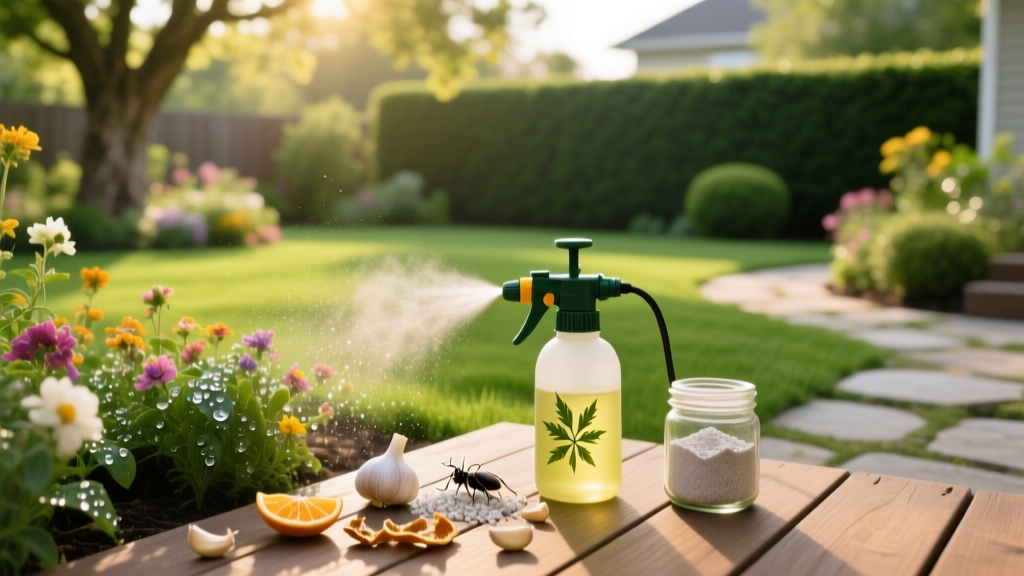
Best Natural Deterrent for Roaches: Organic Yard Guide
When smokybrown, American, and Oriental cockroaches migrate from yard mulch, leaf litter, and sewer drains into your home, synthetic perimeter sprays are often the default reaction. However, chemical pesticides introduce toxicity risks to pets, local pollinators, and groundwater. For homeowners seeking a sustainable, long-term defense, deploying a highly targeted natural deterrent for roaches requires understanding the intersection of insect biology, landscaping ecology, and physical barriers.
This guide details the exact organic compounds, botanical formulations, and structural modifications required to create an impenetrable, chemical-free perimeter around your property in 2026.
The Mechanics of Perimeter Invasion
Outdoor roaches are primarily driven by two environmental stressors: desiccation (drying out) and temperature extremes. Smokybrown cockroaches, prevalent in the Gulf Coast and Southeastern US, require high-moisture harborages. When summer droughts hit or heavy autumn rains flood their ground-level nests, they migrate toward the stable microclimates found beneath your home's siding, around weep holes, and inside crawl spaces.
Effective organic control does not rely on killing every insect in the yard. Instead, it focuses on creating a hostile biological and physical buffer zone within 3 to 5 feet of your foundation.
Diatomaceous Earth: The Physical Natural Deterrent for Roaches
Diatomaceous earth (DE) is a sedimentary rock crumbled into a fine, white powder composed of fossilized diatoms. Under a microscope, DE particles resemble shards of glass. When a roach walks across it, the silica cuts the waxy outer layer of their exoskeleton, causing rapid, lethal dehydration.
Selecting the Correct Grade
Not all DE is created equal. You must strictly use Food-Grade Diatomaceous Earth (typically containing less than 1% crystalline silica). Filter-grade or pool-grade DE has been heat-treated, altering its structure into crystalline silica, which is highly toxic to mammalian lungs and useless for pest control.
Critical Application Rule: DE only works when completely dry. A single rainstorm or heavy morning dew will neutralize its abrasive properties. It must be reapplied after precipitation or applied in protected zones (under eaves, inside crawl space vents, and beneath deck stairs). As of 2026, a 4lb bag of Harris Food Grade DE averages $16 and treats up to 1,500 square feet of perimeter.
According to the National Pesticide Information Center, DE is non-toxic to humans and pets when ingested, but inhalation of the fine dust can cause mechanical respiratory irritation. Always wear an N95 respirator during application and use a bulb duster to apply a barely visible, 1/8-inch layer into cracks and crevices. Piling it in thick mounds actually allows roaches to walk over it without full-body contact.
Botanical Repellents: Cedar and Peppermint Oil Formulations
While DE acts as a physical killer, essential oils act as olfactory deterrents. Roaches rely heavily on chemoreception to locate food and navigate. High-concentrations of specific terpenes overwhelm their nervous systems, forcing them to turn away from treated zones.
Commercial vs. DIY Botanical Sprays
For immediate, large-scale perimeter defense, commercial cedar oil sprays (such as Wondercide Outdoor Pest Control, averaging $35 for a 32oz hose-end bottle) utilize cedarwood oil to block octopamine receptors in insects. For targeted, DIY spot-treatments, a 2% essential oil emulsion is highly effective.
| Essential Oil | Active Compound | Residual Lifespan | Best Application Zone |
|---|---|---|---|
| Cedarwood | Cedrol / Thujopsene | 14-21 Days | Foundation perimeter, mulch beds |
| Peppermint | Menthol / Menthone | 7-10 Days | Door thresholds, window sills |
| Rosemary | 1,8-Cineole | 10-14 Days | Shrub bases, garden borders |
DIY 2% Cedar-Peppermint Emulsion Recipe
- Combine 2 oz pure cedarwood essential oil and 1 oz peppermint essential oil.
- Add 1 oz of liquid Castile soap. (Oils and water do not mix; the soap acts as a mandatory surfactant/emulsifier).
- Mix the concentrate into 1 gallon of warm water.
- Apply using a pump sprayer at dusk. UV radiation from direct sunlight rapidly volatilizes terpenes; evening application allows the oils to soak into porous concrete and soil overnight.
Landscaping Adjustments to Eliminate Harborages
No natural deterrent for roaches will succeed if your yard provides an irresistible habitat. Modifying your landscaping removes the baseline requirements for colony survival.
- Mulch Depth and Type: Limit organic mulch to a maximum depth of 2 inches. Thick pine straw and hardwood mulch trap moisture and harbor roaches. Switch to cedar mulch, which naturally repels insects, or use inorganic alternatives like river rock or lava rock near the foundation.
- The 18-Inch Bare Zone: Maintain an 18-inch gap between your foundation wall and any vegetation, mulch, or soil. Fill this gap with crushed gravel or river stone. This creates a dry, exposed zone that roaches refuse to cross.
- Irrigation Timing: Shift automated sprinklers to run exclusively between 4:00 AM and 6:00 AM. Evening watering leaves the soil surface damp all night, creating the exact humidity profile roaches seek.
- Groundcover Removal: English ivy, creeping fig, and dense pachysandra are notorious roach nurseries. Replace them near the home with low-moisture, open-canopy plants like lavender or ornamental grasses.
Boric Acid Baits: The Natural Lethal Backup
When deterrents fail and a colony establishes itself under a patio or deck, you must transition from deterrence to eradication. Boric acid is a naturally occurring mineral (boron) that acts as a stomach poison and abrasive. The National Pesticide Information Center notes that boric acid has a very low toxicity profile for mammals but is devastating to cockroaches due to their grooming habits.
Formulating Organic Boric Acid Dough
Commercial gels often contain synthetic preservatives. A highly effective, chemical-free bait can be mixed at home:
- 10 grams pharmaceutical-grade boric acid powder
- 40 grams all-purpose flour
- 40 grams powdered sugar (the attractant)
- 10 grams unsweetened cocoa powder (mimics dark, decaying organic matter)
- Warm water (added slowly to form a stiff dough)
Roll the mixture into pea-sized balls and place them inside tamper-resistant bait stations or under heavy stones near suspected harborages. The roaches consume the bait, return to the nest, and die. Because roaches are coprophagic (eating the feces and carcasses of their dead), the boric acid cascades through the colony, resulting in secondary and tertiary kills.
Perimeter Defense Decision Matrix
Select your primary and secondary organic controls based on your specific yard conditions. For comprehensive guidance on non-chemical pest management, refer to the EPA's Safe Pest Control guidelines.
| Yard Condition | Primary Deterrent | Secondary Backup | Expected Material Cost |
|---|---|---|---|
| Dry, sandy soil, low humidity | Food-Grade DE (Foundation line) | Cedar oil spray (Vegetation) | $15 - $25 |
| High moisture, heavy clay soil | Cedarwood oil emulsion | Boric acid bait stations | $35 - $50 |
| Dense groundcover / shaded beds | Vegetation thinning + Gravel barrier | Beneficial Nematodes (Steinernema) | $20 - $40 |
| Adjacent to woods / heavy leaf litter | Weekly leaf removal + DE in weep holes | Peppermint/Castile door thresholds | $10 - $20 |
Maintenance and Reapplication Schedules
Organic pest control requires more frequent maintenance than synthetic pyrethroids, which can bind to soil for months. To maintain an unbroken natural deterrent for roaches, adhere to the following schedule:
- Weekly: Inspect the 18-inch gravel barrier for leaf accumulation or encroaching weeds. Clear debris immediately.
- Bi-Weekly: Reapply botanical oil sprays to porous surfaces like brick and untreated wood, which absorb the oils and reduce surface efficacy.
- Post-Rainfall: Re-dust DE in protected, dry zones (under porches, inside garage door tracks, and behind exterior HVAC units).
- Seasonally: Replace boric acid dough baits every 90 days, or immediately if they become hardened or moldy due to ambient humidity.
By combining physical desiccants, olfactory disruptors, and strict moisture management, you can effectively seal your home against roach invasions without introducing harmful synthetic chemicals into your local ecosystem.

