
Pest Control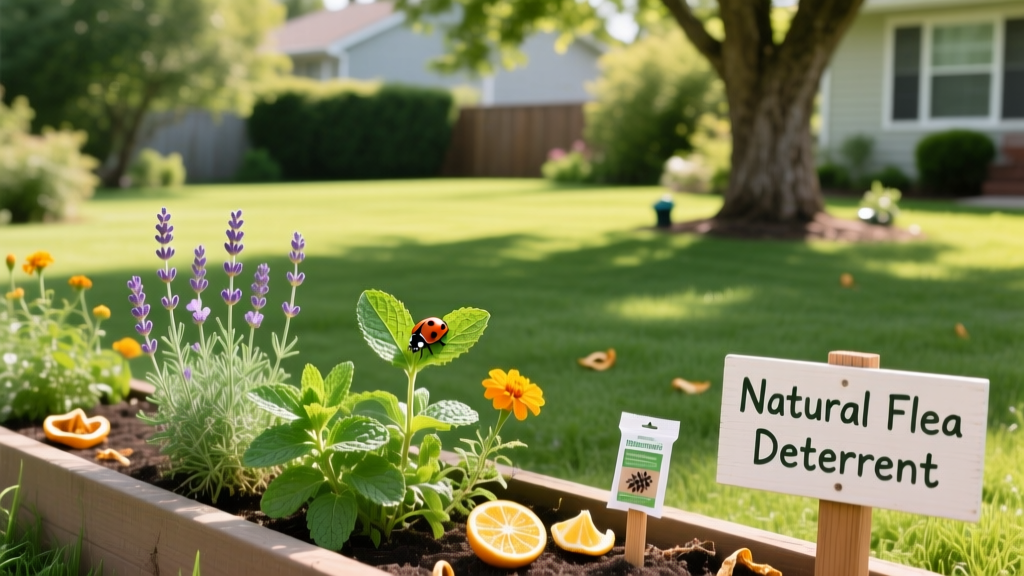
Proven Natural Flea Deterrent Strategies for Yards
As of 2026, the widespread use of synthetic neonicotinoids and pyrethroids in residential landscapes is facing increasing regulatory scrutiny due to their detrimental impact on native pollinators and aquatic ecosystems. For homeowners seeking effective pest management without the ecological collateral damage, deploying a reliable natural flea deterrent in the yard has become a top priority. Fleas are not just a nuisance; they are vectors for diseases like murine typhus and tapeworms, making their control essential for pet and human health.
Transitioning away from chemical foggers and broad-spectrum yard sprays requires a strategic, multi-layered approach. By targeting the flea life cycle with biological agents, mineral desiccants, and targeted landscaping modifications, you can collapse outdoor flea populations organically.
Understanding the Outdoor Flea Life Cycle
To deploy a natural flea deterrent effectively, you must understand where the enemy hides. According to the University of California Agriculture and Natural Resources (UC ANR), adult fleas represent only about 5% of the total flea population in an infested environment. The remaining 95% consists of eggs (50%), larvae (35%), and pupae (10%) developing in the soil, thatch, and shaded debris.
Adult fleas require blood meals to reproduce, but the pre-adult stages are entirely dependent on specific microclimates. Flea larvae are highly sensitive to desiccation and ultraviolet (UV) light. They thrive in shaded, moist areas with high organic matter—such as under decks, in dog runs, and along shaded fence lines. Therefore, any organic control strategy must focus on disrupting these specific microhabitats.
Top Biological and Mineral Natural Flea Deterrents
1. Beneficial Nematodes (Steinernema carpocapsae)
Beneficial nematodes are microscopic, unsegmented roundworms that actively hunt and parasitize soil-dwelling insects. The species Steinernema carpocapsae is widely considered the most effective biological natural flea deterrent for outdoor use, according to Texas A&M Agrilife Extension. These nematodes carry symbiotic bacteria (Xenorhabdus) that they inject into flea larvae and pupae, killing them within 24 to 48 hours.
Application Specifics: Apply at a rate of 1 million nematodes per 1,000 square feet. Soil temperatures must be consistently above 55°F for the nematodes to remain active. Expect to pay between $25 and $35 per million nematodes. Always apply at dusk or on overcast days, as UV light kills them rapidly.
2. Diatomaceous Earth (Food Grade)
Diatomaceous earth (DE) is a fine powder made from the fossilized remains of diatoms. Its microscopic, sharp silica edges lacerate the exoskeletons of adult fleas and larvae, causing them to dehydrate and die. The National Pesticide Information Center (NPIC) notes that DE is highly effective as a mechanical killer, meaning pests cannot develop genetic resistance to it.
However, DE has a critical limitation: it only works when dry. Once it gets wet from rain or irrigation, it loses its abrasive properties until it dries out completely. It is best used in covered areas like under porches, inside dog houses, and in dry, shaded garden beds.
3. Cedar Wood Mulch and Essential Oil Sprays
Eastern Red Cedar (Juniperus virginiana) contains natural compounds like thujone and cedrol, which act as powerful insect repellents. Laying a 2-inch layer of cedar mulch in dog runs and shaded garden borders creates a hostile environment for fleas. For active infestations, cedarwood oil sprays (specifically those containing octopanic acid) can be used to coat foliage and soil, suffocating adult fleas on contact.
Comparative Analysis of Organic Deterrents
Choosing the right treatment depends on your specific yard conditions, budget, and the severity of the infestation. Use the matrix below to select the most appropriate natural flea deterrent for your landscape.
| Deterrent Type | Target Life Stage | Cost per 1,000 sq ft | Longevity | Moisture Tolerance |
|---|---|---|---|---|
| Beneficial Nematodes | Larvae, Pupae | $25 - $35 | 3 - 4 months | High (requires moisture) |
| Diatomaceous Earth | Adults, Larvae | $5 - $10 | Until wet | None (fails when wet) |
| Cedar Mulch | Adults (repellent) | $15 - $25 | 1 year+ | High |
| Cedar Oil Spray | Adults (contact kill) | $20 - $30 | 2 - 3 weeks | Low (washes off) |
Cultural Controls: Landscaping to Starve Flea Populations
Biological and mineral treatments will fail if the underlying yard conditions continue to support flea breeding. Implementing cultural controls alters the microclimate, making your yard inherently inhospitable to fleas.
The 'Flea Drag' Mapping Technique
Before treating, you must identify the hotspots. Pull a pair of white cotton tube socks over your pants legs and walk slowly through shaded areas, under decks, and around shrubbery. The dark fleas will jump onto the white fabric, allowing you to map the exact locations of the highest adult populations. Focus your natural flea deterrent applications exclusively on these mapped zones to save time and money.
Sunlight Penetration and Thatch Management
UV radiation is lethal to flea larvae. Prune lower tree branches and thin out dense shrubbery to allow direct sunlight to reach the soil surface. Additionally, dethatch your lawn if the thatch layer exceeds 0.5 inches. Thick thatch retains moisture and provides a perfect, sunless canopy for larvae to develop undisturbed.
Companion Planting for Flea Deterrence
Integrating specific aromatic plants into your landscape design can create a passive, living barrier against adult fleas. Plants rich in volatile essential oils confuse the sensory receptors fleas use to locate hosts.
- Lavender (Lavandula angustifolia): Contains linalool, a compound widely used in organic pest repellents. Plant along sunny walkways and patio borders.
- Rosemary (Salvia rosmarinus): Thrives in well-drained soil and emits a strong scent that deters fleas and ticks. Use as a low hedge around dog runs.
- Marigolds (Tagetes): Produce pyrethrum-related compounds and alpha-terthienyl, which suppress soil nematodes and repel surface-dwelling insects.
Step-by-Step Organic Yard Treatment Protocol
Follow this precise sequence to maximize the efficacy of your natural flea deterrent strategy during peak flea season (typically late spring through early fall).
- Map and Clear: Perform the white sock test. Remove all organic debris, fallen leaves, and stacked wood from the identified hotspots.
- Pre-Water the Soil: Apply 1/4 inch of water to the treatment zones. Nematodes require a moist film to travel through soil pores; dry soil will kill them upon application.
- Apply Nematodes at Dusk: Mix Steinernema carpocapsae with cool water (below 75°F) in a hose-end sprayer. Apply evenly over the shaded hotspots. Agitate the sprayer frequently to prevent the nematodes from settling at the bottom.
- Post-Water and Seal: Immediately apply another 1/4 inch of water to wash the nematodes off the grass blades and into the soil profile.
- Apply DE to Dry Zones: In covered areas where rain and irrigation do not reach (under porches, inside sheds), dust food-grade DE lightly over the soil and baseboards using a bulb duster. Wear an N95 mask to avoid inhaling the silica dust.
- Maintain Moisture: For the next 7 days, lightly mist the nematode-treated areas every evening to keep the soil surface damp, allowing the nematodes to hunt effectively.
Warning: 'Natural' Does Not Always Mean Safe
Avoid using concentrated garlic sprays or undiluted essential oils (like peppermint, clove, or tea tree) in areas accessible to pets. While marketed online as natural flea deterrents, these substances can cause severe gastrointestinal distress, hemolytic anemia, or neurological toxicity in dogs and cats if ingested or absorbed through the skin during grooming.
Avoid using concentrated garlic sprays or undiluted essential oils (like peppermint, clove, or tea tree) in areas accessible to pets. While marketed online as natural flea deterrents, these substances can cause severe gastrointestinal distress, hemolytic anemia, or neurological toxicity in dogs and cats if ingested or absorbed through the skin during grooming.
Long-Term Maintenance and Monitoring
Organic pest management is not a 'set it and forget it' endeavor. Beneficial nematodes will naturally die off once they have exhausted their food source (the flea larvae). To maintain a flea-free yard, reapply nematodes every 3 to 4 months during warm seasons. Continue to monitor with the white sock test monthly. By combining biological warfare with smart landscaping and targeted mineral desiccants, you can maintain a safe, chemical-free outdoor environment for your family and pets year-round.

