
Pest Control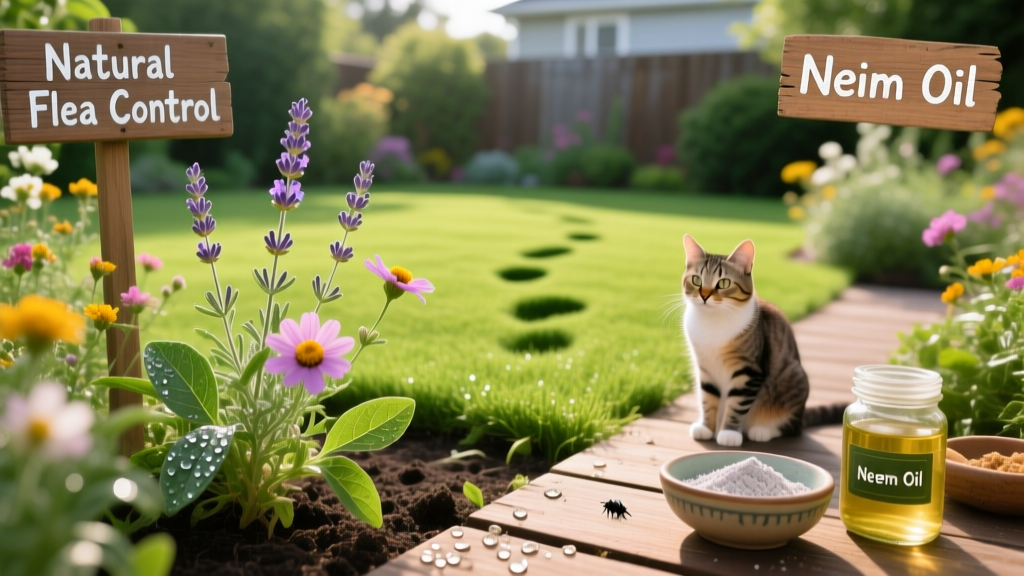
Top Natural Flea Remedies for Yards, Gardens, and Pets
The Flea Life Cycle: Why Natural Yard Treatment Matters
When homeowners spot fleas on their dogs or cats, the immediate instinct is to treat the pet. However, adult fleas living on a host represent only about 5% of the total flea population. The remaining 95%—comprising eggs, larvae, and pupae—reside in your yard, garden beds, and carpets. According to Penn State Extension, failing to address the outdoor environment guarantees a reinfestation cycle that can last for months. Chemical pesticides like permethrin or fipronil offer quick knockdowns but pose significant risks to pollinators, aquatic life, and soil microbiomes. Transitioning to organic and chemical-free controls requires targeting the environmental stages of the flea life cycle using biological and botanical interventions.
Top Outdoor Natural Flea Remedies for Lawns and Gardens
Effective organic flea control relies on disrupting the pupal and larval stages in shaded, moist areas of your yard where pets frequently rest. Below are the three most scientifically validated natural remedies for outdoor spaces.
1. Beneficial Nematodes (Steinernema carpocapsae)
Beneficial nematodes are microscopic, unsegmented roundworms that actively hunt and parasitize soil-dwelling insects. For flea control, the specific species Steinernema carpocapsae is the most effective. These nematodes enter flea larvae and pupae through natural body openings, releasing symbiotic bacteria (Xenorhabdus) that kill the host within 24 to 48 hours. As of 2026, commercial-grade S. carpocapsae typically costs between $30 and $45 per million nematodes, which is sufficient to treat approximately 1,000 square feet of lawn.
Application Protocol:
- Timing: Apply in the early morning or at dusk. UV radiation from direct sunlight will kill nematodes on contact.
- Soil Temperature: Soil must be consistently above 55°F (13°C) for nematodes to remain active and seek hosts.
- Moisture: Water the target area deeply before application to soften the soil, and water again immediately after to wash the nematodes off the grass blades and into the thatch layer where flea larvae reside.
- Frequency: Reapply every 3 to 4 weeks during peak flea season (spring and early autumn) to break the breeding cycle.
2. Diatomaceous Earth (Food Grade)
Diatomaceous earth (DE) is composed of the fossilized remains of diatoms, a type of hard-shelled algae. Under a microscope, DE particles resemble shards of glass. When flea larvae and adults crawl across the powder, the microscopic sharp edges lacerate their waxy exoskeletons, causing them to dehydrate and die within hours. The CDC notes that physical desiccants like DE are highly effective because insects cannot develop biological resistance to them.
CRITICAL WARNING: You must use only Food-Grade Diatomaceous Earth (amorphous silicon dioxide). Never use 'Pool Grade' or 'Filter Grade' DE, which has been heat-treated and contains crystalline silica—a known carcinogen that causes severe respiratory damage in humans and pets.
Application Protocol: Apply a fine, barely visible dusting using a bulb duster along fence lines, under decks, and in shaded garden beds. DE is completely ineffective when wet; you must reapply after every rainfall or heavy irrigation. Avoid applying DE in areas with high bee activity, as it can harm ground-nesting pollinators if inhaled in large quantities.
3. Cedarwood Oil Sprays
Cedarwood oil operates as a natural insecticide by blocking octopamine receptors in the nervous systems of insects. Octopamine is a vital neurotransmitter for invertebrates; when blocked, the flea's heart rate slows, and it eventually dies from metabolic failure. Because mammals do not possess octopamine receptors, cedarwood oil is highly safe for dogs and humans. It is classified by the EPA as a minimum-risk pesticide (Section 25(b) exempt). Products like Wondercide Outdoor Pest Control utilize hydrated silica and cedarwood oil in hose-end sprayers, covering up to 5,000 square feet for roughly $40.
Comparison Matrix: Natural Outdoor Flea Controls
| Remedy | Active Mechanism | Cost per 1,000 sq ft | Rainfastness | Pet & Wildlife Safety |
|---|---|---|---|---|
| S. carpocapsae Nematodes | Biological parasitism | $30 - $45 | High (lives in soil) | 100% safe for all pets/wildlife |
| Food-Grade DE | Physical desiccation | $8 - $12 | Zero (washes away) | Safe, but inhalation irritates lungs |
| Cedarwood Oil | Octopamine receptor blockade | $8 - $15 | Moderate (lasts 2-3 weeks) | Safe for dogs; toxic to cats if ingested |
Indoor & Pet-Safe Transition Strategies
Fleas hitchhike indoors on pet fur and human clothing. An organic yard protocol will fail if the indoor environment remains a breeding ground. Chemical foggers and aerosol bombs leave toxic residues on carpets and furniture. Instead, use this mechanical and botanical step-by-step eradication flow:
- Mechanical Extraction (Vacuuming): Vacuum all carpets, rugs, and upholstery daily for 14 days. The physical vibration stimulates flea pupae to hatch, exposing them to extraction. Immediately empty the vacuum canister or discard the bag in an outdoor trash bin to prevent escape.
- Thermal Shock (Washing): Wash all pet bedding, throw blankets, and removable cushion covers in water heated to at least 140°F (60°C) for a minimum of 10 minutes to dissolve the waxy cuticle of flea eggs.
- Desiccation (Salt and Baking Soda): Mix equal parts finely ground table salt and baking soda. Sprinkle generously over carpets, working it into the fibers with a stiff broom. Leave for 48 hours to dehydrate larvae, then vacuum thoroughly. (Note: Avoid this step if you have pets that frequently lick the floor).
Feline Toxicity Alert: Never apply cedarwood oil, peppermint oil, or citrus-based botanical sprays directly to cats or in confined indoor spaces where cats groom themselves. Felines lack the liver enzyme (glucuronyl transferase) required to metabolize phenols and monoterpenes, leading to fatal hepatic toxicity.
Botanical Repellents: Plants That Deter Fleas
While plants will not eradicate an existing infestation, integrating specific botanicals into your garden beds and patio borders creates a natural deterrent barrier. These plants emit volatile organic compounds (VOCs) that mask the carbon dioxide and lactic acid signatures that attract host-seeking fleas.
- Rosemary (Salvia rosmarinus): Hardy in USDA zones 8-10. Crush the needles and scatter them in dog houses or outdoor kennels.
- Lavender (Lavandula angustifolia): Thrives in dry, well-draining soil. The linalool content naturally repels fleas, ticks, and mosquitoes.
- Lemongrass (Cymbopogon citratus): Contains high levels of citronella and geraniol. Plant in large patio containers to create a localized pest-free zone for outdoor seating.
Common Mistakes That Sabotage Organic Flea Control
Homeowners attempting chemical-free pest control often abandon the process due to user error rather than product failure. Avoid these critical pitfalls:
- Overwatering the Lawn: Flea larvae thrive in humid, damp thatch. While nematodes require moist soil to travel, chronically soggy lawns create an ideal microclimate for flea reproduction. Aerate compacted soil and adjust irrigation to provide only 1 to 1.5 inches of water per week.
- Using Garlic or Onion Supplements: A persistent internet myth suggests feeding garlic to dogs to repel fleas. Garlic (Allium species) causes oxidative damage to canine and feline red blood cells, leading to Heinz body anemia. It is entirely ineffective against fleas and highly dangerous.
- Expecting Immediate Knockdown: Synthetic neurotoxins kill adult fleas in minutes. Biological controls like nematodes take 7 to 14 days to significantly reduce the pupal population. Patience and strict adherence to reapplication schedules are mandatory for organic success.

