
Pest Control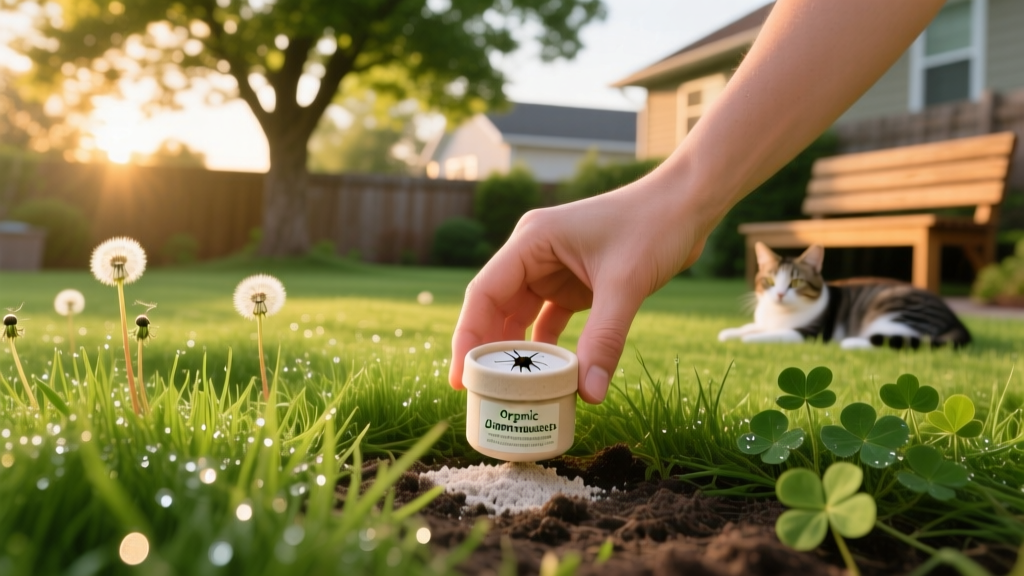
Effective Natural Flea Treatment for Home and Yard Eradication
Eradicating a flea infestation without synthetic insecticides requires targeting the pest's biology rather than relying on broad-spectrum chemical foggers. According to the Centers for Disease Control and Prevention (CDC), adult fleas living on your pets represent only about 5% of the total infestation. The remaining 95% exist in your environment as eggs, larvae, and pupae. A successful natural flea treatment for home and yard environments must systematically disrupt this life cycle using physical desiccants, biological predators, and botanical repellents.
The Pupal Window: Why Natural Treatments Require Patience
The most resilient stage of the flea life cycle is the pupa. Encased in a sticky, debris-covered cocoon, pupae are virtually immune to both chemical pesticides and natural desiccants. They can remain dormant for up to five months, waiting for environmental cues—specifically vibrations, heat, and carbon dioxide—to hatch. Understanding this biological trigger is the cornerstone of organic eradication. You must force the pupae to hatch prematurely so they become vulnerable to your natural treatments.
Phase 1: Indoor Natural Flea Treatment for Home Environments
Mechanical Eradication via Strategic Vacuuming
Vacuuming is not merely for cleaning; it is a biological trigger. The physical vibration of a vacuum's beater bar mimics the footsteps of a host, stimulating dormant pupae to hatch. Furthermore, the University of California Integrated Pest Management (UC IPM) program notes that vacuuming removes the organic debris and adult flea feces (flea dirt) that larvae require for sustenance.
- Equipment: Use an upright vacuum with a motorized beater brush and a HEPA filtration bag.
- Frequency: Vacuum all carpets, rugs, and upholstery daily for 14 consecutive days.
- Disposal: Immediately seal the vacuum bag in a plastic trash bag and dispose of it in an outdoor bin. If using a bagless canister, wash the canister with hot, soapy water (minimum 120°F) after every use to kill trapped larvae.
Food-Grade Diatomaceous Earth (DE) Application
Diatomaceous earth operates via physical desiccation. The microscopic, fossilized silica shells scratch the waxy epicuticle of the flea's exoskeleton, causing it to dehydrate and die. Because this is a mechanical action, fleas cannot develop genetic resistance to DE.
CRITICAL SAFETY WARNING: You must use only Food-Grade Diatomaceous Earth (Codex Alimentarius compliant), which contains less than 1% crystalline silica. Never use pool-grade DE, which is chemically treated and highly toxic when inhaled. Wear an N95 respirator during application to prevent respiratory irritation.
Application Protocol:
- Apply DE at a rate of 1 lb per 800 square feet using a specialized bulb duster to ensure a microscopically thin layer. Clumps of DE will simply be avoided by the insects.
- Focus heavily on baseboards, under furniture, pet bedding areas, and carpet edges.
- Leave the dust undisturbed for 48 to 72 hours before vacuuming.
- Current market pricing for high-quality, OMRI-listed food-grade DE averages $18 to $22 for a 4 lb bag, which is sufficient to treat a 3,200 sq ft home.
Phase 2: Outdoor Perimeter Defense
If you treat your home but ignore your yard, re-infestation is guaranteed. Flea larvae thrive in shaded, humid microclimates, rarely surviving in direct, hot sunlight. Target areas under decks, shaded garden beds, and your pet's favorite resting spots.
Biological Control: Beneficial Nematodes
The most effective organic outdoor treatment is the application of entomopathogenic nematodes, specifically the species Steinernema carpocapsae. These microscopic, unsegmented worms actively seek out flea larvae and pupae in the soil, entering their bodies and releasing symbiotic bacteria that kill the host within 48 hours.
Deployment Specifications:
- Timing: Apply in the early evening or on an overcast day. UV radiation from direct sunlight will kill the nematodes instantly.
- Soil Temperature: Soil must be between 60°F and 90°F. Below 60°F, the nematodes become dormant and ineffective.
- Moisture: Water the application area thoroughly before spraying, and keep the soil consistently damp for 7 to 10 days post-application. Nematodes require a moisture film to move through soil pores.
- Dosage: A standard application rate is 1 million nematodes per 1,000 square feet. A commercial pack containing 10 million nematodes (covering roughly 1/6 of an acre) typically costs between $35 and $45.
Botanical Barrier Sprays
To repel adult fleas from entering your home, utilize botanical sprays containing Juniperus mexicana (Texas cedarwood) oil. Cedarwood oil acts as a natural octopamine blocker, disrupting the neurotransmitter function of soft-bodied insects. Dilute pure cedarwood essential oil to a 2% concentration (approximately 12 drops per ounce of distilled water) mixed with a few drops of liquid Castile soap as an emulsifier. Spray this mixture around the home's foundation, door sweeps, and window casings weekly.
Feline Toxicity Note: While cedarwood oil is generally safe for dogs when properly diluted, cats lack the liver enzyme (glucuronyl transferase) required to metabolize certain terpenes found in essential oils. If you have indoor cats, restrict essential oil barrier sprays strictly to the exterior perimeter of your home.
14-Day Organic Eradication Matrix
Consistency is the primary determinant of success in chemical-free pest management. Follow this strict 14-day protocol to break the reproductive cycle.
| Day | Indoor Action | Outdoor Action |
|---|---|---|
| 1 | Deep vacuum all floors. Apply Food-Grade DE to carpets and baseboards. | Water yard heavily. Apply S. carpocapsae nematodes at dusk. |
| 2-3 | Leave DE undisturbed. Wash pet bedding in 140°F water. | Lightly water treated soil to maintain nematode moisture film. |
| 4 | Vacuum thoroughly. Dispose of bag outdoors. Reapply thin layer of DE. | Apply 2% cedarwood oil spray to exterior foundation and door sweeps. |
| 5-7 | Daily vacuuming to trigger pupal hatching via vibration. | Maintain soil moisture. Clear yard debris to eliminate shaded flea harborage. |
| 8-14 | Vacuum every 48 hours. Spot-treat high-traffic zones with DE as needed. | Second application of nematodes if initial soil moisture was compromised. |
Troubleshooting: Why Your Natural Treatment Isn't Working
When organic treatments fail, it is almost always due to one of three specific environmental oversights.
1. Applying DE in High-Humidity Environments
Diatomaceous earth requires a dry environment to function. If applied in a basement with 70%+ relative humidity, or immediately after steam cleaning carpets without adequate drying time, the DE absorbs ambient moisture and loses its desiccant properties. Always ensure carpets are bone-dry and use a dehumidifier to drop indoor humidity below 50% before application.
2. Nematode UV Degradation
A common failure mode with beneficial nematodes is applying them during the morning or on a highly sunny day. Steinernema carpocapsae are highly susceptible to ultraviolet radiation. If applied at 10:00 AM, the population will be decimated by noon. Always apply at dusk and water them into the soil immediately.
3. Ignoring the Pet Vector
According to the Environmental Protection Agency (EPA), treating the environment is only half the battle. If your dog or cat is not simultaneously treated with a veterinarian-approved oral or topical flea preventative (such as a monthly isoxazoline class medication), the pet will continually act as a transport vector, bringing new adult fleas from the neighborhood back into your sanitized home. Natural home treatments must be paired with direct veterinary care for the host animal.

