
Pest Control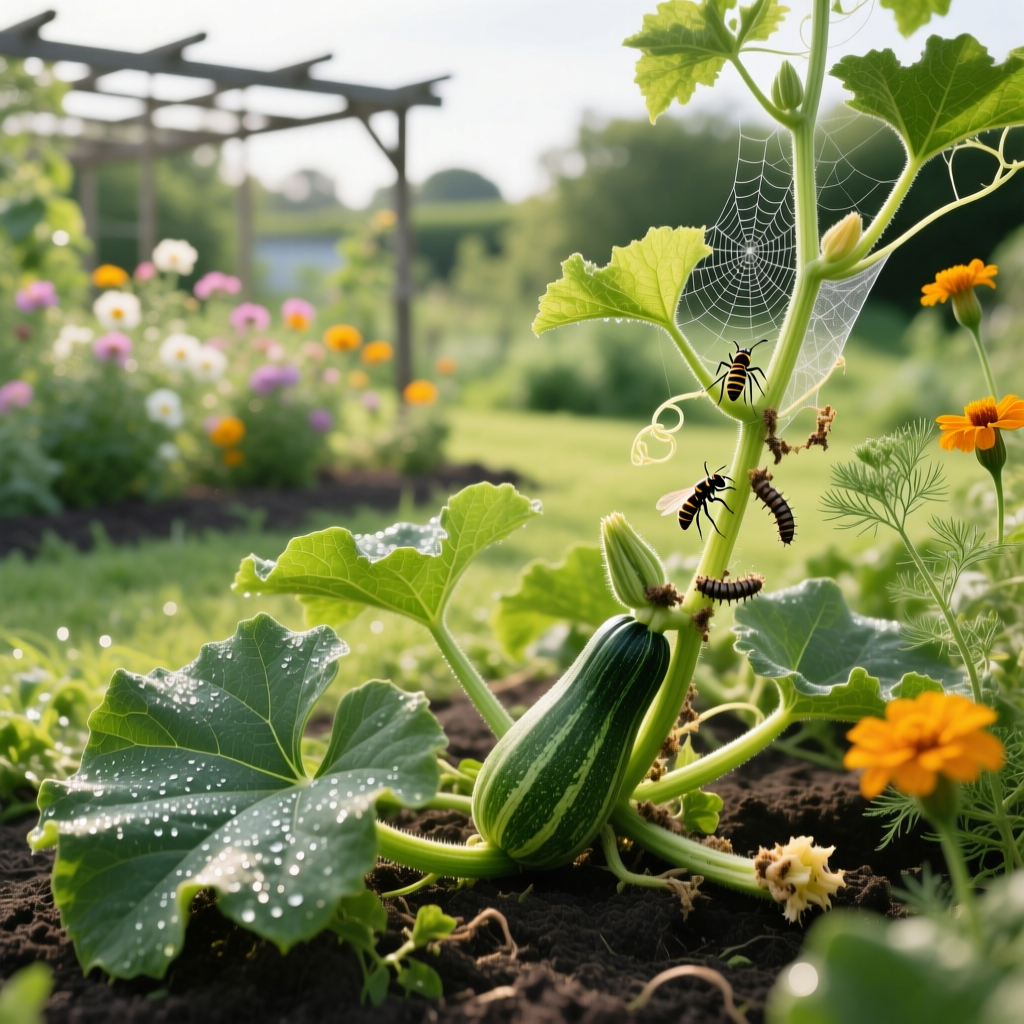
Natural Methods to Get Rid of Squash Vine Borers in Home Gardens
Emily WatsonPublished
Squash vine borers (Melittia cucurbitae) are one of the most destructive pests that home gardeners face when growing cucurbits — the plant family that includes squash, zucchini, pumpkins, cucumbers, and melons. These sneaky insects can devastate an otherwise healthy garden in a matter of days, often before you even realize they are there. The adult moth lays eggs at the base of plant stems, and once the larvae hatch, they burrow directly into the vine, feeding on the inner tissue and cutting off the flow of water and nutrients. The result? Wilting, collapse, and often the total loss of the plant.
If you have ever walked out to your garden to find your once-thriving squash plants suddenly limp and lifeless, you have likely encountered the work of squash vine borers. The good news is that you do not need to reach for harsh synthetic pesticides to fight back. There are numerous natural, organic, and culturally sound methods to prevent, detect, and eliminate these pests while keeping your garden ecosystem healthy and balanced. In this comprehensive guide, we will walk you through everything you need to know about managing squash vine borers naturally — from early identification to long-term prevention strategies that keep your garden productive season after season.
For gardeners who also maintain turf areas near their vegetable beds, keeping your surrounding landscape healthy is just as important. Check out our lawn care guides for tips on maintaining a vigorous yard that complements your pest management efforts.
How to Identify Squash Vine Borers and Their Damage
Before you can effectively combat squash vine borers, you need to know what you are dealing with. Understanding the pest's life cycle and the telltale signs of infestation is the first and most critical step in any natural pest control strategy.
The Squash Vine Borer Life Cycle
The squash vine borer goes through a complete metamorphosis with four stages: egg, larva, pupa, and adult moth. The adult is a striking insect that resembles a wasp more than a typical moth. It has a metallic green-black body, clear wings with black borders, and reddish-orange markings on its abdomen. Adults are active during the daytime, which is unusual for moths, and they are fast fliers.
Adult females emerge from the soil in late spring to early summer and begin laying small, reddish-brown, flat eggs singly at the base of cucurbit stems, usually within the first few inches of the soil line. A single female can lay up to 200 eggs over her lifetime. These eggs hatch within one to two weeks, and the newly emerged larvae — white, segmented caterpillars with brown heads — immediately bore into the stem of the host plant.
Once inside the vine, the larvae feed on the internal vascular tissue for four to six weeks. This feeding disrupts the plant's ability to transport water and nutrients, leading to the characteristic wilting that gardeners notice. After completing their feeding, the larvae exit the stem, drop to the soil, and burrow a few inches deep to pupate. In warmer climates, there may be two generations per growing season, while cooler regions typically see just one.
Signs of Infestation
Catching a squash vine borer infestation early can mean the difference between saving your plant and losing it entirely. Here are the key symptoms to watch for:
- Sudden wilting: A vine or entire plant that appears healthy one day and dramatically wilted the next is the most common sign. This wilting often occurs despite adequate watering and does not improve with irrigation.
- Frass (sawdust-like material): Look closely at the base of wilting vines. You will often find small holes in the stem with a pile of yellowish-green to orange sawdust-like material called frass. This is the excrement of the larva tunneling inside.
- Entry holes: Small, perfectly round holes near the base of the stem are a clear indicator that a larva has entered the vine.
- Soft or mushy stems: Stems that feel hollow, soft, or mushy when gently squeezed may contain feeding larvae inside.
- Yellowing leaves: As the vascular system is compromised, leaves on affected vines may turn yellow and begin to die back from the tips.
If you notice any of these signs, act immediately. The longer a larva feeds inside the stem, the more damage it causes and the harder it is to save the plant. For more information on identifying common garden pests, visit our pest control resource center.
Prevention Strategies to Stop Squash Vine Borers Before They Strike
When it comes to squash vine borers, prevention is far more effective than trying to cure an infestation after the larvae have already entered the vine. Once inside, the larvae are protected from most treatments, making early intervention essential. Here are the most effective natural prevention methods you can implement in your home garden.
Choose Resistant Varieties
Not all cucurbits are equally susceptible to squash vine borer damage. Some varieties have thicker, harder stems that make it more difficult for larvae to bore in. Butternut squash, for example, is known for its relative resistance because of its solid, thick stems. In contrast, summer squash varieties like zucchini and yellow crookneck are highly susceptible due to their hollow, tender stems.
If squash vine borers are a recurring problem in your area, consider planting resistant or tolerant varieties such as:
- Butternut squash
- Tromboncino (an Italian climbing squash)
- Cushaw squash
- Royal acorn squash
- Sweet cheese pumpkin
You can also try planting cucumbers and melons, which are less preferred by the borer, though they are not entirely immune.
Use Row Covers
Floating row covers made from lightweight, spun-bonded fabric are one of the most effective physical barriers against squash vine borers. By covering your plants immediately after planting or transplanting, you prevent the adult moths from landing on the plants and laying eggs.
However, there is an important caveat: row covers also block pollinators. Since squash, zucchini, and pumpkins require pollination to produce fruit, you will need to remove the covers when the plants begin to flower or hand-pollinate the blossoms yourself. To hand-pollinate, use a small paintbrush to transfer pollen from male flowers to female flowers (female flowers have a small fruit bulge at the base). Alternatively, you can lift the covers during the morning hours when pollinators are most active and replace them in the evening.
Secure the edges of row covers tightly with soil, rocks, or landscape pins to prevent moths from sneaking underneath. For more tips on protecting your garden beds and surrounding areas, explore our garden bed maintenance guides.
Practice Crop Rotation
Squash vine borer pupae overwinter in the soil near the base of the previous season's host plants. If you plant cucurbits in the same spot year after year, you are essentially inviting the next generation of borers to emerge right at the base of your new plants. Rotating your cucurbit planting location each season disrupts this cycle and significantly reduces borer pressure.
Aim to rotate cucurbits to a different garden bed at least every two to three years. If space is limited, consider container gardening with large pots or raised beds filled with fresh soil to break the pest cycle.
Companion Planting and Trap Crops
Strategic companion planting can help deter squash vine borers or draw them away from your prized plants. Some gardeners report success planting strongly scented herbs and flowers near their cucurbits, including:
- Nasturtiums: These colorful flowers are believed to repel squash vine borer moths and other cucurbit pests.
- Radishes: Planting radishes around the base of squash plants may deter borers, and the radishes mature quickly so they do not compete for space.
- Marigolds: The strong scent of marigolds can mask the smell of cucurbit plants, making it harder for moths to locate their hosts.
- Petunias and tansy: These aromatic plants may also help confuse and repel adult moths.
You can also use a trap cropping strategy by planting a highly susceptible variety, such as Hubbard squash, at the perimeter of your garden. The borers will be drawn to the trap crop, and you can then destroy those plants along with any larvae inside before they can spread to your main crop.
Timing Your Plantings
Squash vine borer moths typically emerge and begin laying eggs within a specific window each season. By timing your plantings to avoid this window, you can reduce your risk of infestation. In many regions, the first generation of adults emerges in early to mid-summer. Planting your squash earlier in the spring — so the plants are well-established and vigorous before the moths arrive — can give them a better chance of surviving an attack.
Alternatively, planting a late summer or fall crop after the primary moth flight has ended can allow you to grow squash with minimal borer pressure. Succession planting every two to three weeks also ensures that you always have young, healthy plants coming along even if some are lost to borers.
Natural and DIY Solutions to Eliminate Squash Vine Borers
If prevention methods were not enough and you find evidence of squash vine borers in your garden, do not panic. There are several natural and DIY methods you can use to combat these pests without resorting to synthetic chemicals. Many of these techniques have been passed down through generations of gardeners and have proven effective when applied correctly and consistently.
Surgical Removal of Larvae
One of the most direct and effective methods for dealing with squash vine borers is physically removing the larvae from the vine. This technique, sometimes called "vine surgery," involves carefully slitting the affected stem lengthwise with a sharp, sterilized knife or razor blade near the entry hole.
Gently open the stem and look for the white, segmented larva inside. Remove it and destroy it — do not simply drop it on the ground, as it can crawl back to the plant. Once the larva has been removed, mound moist soil over the slit area of the stem. The buried section of the vine will often develop adventitious roots, which can compensate for the damaged vascular tissue and keep the plant alive and productive.
This method works best when the infestation is caught early and only one or two larvae are present. If the stem is severely damaged or multiple larvae are found, the plant may not recover. Always sterilize your cutting tool between plants to avoid spreading disease.
Beneficial Nematodes
Beneficial nematodes are microscopic, soil-dwelling roundworms that parasitize and kill a wide range of soil-borne insect pests, including squash vine borer larvae and pupae. The species Steinernema carpocapsae and Heterorhabditis bacteriophora are particularly effective against vine borers.
Apply nematodes to the soil around the base of your cucurbit plants according to the product instructions. They are typically mixed with water and applied using a watering can or hose-end sprayer. The nematodes seek out insect larvae in the soil, enter their bodies, and release bacteria that kill the host within 24 to 48 hours. They then reproduce inside the dead insect and move on to find new hosts.
For best results, apply nematodes in the evening or on a cloudy day, as they are sensitive to UV light and desiccation. Keep the soil consistently moist after application to help the nematodes move through the soil profile. Nematodes are completely safe for humans, pets, plants, and beneficial insects like earthworms and pollinators. Maintaining healthy, biologically active soil also supports your overall garden health — learn more about soil management in our soil health resources.
Bacillus thuringiensis (Bt)
Bacillus thuringiensis, commonly known as Bt, is a naturally occurring soil bacterium that produces proteins toxic to certain insect larvae, including caterpillars like squash vine borer larvae. Bt is considered organic and is approved for use in certified organic agriculture.
To use Bt against squash vine borers, inject a Bt solution directly into the stem near the entry hole using a small syringe. This delivers the bacteria directly to the feeding larva. You can also spray Bt on the stems and lower leaves of the plant, focusing on the base where eggs are typically laid. However, the spray method is less effective because the larvae spend most of their time protected inside the stem.
Apply Bt in the evening, as sunlight degrades the bacterial proteins. Repeat applications every seven to ten days during the egg-laying period for continuous protection. Bt is harmless to humans, pets, birds, and beneficial insects, making it an excellent choice for organic gardens.
Diatomaceous Earth
Diatomaceous earth (DE) is a fine, powdery substance made from the fossilized remains of diatoms — microscopic aquatic organisms with silica-based shells. When applied around the base of plants, DE acts as a physical barrier that damages the exoskeletons of soft-bodied insects, causing them to dehydrate and die.
Sprinkle a generous ring of food-grade diatomaceous earth around the base of each cucurbit plant, covering the soil surface and the lower few inches of the stem. Reapply after every rain or heavy irrigation, as DE loses its effectiveness when wet. While DE will not kill larvae that are already inside the vine, it can help prevent newly hatched larvae from boring into the stem and can deter other crawling pests as well.
Be sure to use food-grade DE rather than pool-grade DE, which has been treated with chemicals and is not safe for garden use. Wear a dust mask when applying DE to avoid inhaling the fine particles.
Yellow Sticky Traps and Monitoring
Yellow sticky traps can be an effective monitoring and control tool for squash vine borer moths. The adult moths are attracted to the color yellow, and they will become stuck to the adhesive surface of the trap. Place yellow sticky traps near your cucurbit plants at soil level to catch emerging adults before they can lay eggs.
While sticky traps alone will not eliminate a borer population, they serve as an excellent early warning system. By monitoring the traps regularly, you can determine when the adult moths are active and time your other prevention and treatment methods accordingly. If you start catching moths on the traps, you know it is time to apply Bt, nematodes, or other protective measures immediately.
Wire Method for Killing Larvae Inside the Vine
If you prefer not to cut open the vine, you can try inserting a thin, flexible wire into the entry hole to kill the larva inside. Gently push a piece of thin wire (such as a straightened paperclip or a piece of floral wire) into the hole and wiggle it around to impale or crush the larva. This method requires some patience and a gentle touch to avoid further damaging the stem, but it can be effective for small infestations.
After using the wire method, seal the entry hole with a small dab of petroleum jelly or garden wax to prevent secondary pests or diseases from entering the wound. Monitor the plant closely in the following days to see if it recovers.
Long-Term Garden Management and When to Call Professionals
Successfully managing squash vine borers is not just about reacting to a single infestation — it is about building a resilient garden ecosystem that naturally suppresses pest populations over time. By combining the strategies outlined above with thoughtful long-term garden management, you can dramatically reduce the impact of squash vine borers and enjoy healthier, more productive harvests.
Sanitation and Cleanup
Garden sanitation plays a crucial role in breaking the squash vine borer life cycle. At the end of the growing season, or as soon as a plant is killed by borers, remove and destroy all affected vines. Do not compost infested plant material, as the composting process may not generate enough heat to kill overwintering pupae. Instead, bag the vines and dispose of them in the trash, or burn them if local regulations permit.
In the fall, till the soil in areas where cucurbits were grown to expose and destroy any pupae that may be overwintering in the top few inches of soil. This is especially important in regions where two generations of borers occur, as second-generation larvae will pupate in the soil in late summer and early fall.
Encourage Natural Predators
A biodiverse garden is a resilient garden. Many beneficial insects and animals prey on squash vine borer eggs, larvae, and adults. Encouraging these natural predators can provide ongoing, free pest control:
- Parasitic wasps: Several species of tiny, non-stinging wasps parasitize squash vine borer eggs and larvae. Plant nectar-rich flowers like dill, fennel, yarrow, and alyssum to attract these beneficial wasps to your garden.
- Ground beetles: These nocturnal predators feed on a variety of soil-dwelling pests, including borer pupae. Provide habitat for ground beetles by maintaining mulched areas and avoiding broad-spectrum pesticides.
- Birds: Many bird species, including chickadees, wrens, and bluebirds, will eat squash vine borer moths and larvae. Attract birds to your garden with birdhouses, birdbaths, and native plantings.
- Spiders: While not everyone loves spiders, they are excellent predators of flying insects, including adult squash vine borer moths.
Soil Health and Plant Vigor
Healthy, vigorously growing plants are better able to withstand and recover from pest damage. Build healthy soil by incorporating compost, using organic mulches, and maintaining proper pH and nutrient levels. A plant with a robust root system and strong stems is more likely to survive a borer attack and continue producing fruit even after sustaining some damage.
Regular watering, proper spacing for air circulation, and balanced fertilization all contribute to plant health. Avoid excessive nitrogen fertilization, which can promote soft, succulent growth that is more attractive to pests. For tips on maintaining healthy soil throughout your entire landscape, visit our lawn fertilization guide.
When to Call a Professional
For most home gardeners, the natural methods described in this article are sufficient to manage squash vine borer populations. However, there are situations where consulting a professional may be warranted:
- Severe, recurring infestations: If you have tried multiple prevention and treatment methods over several seasons and continue to lose the majority of your cucurbit crop, a professional pest management service can provide more targeted solutions and identify environmental factors you may have overlooked.
- Large-scale gardens or small farms: If you are growing cucurbits on a larger scale for market or community-supported agriculture, professional integrated pest management (IPM) services can help you develop a comprehensive, season-long management plan.
- Multiple pest problems: If squash vine borers are just one of many pest issues affecting your garden, a professional can assess the overall health of your landscape and recommend holistic solutions that address the root causes of pest pressure.
When choosing a professional, look for one who specializes in organic or integrated pest management approaches and who can provide references from other gardeners in your area. For more information on finding qualified help for your lawn and garden, check out our common garden pests guide.
Frequently Asked Questions About Squash Vine Borers
What plants do squash vine borers attack?
Squash vine borers primarily attack plants in the cucurbit family, which includes summer squash, winter squash, zucchini, pumpkins, cucumbers, melons, and gourds. They show a strong preference for summer squash and zucchini, as these varieties tend to have softer, more hollow stems that are easier for the larvae to bore into. Butternut squash and some other winter squash varieties with solid, thick stems are somewhat more resistant. While borers can technically attack any cucurbit, they rarely cause significant damage to cucumbers and watermelons compared to squash and pumpkins.
Can a squash plant recover after being infested with vine borers?
Yes, a squash plant can sometimes recover after a vine borer infestation, especially if the damage is caught early and the larva is removed promptly. After surgically removing the larva, mound moist soil over the damaged area of the stem. The plant may develop new roots from the buried section, which can compensate for the damaged vascular tissue. Some gardeners have successfully saved plants that appeared nearly dead by acting quickly and providing extra water and care during the recovery period. However, if the stem is severely hollowed out or multiple larvae are present, the plant may not survive regardless of intervention. Having backup plants or succession plantings ensures you still get a harvest even if some plants are lost.
Are squash vine borers harmful to humans or pets?
No, squash vine borers are not harmful to humans or pets. The larvae live entirely inside plant stems and do not bite, sting, or transmit diseases. The adult moths are also harmless — despite their wasp-like appearance, they do not sting. The only damage squash vine borers cause is to your cucurbit plants. The fruits produced by plants that have been infested are perfectly safe to eat, provided the fruit itself has not been damaged or infected with secondary rot. Simply harvest any mature fruit from affected plants as soon as possible to salvage your yield.
How do I tell the difference between squash vine borer damage and bacterial wilt?
Squash vine borer damage and bacterial wilt can look similar at first glance, as both cause sudden wilting of vines. However, there are key differences. Squash vine borer damage is typically accompanied by visible entry holes in the stem near the soil line, along with piles of frass (sawdust-like material). The wilting is usually localized to a single vine or section of the plant initially, and you may be able to feel a soft or hollow spot in the stem. Bacterial wilt, on the other hand, is spread by cucumber beetles and causes the entire plant to wilt rapidly. To test for bacterial wilt, cut a wilted stem and press the two cut ends together, then slowly pull them apart. If you see a stringy, white, milky substance stretching between the cut ends, this is a sign of bacterial wilt. Bacterial wilt has no cure, and affected plants should be removed and destroyed. For more help identifying garden problems, browse our pest control articles.
Can I use neem oil to control squash vine borers?
Neem oil can be a useful component of an integrated approach to managing squash vine borers, but it is not a standalone solution. Neem oil acts as an insect growth regulator and repellent, and it can deter adult moths from laying eggs on treated plants. Spray neem oil on the stems and lower leaves of your cucurbit plants, focusing on the base where eggs are typically deposited. Apply in the evening to avoid harming pollinators and to prevent leaf burn from the combination of oil and sunlight. However, once larvae have entered the stem, neem oil cannot reach them. For best results, combine neem oil applications with other prevention methods such as row covers, beneficial nematodes, and Bt treatments. Always use cold-pressed, pure neem oil rather than products with added synthetic chemicals for a truly natural approach.
Managing squash vine borers naturally requires patience, observation, and a willingness to combine multiple strategies. No single method is foolproof on its own, but when you layer prevention, monitoring, and targeted treatments, you create a robust defense that protects your garden season after season. By choosing resistant varieties, using physical barriers, encouraging beneficial organisms, and acting quickly when you spot the first signs of damage, you can keep squash vine borers under control and enjoy a bountiful harvest of squash, zucchini, and pumpkins from your home garden.

