Pest Control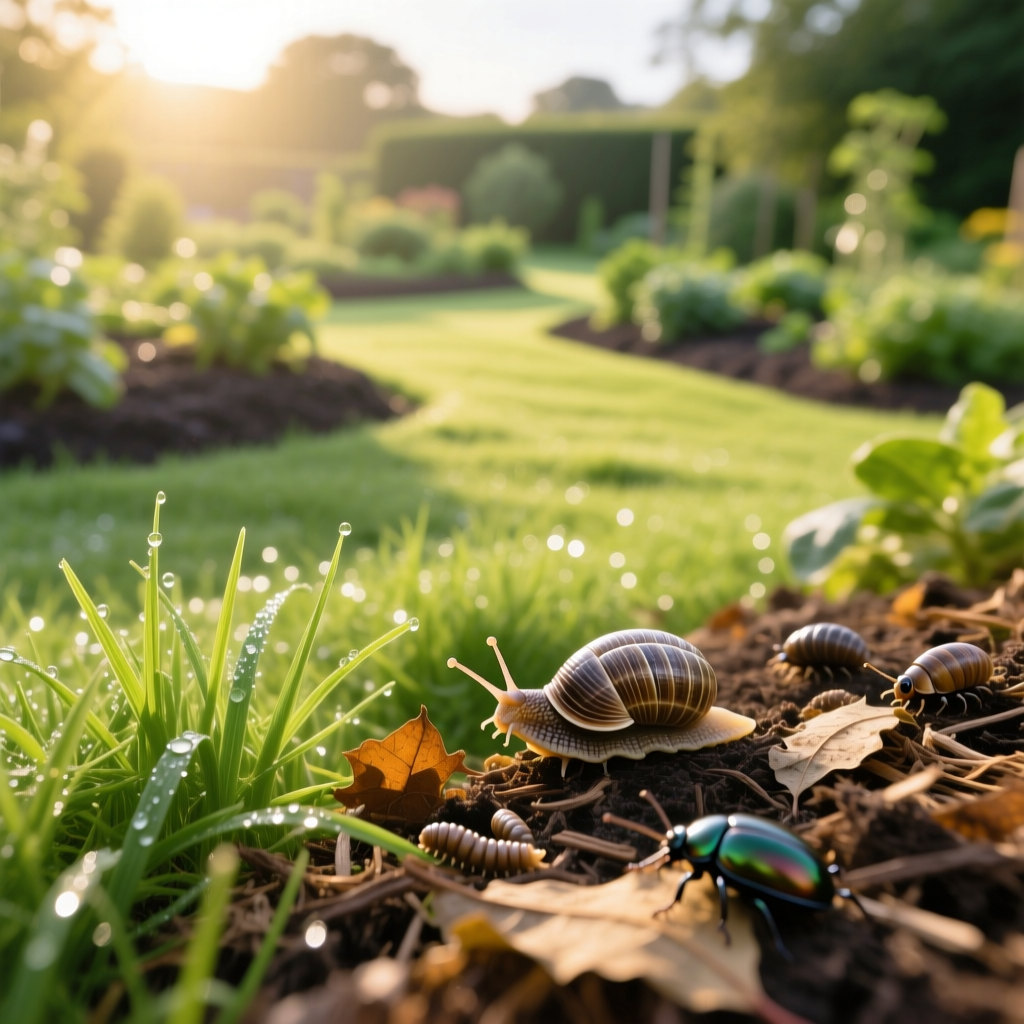
Natural Pill Bug & Sow Bug Control in Garden Beds: A Complete Guide
James MillerPublished
Natural Pill Bug & Sow Bug Control in Garden Beds
If you have ever turned over a rock or pulled back a layer of mulch in your garden beds, you have likely encountered a small, gray, armored creature scurrying for cover — or perhaps curling into a perfect little ball. Pill bugs and sow bugs are among the most common inhabitants of garden beds everywhere, and while they play a beneficial role in breaking down organic matter, they can become a serious nuisance when their populations explode. Left unchecked, these small crustaceans can devastate seedlings, chew through tender roots, and damage the fruits and vegetables you have worked so hard to grow.
The good news is that you do not need harsh chemicals or synthetic pesticides to reclaim your garden beds. There are dozens of natural, effective strategies for managing pill bug and sow bug populations while keeping your garden safe for children, pets, and beneficial insects. This comprehensive guide will walk you through everything you need to know about identifying these pests, understanding their behavior, and implementing proven natural control methods that protect your garden for the long haul.
Identifying Pill Bugs & Sow Bugs in Your Garden
Before you can effectively control pill bugs and sow bugs, you need to know exactly what you are dealing with. Despite their common names, neither pill bugs nor sow bugs are actually insects. They are terrestrial crustaceans — distant relatives of crabs, lobsters, and shrimp that evolved to live on land. This distinction matters because it affects how they behave, what environments they prefer, and which control methods will be most effective against them.
Pill Bugs vs. Sow Bugs: What Is the Difference?
Many gardeners use the terms interchangeably, but pill bugs and sow bugs are actually different organisms with distinct characteristics:
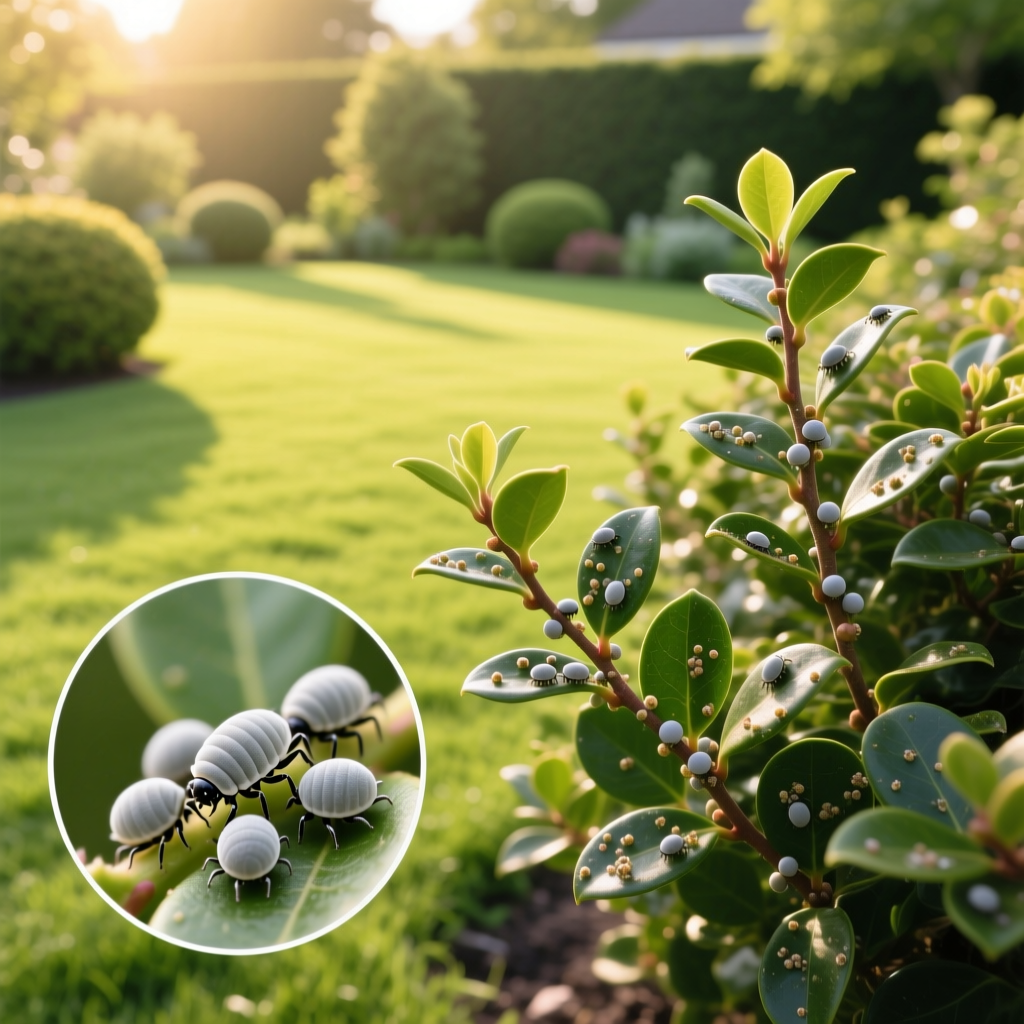
- Pill bugs (family Armadillidiidae) are famous for their ability to roll into a tight, nearly perfect ball when disturbed. They have a smooth, rounded appearance and lack any tail-like appendages. Their color ranges from dark gray to slate blue.
- Sow bugs (family Porcellionidae) cannot roll into a ball. They have a flatter, more oval-shaped body and possess two small tail-like appendages (called uropods) visible at the rear of their body. They tend to be lighter gray or brown in color.
Both species share several common traits. They are typically between 6 and 18 millimeters long, have seven pairs of legs, breathe through gill-like structures that require moisture, and are primarily nocturnal. You will most often find them hiding under rocks, logs, mulch, flower pots, and any other damp, sheltered location in your garden beds during the day.
Signs of a Pill Bug or Sow Bug Infestation
A few pill bugs or sow bugs in your garden bed are perfectly normal and even beneficial. However, when populations grow out of control, you will start noticing the following signs:
- Seedling damage: Young plants suddenly wilting, falling over, or showing irregular holes in their leaves and stems
- Fruit and vegetable scarring: Strawberries, melons, squash, and other ground-level produce showing shallow, scooped-out feeding marks
- Root damage: Plants appearing stunted or nutrient-deficient despite adequate watering and fertilization
- Large congregations: Finding dozens or hundreds of individuals clustered under mulch, boards, or garden debris
- Nocturnal feeding evidence: Fresh damage appearing overnight when pill bugs and sow bugs are most active
If you notice any of these signs, it is time to take action. For more information about maintaining healthy garden and lawn care practices that discourage pest populations, explore our complete lawn care guides.
Why Pill Bugs & Sow Bugs Invade Garden Beds
Understanding what draws pill bugs and sow bugs to your garden beds is essential for developing a long-term control strategy. These crustaceans are not randomly wandering into your garden — they are responding to specific environmental conditions that make your beds an ideal habitat.
Moisture Is the Primary Attractant
Because pill bugs and sow bugs breathe through gill-like structures, they absolutely require a moist environment to survive. They lose water rapidly through their exoskeleton and will quickly desiccate and die in dry conditions. This means your garden beds become especially attractive when they offer consistently damp soil, thick layers of moisture-retaining mulch, frequent irrigation, or poor drainage that keeps the soil surface wet.
Overwatering is one of the most common reasons gardeners experience pill bug and sow bug problems. If your beds stay perpetually soggy, you are essentially rolling out a welcome mat for these moisture-loving crustaceans. Adjusting your watering schedule and improving soil drainage can significantly reduce the attractiveness of your garden beds to these pests.
Abundant Organic Matter and Debris
Pill bugs and sow bugs are detritivores, meaning their primary diet consists of decaying organic matter. A garden bed loaded with dead leaves, rotting wood, thick compost layers, and decomposing mulch provides an unlimited food supply. While this is generally good for soil health, an excessive buildup of organic debris creates the perfect combination of food and shelter that allows populations to multiply rapidly.
Shelter and Protection from Predators
Dense ground covers, stacked pots, landscape timbers, large rocks, and heavy mulch layers all provide excellent hiding spots where pill bugs and sow bugs can shelter during the day. The more undisturbed hiding places your garden beds offer, the larger the population your garden can sustain. Eliminating unnecessary shelter is one of the most effective long-term prevention strategies available.
Seasonal Patterns and Population Surges
Pill bug and sow bug populations tend to surge during periods of mild, wet weather. Spring and autumn are peak activity seasons in most climates, though in regions with mild winters, these pests can remain active year-round. Female pill bugs and sow bugs carry their eggs in a fluid-filled pouch called a marsupium, and a single female can produce multiple broods per season, each containing 25 to 200 young. Under favorable conditions, populations can explode in a matter of weeks.
Prevention Strategies: Making Your Garden Beds Less Inviting
The most effective approach to natural pill bug and sow bug control is prevention. By modifying your garden environment to make it less hospitable, you can keep populations low without ever needing to resort to treatments. These cultural practices form the foundation of any integrated pest management strategy and should be your first line of defense.
Manage Mulch Wisely
Mulch is a double-edged sword in the fight against pill bugs and sow bugs. While it suppresses weeds and retains soil moisture, it also creates the cool, damp, sheltered conditions these pests love. Here is how to use mulch strategically:
- Keep mulch thin: Limit mulch layers to two inches or less in areas where pill bugs and sow bugs have been a problem
- Pull mulch away from plant stems: Create a small gap of bare soil around the base of vulnerable plants, especially seedlings and low-growing fruits
- Consider alternative mulches: Coarse, dry mulches like straw or pine needles are less attractive to pill bugs than dense, moisture-retaining options like shredded bark or wood chips
- Remove old mulch annually: Replace decomposed mulch that has broken down into a dense, damp mat
Improve Drainage and Reduce Excess Moisture
Since moisture is the single biggest factor driving pill bug and sow bug activity, taking steps to dry out your garden beds can have a dramatic impact:
- Water in the morning: This allows the soil surface to dry throughout the day, making conditions less favorable for nocturnal feeding
- Use drip irrigation: Targeted watering keeps foliage and the broader soil surface drier compared to overhead sprinklers
- Amend heavy soils: Adding compost, perlite, or coarse sand to clay-heavy beds improves drainage and reduces surface moisture
- Grade beds properly: Ensure water flows away from garden beds rather than pooling in low spots
For lawns adjacent to your garden beds, proper lawn drainage is equally important. Soggy lawns can serve as breeding grounds that continually reseed your garden beds with new pests.
Clear Debris and Eliminate Hiding Spots
A clean garden bed is a less inviting garden bed for pill bugs and sow bugs. Make it a habit to:
- Remove fallen leaves, dead plant material, and rotting wood promptly
- Elevate pots, containers, and raised beds on feet or stands to eliminate ground-level shelter
- Store lumber, firewood, and garden supplies away from planting areas
- Keep the perimeter of your garden beds clear of tall grass, weeds, and accumulated debris
- Regularly turn and disturb mulch to expose hidden populations to sunlight and predators
Use Physical Barriers for Vulnerable Plants
Protecting individual plants or small groups of seedlings with physical barriers is a highly effective, chemical-free prevention method:
- Collars: Place cardboard or plastic collars around seedling stems, pressing them an inch into the soil to block access
- Copper tape: Apply copper tape around the rims of pots or the edges of raised beds — the copper creates a mild electrical charge that deters pill bugs and sow bugs from crossing
- Row covers: Lightweight floating row covers protect entire beds from pest access while allowing light and water through
- Diatomaceous earth rings: Create a barrier ring of food-grade diatomaceous earth around susceptible plants (more on this below)
Natural & DIY Solutions for Pill Bug & Sow Bug Control
When prevention alone is not enough, a variety of natural and DIY control methods can help you reduce existing populations without resorting to synthetic pesticides. These solutions are safe for use around edible plants, children, and pets, making them ideal for home garden beds.
Diatomaceous Earth (DE)
Food-grade diatomaceous earth is one of the most effective natural weapons against pill bugs and sow bugs. DE is a fine powder made from the fossilized remains of microscopic aquatic organisms called diatoms. When pill bugs and sow bugs crawl across DE, the sharp, microscopic edges of the powder scratch and damage their exoskeleton, causing them to lose moisture and eventually die from dehydration.
How to use it: Sprinkle a thin, even layer of food-grade diatomaceous earth around the base of vulnerable plants, along the edges of garden beds, and in any areas where you have observed heavy activity. Reapply after rain or heavy watering, as DE loses its effectiveness when wet. Wear a dust mask during application to avoid inhaling the fine particles.
Beer and Yeast Traps
Beer traps are a classic, time-tested method for controlling pill bugs, sow bugs, slugs, and snails. The fermented yeast in beer attracts these pests, which then fall into the liquid and drown.
How to use it: Bury shallow containers — such as tuna cans, yogurt cups, or disposable plastic bowls — so the rim is level with the soil surface. Fill them about halfway with beer or a mixture of water, sugar, and baker's yeast. Space traps every three to four feet along affected garden beds. Check and empty traps every morning, and refill as needed. You will be surprised by how many pests a few simple traps can capture overnight.
Newspaper and Cardboard Traps
This simple trapping method exploits the natural tendency of pill bugs and sow bugs to seek out damp, sheltered hiding spots during the day.
How to use it: Roll up damp newspapers or soak pieces of cardboard in water and place them in your garden beds in the evening. Pill bugs and sow bugs will congregate under these shelters overnight. In the morning, collect the traps and dispose of the pests by dropping them into a bucket of soapy water. Repeat nightly until populations decline significantly.
Natural Repellent Sprays
Several homemade spray solutions can deter pill bugs and sow bugs from feeding on your plants:
- Garlic spray: Blend several cloves of garlic with water, strain, and spray around the base of plants. The strong sulfur compounds repel many pests.
- Neem oil spray: Mix cold-pressed neem oil with water and a few drops of mild liquid soap. Spray on soil surfaces and plant bases in the evening. Neem oil disrupts the feeding and reproductive behavior of many pests.
- Cayenne pepper spray: Mix cayenne pepper or hot sauce with water and a drop of dish soap. Spray around vulnerable plants to create an unpleasant barrier. Reapply after watering or rainfall.
- Coffee grounds: Spread used coffee grounds around the base of susceptible plants. The caffeine and coarse texture deter pill bugs and sow bugs while also adding organic matter to your soil.
Beneficial Nematodes
Beneficial nematodes are microscopic, soil-dwelling worms that parasitize and kill a wide range of garden pests, including pill bugs and sow bugs. Specifically, species like Steinernema carpocapsae and Heterorhabditis bacteriophora seek out pests in the soil and release bacteria that kill them within 24 to 48 hours.
How to use them: Purchase beneficial nematodes from a garden supply retailer and apply them to moist soil according to the package directions. They are typically mixed with water and applied using a watering can or hose-end sprayer. Nematodes are completely safe for plants, earthworms, humans, and pets. They work best when soil temperatures are between 55°F and 90°F and the soil is kept consistently moist for at least two weeks after application.
Encourage Natural Predators
One of the most sustainable approaches to long-term pest control is to encourage the predators that naturally feed on pill bugs and sow bugs. A diverse garden ecosystem will keep populations in check without any intervention on your part:
- Birds: Robins, wrens, chickadees, and many other bird species eagerly consume pill bugs and sow bugs. Attract them with bird feeders, bird baths, and native plantings.
- Ground beetles: These beneficial insects are voracious predators of pill bugs and sow bugs. Avoid broad-spectrum pesticides that would harm them.
- Spiders: While not everyone welcomes spiders, they are excellent natural pest controllers. Wolf spiders and ground spiders in particular prey heavily on pill bugs and sow bugs.
- Toads and frogs: Amphibians consume enormous quantities of garden pests. Create a toad-friendly habitat by providing a shallow water source and sheltered hiding spots.
- Chickens and ducks: If local ordinances allow, backyard poultry are incredibly effective at clearing garden beds of pill bugs, sow bugs, and other pests between planting seasons.
For additional strategies on building a healthy, pest-resistant outdoor environment, explore our resources on natural pest control methods that work across your entire landscape.
When to Call a Professional for Pill Bug & Sow Bug Control
In most cases, the natural methods described above are more than sufficient to manage pill bug and sow bug populations in home garden beds. However, there are certain situations where professional intervention may be warranted.
Signs You Need Professional Help
- Persistent, large-scale infestations: If you have diligently applied prevention and natural control methods for several weeks and populations continue to grow, a professional pest control service can assess your property and apply targeted treatments that are not available to consumers.
- Structural invasion: When pill bugs and sow bugs begin migrating indoors in large numbers — entering basements, crawl spaces, or ground-level rooms — this often indicates an extremely large outdoor population that may require professional perimeter treatment.
- Recurring damage to valuable crops: If you are growing high-value crops or maintaining a commercial garden operation and pill bugs are causing significant economic damage, professional integrated pest management services can provide a more aggressive control plan.
- Underlying moisture problems: A professional can identify drainage issues, irrigation problems, or structural concerns that are contributing to persistently damp conditions and attracting pests to your property.
What to Expect from Professional Treatment
Professional pest control services typically begin with a thorough inspection of your property to identify moisture sources, entry points, and breeding areas. Treatment may include:
- Application of granular or liquid insecticides around the perimeter of your home and garden beds
- Recommendations for drainage improvements, grading corrections, and irrigation adjustments
- Sealing of cracks and gaps in foundations where pests may be entering structures
- Follow-up visits to monitor effectiveness and reapply treatments as needed
Many professional services now offer organic or reduced-risk treatment options that are safer for the environment and compatible with edible garden beds. Be sure to discuss your preferences for natural control methods when hiring a professional.
If pill bugs and sow bugs are part of a broader pest problem affecting your entire yard, our guides on common lawn problems can help you identify and address related issues that may be contributing to pest pressure throughout your landscape.
Frequently Asked Questions
Are pill bugs and sow bugs harmful to my garden?
In small numbers, pill bugs and sow bugs are actually beneficial to your garden. They help decompose organic matter, recycle nutrients back into the soil, and improve soil structure through their tunneling activity. However, when populations grow too large — especially in the absence of sufficient decaying material — they will begin feeding on live plant tissue, including seedlings, roots, tender stems, and soft fruits. The key is managing populations rather than eliminating these organisms entirely. A few individuals in your garden bed are allies; hundreds are a problem.
Do pill bugs and sow bugs bite humans or pets?
No. Pill bugs and sow bugs do not bite, sting, or transmit diseases to humans or animals. They lack the mouthparts necessary to bite and have no venom or stingers. They are entirely harmless to people, children, and pets. Their only defense mechanism is to flee from light and disturbance or, in the case of pill bugs, to curl into a protective ball. If you find them indoors, they are a nuisance rather than a health threat, and they will typically die quickly in the dry conditions found inside most homes.
What is the fastest natural way to get rid of pill bugs and sow bugs?
The fastest natural approach combines trapping with habitat modification. Start by setting out beer traps and damp newspaper traps to capture large numbers of pests immediately. Simultaneously, remove excess mulch, clear debris, and allow the soil surface to dry between waterings. Apply food-grade diatomaceous earth around the base of vulnerable plants for ongoing protection. This combined approach typically produces visible results within two to three days and significant population reduction within one to two weeks. Consistency is crucial — traps must be checked and reset daily, and DE must be reapplied after any moisture event.
Can I use salt to kill pill bugs and sow bugs?
While salt is technically effective at killing pill bugs and sow bugs through dehydration, it is not recommended for use in garden beds. Salt accumulates in the soil and can damage or kill your plants, disrupt soil biology, and create long-term fertility problems. Even small amounts of salt applied repeatedly can lead to soil salinization that inhibits plant growth for months or years. Diatomaceous earth, beer traps, and the other natural methods described in this guide are far safer and equally effective. Save the salt for your kitchen and choose garden-safe alternatives for pest control.
Will pill bugs and sow bugs come back after I treat them?
Yes, pill bugs and sow bugs can return if the underlying conditions that attracted them remain unchanged. These organisms are a natural part of the outdoor environment, and it is virtually impossible to eliminate them permanently from any garden. The goal should be ongoing management rather than total eradication. By maintaining good garden hygiene — keeping mulch layers thin, removing debris, improving drainage, and encouraging natural predators — you can keep populations at manageable levels indefinitely. Periodic reapplication of traps and diatomaceous earth during peak activity seasons will help prevent populations from rebounding. For a complete approach to maintaining a healthy, pest-resistant outdoor space, pair your garden bed management with sound organic lawn care practices that promote vigorous plant growth and natural pest resistance across your entire landscape.