
Pest Control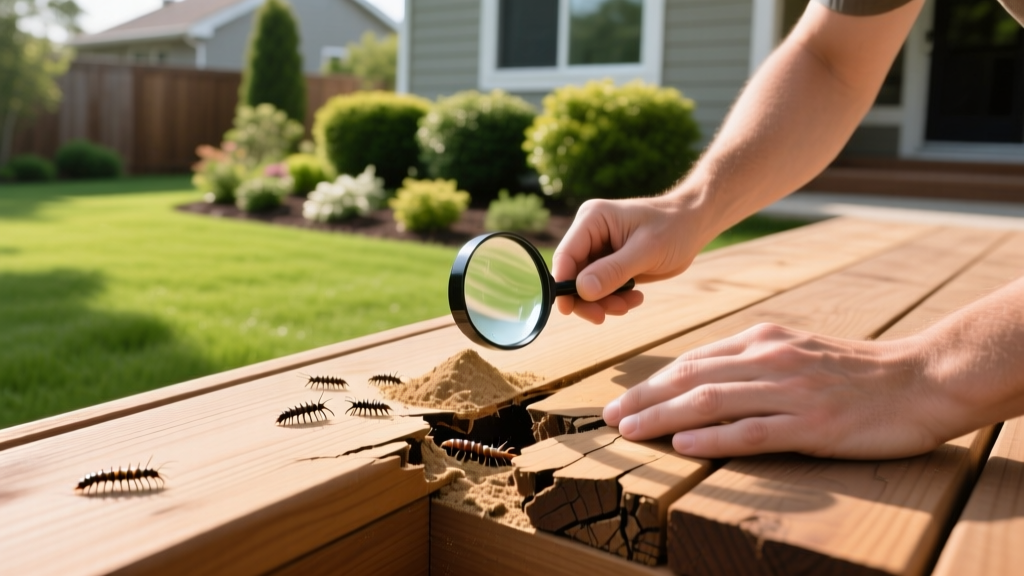
Natural Termite Control: Effective Organic Treatments for Homeowners
The Reality of Organic Termite Management
Achieving effective natural termite control requires abandoning the misconception that organic methods are merely passive deterrents. Modern biological and botanical treatments actively eliminate termite colonies when applied with precision. However, success depends entirely on matching the specific treatment to the termite species—subterranean versus drywood—and the severity of the infestation. According to the Environmental Protection Agency (EPA), understanding termite biology and moisture dependencies is the first line of defense in any integrated pest management (IPM) strategy.
⚠️ Critical Severity Threshold: Natural methods are highly effective for localized drywood infestations, preventative soil barriers, and garden-bed foraging. If you observe structural sagging, widespread mud tubes on interior drywall, or active swarming inside living spaces, the colony has likely compromised load-bearing timbers. At this stage, professional mechanical or targeted chemical intervention is required to prevent catastrophic structural failure.
Top Biological and Botanical Termite Treatments
Rather than relying on synthetic soil termiticides like fipronil or imidacloprid, organic pest control leverages biological predators, botanical solvents, and mineral salts. Below are the three most scientifically validated natural treatments available to homeowners.
1. Beneficial Nematodes (Biological Control)
For subterranean termites foraging in soil and garden beds, entomopathogenic nematodes are the gold standard of organic control. Specifically, the Steinernema carpocapsae (Sc) and Heterorhabditis bacteriophora (Hb) strains actively seek out termite workers in the soil. Once inside the host, they release symbiotic bacteria (Xenorhabdus or Photorhabdus) that kill the termite within 48 hours. The nematodes then reproduce inside the carcass, releasing a new generation to hunt nearby foragers.
- Application Rate: 1 to 2 million nematodes per 2,000 square feet of soil.
- Cost: $35 to $55 per 5-million count (treats up to 10,000 sq ft).
- Optimal Conditions: Soil temperatures between 60°F and 85°F; soil must be kept consistently moist for 14 days post-application.
2. High-Concentration Orange Oil (Botanical Solvent)
Orange oil is the premier natural treatment for drywood termites, which live entirely inside wood and do not require soil contact. The active ingredient, d-limonene, must be at a 90% concentration or higher (often sold as XT-2000 or Orange Oil Plus). d-limonene acts as a powerful solvent that dissolves the waxy exoskeleton of the termite, causing fatal dehydration. It also destroys termite eggs on contact.
Because orange oil has no residual effect once it evaporates (usually within 3 to 5 days), it must be injected directly into the termite galleries. This requires drilling 1/8-inch holes into infested studs or furniture and injecting the oil until it weeps from adjacent exit holes.
3. Disodium Octaborate Tetrahydrate (Mineral Barrier)
While technically a mineral salt rather than a biological agent, borate treatments (commonly sold as Tim-Bor) are widely accepted in organic landscaping due to their extremely low mammalian toxicity and lack of volatile organic compounds (VOCs). When termites ingest borate-treated wood, it disrupts their gut protozoa, rendering them unable to digest cellulose. The affected termites return to the colony and spread the borate through trophallaxis (food sharing), eventually collapsing the local population.
Treatment Comparison Matrix
| Treatment Method | Target Species | Residual Protection | Estimated Cost |
|---|---|---|---|
| Beneficial Nematodes (Sc/Hb) | Subterranean | Short-term (seasonal) | $35 - $55 per 5M |
| Orange Oil (90%+ d-limonene) | Drywood | None (contact kill only) | $10 - $15 per gallon |
| Borate Salts (Tim-Bor) | Subterranean & Drywood | Permanent (if kept dry) | $40 - $60 per lb |
| Cardboard Bait Traps | Subterranean | None (monitoring tool) | $2 - $5 per trap |
Step-by-Step Nematode Soil Drench Protocol
Applying beneficial nematodes incorrectly will result in 100% mortality of the biological agents before they reach the termites. Follow this exact protocol for subterranean termite management around foundation perimeters and garden beds.
- Timing: Apply only at dusk or on heavily overcast days. UV radiation from direct sunlight kills nematodes within minutes.
- Pre-Hydration: Water the target soil area deeply 24 hours before application. Nematodes require a moisture film to swim through soil pores.
- Mixing: Empty the nematode sponge or powder into a 5-gallon bucket of cool, dechlorinated water (let tap water sit for 24 hours to off-gas chlorine, which is lethal to nematodes). Stir gently.
- Application: Apply using a watering can or a pump sprayer with the nozzle filter removed. Target the soil within 2 feet of the foundation and around wooden fence posts.
- Post-Hydration: Lightly water the area immediately after application to wash the nematodes off the surface and into the top 3 inches of soil.
- Maintenance: Keep the soil lightly moist for 14 days. If the soil dries out completely, the nematode population will crash.
Expert Insight: "Homeowners often mistake the presence of winged swarmers for an active indoor infestation. According to University of Kentucky Entomology, subterranean termite swarmers emerging outdoors near the foundation simply indicate a mature colony in the soil. This is the exact moment to deploy beneficial nematodes to intercept the foraging workers before they expand their mud tubes into your structural sill plates."
Landscaping Adjustments for Termite Deterrence
No natural termite control regimen will succeed if your landscaping continuously invites colony expansion. Termites are driven by two factors: cellulose and moisture. Modify your exterior environment to eliminate both.
The 6-Inch Mulch Rule
Wood mulch retains moisture and provides a secondary food source. While cedar and cypress mulches contain natural resins that deter termites, these resins degrade within a single season. Maintain a strict 6-inch bare soil gap between any mulch bed and your home's foundation. If you must use mulch near the house, limit the depth to 2 inches and opt for inorganic alternatives like gravel or rubber mulch in the immediate perimeter zone.
Soil Grading and Downspout Extensions
Subterranean termites build mud tubes to maintain humidity while traveling above ground. If soil is graded toward your foundation, or if downspouts dump water directly against the siding, you create a perpetual moisture gradient that attracts termites. Regrade soil to drop 1 inch for every 1 foot of distance away from the house, and extend all downspouts at least 4 feet away from the foundation.
Frequently Asked Questions
Do cardboard traps actually kill termite colonies?
No. Cardboard traps (wet corrugated cardboard buried near the foundation) are strictly monitoring tools. They attract foraging workers, allowing you to confirm termite presence. Once the cardboard is infested, you must remove and burn it. Relying on cardboard traps to starve a colony is ineffective, as the termites will simply bypass the trap and attack your home's structural wood.
Is diatomaceous earth (DE) effective against termites?
Diatomaceous earth is highly effective against drywood termites when blown into wall voids or attics, as it abrades their exoskeletons. However, it is virtually useless against subterranean termites in the soil. Soil moisture causes DE to clump and lose its desiccating properties, rendering it ineffective as a soil barrier.
Can I use vinegar to kill termites?
While highly concentrated acetic acid can kill a termite on direct contact, household vinegar (5% acidity) lacks the potency to penetrate wood galleries or survive in soil. It offers zero residual protection and is not a viable natural termite control strategy for structural protection.

