
Pest Control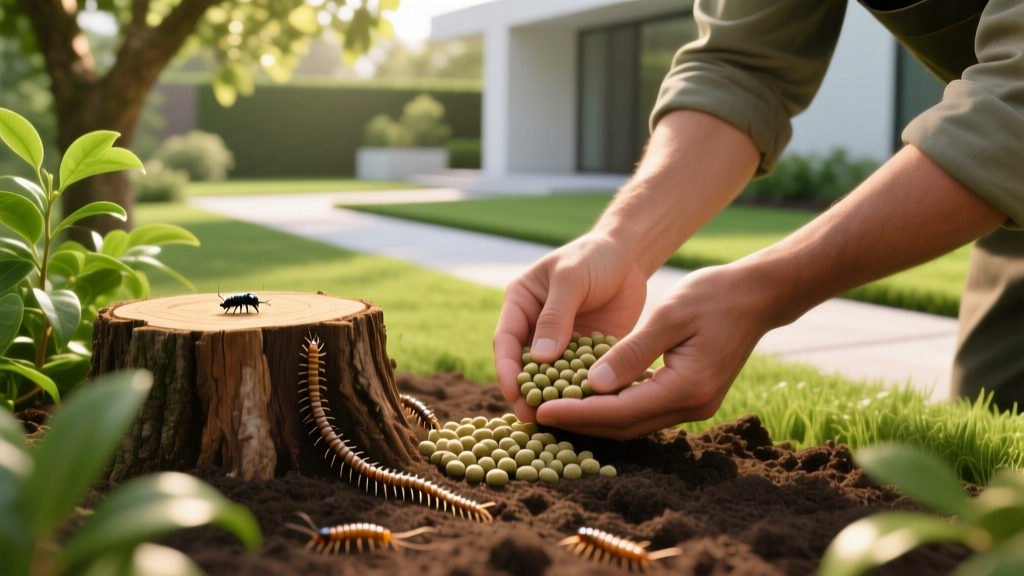
How to Get Rid of White Ants Naturally Without Harsh Chemicals
The 'White Ant' Reality Check: You Are Dealing With Termites
Before deploying any organic treatment, it is critical to address a widespread entomological misnomer. If you are searching for how to get rid of white ants naturally, you are actually dealing with termites. True ants (family Formicidae) and termites (order Blattodea, formerly Isoptera) are biologically distinct. Termites are more closely related to cockroaches than to ants. This distinction matters immensely for natural pest control, as the behavioral patterns, digestive systems, and colony structures of termites require entirely different organic eradication strategies compared to standard carpenter or pavement ants.
| Feature | Termites ('White Ants') | Carpenter Ants |
|---|---|---|
| Waist | Broad, no distinct pinched waist | Narrow, distinctly pinched waist |
| Antennae | Straight, beaded (moniliform) | Elbowed (geniculate) |
| Diet | Consumes cellulose (digests wood) | Does not eat wood; only excavates it |
| Color | Pale, translucent, creamy white | Black, red, or dark brown |
Because termites consume cellulose, natural eradication relies on disrupting their gut microbiota, dissolving their exoskeletons, or introducing biological predators into their soil galleries. According to the University of California Integrated Pest Management (UC IPM) program, while massive structural infestations often require professional intervention, localized and early-stage colonies can be effectively managed using targeted organic and botanical methods.
Biological Warfare: Beneficial Nematodes for Subterranean Colonies
Subterranean termites build extensive mud tubes and forage in the soil. The most effective organic control for these soil-dwelling colonies is the application of entomopathogenic nematodes—microscopic, unsegmented worms that actively hunt and kill termites. Specifically, the species Steinernema carpocapsae and Heterorhabditis bacteriophora are highly lethal to termite workers.
How Nematodes Kill Termites:
Nematodes enter the termite through natural body openings and release symbiotic bacteria (Xenorhabdus or Photorhabdus). This bacteria causes septicemia, killing the termite within 24 to 48 hours. The nematodes then reproduce inside the dead host and emerge to hunt the next target, creating a self-sustaining biological control loop in the soil.
Step-by-Step Nematode Application Protocol
- Purchase Fresh Stock: Buy nematodes from a specialized biological supplier. Ensure they are shipped with cold packs. Commercial packs of Steinernema carpocapsae typically cost $35 to $45 per 5 million nematodes.
- Timing is Critical: Apply in the early morning or late evening. UV light desiccates and kills nematodes within minutes. Soil temperature must be between 55°F and 85°F.
- Trenching: Dig a shallow trench (4 inches deep, 6 inches wide) around the perimeter of the affected structure or wooden outbuilding.
- Mixing: Empty the nematode sponge or powder into a 5-gallon bucket of cool, unchlorinated water. Let it sit for 5 minutes to activate. Stir gently.
- Application: Apply the mixture to the trench using a watering can or a hose-end sprayer designed for biologicals. A rate of 1 million nematodes per 10 linear feet of trench is the standard for termite suppression.
- Backfill and Water: Cover the trench with soil and water the area lightly to keep the soil moist, allowing the nematodes to migrate into deeper termite galleries.
Botanical Solvents: d-Limonene (Orange Oil) for Drywood Termites
If your 'white ants' are infesting dry, sound wood above ground—such as attic rafters, window frames, or wooden furniture—you are likely dealing with drywood termites. These colonies do not require soil contact, rendering nematodes useless. Instead, the premier organic treatment is d-limonene, the active compound extracted from citrus peels.
d-limonene acts as a potent botanical solvent. When it contacts a drywood termite, it dissolves the waxy cuticle of the insect's exoskeleton, causing rapid dehydration and death. Furthermore, the fumes are toxic to the colony and degrade the wood's cellulose structure, making it unpalatable for future foraging.
Warning: Concentration Matters
Consumer-grade citrus cleaners found in hardware stores typically contain only 5% to 10% d-limonene. These are ineffective for termite eradication. To achieve lethal results, you must source professional-grade botanical termiticides with a minimum 90% d-limonene concentration (such as XT-2000 or equivalent pure orange oil extracts), which generally cost between $40 and $60 per gallon.
Drill-and-Inject Method for Drywood Colonies
Because drywood termites seal their galleries, topical spraying is ineffective. You must inject the orange oil directly into the wood. Using a 1/8-inch drill bit, bore holes every 4 to 6 inches along the infested wood grain until you hit a hollow gallery. Use a syringe or a specialized low-pressure injection wand to fill each hole with 2 to 3 milliliters of 90%+ d-limonene. Plug the holes with wooden dowels or natural wax immediately after injection to trap the lethal fumes inside the gallery.
Mineral Disruptors: Boric Acid Cellulose Baits
Boric acid is a naturally occurring mineral salt that acts as a slow-acting stomach poison. When termites ingest boric acid, it disrupts their gut microbiota and inhibits the enzymes required to metabolize cellulose. Because termites practice trophallaxis (sharing regurgitated food with nestmates), a single forager consuming a boric acid bait can transmit the lethal mineral to the queen and the broader colony.
Formulating a High-Efficacy Organic Bait
Do not simply sprinkle boric acid powder on the ground; termites will avoid it. You must mask it in a cellulose matrix. Follow this exact formulation for optimal trophallaxis:
- 10 grams of food-grade boric acid powder (available in pharmacies or garden centers for ~$8 per pound).
- 100 grams of alpha-cellulose powder or finely shredded, unbleached corrugated cardboard dust.
- 150 ml of distilled water.
- 1 drop of unscented, dye-free liquid dish soap (to break surface tension and ensure even mixing).
Mix the ingredients into a thick paste. Roll the paste into 1-inch pellets and allow them to air-dry completely in a shaded area. Place these pellets in shaded, damp bait stations near active mud tubes or termite shelter tubes. Monitor weekly; if the pellets are hollowed out, replace them. It typically takes 30 to 60 days to observe significant colony collapse using this method.
Decision Matrix: Matching the Organic Treatment to the Infestation
Applying the wrong natural treatment is the primary reason organic termite control fails. Use the University of Kentucky Entomology guidelines on termite biology to identify your specific pest and select the corresponding organic protocol.
| Termite Type | Primary Signs | Best Organic Treatment | Expected Cost (DIY) |
|---|---|---|---|
| Subterranean | Mud tubes on foundations, soil contact | Beneficial Nematodes (S. carpocapsae) | $35 - $50 |
| Drywood | Frass (pellets) on windowsills, no soil contact | 90%+ d-Limonene (Orange Oil) Injection | $40 - $60 |
| Dampwood | Wood in contact with soil, high moisture areas | Boric Acid Cellulose Baits + Moisture Removal | $10 - $20 |
Environmental Modification: The Ultimate Organic Deterrent
No natural eradication method will provide long-term success if the environmental conditions that attracted the termites remain unaddressed. Termites require moisture and cellulose. Implement these cultural controls to create an inhospitable environment:
- Grade Correction: Ensure soil slopes away from the foundation at a minimum grade of 1/4 inch per foot to prevent water pooling against wooden siding.
- Wood-to-Ground Clearance: Maintain a strict 6-inch vertical gap between any structural wood (including siding and deck posts) and the soil surface.
- Mulch Management: Remove wood chip mulch within 12 inches of the foundation. Replace it with inorganic alternatives like crushed stone or rubber mulch, which provide zero nutritional value to foraging termites.
'Organic termite management is not about a single silver bullet; it is about integrating biological predators, botanical solvents, and rigorous moisture control. When executed with precision, natural methods can suppress localized colonies without introducing persistent synthetic neurotoxins into the home environment.'
— Adapted from Integrated Pest Management Principles, UK College of Agriculture, Food and Environment
By accurately identifying the termite species, deploying targeted biological or botanical agents, and modifying the structural environment, homeowners can effectively eliminate 'white ants' using entirely natural, chemical-free methodologies.

