
Pest Control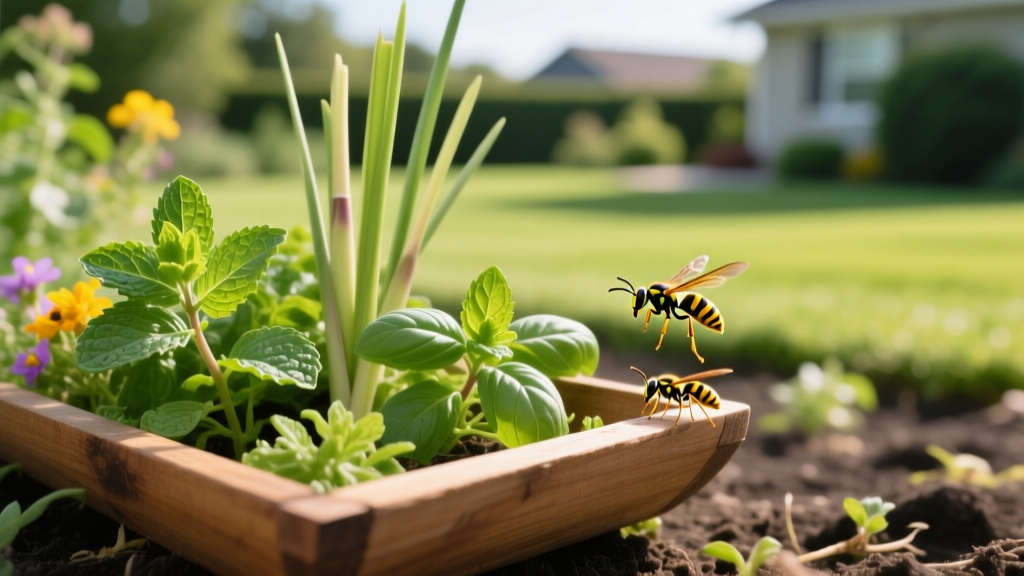
Diagnose and Deploy: Natural Yellow Jacket Deterrent Rescue Fixes
Phase 1: Symptom Diagnosis and Threat Assessment
Before deploying any treatment, you must accurately diagnose the pest. Yellow jackets (Vespula and Dolichovespula species) are frequently misidentified as honeybees or paper wasps, leading to ineffective control methods. According to the University of California Statewide IPM Program, yellow jackets are distinguished by their hairless bodies, distinct black and bright yellow banding, and aggressive foraging behavior in late summer and early fall.
Identifying the Nest Location
Approximately 70% of yellow jacket colonies are subterranean, often hijacking abandoned rodent burrows, hollow tree roots, or gaps beneath retaining walls. Aerial nests are typically found in wall voids, soffits, or dense shrubbery. To diagnose the nest location without triggering a swarm, observe forager flight paths from a safe distance (at least 15 feet) during mid-day peak activity. Foragers will fly in a direct, low-to-the-ground line back to the nest entrance.
Assessing Colony Maturity
By late August, a mature colony can house between 1,000 and 5,000 workers. During this phase, the colony's diet shifts from protein (insects) to carbohydrates (sugars, meats, human food), making them highly aggressive scavengers around outdoor dining areas. If you are seeing more than 20 wasps per minute in a specific zone, you are dealing with a mature, peak-aggression colony that requires immediate rescue intervention.
⚠️ Critical Safety Warning: Never attempt to diagnose or treat a yellow jacket nest if you or anyone in your household has a known anaphylactic allergy to insect stings. Furthermore, if the nest is located inside a wall void or structural soffit, do not seal the entry hole. Sealing an active void nest forces thousands of agitated workers to chew through interior drywall, resulting in a severe indoor infestation.
Phase 2: Proven Natural Yellow Jacket Deterrents
When chemical pesticides are not an option—especially near edible gardens, water features, or homes with pets and children—natural deterrents offer a viable rescue fix. However, not all DIY internet remedies work. Vinegar and garlic sprays, for example, lack the volatile organic compounds (VOCs) necessary to disrupt yellow jacket olfactory receptors. Below are the scientifically backed natural formulations.
The Tri-Oil Olfactory Disruptor Spray
Research published by entomology departments indicates that a specific blend of clove, geranium, and lemongrass essential oils effectively repels wasps by overwhelming their antennae chemoreceptors. This is your primary natural yellow jacket deterrent for perimeter defense.
- Recipe: Combine 15 drops of clove oil, 15 drops of geranium oil, and 15 drops of lemongrass oil in a 16 oz glass spray bottle.
- Emulsifier: Add 1 tablespoon of liquid Castile soap (the soap binds the oils to water and helps the mixture cling to surfaces).
- Dilution: Fill the remainder of the bottle with warm water and shake vigorously.
- Application: Spray heavily on eaves, porch railings, fence lines, and patio furniture. Reapply every 48 hours, or immediately after rainfall.
Peppermint Oil Barrier Nodes
Yellow jackets exhibit a strong natural aversion to peppermint. For localized rescue fixes—such as deterring scouts from building under a specific deck joist—use cotton ball barrier nodes.
- Soak standard cotton balls in 100% pure peppermint essential oil (ensure it is not a diluted carrier oil blend).
- Place the soaked cotton balls in small, breathable mesh bags or perforated plastic capsules.
- Tuck these nodes into the corners of your patio, near attic vents, or around the perimeter of outdoor trash receptacles.
- Replace the cotton balls every 5 to 7 days as the volatile compounds evaporate.
Subterranean Rescue: The Soapy Water Drench
If a ground nest is already established and posing an immediate threat, deterrents will not dismantle the colony. For a natural, non-toxic elimination rescue fix, use a soapy water drench. The soap reduces the surface tension of the water and blocks the insects' spiracles (breathing pores), causing rapid asphyxiation without leaving toxic soil residue.
- Mix: 1/4 cup of heavy-duty liquid dish soap (like Dawn Ultra) per 1 gallon of water.
- Volume: Prepare 2 to 3 gallons depending on the suspected size of the burrow.
Phase 3: The Dusk Application Protocol
Timing is the most critical variable in yellow jacket management. According to the University of Minnesota Extension, yellow jackets are highly sensitive to temperature and light. You must execute your rescue fix at dusk or just after dark.
"Applying treatments during daylight hours guarantees that foragers are out of the nest and will return to an agitated, chemically treated colony, increasing the likelihood of a mass defensive swarm. Nighttime application ensures nearly 100% of the colony is inside and lethargic."
Step-by-Step Nighttime Execution
- Prep PPE: Wear thick denim, a heavy long-sleeved canvas jacket, leather gloves, and a bee veil or netted hat. Avoid dark clothing or floral-scented laundry detergents, which trigger defensive instincts.
- Lighting: Do not shine a flashlight directly into the nest entrance. Yellow jackets will fly directly toward the beam. Use a red-lens flashlight or place a lantern 20 feet away to provide ambient light.
- Approach: Move slowly and avoid heavy vibrations. Stomping on the ground near a subterranean nest triggers seismic alarm pheromones.
- Deploy: For the Tri-Oil deterrent, use a pressurized pump sprayer to coat the area from 8 to 10 feet away. For the soapy water ground drench, pour the mixture rapidly and directly into the entrance hole using a long-necked watering can.
- Retreat: Back away slowly along your pre-planned escape route. Do not turn your back and run, as rapid movement triggers pursuit behavior.
Deterrent Efficacy and Cost Matrix
Choosing the right natural yellow jacket deterrent depends on your specific scenario, budget, and the severity of the infestation. The table below breaks down the 2026 market realities of these natural methods.
| Method | Primary Use Case | Estimated Cost | Reapplication Frequency |
|---|---|---|---|
| Tri-Oil Spray Blend | Perimeter defense, patio zones, eaves | $18 - $25 (for oils) | Every 48 hours / after rain |
| Peppermint Nodes | Localized spots, trash cans, vents | $10 - $14 | Every 5 - 7 days |
| Soapy Water Drench | Active subterranean nest elimination | Under $3 | One-time (monitor for 48 hrs) |
| Commercial Decoy Nests | Preventing satellite nesting (early spring) | $8 - $15 per unit | Seasonal (leave up all summer) |
A Note on Decoy Nests
Many homeowners purchase paper decoy nests believing they will force an active colony to abandon its current home. This is a misconception. Yellow jackets are highly territorial and will not build a new nest within 300 feet of an existing one. Decoy nests are an excellent preventative measure when hung in early spring before queens establish colonies, but they are largely ineffective as a rescue fix for an already established, mature late-summer colony.
When to Abandon Natural Fixes and Call a Professional
Natural deterrents and soapy water drenches are highly effective for exposed aerial nests and accessible ground burrows. However, you must pivot to professional extermination under the following conditions:
- Structural Voids: If the nest is inside a wall, attic, or under a concrete slab, DIY liquid drenches will not reach the core, and deterrents will only trap them inside.
- Massive Ground Colonies: If a ground nest entrance is larger than 3 inches in diameter and emitting a continuous, loud buzzing audible from 10 feet away, the colony likely exceeds 8,000 workers. The volume of soapy water required to drown them will likely fail, resulting in a catastrophic swarm.
- Multiple Entry Points: If you observe wasps entering and exiting from three or more distinct holes in the lawn, you are likely dealing with a multi-queen supercolony, which requires commercial-grade dust applications applied by licensed pest control operators.
By accurately diagnosing the threat level and deploying the correct natural yellow jacket deterrent at the optimal time of day, you can reclaim your outdoor spaces safely, effectively, and without introducing harsh synthetic neurotoxins into your lawn ecosystem.

