
Pest Control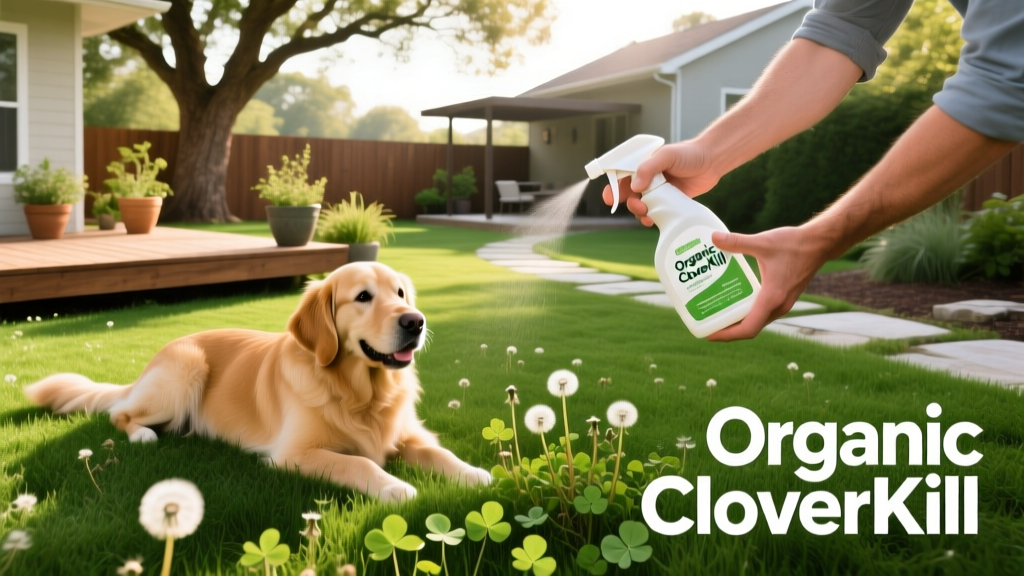
Effective Non Toxic Herbicide Options for Pet-Safe Lawns
The Shift Away from Synthetic Herbicides
With over 40 countries and numerous US municipalities restricting or banning glyphosate-based weed killers, homeowners are rapidly transitioning to safer alternatives. However, the term non toxic herbicide is frequently misunderstood. In lawn care, "non-toxic" generally refers to products exempt from EPA registration under FIFRA Section 25(b) or those classified as minimum risk pesticides. These formulations rely on naturally occurring acids, essential oils, and chelated minerals rather than synthetic systemic poisons.
While these organic controls are entirely safe for children, pets, and local pollinators once dry, they operate on entirely different biological mechanisms than conventional chemicals. Understanding these mechanisms is the difference between a scorched-earth failure and a targeted, effective weed eradication strategy.
Critical Distinction: Contact vs. Systemic
Conventional herbicides like 2,4-D are systemic; they absorb into the leaf and travel down to the roots to kill the entire plant. Almost all non toxic herbicides are contact herbicides. They destroy the cellular structure of the foliage they touch but do not translocate to the root system. This means mature perennial weeds with deep taproots (like established dandelions or bindweed) will require multiple applications spaced 7 to 10 days apart to exhaust the root's energy reserves.
The Active Ingredients: How Organic Herbicides Kill Weeds
Commercial and DIY non-toxic formulations rely on three primary modes of action. Selecting the right one depends entirely on the specific weed species invading your turf.
- Chelated Iron (HEDTA): Hydroxyethylethylenediaminetriacetic acid causes acute iron toxicity in broadleaf weeds, leading to rapid cellular necrosis (blackening of leaves). Because grasses naturally regulate iron uptake differently, HEDTA kills the weed while actually fertilizing the surrounding turf.
- Fatty Acids (Nonanoic/Pelargonic Acid): These soap-based compounds strip the waxy cuticle off the weed's leaves, causing immediate desiccation and cell membrane collapse. They work best on young, tender annual weeds.
- Acetic Acid & Essential Oils (Clove/d-Limonene): High-concentration acids and citrus oils dissolve the protective epidermal layer of the leaf, leading to rapid moisture loss. These are non-selective and will damage grass if sprayed carelessly.
Top Commercial Non Toxic Herbicides Compared
The market for organic weed control has matured significantly. Below is a comparison of the most effective, commercially available non toxic herbicide formulations currently on the market, including their ideal use cases and average retail pricing.
| Product Brand | Active Ingredient | Best Target Weeds | Price Range | Pet Re-entry Time |
|---|---|---|---|---|
| Fiesta Turf Weed Killer | HEDTA (Chelated Iron) | Broadleaves (Dandelion, Plantain) | $45 - $55 / Gallon | Once dry (approx. 2 hrs) |
| Sunday Weed Warrior | Nonanoic Acid (Fatty Acid) | Young annuals, moss, algae | $20 / 32oz RTU | Once dry (approx. 1 hr) |
| Bonide BurnOut | Citric Acid & Clove Oil | Tough perennials, brush, edges | $25 - $30 / Gallon | Once dry (approx. 2 hrs) |
Note: RTU stands for Ready-To-Use. Concentrates require dilution and offer a significantly lower cost per square foot of coverage.
DIY Non Toxic Herbicide Recipes That Actually Work
If you prefer to mix your own solutions, precision is mandatory. The most common mistake homeowners make is using standard 5% culinary vinegar from the grocery store. Culinary vinegar lacks the acidity required to penetrate the cuticle of mature weeds. According to EPA's Minimum Risk Pesticide guidelines, ingredients like acetic acid are exempt from federal registration when used in minimum risk formulations, but they still require proper handling.
Recipe 1: The Heavy-Duty Acetic Acid Blend
Use this for driveway cracks, fence lines, and mature broadleaf weeds where turf damage is not a concern.
- 1 Gallon 20% or 30% Horticultural Vinegar (Available at agricultural supply stores)
- 1 Ounce Orange Oil (d-Limonene) to accelerate cuticle breakdown
- 1 Teaspoon Non-ionic surfactant (or liquid Castile soap) to ensure the solution sticks to waxy leaves rather than beading off
Recipe 2: The Fatty Acid Soap Emulsion
Use this for spot-treating young crabgrass and chickweed directly in the lawn.
- 1 Gallon Warm Water
- 5 Tablespoons Potassium salts of fatty acids (Insecticidal/Herbicidal soap concentrate)
- 1 Tablespoon White vinegar to lower the pH and increase efficacy
Warning: Soil pH and Aluminum Toxicity
Repeated application of high-concentration vinegar (acetic acid) to the same soil area will drastically lower the soil pH. In highly acidic soils (below 5.0), naturally occurring aluminum becomes soluble and toxic to plant roots, preventing future grass or garden plants from establishing in that spot. Limit vinegar applications to hardscape edges and use iron or soap-based options for in-lawn treatments.
Application Strategy: Timing and Technique
Because non toxic herbicides lack systemic translocation, your application technique dictates your success rate. Follow this exact protocol for maximum foliar uptake.
- Check the Thermometer: Contact herbicides require heat to work efficiently. Fatty acids and essential oils require ambient temperatures above 75°F to melt the weed's waxy cuticle. Acetic acid (vinegar) works best when temperatures exceed 85°F and the sun is actively shining.
- Adjust Your Nozzle: Do not use a cone-spray nozzle. Adjust your pump sprayer to a flat-fan pattern. This provides an even, overlapping sheet of liquid that coats the leaf surface uniformly without excessive runoff.
- Spray to Dripping: You must coat the weed entirely. A light mist will only burn the top layer of cells, allowing the weed to recover from the unburned lower tissue within 48 hours. Spray until the liquid is actively dripping off the leaf edges.
- Time the Rainfall: Ensure a minimum 12-hour dry window post-application. Unlike systemic chemicals that absorb in 30 minutes, contact organics need several hours of UV exposure and heat to fully desiccate the plant tissue.
Post-Treatment Lawn Recovery and Prevention
Killing the weed is only half the battle. Non-toxic weed control leaves a bare spot in your turf that will immediately be colonized by new weed seeds if left untreated. Following the guidelines set by the USDA National Organic Program for organic land management, focus on ecological competition.
Once the treated weed has turned completely brown (usually 24 to 72 hours), rake out the dead debris. Immediately overseed the bare spot with a regionally appropriate grass seed blend, keeping the area consistently moist for 14 days. To prevent future germination, apply Corn Gluten Meal in early spring at a rate of 20 lbs per 1,000 square feet. Corn gluten meal acts as a natural pre-emergent, inhibiting root formation in germinating weed seeds without harming established turf.
Frequently Asked Questions
Will a non toxic herbicide kill my grass?
HEDTA (Chelated Iron) is selective and will not harm grass; it only kills broadleaf weeds. However, fatty acids, clove oil, and horticultural vinegar are non-selective. If you spray these on your lawn, they will burn the grass blades just as severely as the weeds. Use non-selective organics only for spot treatment or hardscape areas.
How many times do I need to spray perennial weeds?
Expect to spray mature perennials like dandelions or thistle 2 to 3 times. Wait until the weed pushes out new green growth (usually 5 to 7 days after the first spray) before applying the second treatment. This ensures you are burning the new tissue while the root's energy reserves are depleted.
Are these products safe for bees and earthworms?
Yes. Once the liquid has dried on the leaf surface, these minimum-risk ingredients pose no threat to pollinators or soil biology. In fact, chelated iron products actively benefit earthworm populations by adding bioavailable iron to the soil matrix.

