
Pest Control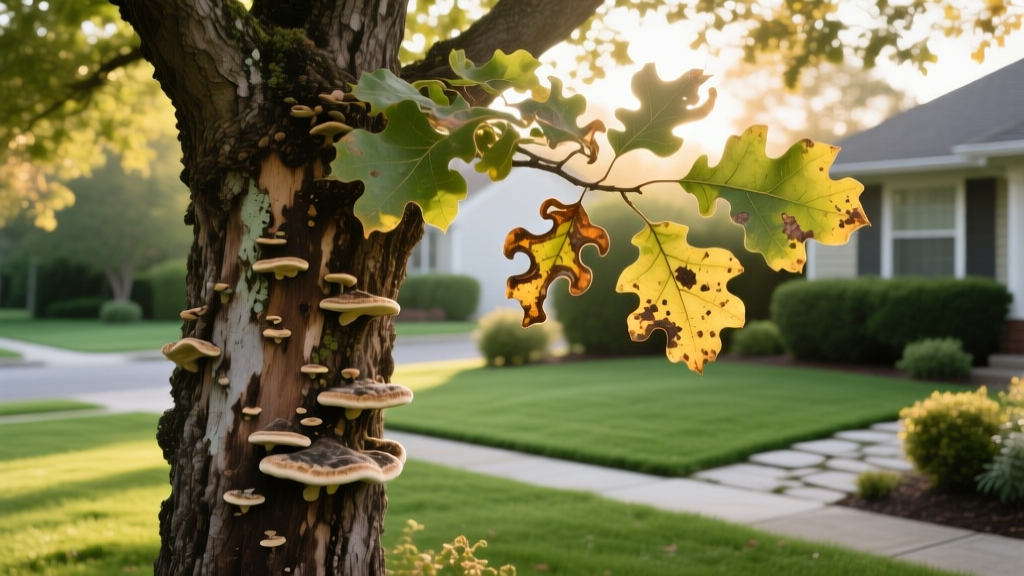
Effective Oak Blight Treatment: A Beginner's Guide to Saving Trees
Understanding Oak Blight: Anthracnose vs. Tubakia
When oak leaves develop brown, scorched-looking patches in spring or early summer, homeowners often suspect environmental stress or drought. However, these symptoms frequently point to fungal diseases collectively referred to by gardeners as "oak blight." In professional arboriculture, this usually means one of two specific pathogens: Oak Anthracnose (Apiognomonia quercina) or Tubakia Leaf Blight (Tubakia dryina). Both are foliar fungal diseases that can defoliate young trees and severely stress mature specimens if left untreated for consecutive seasons.
According to the Morton Arboretum, oak anthracnose primarily attacks white oak species and manifests as irregular brown or black blotches that follow the leaf veins. Tubakia leaf blight, conversely, favors red and black oak species, presenting as distinct, dark brown to black circular spots that eventually merge and cause the leaf to collapse.
The Beginner's Symptom Checker
- Location on Tree: Anthracnose typically starts in the lower, shaded canopy where humidity is highest. Tubakia often appears higher in the canopy and later in the season (mid-to-late summer).
- Leaf Pattern: If the necrosis (dead tissue) strictly follows the V-shaped veins to the leaf margin, suspect Anthracnose. If the spots are circular and scattered across the leaf blade, suspect Tubakia.
- Twig Cankers: Anthracnose often causes small, sunken cankers on the tips of twigs, which act as overwintering sites for the fungus.
⚠️ CRITICAL WARNING: Do Not Confuse Blight with Oak Wilt
Oak Wilt (Bretziella fagacearum) is a fatal vascular disease that causes rapid top-down browning and leaf drop, primarily in red oaks. Blight is a superficial leaf disease. If your oak is dropping green or partially brown leaves from the top down in early summer, and you see dark vascular streaking under the bark, you are dealing with Oak Wilt. Fungicide sprays will not cure Oak Wilt; it requires professional macro-infusion treatments and immediate trenching to protect neighboring trees.
The Step-by-Step Oak Blight Treatment Protocol
Effective oak blight treatment relies entirely on timing. Fungicides are protective, not curative; they must be applied before the fungal spores germinate and penetrate the leaf tissue. Once a leaf spot is visible, that specific tissue is already dead and cannot be reversed.
Step 1: Phenological Timing (When to Spray)
Do not rely on calendar dates, as spring weather fluctuates. Instead, use phenological indicators—natural events that signal the right time to treat. Begin your first fungicide application at bud break, which typically coincides with the blooming of Forsythia or the petal drop of crabapples in your region. The goal is to coat the emerging leaves just as they begin to unfurl.
Step 2: Choosing the Right Application Method
Your treatment method depends on the size of your oak tree. Trees under 20 feet tall can be effectively treated with a standard pump sprayer. Trees taller than 20 feet require professional hydraulic spraying or systemic trunk injections, as homeowner sprayers cannot achieve the necessary pressure to penetrate the upper canopy.
Step 3: Mixing and Applying Foliar Fungicides
For DIY foliar sprays, Chlorothalonil is the industry standard for contact protection. Purchase a concentrate like Bonide Fung-onil (29.6% Chlorothalonil). Mix at a rate of 2.5 to 3 teaspoons per gallon of water. Apply to the point of runoff, ensuring both the top and bottom of the emerging leaves are coated. Repeat the application 10 to 14 days later to protect leaves as they fully expand. If spring rains are heavy, a third application may be necessary 14 days after the second.
Fungicide Comparison Matrix for Oak Blight
Selecting the correct active ingredient is crucial for both efficacy and environmental safety. Below is a comparison of the most effective fungicides for oak blight treatment, including approximate costs for treating a medium-sized (15-foot) landscape oak.
| Active Ingredient | Common Brand Example | Mode of Action | Application Rate | Est. Cost (15ft Tree) |
|---|---|---|---|---|
| Chlorothalonil | Bonide Fung-onil | Contact (Protectant) | 2.5 tsp / gal water | $15 - $25 |
| Propiconazole | Banner MAXX / Fertilome | Systemic (Penetrant) | 1 to 2 fl oz / gal | $30 - $45 |
| Thiophanate-methyl | Cleary's 3336 | Systemic (Protect/Curate) | 1.5 tsp / gal water | $40 - $60 |
| Trunk Injection (Emamectin) | Arborjet TREE-äge | Systemic (Xylem mobile) | 0.1 - 0.2 oz / inch DBH | $150+ (Pro Kit) |
Note: DBH stands for Diameter at Breast Height, measured 4.5 feet above the ground. Trunk injections are highly effective for mature oaks over 30 feet tall where foliar spraying is impossible, but they require specialized drilling equipment to avoid damaging the tree's cambium layer.
Cultural Controls: Breaking the Reinfection Cycle
Fungicides only manage the current season's infection. Because both Apiognomonia quercina and Tubakia dryina overwinter in fallen leaf litter and dead twig cankers, a strict sanitation protocol is mandatory to prevent the disease from returning next spring. The University of Minnesota Extension emphasizes that cultural practices are the first line of defense for established, mature oaks.
Sanitation and Pruning Checklist
- Autumn Leaf Removal: Rake and destroy all fallen oak leaves in late autumn. Do not compost them, as standard backyard compost piles do not reach the 140°F+ temperatures required to kill fungal spores. Bag them for municipal yard waste pickup.
- Dormant Season Pruning: Between December and February (when the tree is fully dormant and oak wilt beetles are inactive), prune out dead or dying twigs in the lower canopy. Look for small, sunken, discolored areas on the bark (cankers). Make pruning cuts at a 45-degree angle just outside the branch collar.
- Tool Sterilization: Wipe pruning shears with 70% isopropyl alcohol between every single cut to prevent mechanically transferring spores from infected twigs to healthy tissue.
- Drip Line Watering: Avoid overhead irrigation, which keeps the lower canopy wet and promotes spore germination. Use a soaker hose placed at the tree's drip line (the outer edge of the canopy) to deliver deep, slow watering directly to the root zone.
Frequently Asked Questions
Will oak blight kill my mature tree?
Rarely. In mature, established oaks (over 20 years old), anthracnose and Tubakia blight are primarily cosmetic issues. The tree will often drop its heavily infected first flush of leaves in early summer and push out a healthy second flush. However, if the tree is defoliated for 3 to 4 consecutive years, the loss of photosynthetic energy will weaken the tree, making it highly susceptible to secondary pests like the two-lined chestnut borer or Armillaria root rot.
Can I use neem oil for oak blight treatment?
Neem oil is largely ineffective against established foliar blights on large landscape trees. While it has mild fungistatic properties, it breaks down rapidly in UV light and cannot provide the multi-week protective barrier required during the critical spring bud-break window. Stick to synthetic contact fungicides (Chlorothalonil) or systemics (Propiconazole) for reliable control.
My oak is dropping leaves in July. Is it blight or drought?
Summer leaf drop in oaks is often a physiological response to drought stress, not a fungal blight. Drought-induced drop usually involves leaves turning uniformly brown and crispy, curling inward, and dropping from the inner canopy outward. Blight causes distinct spotted or veinal necrosis. If the soil 6 inches below the surface is dry and crumbly, prioritize deep, slow watering over fungicide applications.

