
Pest Control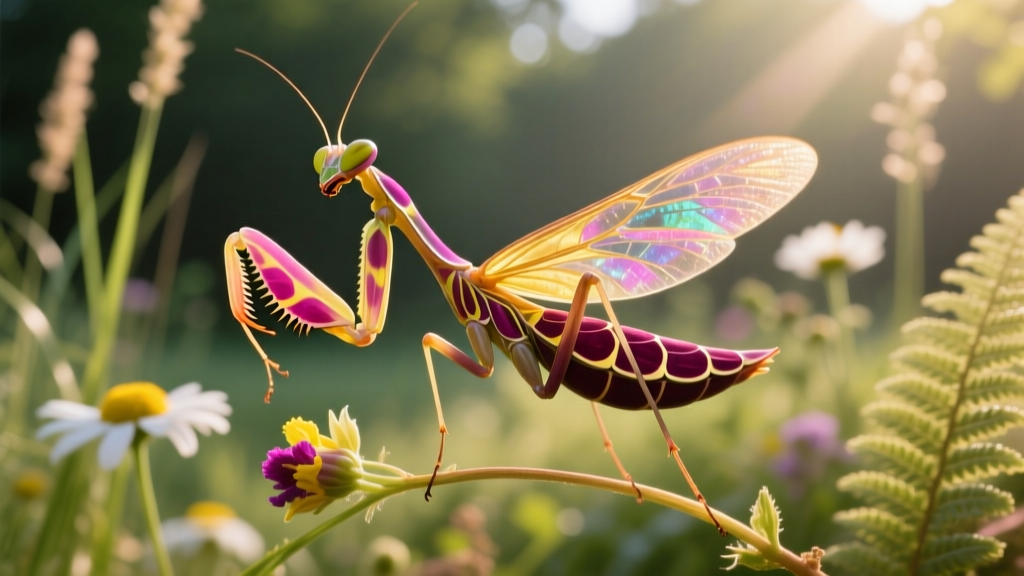
Found an Insect That Looks Like a Flower? Here Is What It Is
The Phenomenon of Floral Mimicry in the Garden
You are inspecting your orchids or pruning your late-summer goldenrods when a blossom suddenly detaches and flies away. You have just encountered an insect that looks like a flower. This evolutionary strategy, known as aggressive mimicry, allows predators to disguise themselves as floral structures to ambush pollinators and garden pests. While many homeowners panic and reach for broad-spectrum insecticides, misidentifying these creatures can severely disrupt your local integrated pest management (IPM) ecosystem.
Understanding whether you are looking at an exotic greenhouse escapee or a native beneficial predator is critical for your lawn and garden care routine. Below is a comprehensive identification guide and IPM adjustment framework for the most common floral-mimicking insects found in North American gardens and greenhouses.
Identifying the Three Most Common Flower-Mimicking Insects
Not all flower mimics are created equal. Depending on your climate and whether you are growing indoors or outdoors, you will likely encounter one of three distinct species.
1. The Orchid Mantis (Hymenopus coronatus)
Native to Southeast Asia, the orchid mantis is the most famous insect that looks like a flower. While rarely found outdoors in the United States outside of USDA Zones 10-11 (like South Florida or Hawaii), they are frequent stowaways in imported nursery stock or escapees from exotic insect hobbyists.
Morphological Data: Females reach up to 60mm (2.4 inches) and possess heavily lobed femurs that perfectly mimic pink or white orchid petals. Males are significantly smaller, maxing out at 25mm, and are less convincing floral mimics. They do not build webs; they rely entirely on visual deception to catch flies, moths, and aphids.
2. The Spiny Flower Mantis (Pseudocreobotra wahlbergii)
Originating from sub-Saharan Africa, this species is occasionally intercepted in US agricultural shipments. It is easily identified by a striking, spiraled eyespot on its forewings, which it flashes to startle predators. It prefers thorny, flowering shrubs and will often position itself in the center of white or yellow blooms to hunt thrips and whiteflies.
3. The Native Ambush Bug (Phymata spp.)
If you are gardening in North America and spot a tiny, jagged, yellow-or-white insect sitting perfectly still on a goldenrod, aster, or yarrow bloom, you are looking at an ambush bug. Unlike the large mantises, ambush bugs are diminutive (5–10mm) but are voracious native predators. They use their raptorial forelegs to snatch prey much larger than themselves, including Japanese beetles and aphids, though they will also opportunistically catch honeybees.
Visual Identification Matrix
| Feature | Orchid Mantis | Spiny Flower Mantis | Ambush Bug |
|---|---|---|---|
| Adult Size | 25mm – 60mm | 40mm – 50mm | 5mm – 10mm |
| Primary Coloration | Pink, White, Brown | Green, Yellow, White | Yellow, White, Green |
| Key Identifier | Petal-like leg lobes | Spiral eyespot on wings | Jagged abdomen, thick forelegs |
| Typical US Habitat | Greenhouses, Zone 10+ | Nursery imports, Zone 9+ | Native meadows, gardens |
Pest Control Implications: Adjusting Your IPM Strategy
When you identify an insect that looks like a flower, your immediate reaction should be observation, not eradication. According to the University of Florida IFAS Extension, mantids and ambush bugs serve as crucial generalist predators in the garden ecosystem. However, their presence requires specific adjustments to your chemical and organic pest control applications.
Pesticide Interaction Warning: If you have confirmed the presence of floral mimics, you must halt the use of pyrethroids (such as Bifenthrin, found in Talstar P) and neonicotinoids (like Imidacloprid, found in Merit). These broad-spectrum chemicals will decimate mantid and ambush bug populations within 24 hours of contact, removing your natural defense against aphids and whiteflies.
Organic Treatment Nuances
Even organic treatments pose risks to these beneficials. If you must treat an adjacent plant for a severe spider mite or scale infestation, follow these parameters:
- Spinosad (e.g., Captain Jack's Deadbug Brew): Highly toxic to beneficial insects when wet. Apply strictly at dusk when mantises and ambush bugs are less active, and allow 3 hours to dry before pollinators or predators contact the foliage.
- Neem Oil (Azadirachtin): While safer for adult mantises, horticultural oils can smother mantid oothecae (egg cases). Inspect stems carefully for 1-inch frothy egg cases before spraying. Furthermore, never apply Neem oil when ambient temperatures exceed 85°F to prevent phytotoxicity on the host flowers.
- Insecticidal Soaps: Safe to use on non-host plants, as it requires direct contact to kill soft-bodied pests like aphids and will not leave a residual threat to a passing flower mantis.
Step-by-Step: Managing Your Garden When Floral Mimics Are Present
- Isolate and Identify: Photograph the insect. Note the leg structure (lobed vs. spiked) and the host plant. Use resources like the National Pest Management Association database to confirm the species.
- Map the Hunting Zones: Ambush bugs prefer composite flowers (Asteraceae family). Orchid mantises prefer broad-leafed tropicals and orchids. Flag these plants to avoid accidental pesticide drift.
- Delay Foliar Sprays: If your aphid population is being actively hunted by an ambush bug colony, delay chemical intervention by 7–10 days to allow the predator population to naturally suppress the pest outbreak.
- Protect Overwintering Egg Cases: In late autumn, mantids lay oothecae on woody stems. When performing winter pruning, leave stems containing these 1-to-2-inch ridged cases intact, or carefully relocate them to a sheltered garden bed.
Frequently Asked Questions
Are flower mantises dangerous to humans or pets?
No. Despite their alien appearance, species like Hymenopus coronatus possess no venom and lack the mandibular strength to break human skin. They are entirely harmless to dogs, cats, and children.
Will an orchid mantis eat my prize-winning orchids?
No. Orchid mantises are strictly carnivorous. They use the orchid solely as a visual hunting blind to attract and ambush flying insects. Your plant tissue is completely safe from their feeding habits.
How do I attract native ambush bugs to my garden?
Plant native composite flowers such as Solidago (goldenrod), Symphyotrichum (asters), and Achillea (yarrow). Avoid deadheading these flowers in late summer, as the complex floral structures provide the exact architectural geometry ambush bugs require to anchor themselves and hunt.

