Pest Control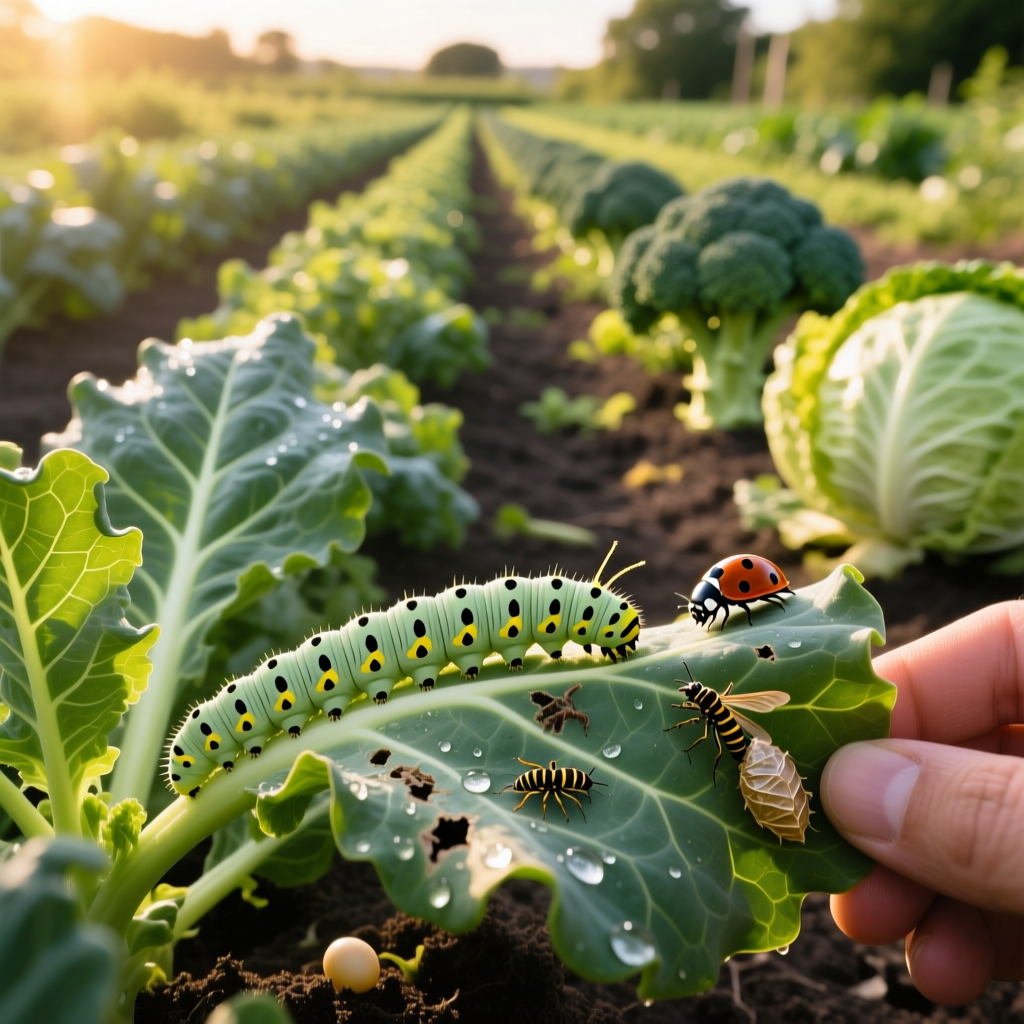
Organic Control of Imported Cabbageworms in Brassica Crops: A Complete Guide
Robert HayesPublished
Organic Control of Imported Cabbageworms in Brassica Crops
If you grow broccoli, cabbage, kale, cauliflower, or any other member of the brassica family, you have likely encountered the destructive imported cabbageworm (Pieris rapae). These voracious caterpillars can skeletonize leaves, bore into heads, and devastate an entire crop in a matter of days. Originally from Europe, this pest has become one of the most widespread and damaging insects affecting cole crops across North America and beyond.
The good news is that you do not need harsh synthetic chemicals to fight back. Organic control methods have proven highly effective against imported cabbageworms, and many of them are inexpensive, easy to apply, and safe for beneficial insects, pets, and your family. Whether you are a backyard gardener with a few raised beds or a small-scale farmer managing rows of brassicas, this comprehensive guide will walk you through everything you need to know about identifying, preventing, and eliminating imported cabbageworms using natural, organic strategies.
For broader guidance on maintaining a healthy garden ecosystem, check out our soil health basics guide and our resources on natural pest management strategies.
Identifying the Imported Cabbageworm: Know Your Enemy
Before you can effectively control imported cabbageworms, you need to recognize them at every stage of their life cycle. Understanding their biology and behavior gives you a significant advantage in timing your interventions for maximum impact.
The Adult Butterfly
The adult imported cabbageworm is a white butterfly with a wingspan of roughly two inches. Females have two dark spots on each forewing and a dark tip along the wing edge, while males have only one spot per forewing. You will often see these butterflies fluttering over brassica crops during warm daylight hours. While the butterflies themselves do not damage plants, their presence signals that egg-laying is underway. Spotting them early gives you a critical head start on control measures.
Eggs
Female butterflies lay single, pale yellow, bullet-shaped eggs on the undersides of brassica leaves. Each egg is roughly 1/8 inch long and stands upright on the leaf surface. A single female can lay up to 200 eggs over her lifetime, depositing them one at a time across many different plants. Eggs typically hatch within three to seven days depending on temperature, so regular inspection of leaf undersides is essential during the growing season.
Larvae (Caterpillars)
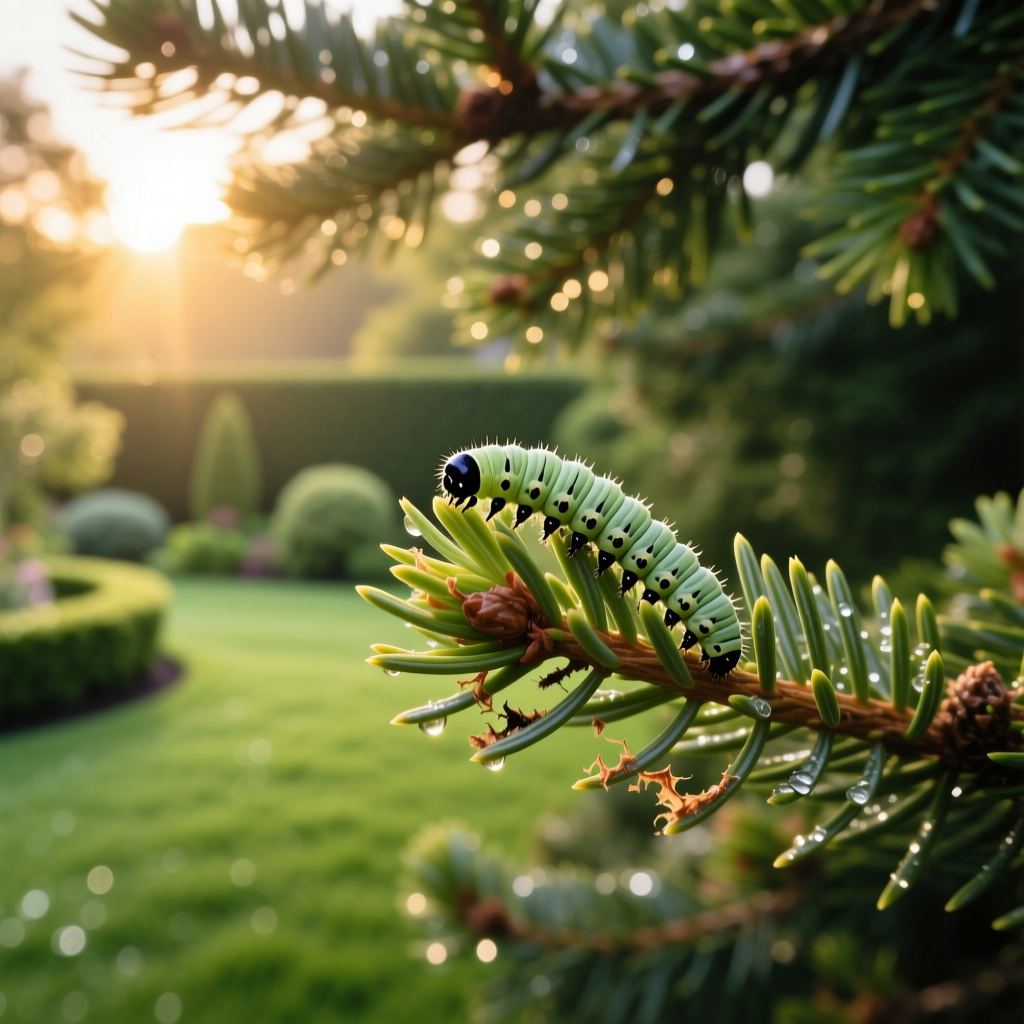
The caterpillar stage is where all the damage occurs. Newly hatched larvae are tiny and pale green, making them difficult to spot against leaf tissue. As they mature over two to four weeks, they grow to about one inch in length with a velvety green body, faint yellow stripes running along the back and sides, and a distinctly fuzzy texture. Unlike some other caterpillar species, imported cabbageworms move slowly and do not thrash when disturbed. They feed on the outer leaves first, creating irregular holes, and eventually bore into the inner heads of cabbage and broccoli, leaving behind extensive frass (droppings) that contaminate the crop.
Distinguishing from Similar Pests
Imported cabbageworms are often confused with the cabbage looper (Trichoplusia ni) and the diamondback moth caterpillar (Plutella xylostella). Cabbage loopers have distinctive looping movement and lack the velvety texture, while diamondback moth caterpillars are smaller, more pointed at both ends, and wriggle vigorously when touched. Correct identification matters because some control methods work better on certain species than others. For more on identifying common garden pests, visit our garden pest identification guide.
Prevention Strategies: Stopping Cabbageworms Before They Start
As with most pest problems, prevention is far easier and more effective than treatment. A multi-layered preventive approach dramatically reduces the likelihood of a serious imported cabbageworm infestation in your brassica crops.
Use Floating Row Covers
Floating row covers are arguably the single most effective preventive measure against imported cabbageworms. These lightweight, spun-bonded polyester or polypropylene fabrics are draped over crops immediately after planting or transplanting, creating a physical barrier that prevents adult butterflies from reaching plants to lay eggs. Secure the edges with soil, pins, or weights to ensure no gaps exist where butterflies can slip through. Row covers also protect against flea beetles, aphids, and other common brassica pests. Remove covers only when plants need pollination, which is generally not a concern for crops harvested for their leaves or heads rather than seeds.
Practice Crop Rotation
Never plant brassicas in the same location year after year. Imported cabbageworm pupae can overwinter in plant debris and soil near previous crop sites. By rotating your brassica beds to a different area of the garden each season — ideally with at least a two-year gap between plantings in the same spot — you disrupt the pest's life cycle and reduce population pressure. Good crop rotation also improves overall garden soil health and reduces disease pressure.
Clean Up Crop Debris
After harvesting brassica crops, remove and destroy all plant residues immediately. Do not simply till them into the soil, as pupae can survive in buried debris. Compost infected material only if your compost pile reaches temperatures above 140°F consistently, or dispose of it in sealed bags. This sanitation practice eliminates overwintering sites and removes any remaining eggs or larvae that could serve as a bridge to the next generation.
Time Your Plantings Strategically
Imported cabbageworm populations typically peak in mid-to-late summer after multiple generations have built up. Planting brassicas as early spring or fall crops allows you to harvest before populations reach damaging levels. In many regions, fall-grown brassicas experience significantly less cabbageworm pressure than summer plantings. Using cold frames or season extension techniques can help you take advantage of these lower-pressure windows.
Choose Resistant Varieties
While no brassica variety is completely immune to imported cabbageworm feeding, some cultivars show greater tolerance. Red cabbage, for example, tends to suffer less damage than green varieties, possibly because the anthocyanin pigments make it less attractive to egg-laying females or harder for larvae to digest. Tight-heading varieties also protect inner leaves better than loose-leaf types. Research varieties suited to your region and consult your local extension service for recommendations.
Organic and DIY Solutions for Controlling Active Infestations
When prevention alone is not enough and you find caterpillars actively feeding on your brassicas, a range of organic control methods can bring populations under control quickly and effectively. The best results come from combining several approaches simultaneously.
Hand-Picking
For small gardens and minor infestations, hand-picking remains one of the most reliable control methods. Inspect plants thoroughly every two to three days, paying close attention to the undersides of leaves and the inner folds of developing heads. Drop collected caterpillars into a container of soapy water to kill them quickly. Also crush any eggs you find on leaf surfaces. While labor-intensive, this method is free, immediately effective, and has zero impact on beneficial organisms. Many gardeners find this meditative task pairs well with their morning garden routine.
Bacillus thuringiensis var. kurstaki (Btk)
Btk is a naturally occurring soil bacterium that produces proteins toxic to caterpillars when ingested. It is widely considered the gold standard for organic cabbageworm control. When larvae feed on leaves treated with Btk, the bacterial toxins disrupt their digestive system, causing them to stop feeding within hours and die within two to three days. Btk is harmless to humans, pets, beneficial insects (including bees and predatory wasps), and earthworms. Apply Btk as a spray to all leaf surfaces, including undersides, and reapply every seven to ten days or after rain. Products containing Btk are readily available at garden centers and carry OMRI (Organic Materials Review Institute) listing for certified organic production.
Neem Oil
Neem oil, extracted from the seeds of the neem tree (Azadirachta indica), acts as both an antifeedant and a growth disruptor for imported cabbageworm larvae. When caterpillars consume neem-treated foliage, they experience reduced appetite and disrupted molting, which eventually kills them. Neem oil also has mild fungicidal properties, providing bonus protection against powdery mildew and other brassica diseases. Mix cold-pressed neem oil with water and a small amount of mild liquid soap as an emulsifier, and spray thoroughly on all plant surfaces in the early morning or late evening to avoid leaf burn. Reapply weekly and after rainfall. For more on using neem oil across your garden, see our neem oil application guide.
Spinosad
Spinosad is a natural insecticide derived from the soil bacterium Saccharopolyspora spinosa. It works through both contact and ingestion, causing rapid nervous system disruption in caterpillars. Spinosad is OMRI-listed and effective against imported cabbageworms, cabbage loopers, and diamondback moth caterpillars simultaneously. However, spinosad can be toxic to bees when wet, so apply it in the evening after pollinator activity has ceased. Once the spray dries (typically within a few hours), it poses minimal risk to beneficial insects. Use spinosad as part of a rotation with Btk to prevent potential resistance development.
Beneficial Insects and Biological Controls
Nature provides its own cabbageworm control agents in the form of parasitic wasps, predatory beetles, and other beneficial organisms. Several species of trichogramma wasps parasitize cabbageworm eggs, while Cotesia glomerata and Pteromalus puparum wasps attack larvae and pupae respectively. You can encourage these natural enemies by planting nectar-rich companion flowers such as alyssum, dill, fennel, yarrow, and buckwheat near your brassica beds. Avoid broad-spectrum insecticides that would harm these beneficial species. You can also purchase trichogramma wasps from biological supply companies and release them in your garden at the first sign of butterfly activity.
Homemade Garlic and Pepper Spray
For gardeners who prefer kitchen-based remedies, a homemade garlic and hot pepper spray can deter egg-laying butterflies and discourage larval feeding. Blend several cloves of garlic and a handful of hot peppers with water, strain the mixture, add a few drops of mild dish soap, and spray on brassica foliage. The strong odor and capsaicin content make treated plants less attractive to pests. While not as consistently effective as Btk or spinosad, this spray offers an accessible, ultra-low-cost option that can supplement other control methods. Reapply frequently, especially after rain.
Diatomaceous Earth
Food-grade diatomaceous earth (DE) consists of fossilized diatom shells that cut through the soft bodies of crawling insects, causing dehydration and death. Dusting DE lightly over brassica leaves can kill small caterpillars and deter egg-laying. However, DE loses effectiveness when wet, so it must be reapplied after every rain or irrigation event. It works best in dry climates or during periods of low rainfall. Wear a dust mask when applying DE to avoid inhaling the fine particles.
Companion Planting and Cultural Practices That Reduce Cabbageworm Damage
Beyond direct control measures, certain cultural practices and planting strategies create an environment that is inherently less hospitable to imported cabbageworms while promoting overall garden health.
Strategic Companion Planting
Several companion plants have been shown to reduce cabbageworm pressure on brassica crops. Strongly aromatic herbs such as rosemary, sage, thyme, and mint can mask the scent of brassicas, making it harder for adult butterflies to locate host plants. Planting these herbs around the borders of your brassica beds creates an aromatic barrier. Nasturtiums serve as a trap crop, attracting aphids and some caterpillar species away from your main plantings. Celery, onions, and beets interplanted among brassicas also help disrupt the visual and olfactory cues that butterflies use to find suitable egg-laying sites.
Maintain Healthy Soil
Plants grown in rich, biologically active soil are naturally more resilient to pest damage. Healthy brassicas produce higher levels of glucosinolates and other defensive compounds that deter feeding. Build soil fertility with well-aged compost, cover crops, and balanced organic fertilizers. Regular soil testing helps you maintain optimal pH (between 6.0 and 7.0 for most brassicas) and nutrient levels. For more information on building fertile garden soil, explore our composting basics guide and our organic fertilizer recommendations.
Proper Watering and Spacing
Overhead watering can inadvertently wash cabbageworm eggs and small larvae off leaf surfaces, providing a minor control benefit. However, overhead irrigation also promotes fungal diseases in brassicas, so use this approach judiciously. Drip irrigation keeps foliage dry and reduces disease but does nothing to control caterpillars directly. Regardless of your irrigation method, ensure adequate plant spacing to promote air circulation and make inspection easier. Crowded plants create humid microclimates that favor disease and make it harder to spot pests early.
Regular Monitoring and Record Keeping
Establish a routine of inspecting your brassica crops at least twice per week throughout the growing season. Keep a garden journal noting when you first observe butterflies, eggs, and larvae, along with what control measures you applied and their results. Over time, these records reveal patterns in pest pressure specific to your location and help you refine your management strategy. Many successful organic gardeners develop a calendar of preventive actions timed to their local pest cycles.
When to Call a Professional for Cabbageworm Control
While most imported cabbageworm infestations can be managed effectively with the DIY organic methods described above, there are situations where professional assistance becomes worthwhile or even necessary.
Large-Scale or Commercial Plantings
If you are managing more than a quarter acre of brassica crops, the labor required for hand-picking and small-scale spray applications may become impractical. Professional organic pest control services have access to commercial-grade application equipment that can treat large areas efficiently and uniformly. They also stay current on the latest research regarding treatment timing, resistance management, and new biological control products. For commercial growers, the cost of professional services is often offset by saved labor and reduced crop losses.
Persistent or Recurring Severe Infestations
If you have tried multiple organic control methods over several seasons and continue to experience devastating cabbageworm damage, a professional can conduct a thorough assessment of your situation. They may identify contributing factors you have overlooked, such as nearby wild mustard or other brassica-family weeds serving as alternate hosts, overwintering sites in adjacent structures, or timing mismatches in your treatment schedule. A professional can design a comprehensive integrated pest management (IPM) plan tailored to your specific property and growing conditions.
Multiple Pest Complexes
Rarely do imported cabbageworms attack in isolation. Brassica crops often face simultaneous pressure from aphids, flea beetles, root maggots, harlequin bugs, and various diseases. When multiple pests overwhelm your management capacity, a professional can help prioritize interventions and design a holistic strategy that addresses the full spectrum of threats without creating conflicts between different control measures. Explore our complete brassica pest overview for information on managing other common cole crop pests.
Organic Certification Requirements
If you are pursuing or maintaining organic certification for your farm, a professional organic pest management consultant can ensure that all control products and methods you use comply with your certifier's standards. They can also help you develop the detailed pest management documentation that organic certification audits require, saving you time and reducing the risk of compliance issues.
Choosing the Right Professional
When selecting a pest control professional for cabbageworm management, look for someone with specific experience in organic agriculture and integrated pest management rather than conventional chemical-only approaches. Ask about their familiarity with Btk, spinosad, biological controls, and cultural management strategies. Request references from other organic growers they have worked with, and verify that any products they plan to use are OMRI-listed or approved by your organic certifier if applicable.
Frequently Asked Questions
What is the fastest way to get rid of imported cabbageworms organically?
The fastest organic approach combines hand-picking visible caterpillars with an immediate application of Bacillus thuringiensis var. kurstaki (Btk). Hand-picking provides instant reduction in the caterpillar population, while Btk begins killing remaining larvae within hours of ingestion. Together, these methods can bring a moderate infestation under control within two to three days. For severe infestations, adding spinosad to your rotation provides even faster knockdown, though it requires more care regarding pollinator safety during application.
Will imported cabbageworms kill my brassica plants completely?
Heavy, untreated infestations can indeed kill brassica plants, particularly young seedlings and transplants. Mature plants can sometimes survive moderate defoliation and produce a harvestable crop, but the quality will be significantly reduced. Caterpillars boring into cabbage heads and broccoli florets render those portions unmarketable and unappetizing even if the plant itself survives. The key is early detection and intervention — once larvae reach their later instars (growth stages), they consume dramatically more foliage and are harder to control. Small seedlings can be completely consumed in just a few days by even a small number of caterpillars.
Are imported cabbageworms harmful to humans or pets?
No, imported cabbageworms are not harmful to humans or pets. They do not bite, sting, or carry diseases transmissible to people or animals. They are strictly plant-feeding insects. However, you should always wash harvested brassica produce thoroughly to remove any caterpillars, frass, or residual organic spray products before consumption. Finding a caterpillar in your broccoli at the dinner table is unpleasant but not dangerous. Soaking harvested heads in salted water for fifteen to twenty minutes before cooking will drive out any hidden caterpillars.
How many generations of imported cabbageworms occur per year?
The number of generations varies by climate. In cooler northern regions, imported cabbageworms typically complete three to four generations per year. In warmer southern areas, they may produce six to eight or even more overlapping generations annually. This rapid reproductive cycle is what makes them such a persistent pest — populations can explode quickly during warm weather. It also means that control efforts must be sustained throughout the growing season rather than applied just once. Each generation develops in roughly four to six weeks from egg to adult under favorable conditions.
Can I use diatomaceous earth and Btk together on my brassicas?
Yes, diatomaceous earth and Btk can be used together as part of a layered organic control strategy, and they complement each other well. Btk targets caterpillars through ingestion when they feed on treated leaves, while diatomaceous earth works through contact, damaging the cuticle of any soft-bodied insect that crawls across treated surfaces. Apply Btk as a spray first, allow it to dry, and then dust DE lightly over the foliage. Be aware that DE must be reapplied after rain or overhead watering, and Btk should be reapplied every seven to ten days. Avoid applying DE to flowers or areas where pollinators are actively foraging, as it can harm bees on contact. For additional tips on combining organic pest control methods, visit our integrated organic pest management resource.
Successfully managing imported cabbageworms on your brassica crops does not require synthetic pesticides or expensive equipment. By combining preventive measures like row covers and crop rotation with targeted organic treatments such as Btk, neem oil, and beneficial insect conservation, you can protect your harvest while maintaining a healthy, biodiverse garden ecosystem. Consistency and vigilance are your greatest allies — inspect plants regularly, act quickly at the first sign of damage, and layer multiple strategies for the most reliable results. Your brassicas — and the beneficial creatures that share your garden — will thank you.