Pest Control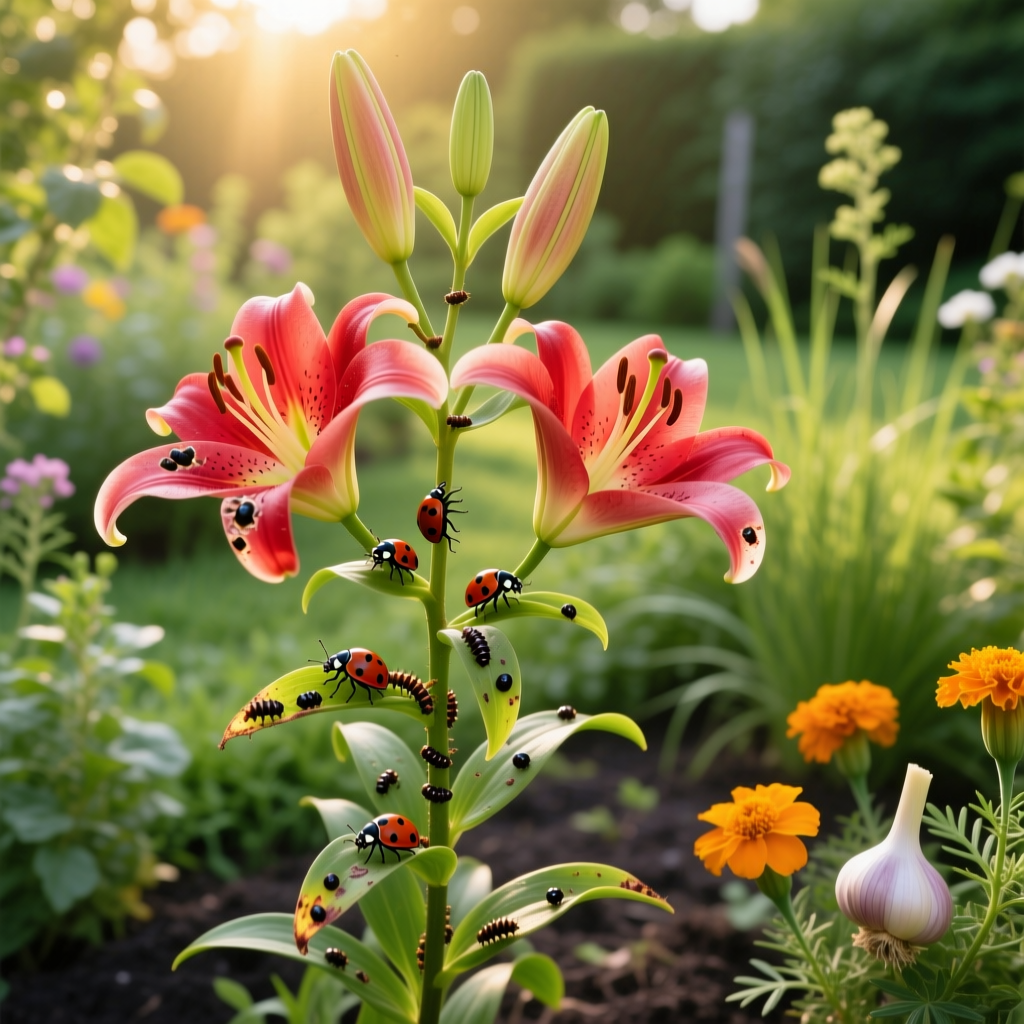
Organic Control Methods for Red Lily Leaf Beetles: A Complete Guide
Mike RodriguezPublished
Organic Control Methods for Red Lily Leaf Beetles
There are few sights more heartbreaking for a dedicated gardener than watching a prized lily garden get systematically devoured by pests. The red lily leaf beetle (Lilioceris lilii) is one of the most destructive and frustrating insects to plague ornamental gardens. Originally from Europe and Asia, this invasive pest has spread rapidly across North America, leaving a trail of skeletonized foliage and stunted blooms in its wake. For gardeners who prioritize ecological balance and the health of their local pollinators, reaching for harsh synthetic chemicals is rarely the first choice. Fortunately, there are highly effective organic control methods for red lily leaf beetles that can save your plants without compromising the environment.
Maintaining a thriving garden requires a holistic approach to pest management. Just as a robust turf relies on the principles outlined in our beginner's guide to lawn care, a healthy flower bed depends on proactive monitoring, strong soil ecology, and targeted organic interventions. In this comprehensive guide, we will explore the life cycle of the red lily leaf beetle, detail preventative cultural practices, and provide step-by-step organic solutions to eradicate these pests from your garden.
Identifying the Red Lily Leaf Beetle & Its Damage
Before you can effectively combat the red lily leaf beetle, you must understand how to identify it at every stage of its life cycle. These pests are highly specialized, primarily targeting true lilies (Lilium species) and fritillaries (Fritillaria species). Daylilies (Hemerocallis), despite their common name, are not true lilies and are generally ignored by this pest.
The Adult Beetle
Adult red lily leaf beetles are striking and relatively easy to spot, provided you are looking in the right places. They measure about 6 to 8 millimeters in length and feature a brilliant, scarlet-red body with a black head, antennae, legs, and underbelly. Unlike some other garden pests, such as the Japanese beetle (which you can learn more about in our guide to organic Japanese beetle control), the red lily leaf beetle does not have a metallic sheen. When disturbed, adults often drop to the ground and flip onto their backs, using their dark underbelly to camouflage against the soil and debris.
The Larvae and the "Frass Shield"
The larval stage is arguably the most destructive and the most visually repulsive. After hatching, the larvae are slug-like, soft-bodied, and pale yellow to orange. However, you will rarely see their true color. To protect themselves from predators and the sun, the larvae carry their own excrement (frass) on their backs, creating a dark, slimy, black shield. This frass shield is a brilliant evolutionary defense mechanism, but it makes the larvae look like moving blobs of black mud on your lily leaves. If you see black, slimy masses on the undersides of your lily leaves, you are looking at red lily leaf beetle larvae.
Eggs and Pupae
Adult females lay their eggs on the undersides of lily leaves. The eggs are tiny, elongated, and range in color from orange to reddish-brown. They are typically laid in irregular lines or clusters along the leaf veins. After feeding voraciously for a few weeks, the larvae drop to the soil to pupate. They form a cocoon in the top layer of the soil or leaf litter, emerging as adults a few weeks later to continue the cycle or overwinter, depending on the season.
Signs of Damage
The damage caused by Lilioceris lilii is severe. Both adults and larvae chew irregular holes and trenches in the leaves, often leaving only the veins behind—a process known as skeletonizing. If left unchecked, they will move on to the flower buds and stems, completely defoliating the plant. While a single season of defoliation may not kill an established lily bulb, it severely weakens the plant, preventing it from storing the energy required to survive the winter and bloom the following year.
Preventing Red Lily Leaf Beetle Infestations
The cornerstone of any successful organic pest management strategy is prevention. By making your garden less hospitable to overwintering adults and disrupting their life cycle, you can significantly reduce the need for active interventions later in the season. Prevention relies heavily on garden hygiene, strategic planting, and maintaining robust soil ecology.
Garden Sanitation and Overwintering Disruption
Red lily leaf beetles overwinter as adults in the soil, leaf litter, and garden debris near their host plants. They prefer sheltered, dry areas, often hiding in the loose soil or mulch at the base of the lilies. In late autumn and early spring, it is crucial to clean up all dead foliage, decaying plant matter, and excess mulch around your lily beds. By removing these hiding spots, you expose the overwintering adults to harsh weather conditions and predatory birds. Be sure to compost this debris in a hot compost pile or dispose of it off-site to ensure any hidden beetles are destroyed.
Selecting Resistant Lily Varieties
While no true lily is completely immune to the red lily leaf beetle, some varieties are significantly less palatable and suffer less damage. Asiatic lilies tend to be the most susceptible to severe infestations. Oriental lilies, Trumpet lilies, and certain species lilies (like Lilium henryi and Lilium regale) often show higher levels of tolerance and resistance. By diversifying your garden with these more resilient varieties, you can maintain a beautiful landscape even if beetle pressure is high in your area.
Companion Planting and Ecosystem Balance
A diverse garden is a resilient garden. Utilizing principles from companion planting basics, you can mask the scent of your lilies and attract beneficial predatory insects. Planting strong-smelling alliums (like garlic, chives, and ornamental onions) near your lilies can help confuse the foraging adult beetles. Furthermore, fostering a diverse ecosystem encourages the presence of ground beetles, spiders, and birds, all of which are natural predators of the red lily leaf beetle.
Promoting Soil and Plant Health
Pests are naturally drawn to stressed and weakened plants. Ensuring your lilies are planted in well-draining soil with the proper pH and nutrient profile will help them withstand and recover from minor pest damage. Focusing on improving soil health through the addition of organic compost and mycorrhizal fungi builds strong root systems and robust foliage that is less appealing to sap-sucking and leaf-chewing insects.
Effective Organic & DIY Control Methods
When prevention is not enough and the beetles arrive, it is time to deploy active organic control methods. The key to success is early detection and consistent application. Because the red lily leaf beetle reproduces quickly and feeds voraciously, a hands-on approach is mandatory for organic gardeners.
Manual Removal (Hand-Picking)
It may sound tedious, but hand-picking is the single most effective organic control method for red lily leaf beetles, especially in small to medium-sized gardens. Because the adults drop to the ground when startled, you must approach them carefully.
- The Soapy Water Trick: Fill a jar or container with water and a few drops of mild liquid dish soap. Hold the container directly beneath the beetle or larva on the leaf.
- Tap and Drop: Gently tap the leaf or the stem. The beetle's natural defense mechanism is to drop off the plant. By holding the soapy water below, the pest will fall directly into the solution and drown.
- Inspect the Undersides: Always check the undersides of the leaves for the black, slimy larvae and the orange egg clusters. You can crush the eggs between your fingers or wipe the larvae off into your soapy water jar.
- Daily Patrols: During the peak spring emergence, inspect your lilies daily. Consistency is the only way manual removal works.
Neem Oil Applications
Neem oil, derived from the seeds of the neem tree, is a powerful organic insecticide. The active compound, azadirachtin, acts as an antifeedant and a growth disruptor. When larvae ingest leaves treated with neem oil, their hormonal systems are disrupted, preventing them from molting and eventually causing them to starve.
To use neem oil effectively, you must thoroughly coat both the tops and bottoms of the lily leaves. Because neem oil breaks down quickly in sunlight, apply it in the early evening. This timing also protects beneficial pollinators, as the oil will dry overnight and become inert to bees by the next morning. Reapply every 5 to 7 days, or after heavy rainfall, during the peak larval feeding stage.
Spinosad
Spinosad is a natural substance made from a soil-dwelling bacterium (Saccharopolyspora spinosa) that was discovered in an abandoned rum distillery. It is highly effective against leaf-eating insects and is widely approved for organic gardening (look for the OMRI label). Spinosad works by affecting the insect's nervous system, causing paralysis and death within a day or two of ingestion or direct contact.
Like neem oil, spinosad is highly toxic to bees while it is wet. You must apply spinosad sprays in the late evening when bees are no longer foraging. Once the spray has dried on the foliage, it is generally safe for pollinators. Spinosad is particularly effective against the messy, frass-covered larvae, as it penetrates their defenses better than contact-only insecticides.
Diatomaceous Earth (DE)
Food-grade diatomaceous earth is a fine powder made from the fossilized remains of aquatic organisms called diatoms. On a microscopic level, DE is incredibly sharp. When crawling insects, including adult red lily leaf beetles and pupating larvae, cross the powder, it lacerates their exoskeletons, causing them to dehydrate and die.
Apply a light dusting of DE around the base of your lily plants and on the soil surface to intercept adults emerging from the soil or larvae dropping down to pupate. DE is completely organic and safe for humans and pets, but it loses its effectiveness when wet. You will need to reapply it after every rainstorm or heavy watering session.
Biological Controls and Beneficial Nematodes
In nature, the red lily leaf beetle is kept in check by parasitic wasps. In North America, researchers have introduced specific European parasitic wasps (such as Tetrastichus setifer) to help control wild populations. While you cannot easily buy these specific wasps, you can encourage native parasitic wasps and predatory insects by avoiding broad-spectrum pesticides and planting nectar-rich flowers like yarrow, dill, and sweet alyssum.
Additionally, applying beneficial nematodes to the soil around your lilies can help control the pupating stage. Similar to the methods used in nematodes for grub control, these microscopic worms seek out soil-dwelling pests and infect them with bacteria that kill the host. Apply nematodes to moist soil in late spring or early summer when the larvae are dropping to the ground to pupate.
When to Call Pest Control Professionals
While organic and DIY methods are highly effective for residential gardens, there are situations where the infestation may outpace your ability to manage it. If you maintain a large estate, a commercial landscape, or a botanical collection with hundreds of rare lilies, manual removal and spot treatments may not be feasible.
You should consider consulting a professional Integrated Pest Management (IPM) specialist if:
- The Infestation is Severe and Recurring: If you have tried hand-picking, neem oil, and spinosad for multiple seasons and the beetles continue to defoliate your garden, a professional can assess the broader ecological factors at play.
- Neighboring Properties are Neglected: Red lily leaf beetles can fly and easily migrate from neighboring, untreated properties. Professionals can help design barrier strategies and coordinate area-wide management plans.
- You Require Targeted Biological Releases: Some specialized pest control firms have access to commercial biological controls, including specific parasitic wasp releases and advanced microbial insecticides that are not available to the general public.
When hiring a professional, always specify that you want an organic or ecologically sensitive approach. A reputable IPM professional will prioritize soil health, biological controls, and targeted organic sprays over blanket applications of synthetic neonicotinoids, which can devastate local bee populations and disrupt the broader garden ecosystem.
Frequently Asked Questions
Do red lily leaf beetles kill the plant?
Rarely in the first year, but they can eventually. Red lily leaf beetles primarily consume the foliage, which prevents the plant from photosynthesizing. If a lily is completely defoliated, the bulb cannot store the energy it needs to survive the winter dormancy period. Repeated defoliation over two or three consecutive seasons will severely weaken the bulb, leading to stunted growth, a failure to produce flowers, and ultimately the death of the plant.
What plants do red lily leaf beetles eat?
These beetles are highly host-specific. They exclusively target true lilies (Lilium species), which include Asiatic, Oriental, Trumpet, and Tiger lilies, as well as fritillaries (Fritillaria species). They do not eat daylilies (Hemerocallis), calla lilies, lily of the valley, or peace lilies, as these plants belong to entirely different botanical families and do not contain the specific chemical compounds the beetles seek out.
Will neem oil kill red lily leaf beetles?
Neem oil is not typically an immediate "knockdown" contact poison for adult beetles, but it is highly effective at killing the larvae and disrupting the life cycle. When larvae feed on neem-treated leaves, the azadirachtin disrupts their hormonal systems, preventing them from molting and causing them to stop feeding and eventually die. For adults, neem oil acts as a strong antifeedant and repellent, making the leaves unpalatable and encouraging the beetles to move elsewhere.
How do I dispose of red lily leaf beetles and larvae?
The safest and most effective way to dispose of these pests is by dropping them into a sealed container filled with water and a few drops of dish soap. The soap breaks the surface tension of the water, ensuring the beetles and larvae sink and drown quickly. Once you have finished your garden patrol, you can safely pour the soapy water and dead pests into your compost bin or bury them in a deep hole away from your garden beds. Never simply toss them on the ground, as adults can easily crawl back onto the plants.
Do daylilies get red lily leaf beetles?
No. Despite the word "lily" in their common name, daylilies (Hemerocallis) are not true lilies. They belong to the family Asphodelaceae, whereas true lilies belong to the family Liliaceae. The red lily leaf beetle relies on specific chemical cues emitted by true lilies to locate their hosts. Because daylilies do not emit these cues, the beetles will completely ignore them. If you are frustrated by recurring red lily leaf beetle infestations and are looking for a low-maintenance alternative, replacing your true lilies with daylilies is a highly effective, long-term landscaping solution.