
Pest Control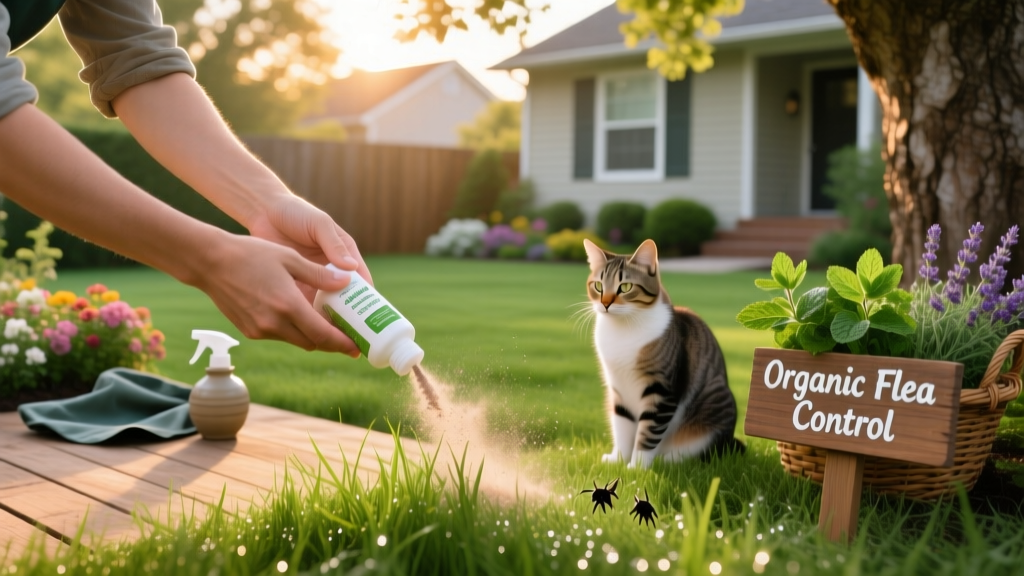
The Ultimate Home Remedy for Fleas: Organic Yard & Indoor Treatments
Flea infestations are notoriously difficult to eradicate because adult fleas represent only 5% of the total population in your environment. The remaining 95% consists of eggs, larvae, and pupae hiding in carpet fibers, lawn thatch, and soil. While synthetic pesticides like imidacloprid or fipronil offer quick knockdown, many homeowners are seeking a home remedy for fleas that avoids toxic residue around children and pets. Organic and chemical-free controls can be highly effective, but they require precise application timing, specific environmental conditions, and a multi-pronged approach targeting both the yard and the indoor environment.
The Flea Life Cycle: Why Most Home Remedies Fail
Before deploying any treatment, you must understand the biological bottlenecks of the flea life cycle. According to the Centers for Disease Control and Prevention (CDC), fleas undergo complete metamorphosis. The pupal stage is encased in a sticky, debris-covered cocoon that is entirely impervious to desiccants, soaps, and most chemical sprays. Pupae can remain dormant in your lawn or carpet for up to 150 days, waiting for the vibrations and carbon dioxide of a passing host. Therefore, a successful organic home remedy for fleas must focus on disrupting the larval stage and trapping emerging adults before they can reproduce.
Top Chemical-Free Outdoor Flea Controls
Your yard is the primary breeding ground. Treating the indoor environment is futile if pets continually track new fleas inside. Here are the three most effective organic outdoor treatments, ranked by efficacy.
1. Beneficial Nematodes (Steinernema carpocapsae)
Beneficial nematodes are microscopic, unsegmented worms that actively hunt and parasitize flea larvae in the soil. For flea control, the Steinernema carpocapsae species is the most effective. You can purchase a 10-million count sponge (which treats approximately 3,000 square feet) for $35 to $45 from specialized biological control suppliers.
- Application Protocol: Mix the sponge in a gallon of water and apply using a hose-end sprayer at dusk. UV light kills nematodes rapidly, so never apply during the day.
- Critical Failure Point: Soil temperature must be consistently above 55°F (12°C) for the nematodes to remain active. Applying them in early spring or late fall when the ground is cold will result in 100% mortality.
- Moisture Requirement: Water the lawn lightly before and after application. Nematodes require a film of water to swim through soil pores to reach their hosts.
2. Food-Grade Diatomaceous Earth (DE)
Diatomaceous earth is composed of amorphous silicon dioxide—the fossilized remains of diatoms. Under a microscope, DE particles look like shards of glass. When flea larvae crawl over it, the sharp edges abrade their waxy exoskeleton, causing them to die of dehydration. The Environmental Protection Agency (EPA) classifies DE as a minimum-risk pesticide when used correctly.
- Application Protocol: Apply 1 to 2 pounds per 1,000 square feet using a bulb duster. Target shaded areas under decks, around dog houses, and along fence lines where flea larvae thrive.
- Critical Failure Point: DE is completely useless when wet. If it rains or you irrigate the lawn, you must reapply. Furthermore, you must use Food-Grade DE, not pool-grade DE, which is chemically altered and poses severe inhalation risks.
3. Cedar Mulch
Fleas actively avoid areas treated with cedar due to the presence of thujone and other aromatic oils that are toxic to them. Spreading a 2-to-3-inch layer of cedar mulch in shaded garden beds and around the perimeter of your home creates a natural repellent barrier. Expect to pay $5 to $7 per 2-cubic-foot bag.
Outdoor Remedy Comparison Matrix
| Treatment | Target Stage | Cost (per 3,000 sq ft) | Longevity | Weather Sensitivity |
|---|---|---|---|---|
| Beneficial Nematodes | Larvae, Pupae | $35 - $45 | 1-2 months | High (Dies in drought/UV) |
| Food-Grade DE | Adults, Larvae | $15 - $20 | Until wet | Extremely High (Washes away) |
| Cedar Mulch | Adults (Repellent) | $40 - $60 | 3-6 months | Low (Needs occasional fluffing) |
Step-by-Step Indoor Home Remedy for Fleas
Once the perimeter and yard are secured, shift focus to the indoor environment. Vacuuming is your primary weapon; the University of California Integrated Pest Management (UC IPM) program notes that vigorous vacuuming removes up to 96% of adult fleas and stimulates pupae to emerge from their cocoons, exposing them to your treatments.
The Desiccant Carpet Treatment (Salt & Baking Soda)
To dehydrate flea eggs and larvae deep within carpet fibers, create a 1:1 mixture of finely ground table salt and baking soda.
- Grind the salt in a blender to create a fine powder (large grains will not penetrate the carpet base).
- Sprinkle the mixture heavily over carpets, pet bedding areas, and upholstered furniture.
- Use a stiff-bristled brush to work the powder down to the carpet backing.
- Leave the treatment undisturbed for 48 to 72 hours. The salt acts as a desiccant, drawing moisture out of the flea larvae.
- Vacuum thoroughly using a HEPA-filter vacuum, and immediately seal the vacuum bag in a plastic trash bag before placing it in an outdoor bin.
The DIY Thermal Flea Trap Blueprint
To catch emerging adults without chemicals, build a thermal light trap. Fleas are phototactic and thermotactic—they jump toward heat and light, mistaking it for a mammalian host.
DIY Trap Construction Specs
- Light Source: A desk lamp fitted with a 40-watt incandescent bulb or a 3000K (warm white) LED equivalent. Do not use cool-white LEDs; fleas do not respond well to blue-spectrum light.
- Catch Basin: A shallow, wide ceramic dish (at least 10 inches in diameter).
- Sticky Solution: Fill the dish with 1 inch of warm water and add exactly 3 drops of liquid dish soap (e.g., Dawn). The soap breaks the water's surface tension, causing jumping fleas to sink and drown instantly.
- Placement: Suspend the lamp exactly 12 inches above the dish. Run the trap overnight in infested rooms for 7 to 10 consecutive nights to break the emergence cycle.
CRITICAL WARNING: Essential Oils and Pet Toxicity
Many online blogs recommend using tea tree, eucalyptus, peppermint, or citrus essential oils as a home remedy for fleas. Do not use these if you have cats or dogs. Essential oils are highly concentrated and can cause severe hepatotoxicity (liver failure), respiratory distress, and central nervous system depression in pets, particularly cats, who lack the liver enzyme (glucuronosyltransferase) required to metabolize these compounds. Stick to mechanical traps, desiccants, and veterinary-approved oral preventatives for the animals themselves.
Ongoing Maintenance and Prevention Framework
An organic home remedy for fleas is only as good as the maintenance routine that follows it. To prevent reinfestation, implement these non-negotiable environmental controls:
- Lawn Mowing Height: Maintain your grass at exactly 2 to 2.5 inches. Flea larvae require high humidity and shade; cutting the grass shorter exposes the soil to UV light, which naturally desiccates the larvae.
- Leaf Litter Removal: Rake and remove all leaf litter, especially under shrubs and along north-facing fences where sunlight rarely penetrates.
- Thermal Washing: Wash all pet bedding, throw blankets, and removable slipcovers in water that is at least 140°F (60°C) for a minimum of 10 minutes. Lower temperatures will not kill flea eggs.
- Wildlife Deterrence: Opossums, raccoons, and feral cats are primary flea vectors. Secure trash cans with bungee cords and install motion-activated sprinklers to keep wildlife out of your treated yard.
"The key to organic flea management is patience and consistency. Because you are relying on environmental manipulation and biological controls rather than instant-kill neurotoxins, it will take 14 to 21 days to see a total collapse of the flea population. Stick to the nematode and trap protocols, and the life cycle will break."

