
Pest Control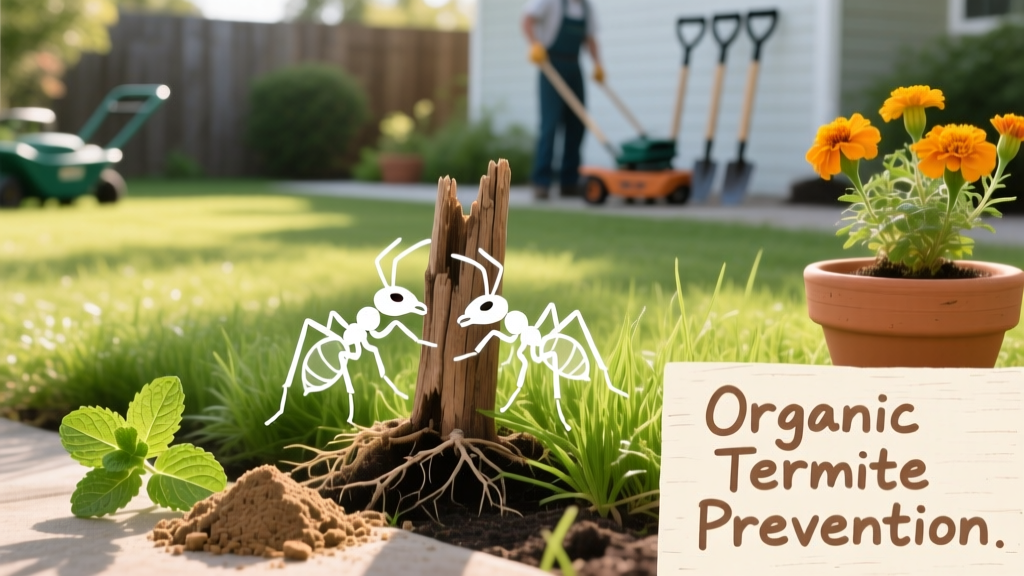
Home Remedy for White Ants: Organic Termite Prevention & Control
The "White Ant" Misconception: What You Are Actually Fighting
Before mixing any organic treatments, it is critical to address a widespread entomological myth: white ants do not exist. When homeowners search for a home remedy for white ants, they are actually dealing with termites. Termites belong to the order Blattodea (closely related to cockroaches), whereas true ants belong to Formicidae. The pale, translucent bodies of termite workers earn them the "white ant" colloquialism, but their biology, feeding habits, and colony structures require entirely different management strategies.
According to the U.S. Environmental Protection Agency (EPA), termites cause billions of dollars in structural damage annually. Subterranean termites build massive underground colonies and travel via mud tubes, while drywood termites nest directly inside the timber they consume. Organic and chemical-free remedies are highly effective for perimeter defense, soil inoculation, and localized drywood spot-treatments, but they require precise application to disrupt the colony's lifecycle.
Top 3 Organic Home Remedies for Termites
Relying on vinegar or baking soda will not stop a termite infestation. To achieve genuine information gain and protect your property, you must use scientifically backed organic compounds that target termite biology. Here are the three most effective chemical-free treatments available to homeowners.
1. Beneficial Nematodes (Heterorhabditis bacteriophora)
Beneficial nematodes are microscopic, unsegmented roundworms that actively hunt and parasitize soil-dwelling insects. For subterranean termites, the Heterorhabditis bacteriophora (Hb) species is the most effective because it penetrates deeper into the soil profile than other varieties. Once a nematode enters a termite worker, it releases symbiotic bacteria (Photorhabdus luminescens) that kills the host within 48 hours. The nematodes then reproduce inside the carcass and emerge to hunt the next target.
- Application Rate: 25,000 to 35,000 nematodes per square foot of soil.
- Cost: Approximately $35 to $50 for a package of 10 million nematodes (covers roughly 300-400 sq ft).
- Critical Failure Point: Nematodes die rapidly if exposed to UV light or applied to soil below 60°F (15°C). They must be applied at dusk and watered into the soil immediately.
2. Food-Grade Diatomaceous Earth (DE) Barriers
Diatomaceous earth is composed of the fossilized remains of diatoms (aquatic organisms). Under a microscope, DE looks like shards of glass. When termites crawl through a DE barrier, the microscopic silica shards scratch their waxy exoskeleton, causing them to dehydrate and die. You must use OMRI-listed, food-grade amorphous silica, never pool-grade DE (which is chemically treated and toxic to humans and pets).
- Mesh Size: Ensure the DE is milled to less than 10 microns for maximum exoskeleton penetration.
- Application: Create a continuous barrier 2 inches wide and 1/2 inch thick along the perimeter of your foundation, fence posts, and garden beds.
- Critical Failure Point: DE is completely inert and harmless when dry, but loses all efficacy when wet. It must be reapplied after heavy rainfall or irrigation.
3. D-Limonene (Orange Oil) Spot Treatments
D-Limonene, extracted from orange rinds, is a potent biological solvent that dissolves the exoskeletons of drywood termites and destroys their eggs. This remedy is strictly for drywood termites localized in accessible wood (e.g., fascia boards, window frames, or detached garden structures). It does not work on subterranean termites because it cannot reach the underground queen.
- Concentration: Use a commercial orange oil product containing at least 90% D-Limonene (e.g., XT-2000 or similar professional-grade extracts).
- Application Method: Drill 3/8-inch holes every 6 inches in a grid pattern across the infested wood. Inject 2 to 3 ml of orange oil into each hole using a syringe or specialized injection tip, then seal the holes with wood putty.
- Cost: $40 to $60 per gallon of 92% D-Limonene extract.
Organic Remedy Comparison Matrix
| Organic Remedy | Target Termite Type | Mechanism of Action | Longevity / Reapplication |
|---|---|---|---|
| Beneficial Nematodes (Hb) | Subterranean | Parasitic bacterial infection | Annual (Spring/Fall) |
| Diatomaceous Earth | Subterranean & Drywood | Mechanical exoskeleton laceration | After every rainfall |
| D-Limonene (Orange Oil) | Drywood Only | Chemical exoskeleton dissolution | One-time spot treatment |
| Vetiver Grass / Cedar Mulch | Subterranean | Olfactory repellent / feeding deterrent | Mulch replaced every 2-3 years |
Step-by-Step: Applying a Nematode Soil Drench
To successfully establish a biological barrier against subterranean termites using nematodes, follow this precise protocol. The USDA Forest Service notes that subterranean termites forage in the top 12 to 18 inches of soil, making this the critical treatment zone.
- Check Soil Temperature: Use a soil probe thermometer. The temperature at a 3-inch depth must be between 60°F and 85°F. If it is too cold, the nematodes will remain dormant; if too hot, they will die.
- Pre-Water the Area: Water the target soil thoroughly one hour before application. Nematodes require a moist film to swim through the soil pores and locate their hosts.
- Mix the Solution: Empty the nematode sponge or powder into a 5-gallon bucket of cool, distilled, or dechlorinated water. (Chlorine in tap water will kill them; let tap water sit uncovered for 24 hours if distilled is unavailable).
- Apply via Hose-End Sprayer: Use a sprayer with the filter screen removed to prevent clogging. Spray evenly over the soil surface near the foundation, wooden fence posts, and garden edging.
- Water-In Immediately: Follow up with a gentle 1/4 inch of irrigation to wash the nematodes off the grass blades and deep into the soil profile where termites forage.
⚠️ Structural Warning: While organic remedies are excellent for perimeter defense and localized drywood spot-treatments, they cannot eradicate a mature subterranean colony nested deep underground. If you observe active mud tubes on your foundation, discarded swarmer wings on windowsills, or hollow-sounding structural timbers, consult a licensed pest control professional immediately to prevent catastrophic home damage.
Landscaping Adjustments to Starve the Colony
Chemical-free termite control extends beyond direct treatments; it requires altering the microclimate of your yard to make it inhospitable to foraging workers.
- Switch to Cedar or Cypress Heartwood Mulch: Termites feed on cellulose, but they actively avoid the natural resins and oils found in the heartwood of cedar and cypress. Keep all mulch at least 6 inches away from your home's siding and foundation.
- Plant Vetiver Grass (Chrysopogon zizanioides): Vetiver roots contain nootkatone, a natural compound that acts as a powerful termite repellent. Planting a dense border of vetiver grass around your property creates a biological "no-go" zone for foraging subterranean workers.
- Fix Grading and Moisture Issues: Termites require high moisture levels to survive. Ensure your yard slopes away from the foundation at a minimum grade of 1/4 inch per foot. Repair leaking outdoor spigots and ensure downspouts discharge at least 4 feet away from the house.
Frequently Asked Questions
Can I use borax powder as a home remedy for white ants?
Yes, sodium borate (borax) is an effective organic stomach poison for termites. However, it is incredibly difficult to get foraging termites to ingest a sufficient dose in an outdoor lawn setting. Borax is best used as a preventative wood treatment (like Tim-Bor) applied directly to bare, unfinished lumber in crawl spaces or sheds, rather than as a soil drench.
Will flooding my yard drown a termite colony?
No. Subterranean termites are highly adapted to survive temporary flooding. They can seal off their galleries and survive underwater for several days by entering a state of reduced metabolic activity. Flooding your yard will likely damage your lawn's root system and cause foundation settling without eradicating the termite colony.
How do I know if my organic barrier is working?
Monitor your perimeter using untreated wooden stakes (pine or spruce). Bury 6-inch stakes flush with the soil every 10 feet around your property. Inspect them every 30 days. If the stakes remain unblemished, your organic barrier and landscaping adjustments are successfully deterring foraging termites.

