
Pest Control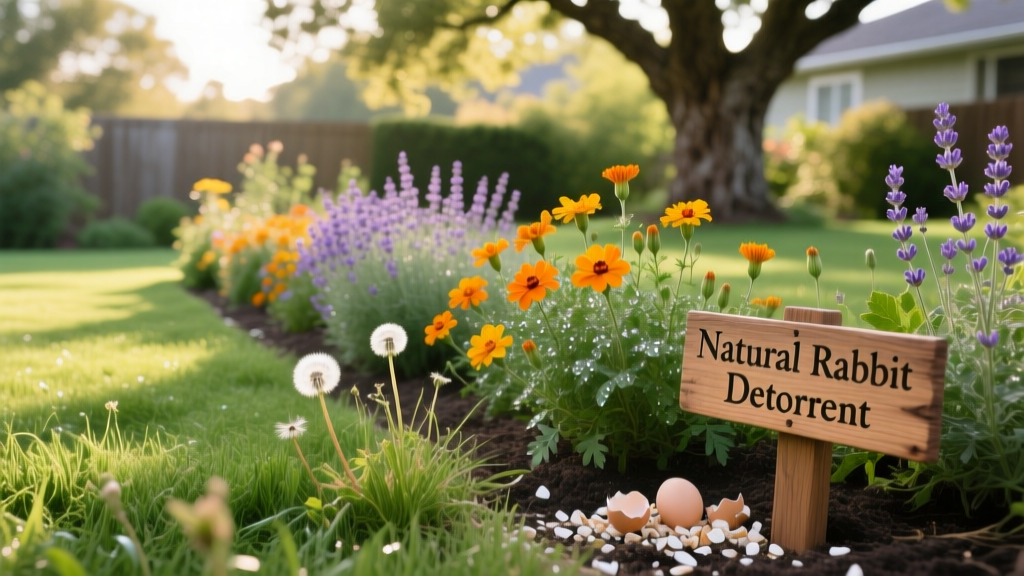
Effective Natural Rabbit Deterrent Strategies for Organic Yards
Eastern cottontails (Sylvilagus floridanus) and jackrabbits can consume up to one pound of vegetation per day, decimating young shoots, hostas, and vegetable crops in a matter of hours. For homeowners committed to organic landscaping, relying on synthetic chemical repellents or lethal trapping is neither desirable nor environmentally sound. Implementing a highly effective natural rabbit deterrent strategy requires a multi-layered approach that targets the animal's foraging psychology, physical access, and olfactory senses without disrupting the local ecosystem.
The Mechanics of Rabbit Foraging and Neophobia
To deter rabbits organically, you must understand how they select food. Rabbits are crepuscular, feeding primarily at dawn and dusk. They rely heavily on their olfactory senses to detect predators and assess plant toxicity. Furthermore, rabbits exhibit neophobia—a fear of new objects and sudden environmental changes. This behavioral trait is the foundational mechanism behind why sudden introduction of scent-based organic repellents and physical obstacles works so effectively in the short term.
Seasonal Diet Shift Data:
Spring/Summer: 85% herbaceous plants, grasses, clover, and garden vegetables.
Fall/Winter: Transition to woody stems, tree bark (especially young fruit trees), and twigs. Deterrent strategies must shift from foliar sprays to trunk guards in late October.
Spring/Summer: 85% herbaceous plants, grasses, clover, and garden vegetables.
Fall/Winter: Transition to woody stems, tree bark (especially young fruit trees), and twigs. Deterrent strategies must shift from foliar sprays to trunk guards in late October.
Engineering the L-Footer Physical Barrier
While sprays and scent deterrents require constant reapplication, physical exclusion provides a permanent, chemical-free solution. The most critical mistake homeowners make is installing standard vertical fencing. Rabbits will simply dig underneath it. The industry standard for organic farms and serious gardeners is the L-Footer configuration.
Step-by-Step L-Footer Installation
- Material Selection: Purchase 1-inch hexagonal mesh, 16-gauge galvanized steel chicken wire. Avoid 2-inch mesh, as juvenile kits can squeeze through. Expect to pay between $1.50 and $2.25 per linear foot in 2026.
- Height and Trenching: The fence must stand at least 24 inches above ground to prevent jumping. Dig a shallow trench 6 inches deep and 6 inches wide extending outward from the garden perimeter.
- The 'L' Bend: Bend the bottom 6 inches of the wire at a strict 90-degree angle outward (away from the garden). Bury this horizontal flange in the trench and cover with soil and mulch.
- Gate Sealing: Rabbits will exploit a 2-inch gap under a gate. Install a sweep seal or a hinged wire apron at all entry points.
Olfactory and Gustatory Repellents: A Comparison
When physical barriers are impractical for large ornamental borders, organic repellents are the next line of defense. These work by emitting odors that mimic predator presence or by coating foliage in bitter, irritating compounds. According to wildlife management guidelines from the University of Minnesota Extension, repellents are most effective when applied before damage begins and rotated to prevent habituation.
| Repellent Type | Active Ingredients | Reapplication Interval | OMRI Listed? |
|---|---|---|---|
| Putrescent Egg Solids (e.g., Liquid Fence) | Putrescent whole egg solids, garlic | Every 3-4 weeks, or after 1 inch of rain | Yes |
| DIY Capsaicin/Garlic Spray | Allicin, Capsaicin (30k+ SHU) | Every 7-10 days, or after heavy dew/rain | Yes (DIY) |
| Predator Urine (Coyote/Fox) | Urine-derived kairomones | Every 2 weeks (scent tags must be refreshed) | Varies |
High-Efficacy DIY Organic Spray Recipe
Commercial sprays can cost $25 to $40 per gallon. For large properties, formulate a high-potency organic deterrent at home. Combine 2 tablespoons of crushed raw garlic (allow it to sit for 10 minutes to maximize allicin release), 1 tablespoon of cayenne pepper powder (minimum 30,000 Scoville Heat Units), and 1 teaspoon of biodegradable castile soap (acting as a surfactant to break leaf surface tension) per gallon of water. Steep for 48 hours, strain through a 200-micron mesh bag to prevent sprayer nozzle clogging, and apply liberally to the upper and lower leaf surfaces.
Botanical Defense: Resistant vs. Susceptible Flora
The Internet Center for Wildlife Damage Management (ICWDM) notes that no plant is entirely 'rabbit-proof' under extreme starvation conditions, but many species possess natural chemical defenses—such as high alkaloid content, fuzzy trichomes, or potent essential oils—that rabbits actively avoid.
Highly Susceptible Plants (Require Protection)
- Vegetables: Beans, peas, beets, carrots, and leafy greens.
- Ornamentals: Hostas (Hosta spp.), Tulips (Tulipa spp.), Pansies, and Black-eyed Susans.
- Shrubs: Young roses and smooth-barked hydrangeas.
Highly Resistant Plants (Strategic Perimeter Planting)
- Herbaceous: Alliums, Lavender (Lavandula angustifolia), Yarrow, and Russian Sage.
- Bulbs: Daffodils (Narcissus spp.) contain toxic lycorine, making them completely unpalatable.
- Shrubs: Boxwood, Butterfly Bush (Buddleja davidii), and Potentilla.
Troubleshooting Common Organic Deterrent Failures
If rabbits are still damaging your organic garden despite your efforts, evaluate the following failure modes:
Diagnostic 1: The Spray Stopped Working After Two Weeks
Cause: Habituation or UV degradation. Rabbits quickly learn that a scent without a physical threat is a false alarm.
Fix: Rotate the active ingredient. Switch from a putrescent egg-based spray to a capsaicin-based spray, or introduce a granular garlic/blood meal perimeter barrier. Never use the exact same formulation for more than two consecutive months.
Cause: Habituation or UV degradation. Rabbits quickly learn that a scent without a physical threat is a false alarm.
Fix: Rotate the active ingredient. Switch from a putrescent egg-based spray to a capsaicin-based spray, or introduce a granular garlic/blood meal perimeter barrier. Never use the exact same formulation for more than two consecutive months.
Diagnostic 2: Bark Stripping on Winter Shrubs
Cause: Foliar sprays are useless in winter when rabbits shift to woody browse, and snow cover buries lower fencing.
Fix: Install rigid, white corrugated plastic tree guards or wrap trunks with 1/4-inch hardware cloth. Ensure the guard extends 18 inches above the maximum anticipated snow line in your hardiness zone, not just the current ground level.
Cause: Foliar sprays are useless in winter when rabbits shift to woody browse, and snow cover buries lower fencing.
Fix: Install rigid, white corrugated plastic tree guards or wrap trunks with 1/4-inch hardware cloth. Ensure the guard extends 18 inches above the maximum anticipated snow line in your hardiness zone, not just the current ground level.
Habitat Modification: Removing the Safe Harbor
A natural rabbit deterrent strategy is incomplete if your yard provides ideal nesting habitat. Cottontails rarely travel more than 5 to 10 acres for their entire lives. By eliminating safe harbors, you force them to forage in exposed areas where natural avian predators (hawks and owls) dictate their behavior. Clear brush piles, tall weed patches, and abandoned groundhog burrows. If you have a deck or shed, seal gaps larger than 3 inches with heavy-gauge welded wire mesh to prevent does from establishing nesting chambers beneath your structures.
By combining the structural permanence of an L-footer fence, the biological disruption of rotating organic sprays, and the strategic use of alkaloid-rich flora, you can maintain a thriving, chemical-free landscape that naturally repels rabbit populations year-round.

