
Pest Control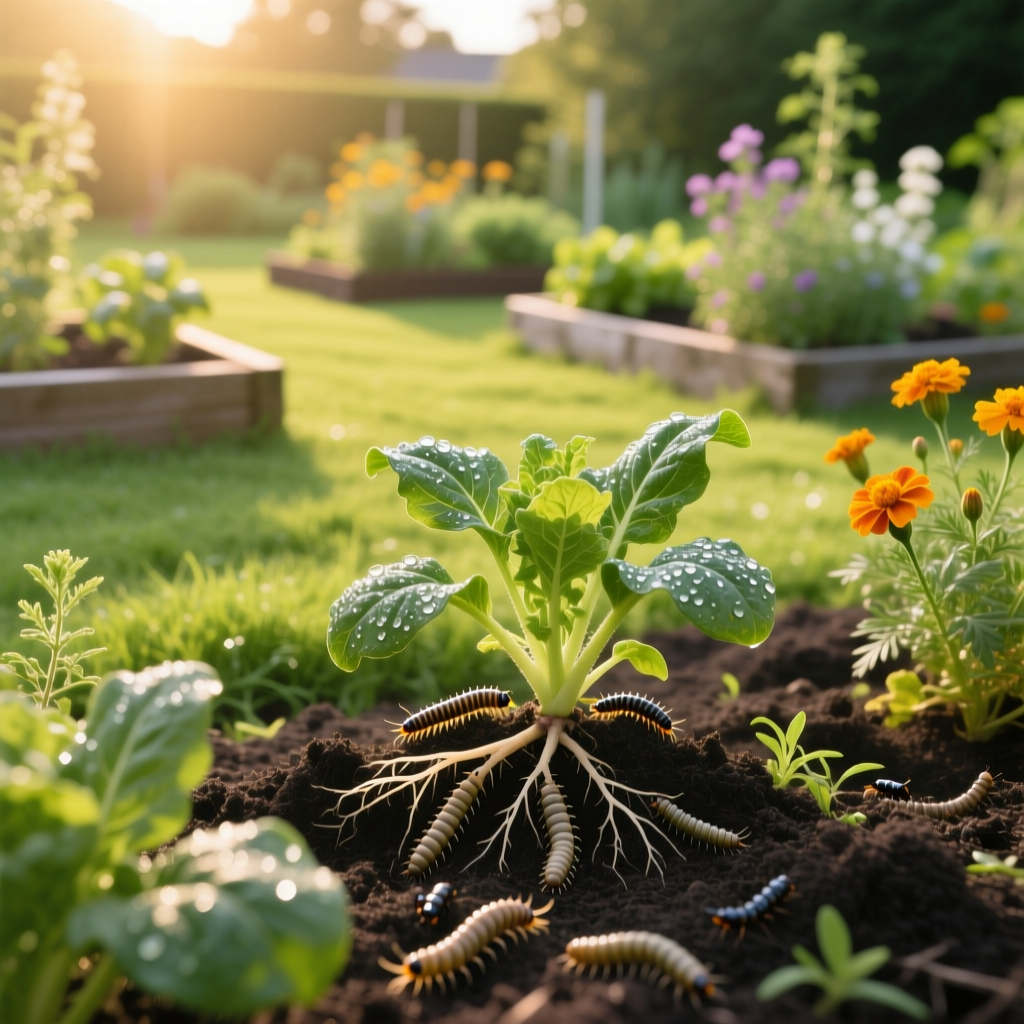
Organic Root Maggot Control for Vegetable Gardens: A Complete Guide
David ParkPublished
Root maggots are among the most destructive underground pests that home gardeners face when growing vegetables. These small, legless larvae burrow into the roots and stems of your plants, causing wilting, stunted growth, and often total crop loss. If you have ever pulled up a radish or carrot riddled with slimy tunnels, you have likely encountered the damage caused by root maggots.
The good news is that you do not need harsh chemical pesticides to fight these pests. Organic root maggot control is not only possible but often more effective in the long run because it builds healthier soil and avoids harming beneficial insects. In this comprehensive guide, we will walk you through everything you need to know about identifying, preventing, and eliminating root maggots from your vegetable garden using safe, natural methods.
Whether you are growing brassicas, root vegetables, or alliums, understanding the life cycle and habits of root maggots is the first step toward protecting your harvest. Let us dig in and explore the best organic strategies to keep your garden thriving.
What Are Root Maggots and How to Identify Them
Root maggots are the larval stage of several species of small flies belonging to the family Anthomyiidae. The most common culprits in home vegetable gardens include the cabbage maggot (Delia radicum), the seedcorn maggot (Delia platura), and the onion maggot (Delia antiqua). Each species targets specific plant families, but their appearance and behavior are remarkably similar.
Physical Description
Adult root maggot flies are small, grayish-brown insects that resemble tiny houseflies, typically measuring about one-quarter of an inch in length. The larvae, which are the damaging stage, are white to creamy-yellow, legless, and roughly one-quarter to one-third of an inch long when fully grown. They have a tapered, cylindrical body with a pointed head end and a blunt rear end.
Signs of Root Maggot Damage
Identifying root maggot damage early is critical to saving your plants. Look for the following warning signs in your vegetable garden:
- Wilting during the day: Plants may wilt even when the soil is adequately moist, particularly during warm, sunny periods. This happens because the larvae have damaged the root system, reducing the plant's ability to take up water.
- Yellowing or purpling leaves: Lower leaves may turn yellow or develop a purplish tint, indicating nutrient stress caused by root damage.
- Stunted growth: Infested plants grow noticeably slower than healthy neighbors and may appear generally unthrifty.
- Tunnels in roots: When you pull up affected plants, you will see slimy, brown tunnels running through the roots and lower stems. These tunnels are often filled with frass (insect waste) and may be accompanied by secondary rot.
- Plant collapse and death: In severe infestations, young seedlings and transplants can be killed outright as the maggots sever the root system entirely.
Plants Most Vulnerable to Root Maggots
Different root maggot species prefer different host plants. Understanding which crops are at risk helps you focus your prevention efforts:
- Cabbage maggots target brassicas including broccoli, cauliflower, cabbage, kale, Brussels sprouts, turnips, and radishes.
- Seedcorn maggots attack germinating seeds and young seedlings of corn, beans, peas, squash, and cucumbers.
- Onion maggots feed on onions, garlic, leeks, and shallots.
If you are also dealing with other garden pests, check out our complete pest control guides for organic solutions to a wide range of common garden problems.
Understanding the Root Maggot Life Cycle
To effectively control root maggots organically, you need to understand their life cycle and time your interventions accordingly. Root maggots go through four distinct stages: egg, larva, pupa, and adult.
Egg Stage
Adult flies emerge from the soil in early spring when soil temperatures reach approximately 50°F (10°C). Females lay their small, white, oval-shaped eggs in the soil near the base of host plants, often in cracks or just beneath the soil surface. A single female can lay between 50 and 200 eggs over her lifetime. Eggs typically hatch within three to seven days, depending on temperature and moisture conditions.
Larval Stage
Once hatched, the tiny larvae immediately begin feeding on root hairs, small roots, and eventually tunnel into larger roots and stems. This is the most damaging stage and typically lasts two to four weeks. The larvae feed continuously, creating the characteristic tunnels that gardeners discover when they harvest affected crops. During cool, wet springs, larval activity and damage tend to be most severe.
Pupal Stage
After completing their feeding phase, the larvae migrate away from the damaged roots and form reddish-brown, barrel-shaped pupae in the surrounding soil. The pupal stage lasts approximately two to four weeks. In many regions, root maggots complete two to four generations per growing season, with the first spring generation usually causing the most damage.
Overwintering
Root maggots overwinter as pupae in the soil, typically at depths of two to five inches. They remain dormant throughout the winter and emerge as adult flies the following spring. This overwintering behavior is why crop rotation and soil management are such powerful tools in organic root maggot control.
Healthy soil biology can help suppress root maggot populations naturally. Learn more about building resilient soil in our soil health and lawn care guides.
Prevention Strategies for Organic Root Maggot Control
Prevention is always the most effective and economical approach to pest management. By making your garden less attractive and accessible to root maggot flies, you can dramatically reduce infestation levels without ever needing to apply a treatment. Here are the most reliable organic prevention strategies.
Use Floating Row Covers
Floating row covers are lightweight, spun-bonded fabric barriers that you drape over your crops immediately after planting or transplanting. The fabric allows sunlight, rain, and air to pass through while physically blocking adult flies from reaching the soil surface to lay eggs. This single technique is arguably the most effective organic prevention method available.
To use row covers effectively:
- Install covers immediately after seeding or transplanting, before adult flies become active.
- Secure all edges tightly with soil, rocks, or landscape pins so flies cannot crawl underneath.
- Remove covers when plants begin flowering if they require insect pollination, though most root and brassica crops do not need pollination for harvest.
- Inspect plants regularly under the covers to ensure no pests have been trapped inside.
Practice Crop Rotation
Because root maggots overwinter as pupae in the soil near where host plants grew the previous season, planting the same crop family in the same bed year after year guarantees escalating populations. Rotate brassicas, alliums, and other susceptible crops to a different garden bed each season, ideally with at least a three-year interval before returning to the original location. This breaks the life cycle by ensuring that emerging adult flies find no suitable host plants nearby.
Time Your Plantings Carefully
Root maggot flies are most active during cool, moist spring weather. By delaying planting until soil temperatures have warmed significantly (above 65°F or 18°C), you can often avoid the peak egg-laying period of the first generation. For crops like beans, corn, and squash, waiting until late spring or early summer to plant can help you sidestep seedcorn maggot damage entirely.
Starting seeds indoors and transplanting sturdy, well-established seedlings rather than direct-seeding also gives plants a head start that makes them more resilient to early maggot feeding.
Improve Soil Drainage and Avoid Excess Organic Matter
Root maggot flies are attracted to the scent of decaying organic matter. Freshly incorporated manure, green manures, or large amounts of undecomposed compost can draw egg-laying females to your garden beds. To reduce this attraction:
- Use only fully finished, well-aged compost in your vegetable beds.
- Avoid tilling large amounts of fresh organic matter into the soil just before planting.
- Ensure good soil drainage, as waterlogged conditions favor maggot survival and increase the odors that attract adult flies.
- Consider improving your overall drainage solutions if your garden tends to stay wet.
Deploy Yellow Sticky Traps
Yellow sticky traps placed just above the soil surface near susceptible crops can capture adult flies before they lay eggs. While sticky traps alone will not eliminate a population, they serve as a useful monitoring tool that tells you when flies are active and whether your other prevention measures are working. Place traps at the beginning of the growing season and check them weekly.
Encourage Beneficial Insects and Organisms
A diverse garden ecosystem includes natural enemies of root maggots. Ground beetles, rove beetles, and certain species of parasitic wasps prey on root maggot eggs and larvae. To encourage these beneficial organisms:
- Avoid broad-spectrum pesticides that kill beneficial insects alongside pests.
- Plant diverse flowering plants around your garden borders to provide nectar and habitat for predatory insects.
- Maintain some areas of undisturbed soil and leaf litter where ground beetles can shelter.
- Apply beneficial nematodes (discussed below) to introduce microscopic predators directly into the soil.
Building a balanced garden ecosystem also supports a healthier lawn. Explore our lawn care tips for maintaining a thriving landscape alongside your vegetable garden.
DIY Organic Treatments and Remedies for Active Infestations
If prevention measures have not been enough and you discover an active root maggot infestation, several organic treatments can help you regain control. These methods target larvae in the soil and can be used in combination for maximum effectiveness.
Beneficial Nematodes (Steinernema feltiae and Heterorhabditis bacteriophora)
Beneficial nematodes are microscopic, soil-dwelling roundworms that actively seek out and infect root maggot larvae. Once inside the larva, the nematodes release bacteria that kill the host within 24 to 48 hours. The nematodes then reproduce inside the dead larva and emerge to hunt for new prey.
To apply beneficial nematodes effectively:
- Purchase fresh nematodes from a reputable supplier and store them in the refrigerator until use.
- Apply nematodes in the early morning or late evening when soil temperatures are between 55°F and 85°F (13°C to 29°C).
- Mix the nematodes with water according to package directions and apply using a watering can, hose-end sprayer, or backpack sprayer.
- Water the soil thoroughly before and after application to help nematodes move through the soil profile.
- Reapply every two to three weeks during peak maggot activity for continuous protection.
Beneficial nematodes are among the safest and most effective biological controls available. They pose no risk to humans, pets, earthworms, or plants, and they can significantly reduce root maggot populations within a single growing season.
Diatomaceous Earth
Food-grade diatomaceous earth (DE) is a fine powder made from the fossilized remains of microscopic algae called diatoms. When applied to the soil surface around the base of plants, DE creates a sharp, abrasive barrier that damages the soft bodies of adult flies and newly hatched larvae as they come into contact with it.
Application tips for diatomaceous earth:
- Apply a generous ring of DE around the base of each plant, extending two to three inches outward from the stem.
- Reapply after every rainfall or overhead irrigation, as DE loses its effectiveness when wet.
- Use only food-grade DE, not the pool-grade variety, which has been chemically treated and is unsafe for garden use.
- Wear a dust mask when applying to avoid inhaling fine particles.
Wood Ash and Crushed Eggshells
Traditional gardeners have long used wood ash and crushed eggshells as soil surface barriers against root maggot flies. The theory is that the alkaline, abrasive texture discourages egg-laying females. While scientific evidence for their effectiveness is limited compared to row covers and nematodes, many experienced gardeners report good results when these materials are applied generously and consistently.
- Sprinkle a thin layer of cooled, sifted wood ash around the base of susceptible plants.
- Crush eggshells into small, sharp fragments and scatter them in a ring around seedlings.
- Reapply after rain or heavy watering.
- Avoid using excessive wood ash, as it can raise soil pH significantly over time.
Neem Oil Soil Drench
Neem oil, extracted from the seeds of the neem tree (Azadirachta indica), contains azadirachtin, a compound that disrupts insect feeding, growth, and reproduction. While neem oil is more commonly used as a foliar spray against above-ground pests, a soil drench can affect root maggot larvae feeding near the surface.
To prepare a neem oil soil drench:
- Mix one to two tablespoons of cold-pressed neem oil with one gallon of warm water and a few drops of mild liquid soap as an emulsifier.
- Water the solution into the soil around affected plants, targeting the root zone.
- Repeat applications every seven to fourteen days during active infestations.
- Avoid applying neem oil during the hottest part of the day to prevent potential root stress.
Spinosad-Based Products
Spinosad is a naturally derived insecticide produced by the soil bacterium Saccharopolyspora spinosa. It is approved for use in organic gardening by the Organic Materials Review Institute (OMRI). Spinosad can be applied as a soil drench to target root maggot larvae, and it also has activity against adult flies when used as a bait spray.
- Follow label directions carefully for dilution rates and application timing.
- Apply spinosad drenches at the first sign of damage or when monitoring traps indicate adult fly activity.
- Avoid applying spinosad when bees are actively foraging, as it is toxic to bees when wet. Apply in the evening after bees have returned to their hives.
- Rotate spinosad with other control methods to prevent potential resistance development.
Homemade Garlic and Hot Pepper Spray
A pungent homemade spray made from garlic and hot peppers can act as a repellent that discourages adult flies from laying eggs near treated plants. While this will not kill larvae already in the soil, it can reduce new egg-laying when applied regularly.
- Blend two to three whole garlic bulbs and four to six hot peppers with two cups of water.
- Strain the mixture through cheesecloth and dilute with one gallon of water.
- Add a few drops of liquid soap to help the solution adhere to soil and plant surfaces.
- Spray around the base of susceptible plants every five to seven days and after rain.
For more organic pest management techniques that work across your entire garden, visit our organic garden pest spray recipes page.
When to Call a Professional for Root Maggot Problems
Most home gardeners can manage root maggot problems effectively with the organic methods described above. However, there are situations where professional assistance becomes valuable or even necessary.
Severe, Repeated Infestations
If you have tried row covers, crop rotation, beneficial nematodes, and other organic methods for two or more consecutive seasons and still experience devastating root maggot damage, a professional pest management specialist can help. They have access to advanced diagnostic tools that can identify the exact maggot species affecting your garden and can design a comprehensive integrated pest management (IPM) plan tailored to your specific conditions.
Large-Scale or Commercial Operations
If you are growing vegetables on a larger scale for farmers markets, CSA programs, or commercial sale, the economic threshold for root maggot damage is much lower. A professional consultant can help you implement monitoring protocols, degree-day models for predicting fly emergence, and treatment schedules that protect your livelihood while maintaining organic certification.
Soil Health and Diagnosis Issues
Sometimes, what appears to be a root maggot problem is actually a combination of factors including poor drainage, soil compaction, nutrient deficiencies, or disease. A professional soil scientist or extension agent can conduct thorough soil tests and root analyses to confirm the diagnosis and recommend targeted solutions. If your lawn or garden soil needs professional evaluation, our soil testing guide can help you get started.
Signs You Should Seek Professional Help
- More than 50 percent of your susceptible crops are damaged despite prevention efforts.
- You are unable to identify the pest or the source of damage with confidence.
- Root maggots are spreading to previously unaffected areas of your garden or property.
- You need to comply with organic certification requirements and want expert guidance on approved treatments.
- Your garden has a history of multiple soil-borne pest problems that suggest an underlying ecosystem imbalance.
Remember that calling a professional is not a sign of failure. It is a smart investment that can save you time, money, and frustration while ensuring that your garden returns to full productivity as quickly as possible.
Frequently Asked Questions About Organic Root Maggot Control
Can root maggots spread to my lawn or ornamental plants?
Root maggots primarily target vegetable crops in the brassica, allium, and cucurbit families. They are unlikely to cause significant damage to established lawn grasses or most ornamental plants. However, some species may occasionally feed on the roots of ornamental bulbs or wild mustard family weeds. Maintaining a healthy, well-maintained lawn through proper lawn maintenance helps reduce habitat for adult flies and keeps your entire landscape resilient against pest pressure.
Do root maggots survive in compost piles?
Root maggot pupae can potentially survive in cool compost piles that do not reach high enough temperatures to kill them. To minimize this risk, ensure your compost pile reaches internal temperatures of at least 140°F (60°C) for several days during the active decomposition phase. Turn the pile regularly to expose all material to heat, and avoid adding heavily infested plant roots directly to your compost. If you are unsure whether your compost is hot enough, consider solarizing infested plant material in a sealed black plastic bag for several weeks before adding it to the pile.
Are root maggots harmful to humans or pets?
Root maggots are not harmful to humans or pets. They do not bite, sting, or transmit diseases. The primary concern is the damage they cause to food crops. Vegetables that have been tunneled by root maggots may develop secondary bacterial or fungal rot, making them unappetizing and potentially unsafe to eat. Always inspect root crops carefully before consumption, and discard any portions that show signs of maggot tunneling or decay. The outer, undamaged portions of a root vegetable can generally be trimmed and eaten safely.
How long does it take for organic root maggot treatments to show results?
The timeline for seeing results depends on the treatment method you choose. Beneficial nematodes typically begin killing larvae within 24 to 48 hours of application, but you may not notice improved plant health for one to two weeks as the root system begins to recover. Row covers provide immediate protection by preventing new egg-laying, though they will not affect larvae already present in the soil. Diatomaceous earth works on contact, so you may see reduced adult fly activity within a few days. For the best results, combine multiple strategies and be patient. It often takes one to two full growing seasons of consistent organic management to bring a severe root maggot population under control.
Can I plant anything that naturally repels root maggots?
While no plant provides complete immunity from root maggots, certain companion plants may help reduce their presence. Strongly aromatic herbs and flowers such as mint, rosemary, sage, and marigolds can mask the scent of host plants and confuse egg-laying flies. Some gardeners report success interplanting brassicas with clover or other living mulches that make it harder for flies to locate bare soil for egg-laying. Additionally, planting trap crops like radishes around the perimeter of your main crop can attract egg-laying females to a sacrificial planting that you then destroy before larvae complete their development. For more companion planting strategies, explore our companion planting guide to learn how strategic plant pairings can protect your entire garden.
What is the best time of year to treat for root maggots?
The optimal treatment window depends on the life cycle of the specific root maggot species in your area. In most temperate regions, the first generation of adult flies emerges in early to mid-spring, making this the most critical time for prevention measures like row covers and sticky trap monitoring. Apply beneficial nematodes when soil temperatures are consistently above 55°F (13°C) and before or shortly after you observe adult fly activity on monitoring traps. A second treatment window often occurs in late summer when a subsequent generation emerges. Consult your local cooperative extension service for degree-day models and emergence predictions specific to your region. Starting your garden preparation early with proper spring garden preparation ensures you are ready before the first flies appear.
Organic root maggot control requires patience, observation, and a willingness to combine multiple strategies. By understanding the pest, implementing strong prevention practices, and responding quickly with targeted organic treatments when needed, you can protect your vegetable garden from root maggots season after season. The result is healthier soil, more resilient plants, and a bountiful harvest free from chemical residues. Start with row covers and crop rotation as your foundation, add beneficial nematodes for active infestations, and keep learning from your garden each year. Your soil, your plants, and your family will thank you.

