Pest Control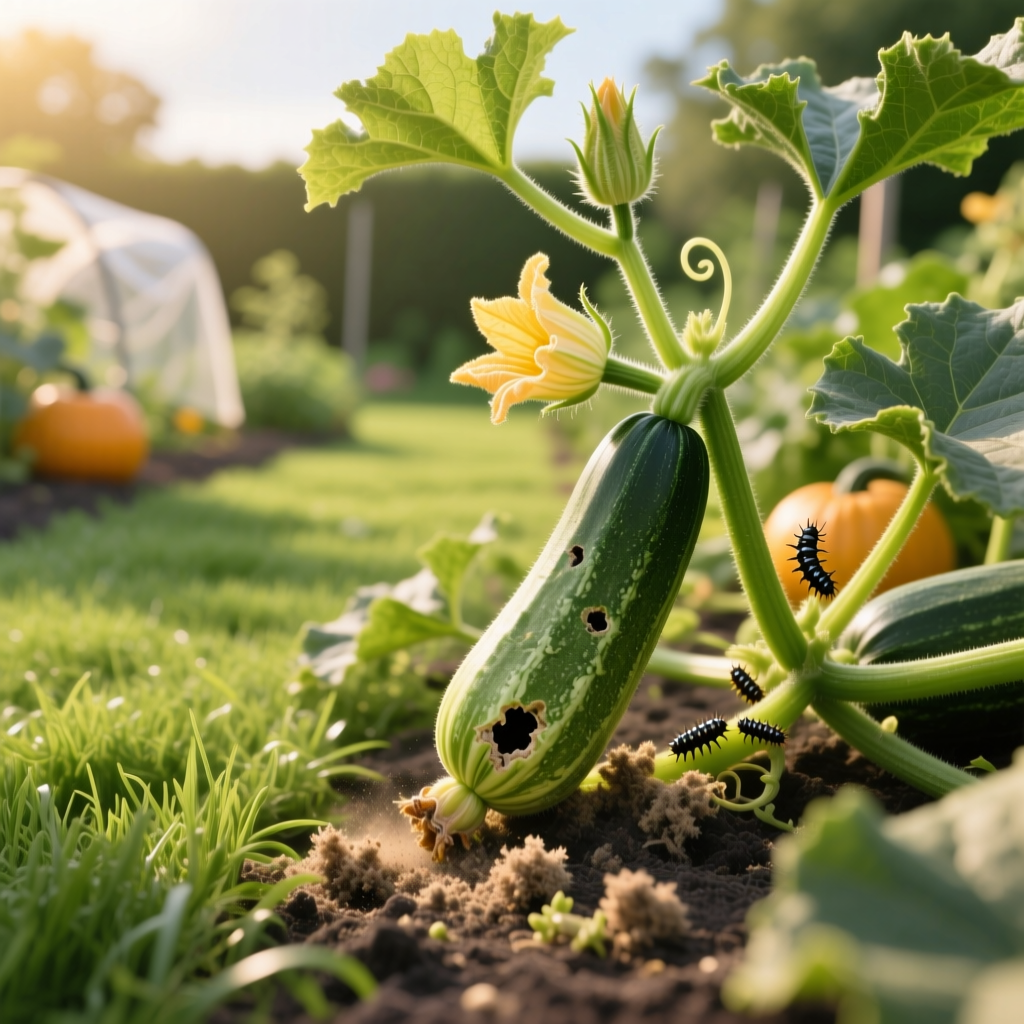
Organic Squash Vine Borer Prevention & Treatment for
Organic Squash Vine Borer Prevention & Treatment for Zucchini and Pumpkins
There are few things more disheartening for a home gardener than watching a thriving zucchini or pumpkin plant suddenly wilt and collapse overnight. If you have experienced this frustrating scenario, chances are you have encountered the squash vine borer (Melittia cucurbitae), one of the most destructive pests to attack cucurbit crops in North America. This sneaky moth larvae tunnels directly into the stems of your plants, feeding on the interior tissue and effectively cutting off the flow of water and nutrients. By the time you notice the damage, it is often too late to save the affected vine.
The squash vine borer is particularly devastating because it attacks from the inside out. Unlike leaf-eating pests that give you visible warning signs, this borer works silently within the stem, and the first symptom is often sudden, dramatic wilting that mimics drought stress. For gardeners committed to organic growing practices, the challenge is even greater because conventional chemical pesticides are largely ineffective once the larvae are inside the stem. The good news is that a comprehensive organic strategy combining prevention, early detection, and targeted treatment can dramatically reduce squash vine borer damage and keep your zucchini, pumpkins, squash, and other cucurbits productive throughout the growing season.
Whether you are growing a backyard vegetable garden or managing a larger organic farm, understanding the life cycle and behavior of this pest is the foundation of effective control. In this comprehensive guide, we will walk you through everything you need to know about identifying squash vine borers, implementing organic prevention strategies, applying DIY treatment methods, and knowing when professional help might be necessary. For broader guidance on maintaining a healthy garden ecosystem, explore our lawn care guides and learn how integrated yard management reduces pest pressure across your entire landscape.
Identifying the Squash Vine Borer: Know Your Enemy
Before you can fight the squash vine borer, you need to understand exactly what you are dealing with. The squash vine borer is the larval stage of a day-flying moth that belongs to the clearwing moth family (Sesiidae). The adult moth is striking in appearance, with a metallic green or black body, orange-red markings on the abdomen, and clear wings that make it resemble a wasp more than a moth. This resemblance is no coincidence — it is a form of Batesian mimicry that helps protect the moth from predators.
The Life Cycle of the Squash Vine Borer
Understanding the complete life cycle of this pest is essential for timing your prevention and treatment efforts correctly. The squash vine borer follows a predictable annual cycle that varies slightly depending on your climate zone:
- Overwintering Stage: Mature larvae spend the winter inside cocoons buried in the soil, typically one to two inches below the surface, near where host plants grew the previous season.
- Pupation: As soil temperatures warm in late spring and early summer, the larvae pupate and transform into adult moths.
- Adult Emergence & Mating: Adult moths emerge from the soil and begin mating. In most regions, this emergence coincides with the period when chicory blooms or when growing degree days reach a specific threshold (typically around 1,000 to 1,100 growing degree days with a base of 50°F).
- Egg Laying: Female moths lay individual eggs at the base of cucurbit stems, usually within the first twelve inches of the stem above the soil line. The eggs are small, flat, reddish-brown, and about the size of a pinhead. A single female can lay 150 to 200 eggs over her lifetime.
- Larval Entry: Eggs hatch within seven to fourteen days, and the tiny larvae immediately bore into the stem, usually at or just below the soil surface.
- Internal Feeding: Once inside the stem, larvae feed on the vascular tissue for four to six weeks, growing to approximately one inch in length. They are white or cream-colored with a brown head capsule and have a plump, wrinkled appearance.
- Exit & Pupation: Mature larvae exit the stem, drop to the soil, and burrow down to pupate. In warmer climates, a second generation may occur within the same growing season.
Signs and Symptoms of Infestation
Early detection is critical because once larvae are well-established inside the stem, treatment options become extremely limited. Watch for these telltale signs:
- Sudden Wilting: The most common and dramatic symptom. A vine or entire plant that appeared healthy the day before will suddenly wilt, even when soil moisture is adequate. This wilting typically starts on a single runner before spreading to the entire plant.
- Frass at the Base: Look for a moist, sawdust-like material (called frass) accumulating at the base of the stem or emerging from small holes. This greenish-yellow to brown material is the excrement of the feeding larvae and is one of the most reliable indicators of an active infestation.
- Entry Holes: Small, perfectly round holes near the base of the stem, often surrounded by frass and a mushy, discolored area.
- Soft, Mushy Stems: The base of an infested stem may feel soft or hollow when gently squeezed, indicating that the internal tissue has been consumed.
- Yellowing Leaves: Leaves on affected runners may turn yellow or develop a dull, lackluster appearance before the dramatic wilting occurs.
It is important to distinguish squash vine borer damage from other common cucurbit problems. Bacterial wilt, caused by Erwinia tracheiphila, also causes sudden wilting but is transmitted by cucumber beetles and typically affects the entire plant more uniformly. If you are dealing with multiple pest issues in your garden, check our resources on general pest control strategies for an integrated approach to garden health.
Preferred Host Plants
While the name suggests a preference for squash, this pest attacks a wide range of cucurbit family members. The most susceptible plants include:
- Zucchini and summer squash (most preferred)
- Hubbard squash and other winter squash varieties
- Pumpkins (especially smaller varieties)
- Butternut squash (somewhat resistant due to solid stems)
- Cucumbers and melons (less preferred but occasionally attacked)
Interestingly, some cucurbit varieties show natural resistance. Butternut squash, for example, has a solid stem rather than the hollow stem found in most squash varieties, making it more difficult for larvae to tunnel through. Royal acorn squash and certain Italian varieties of zucchini also demonstrate moderate resistance. Incorporating resistant varieties into your garden rotation is one of the simplest long-term strategies for reducing borer pressure.
Organic Prevention Strategies: Building Your Defense
When it comes to squash vine borers, prevention is overwhelmingly more effective than treatment. Once a larva has tunneled into the stem, your options for saving that particular vine are limited and labor-intensive. A multi-layered prevention strategy that targets different stages of the pest's life cycle will give you the best protection for your zucchini and pumpkin crops.
Physical Barriers and Row Covers
Floating row covers made from lightweight, spun-bonded polyester or polypropylene fabric are among the most effective organic prevention tools available. When installed immediately after planting or transplanting and secured tightly at the edges with soil, staples, or landscape pins, row covers create a physical barrier that prevents adult moths from reaching your plants to lay eggs.
The key limitation of row covers is that they also prevent pollinators from reaching your plants. Since squash and pumpkins require insect pollination to set fruit, you will need to remove the covers when plants begin flowering or hand-pollinate the blossoms yourself. Hand pollination is straightforward: use a small paintbrush or cotton swab to transfer pollen from male flowers (those with a straight, thin stem behind the blossom) to female flowers (those with a small fruit-shaped swelling behind the blossom). Perform this task in the morning when flowers are fully open and pollen is fresh.
Some gardeners use row covers only during the most vulnerable early growth period — typically the first three to four weeks after planting — and then remove them to allow pollinator access. This strategy works well if moth emergence in your area is concentrated in a predictable window. Monitor local extension service advisories or use pheromone traps to track moth activity and time your cover removal accordingly.
Stem Wrapping and Collars
For a more targeted approach that does not interfere with pollination, wrap the base of each stem with a protective barrier. Aluminum foil, nylon stockings, or specialized stem wraps can be applied around the lower six to twelve inches of the stem to prevent larvae from boring through. Apply wraps when plants are young and vines begin to run, and check them periodically to ensure they are not girdling the stem as it grows.
Another effective technique is to create stem collars from cardboard or paper cups. Cut the bottom out of a paper cup, slit it along one side, and place it around the base of the stem, pressing it about an inch into the soil. This physical barrier makes it much harder for newly hatched larvae to reach the stem surface. Combine this method with healthy soil management practices to ensure your plants are vigorous enough to withstand minor pest pressure.
Cultural Controls and Garden Hygiene
Good garden management practices form the backbone of any organic pest control program. The following cultural controls are specifically effective against squash vine borers:
- Crop Rotation: Avoid planting cucurbits in the same location year after year. Since larvae overwinter in the soil near previous host plants, rotating your squash and pumpkin beds to a different area of the garden each season can significantly reduce emerging moth populations. Aim for a minimum three-year rotation cycle.
- Fall Cleanup: After harvest, remove and destroy all cucurbit vines and debris. Do not compost infested plant material, as home compost piles may not reach temperatures high enough to kill overwintering larvae. Instead, bag and dispose of affected vines in the trash, or burn them where local regulations permit.
- Soil Tilling: Lightly tilling the soil in fall and early spring in areas where cucurbits were grown can expose and destroy overwintering cocoons. Be careful not to till too deeply, as this can damage soil structure and beneficial organisms. Learn more about aeration and soil health to balance pest control with soil conservation.
- Succession Planting: Plant a second round of squash or zucchini in midsummer after the peak moth flight period has passed. These later plantings often escape the worst of the borer pressure and can carry your harvest through to fall.
- Trap Cropping: Plant a highly attractive variety, such as Blue Hubbard squash, around the perimeter of your garden two to three weeks before planting your main crop. The borers will be drawn to the trap crop, which you can then monitor and manage intensively or destroy before larvae mature.
Beneficial Organisms and Biological Controls
Nature provides several allies in the fight against squash vine borers. Encouraging beneficial organisms in your garden creates a more resilient ecosystem that naturally suppresses pest populations:
- Beneficial Nematodes: Applying Steinernema carpocapsae or Heterorhabditis bacteriophora nematodes to the soil around your cucurbit plants can target squash vine borer larvae both before they enter the stem and after they exit to pupate. These microscopic worms are applied as a soil drench and are completely safe for plants, humans, and pets. Apply them in the evening or on overcast days, as UV light and dry conditions can reduce their effectiveness.
- Parasitic Wasps: Several species of braconid and ichneumonid wasps parasitize squash vine borer eggs and larvae. You can attract these beneficial insects by planting a diverse array of flowering herbs and native plants near your garden. Dill, fennel, cilantro, yarrow, and alyssum are all excellent choices for attracting parasitic wasps.
- Bacillus thuringiensis (Bt): This naturally occurring soil bacterium produces proteins that are toxic to caterpillars when ingested. While Bt is most effective against larvae that consume treated foliage (rather than those already inside stems), applying Bt kurstaki to the base of stems during egg-laying periods can kill newly hatched larvae before they bore in. Reapply after rain and follow label directions carefully.
- Ground Beetles and Birds: Predatory ground beetles feed on squash vine borer larvae and pupae in the soil. Maintaining ground cover, mulch, and undisturbed habitat areas in your garden encourages these beneficial predators. Similarly, insectivorous birds such as chickadees, wrens, and bluebirds will consume adult moths and larvae. Attract birds to your yard by following the habitat tips in our wildlife-friendly landscaping guide.
DIY Organic Treatment Methods: Saving Infested Plants
If prevention measures have not been entirely successful and you discover an active squash vine borer infestation, there are several organic treatment methods you can try. Success depends largely on catching the infestation early, before the larva has caused extensive internal damage. These methods require patience, a steady hand, and a willingness to perform what amounts to plant surgery.
Manual Larvae Removal (Stem Surgery)
This is the most direct treatment approach and can save a vine if performed carefully and at the right stage of infestation. Here is the step-by-step process:
- Locate the Entry Point: Identify the area where frass is emerging from the stem. This is typically within the first twelve inches of the stem above the soil line.
- Make a Vertical Slit: Using a sharp, sterilized knife or razor blade, carefully make a lengthwise slit along the stem at the point of entry. Cut only deep enough to reach the hollow center of the stem — avoid cutting all the way through.
- Extract the Larva: Use tweezers or a piece of wire to locate and remove the white, fat larva from inside the stem. There may be more than one larva present, so check the entire length of the slit carefully.
- Cover the Wound: Once the larva is removed, mound moist soil over the slit area and the surrounding stem. This encourages the plant to produce adventitious roots above the damaged area, effectively creating a new root system that bypasses the damaged section.
- Monitor Recovery: Keep the plant well-watered and monitor it closely over the following week. If the vine recovers and begins producing new growth, the surgery was successful. Apply a dilute fish emulsion or compost tea to support recovery.
This technique works best on main stems and larger runners. Smaller, secondary vines may not have enough stored energy to recover from the damage and the surgical procedure. Practice makes perfect — do not be discouraged if your first attempts are not entirely successful.
Wire Insertion Method
For gardeners who prefer not to cut open the stem, a stiff wire can be inserted into the entry hole to kill the larva inside. Straighten a paper clip or use a thin, flexible wire and carefully push it into the borer hole, advancing it along the length of the stem for several inches. The goal is to physically impale or crush the larva within the stem tunnel. This method is less reliable than stem surgery because you cannot confirm that the larva has been killed, and there is a risk of causing additional internal damage to the vascular tissue.
Injecting Bt Into the Stem
Some experienced organic gardeners use a syringe to inject a concentrated solution of Bacillus thuringiensis kurstaki (Btk) directly into the borer entry hole. The Bt solution coats the interior of the stem tunnel and kills the larva when it feeds on the treated tissue. To perform this technique:
- Mix Bt according to label directions, using a slightly higher concentration than you would for foliar application.
- Draw the solution into a clean syringe with a narrow tip.
- Insert the syringe tip into the entry hole and slowly inject approximately 1 to 2 milliliters of solution.
- Seal the hole with a small piece of tape or a dab of grafting wax to prevent the solution from leaking out.
This method is most effective when larvae are still small and actively feeding. Large, nearly mature larvae may have already consumed enough tissue to fatally damage the vine, regardless of treatment.
Promoting Secondary Rooting
One of the most effective strategies for mitigating squash vine borer damage is to encourage your cucurbit vines to develop multiple root systems along their length. This approach does not kill the borers, but it creates redundancy so that when one section of stem is damaged, the vine can continue to draw water and nutrients from roots established at other nodes.
To promote secondary rooting, gently bury sections of the vine at each leaf node (the point where leaves emerge from the stem) with a small mound of soil or compost. Secure the buried section with a landscape pin or small rock to keep it in contact with the soil. Keep these areas moist, and roots will develop within one to two weeks. By the time borers attack the main stem, the vine will have multiple independent root systems sustaining it. This technique is particularly effective for vining varieties of pumpkin and winter squash. For more tips on building resilient garden plants, see our guide on organic fertilization techniques.
Season-Long Management and When to Call Professionals
Managing squash vine borers is not a one-time task — it requires vigilance and consistent effort throughout the entire growing season. By organizing your approach into a seasonal timeline, you can ensure that no critical window is missed.
Spring Preparation
Before you even put a seed in the ground, take these preparatory steps:
- Till or turn the soil in last year's cucurbit beds to expose and destroy overwintering cocoons.
- Order beneficial nematodes and plan your application schedule.
- Purchase or prepare row covers, stem wraps, and other physical barriers.
- Select resistant varieties and plan your crop rotation layout.
- Install pheromone traps to monitor adult moth emergence. These traps use synthetic versions of the female moth's sex pheromone to attract and capture males, giving you an early warning that egg-laying will begin soon.
Early Summer Vigilance
During the peak egg-laying period, which typically spans four to six weeks in early to midsummer:
- Inspect the base of every cucurbit plant at least twice per week, checking for eggs and frass.
- If you spot eggs, carefully scrape them off with your fingernail or a piece of tape and destroy them.
- Apply Bt to stem bases every seven to ten days during peak moth activity.
- Maintain row covers until plants begin flowering, then switch to stem wraps and biological controls.
- Keep pheromone traps active and monitor catches to gauge population pressure.
Late Summer and Fall Cleanup
As the growing season winds down:
- Continue monitoring for second-generation borers in warmer climates.
- Harvest mature fruits promptly to reduce stress on vines.
- Remove and destroy all cucurbit plant debris immediately after harvest.
- Till infested beds to expose cocoons to cold temperatures and predators.
- Record which varieties performed best and which areas had the heaviest infestations to inform next season's planning.
When to Seek Professional Pest Control Assistance
While most home gardeners can manage squash vine borers with the organic methods described above, there are situations where professional help is warranted:
- Large-Scale Operations: If you are managing a market garden, CSA farm, or large pumpkin patch where the economic impact of borer damage is significant, a licensed organic pest control professional can provide targeted treatments and monitoring programs that go beyond what is practical for an individual gardener.
- Chronic, Severe Infestations: If you have experienced devastating losses for multiple consecutive seasons despite implementing comprehensive prevention strategies, a professional can assess your specific situation and recommend advanced integrated pest management (IPM) strategies.
- Multi-Pest Complexes: When squash vine borers are part of a broader pest problem that includes cucumber beetles, squash bugs, aphids, and fungal diseases, a professional can design a holistic management plan that addresses all threats simultaneously. Explore our pest control resource center for information on managing multiple garden pests.
- Soil Health Concerns: If you suspect that poor soil conditions are making your plants more susceptible to pest damage, a professional soil analysis and remediation plan can strengthen your plants' natural defenses. Learn about soil testing and amendments to get started.
When selecting a pest control professional, look for those who are certified in organic or integrated pest management practices. Ask about their experience with cucurbit pests specifically, and ensure that any products they use are approved for organic production by the Organic Materials Review Institute (OMRI) or your local organic certification body.
Frequently Asked Questions About Squash Vine Borers
Can squash vine borers kill my entire zucchini or pumpkin plant?
Yes, squash vine borers can absolutely kill an entire plant, especially if multiple larvae are feeding inside the main stem or if the infestation occurs early in the growing season when the plant is still relatively small. A single larva can girdle the main stem, cutting off all water and nutrient flow to the entire plant. Larger, more established plants with multiple runners and secondary root systems have a better chance of surviving a borer attack, as the damage may be confined to a single vine while the rest of the plant continues to thrive. This is why promoting secondary rooting and planting vigorous, well-fertilized varieties is such an important part of an organic management strategy. If you need guidance on maintaining plant vigor, our seasonal maintenance calendar offers tips applicable to both lawns and garden beds.
What time of year are squash vine borers most active?
Squash vine borer adults typically emerge from the soil and begin laying eggs in late spring to early summer, roughly coinciding with the bloom period of chicory or when daytime temperatures are consistently warm. In most temperate regions, peak activity occurs over a four-to-six-week window in early to midsummer. In warmer southern climates with longer growing seasons, a second generation may emerge in late summer, extending the threat period well into early fall. The exact timing varies by region and local weather conditions, which is why monitoring with pheromone traps and watching for the first signs of adult moth activity in your garden is so valuable. Recording emergence dates each year helps you build a localized timeline that improves your prevention efforts over time.
Are there squash and pumpkin varieties that resist vine borers?
While no cucurbit variety is completely immune to squash vine borers, some demonstrate significantly better resistance than others. Butternut squash (Cucurbita moschata) is widely regarded as one of the most resistant types because it has solid stems that are more difficult for larvae to penetrate. Varieties in the Cucurbita moschata species, including tromboncino and Seminole pumpkin, generally show more resistance than those in the Cucurbita pepo species, which includes most zucchini, summer squash, and Halloween-type pumpkins. Some gardeners report that certain Italian zucchini varieties, such as 'Tromboncino' and 'Costata Romanesco,' sustain less damage than standard green zucchini types. When selecting varieties, consider planting a mix of resistant and susceptible types, using the more susceptible varieties as trap crops while harvesting primarily from the resistant ones.
Will neem oil kill squash vine borers?
Neem oil has limited effectiveness against squash vine borers, primarily because of the pest's life cycle and feeding behavior. Neem oil works best as a contact insecticide and antifeedant on exposed insects, but squash vine borer larvae spend almost their entire development period protected inside the stem where topical applications cannot reach them. Neem oil may have some value as a deterrent against egg-laying adult moths when applied to the stem base, and it can be effective against other cucurbit pests like squash bugs and cucumber beetles. However, it should not be relied upon as a primary control method for vine borers. If you choose to use neem oil, apply a cold-pressed, pure neem oil product diluted according to label directions to the lower stems of your plants in the evening to minimize impacts on beneficial pollinators. For a broader discussion of organic pest control products, visit our natural garden pest sprays guide.
How do I prevent squash vine borers from returning next year?
Preventing squash vine borers from returning requires a combination of sanitation, cultural practices, and biological controls that interrupt the pest's life cycle at multiple points. The single most important step is thorough fall cleanup: remove and destroy all cucurbit vines, stems, and debris immediately after harvest to eliminate any larvae that may still be inside the plant material. Follow this with light tillage of the affected beds to expose overwintering cocoons to freezing temperatures and predatory organisms. Implement a strict crop rotation plan, moving cucurbits to a different garden bed each year with at least a three-year interval before returning to the same location. Apply beneficial nematodes to the soil in spring before planting to target any surviving cocoons. Use row covers or stem wraps during the early part of the growing season to prevent egg-laying, and maintain a diverse garden ecosystem with plenty of flowering plants to support natural predators and parasitoids. Consistency is key — these practices compound in effectiveness over multiple seasons, gradually reducing the local borer population to manageable levels. For more on building a sustainable, low-maintenance garden ecosystem, explore our complete collection of lawn and garden care resources.
