Pest Control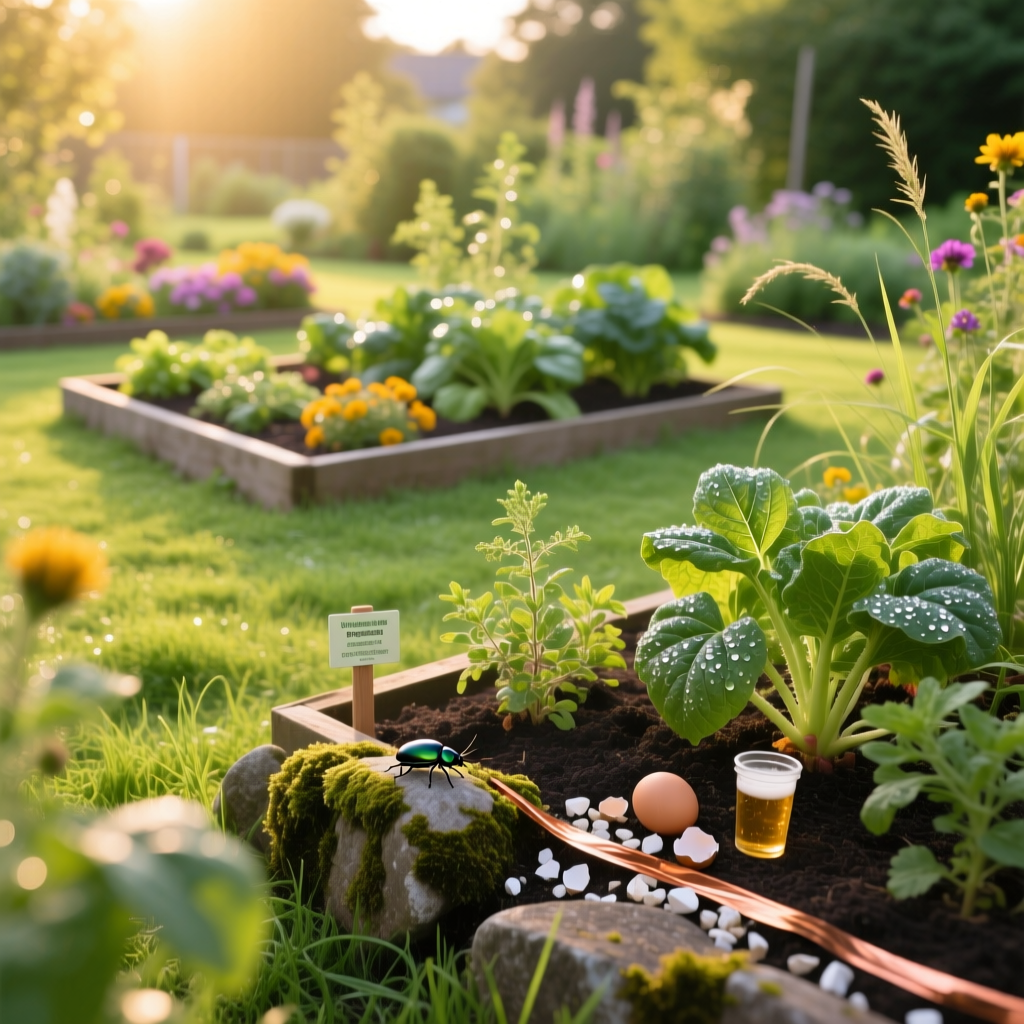
Organic Ways to Control Slugs & Snails in Garden Beds
Sarah ChenPublished
Gardeners invest countless hours and resources into cultivating lush, vibrant garden beds, only to wake up one morning and discover their prized plants have been reduced to shredded, hole-riddled remnants. Among the most notorious culprits for this overnight devastation are slugs and snails. These voracious gastropods thrive in damp, shaded environments and can decimate a wide variety of ornamental plants and vegetables in a remarkably short amount of time. While chemical molluscicides have historically been used to combat these pests, there is a growing and necessary shift toward organic pest management. Chemical baits often contain toxic compounds like metaldehyde, which can be fatal to pets, wildlife, and beneficial insects, while also risking contamination of local water sources.
Transitioning to organic ways to control slugs and snails in garden beds not only protects your immediate ecosystem but also fosters a healthier, more resilient garden environment. By understanding the biology of these pests, modifying their habitats, and deploying natural deterrents, you can effectively manage their populations without resorting to harmful synthetic chemicals. In this comprehensive guide, we will explore proven, eco-friendly strategies to keep your garden beds safe, beautiful, and entirely slug-free.
Identifying Slugs & Snails and the Damage They Cause
Before implementing any pest control strategy, it is crucial to correctly identify the enemy. Slugs and snails are both terrestrial gastropod mollusks. The primary difference between the two is anatomical: snails possess a hard, coiled external shell into which they can retreat for protection and moisture retention, while slugs lack this external shell, making them more vulnerable to desiccation but allowing them to squeeze into much tighter soil crevices. Both pests require high moisture levels to survive and are primarily nocturnal, emerging under the cover of darkness or during overcast, rainy days to feed.
The damage caused by slugs and snails is distinct and relatively easy to diagnose once you know what to look for. Unlike caterpillars or beetles that may leave behind frass (insect droppings) or specific bite patterns, gastropods use a ribbon-like organ called a radula, which is covered in thousands of microscopic teeth, to rasp away plant tissue. This results in irregular, ragged holes in the center of leaves or completely devoured seedlings where only the stem remains. Furthermore, slugs and snails secrete a continuous trail of mucus to aid their movement and prevent moisture loss. This leaves behind a telltale silvery slime trail on foliage, soil, and hardscaping, which is often the most reliable indicator of their presence during daylight hours.
Common targets for these pests include tender-leaved perennials like hostas, dahlias, and daylilies, as well as leafy greens such as lettuce, spinach, and cabbage. If you notice sudden, unexplained damage to these specific plants accompanied by shiny slime trails, you are undoubtedly dealing with a gastropod infestation. For more information on identifying various garden and lawn pests, be sure to visit our comprehensive pest control hub.
Preventative Measures for a Slug-Free Garden
The most effective organic pest control begins with prevention. Slugs and snails are highly dependent on their environment, specifically requiring cool, damp, and sheltered conditions to survive the daylight hours. By altering the microclimate of your garden beds, you can make the area significantly less hospitable to these pests.
Modify Your Watering Schedule
One of the simplest yet most effective preventative measures is adjusting how and when you water your garden. Watering in the evening leaves the soil surface and foliage damp throughout the night, creating an ideal highway for slugs and snails to travel and feed. Instead, water your garden beds deeply in the early morning. This allows the sun and daytime breezes to dry the surface layer of the soil before nightfall, drastically reducing gastropod mobility. Utilizing drip irrigation or soaker hoses rather than overhead sprinklers also keeps the foliage dry and directs moisture exactly where the plant roots need it. For a deeper dive into optimal hydration practices, check out our guide on watering schedules.
Eliminate Hiding Spots
Garden sanitation is paramount in organic pest management. Slugs and snails spend their days hiding in dark, moist refuges. Conduct a thorough audit of your garden beds and remove potential hiding spots such as piles of decaying leaves, stacked lumber, overturned pots, and dense patches of weeds. Keep the areas immediately surrounding your garden beds clear of tall grass and debris. Proper lawn maintenance and edging around your garden beds can create a dry, exposed buffer zone that gastropods are reluctant to cross.
Rethink Your Mulching Strategy
While mulch is excellent for retaining soil moisture and suppressing weeds, thick layers of organic mulch like straw, grass clippings, or shredded leaves can provide the perfect daytime sanctuary for slugs. If you have a severe slug problem, consider pulling mulch back a few inches from the base of susceptible plants or switching to inorganic mulches like gravel or sharp crushed stone in highly vulnerable areas. If you prefer organic mulch, opt for coarse, dry materials like pine needles or cedar bark, which are less inviting to soft-bodied pests.
Top Organic & DIY Solutions for Slug and Snail Control
When preventative measures are not enough to keep the population in check, it is time to deploy active organic controls. There are numerous DIY solutions and natural products that can effectively reduce gastropod numbers without harming the broader ecosystem.
Beer Traps
The classic beer trap remains one of the most popular and effective DIY organic solutions. Slugs and snails are highly attracted to the fermentation odors and yeast present in beer. To create a trap, bury a shallow container, such as a tuna can or a plastic yogurt cup, in the soil so that the rim is level with the ground surface. Fill the container about halfway with stale beer. The pests will crawl in for a drink, fall into the liquid, and drown. You must empty and refresh the traps every few days, especially after rain, to maintain their effectiveness. Place these traps near heavily infested plants, but avoid placing them directly next to your most prized specimens, as the traps will attract slugs from the surrounding area.
Copper Barriers
Copper is a highly effective, long-lasting organic deterrent. When the slime of a slug or snail comes into contact with copper, a natural chemical reaction occurs that delivers a mild, static-like electric shock to the pest's nervous system, prompting them to turn away. You can purchase copper tape or mesh and apply it around the rims of raised garden beds, the trunks of vulnerable shrubs, or the base of individual pots. Ensure the copper band is at least two inches wide and that there are no gaps or overlapping bridges that a determined slug could use to bypass the barrier. Keep the copper clean of dirt and debris to maintain its conductivity.
Diatomaceous Earth (DE)
Diatomaceous earth is a naturally occurring, soft sedimentary rock composed of the fossilized remains of diatoms. Under a microscope, DE looks like a collection of tiny, razor-sharp glass shards. When slugs and snails crawl over food-grade DE, these microscopic edges lacerate their soft bodies, causing them to dehydrate and die. To use DE effectively, sprinkle a generous, unbroken ring around the base of your plants. It is crucial to note that DE only works when completely dry; it loses its abrasive properties when wet. Therefore, you will need to reapply it after every rainfall or heavy watering session. Always wear a dust mask when applying DE to avoid inhaling the fine particles.
Hand-Picking and Relocation
While it may not be the most glamorous method, hand-picking is incredibly effective for immediate population reduction. Equip yourself with a flashlight, a pair of gloves, and a bucket of soapy water. Venture into your garden an hour or two after dusk, when the pests are most active. Simply pick the slugs and snails off the foliage and drop them into the soapy water, which will kill them quickly and humanely. Alternatively, you can relocate them to a distant field or wooded area far away from residential gardens. Consistent hand-picking over a period of two to three weeks can drastically crash the local population.
Encouraging Natural Predators
Nature has its own pest control agents. By fostering a biodiverse garden, you can attract animals that feed on slugs and snails. Birds, particularly thrushes, ducks, and chickens, are voracious consumers of gastropods. Toads, frogs, and ground beetles also play a vital role in keeping slug populations in check. You can encourage these beneficial predators by installing birdbaths, building small brush piles for ground beetles, and avoiding the use of broad-spectrum pesticides that would inadvertently kill them. If you are also dealing with subterranean lawn pests, integrating natural predators is a great complement to our grub control strategies.
Maintaining a Healthy Ecosystem to Deter Pests
A holistic approach to organic pest control involves looking at the garden as an interconnected ecosystem. Plants that are stressed, nutrient-deficient, or growing in poor soil conditions are naturally more susceptible to pest damage. Conversely, robust, vigorously growing plants can often withstand minor slug feeding and recover quickly.
Focusing on soil health is foundational to plant resilience. Incorporating rich, well-composted organic matter into your garden beds improves soil structure, drainage, and nutrient availability. However, be cautious with raw, uncomposted manure or excessive nitrogen fertilizers, as the rapid, sappy growth they promote is highly attractive to slugs and aphids alike. Slow-release, organic fertilizers encourage steady, strong growth that is less palatable to pests.
Companion planting is another excellent ecological strategy. While slugs love tender hostas and marigolds, they strongly dislike the strong scents and tough textures of certain herbs and alliums. Interplanting susceptible crops with garlic, chives, rosemary, thyme, and mint can help mask the scent of the target plants and deter foraging gastropods. Additionally, choosing naturally slug-resistant plants for the shadier, damper areas of your garden can save you a great deal of frustration. Ferns, hydrangeas, ornamental grasses, and plants with thick, waxy, or highly textured leaves (like lamb's ear or lavender) are generally bypassed by slugs and snails.
When to Consider Professional Organic Pest Control
For most home gardeners, the combination of cultural prevention, DIY traps, and physical barriers is more than sufficient to manage slug and snail populations. However, there are instances where the infestation may overwhelm standard organic methods, particularly in large-scale landscapes, botanical gardens, or regions with exceptionally high rainfall and native gastropod populations.
If you have exhausted all DIY options and your garden beds are still suffering severe economic or aesthetic damage, it may be time to consult a professional organic pest control service. Professionals have access to commercial-grade biological controls that are not readily available to the general public. The most notable of these is the beneficial nematode Phasmarhabditis hermaphrodita. These microscopic, soil-dwelling worms actively seek out slugs, enter their bodies, and release bacteria that kill the pest within a few days. The nematodes then reproduce inside the dead slug and emerge to hunt for more. Professional application ensures the nematodes are applied at the correct soil temperature and moisture levels, maximizing their efficacy. Seeking expert advice ensures that your garden's ecosystem remains balanced while effectively neutralizing the threat.
Frequently Asked Questions
Do coffee grounds really keep slugs away?
The effectiveness of coffee grounds as a slug deterrent is a subject of much debate among gardeners. While caffeine in high concentrations is toxic to slugs, the amount of residual caffeine left in used coffee grounds is generally too low to be lethal. However, the coarse, abrasive texture of dry coffee grounds can act as a mild physical barrier, similar to diatomaceous earth. If you choose to use them, apply a thick, dry ring around your plants, but be aware that they will need to be reapplied frequently and can alter the soil pH if used in massive quantities. They are best used as a supplementary measure rather than a primary defense.
Will salt kill slugs and snails safely?
While it is true that pouring salt directly onto a slug or snail will cause it to rapidly dehydrate and die, using salt as a garden pest control method is highly discouraged. Salt is incredibly detrimental to soil health and plant vitality. Accumulation of sodium in the soil destroys soil structure, prevents plants from absorbing water and essential nutrients, and can lead to widespread plant death. Stick to organic methods like soapy water, beer traps, or iron phosphate baits if a lethal approach is necessary, as these will not ruin your garden beds.
What plants are most resistant to slugs and snails?
Slugs and snails prefer tender, succulent foliage. To minimize damage, incorporate plants with tough, leathery, hairy, or highly aromatic leaves into your garden design. Excellent slug-resistant ornamental choices include ferns, astilbes, hydrangeas, ornamental grasses, lavender, rosemary, and peonies. For vegetable gardens, alliums (onions, garlic, leeks) and mature tomato plants are rarely bothered. Conversely, avoid planting highly susceptible species like hostas, dahlias, delphiniums, and leafy lettuce in damp, shaded areas where slug pressure is highest.
How do I apply beneficial nematodes for slug control?
Beneficial nematodes are applied as a liquid drench directly to the soil. You typically purchase them in a dormant state mixed with a clay or gel carrier. Mix the carrier with water according to the manufacturer's instructions and apply it to moist soil using a watering can or a hose-end sprayer with the filter removed. It is vital to apply nematodes in the early morning or late evening to protect them from UV light, and the soil must be kept consistently moist for at least a week after application to allow the nematodes to move through the soil profile and locate their hosts. They are most effective when soil temperatures are above 50°F (10°C).
Are slugs and snails harmful to my lawn?
Generally, slugs and snails are not a primary threat to established, healthy turfgrass. They prefer the broad, tender leaves of garden bed plants, vegetables, and ornamentals over the narrow, silica-rich blades of most lawn grasses. However, in exceptionally damp conditions, they may feed on newly germinated grass seed or very young sod, causing minor, localized damage. If your lawn is struggling, it is more likely due to issues like soil compaction, fungal diseases, or root-feeding pests. For comprehensive turf management, refer to our guides on garden bed preparation and overall lawn health to ensure your entire landscape thrives.