
Pest Control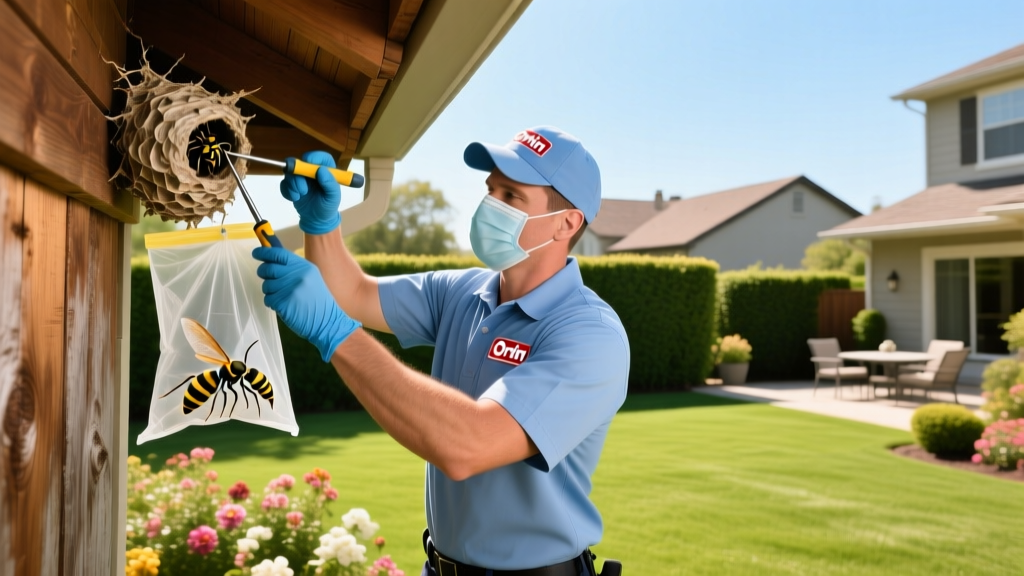
Orkin Wasp Removal Cost: 2026 Pricing & Coverage Guide
The True Cost of Orkin Wasp Removal in 2026
Hiring a national franchise like Orkin for stinging insect control provides a standardized, guaranteed service level, but pricing is rarely flat-rate. As of 2026, the average Orkin wasp removal cost ranges from $325 to $850 for standard exterior treatments. However, this number can easily exceed $1,200 if the colony has established itself inside a structural void. Unlike general pest control contracts that bundle ants and spiders into a quarterly fee, wasp and hornet removal is typically treated as a specialized, standalone service due to the immediate liability and safety hazards involved.
Quick Pricing Snapshot
- Initial Inspection Fee: $50 - $100 (Often waived if you proceed with treatment)
- Standard Aerial Nest Removal: $325 - $450
- Subterranean Ground Nest: $400 - $600
- Structural / Wall Void Nest: $750 - $1,200+
Cost Breakdown by Species and Nest Architecture
The primary driver of your Orkin quote is not just the size of the nest, but the species of wasp and where they have chosen to build. According to the National Pest Management Association, different stinging insects require vastly different chemical applications and safety protocols.
| Wasp Species | Nest Location | Estimated Orkin Cost | Treatment Methodology |
|---|---|---|---|
| European Paper Wasp | Under eaves, porch ceilings | $325 - $400 | Microencapsulated pyrethroid spray (e.g., Onslaught FastCap) for immediate knockdown and residual barrier. |
| Bald-Faced Hornet | Trees, shrubs, high eaves | $400 - $550 | Telescopic dusting or targeted aerosol injection. Requires full PPE due to aggressive colony defense. |
| German Yellowjacket | Subterranean ground burrows | $450 - $650 | Insecticidal dust (e.g., Tempo 1% Dust) pumped directly into the entrance. Liquid sprays fail here as they do not reach the deep queen chamber. |
| Any Species (Structural) | Inside wall voids, attics | $750 - $1,200+ | Drilling access holes, injecting residual dust, and sealing exterior entry points. High labor intensity. |
What Factors Drive Your Specific Quote?
When an Orkin technician arrives for an inspection, they are evaluating three critical variables that will dictate the final invoice:
1. Nest Accessibility and Height
A paper wasp nest located on a first-story porch overhang is a straightforward treatment. If that same species has built a nest on the peak of a three-story Victorian home, the technician will need specialized extension equipment, fall-arrest harnesses, or a lift. Expect a $100 to $200 surcharge for extreme height or difficult accessibility.
2. Colony Maturity and Size
Early summer nests (June) are small, often containing only a few dozen workers and a queen. By late summer (August to October), yellowjacket colonies can harbor 4,000 to 5,000 highly defensive workers. Larger colonies require higher volumes of active ingredients and multiple return visits to ensure total eradication, pushing the cost toward the upper end of the spectrum.
3. Proximity to High-Traffic Areas
Nests located near HVAC intake vents, children's play areas, or primary entryways require specialized, fast-acting formulations that minimize the risk of angry, stinging insects swarming into the home during the treatment process.
The Chemistry: What Orkin Actually Uses
Understanding what you are paying for requires looking past the brand name to the active ingredients. Orkin technicians do not use over-the-counter consumer sprays like Raid. For aerial nests, they typically rely on microencapsulated formulations containing Cyfluthrin or Deltamethrin. These capsules stick to the wasps' bodies, allowing the poison to be carried deep into the nest to kill the queen and brood over 24 to 48 hours.
For ground nests and wall voids, liquid sprays are virtually useless and can actually aggravate the colony, causing them to chew through drywall into your living space. Instead, Orkin utilizes desiccant or insecticidal dusts, such as Tempo 1% Dust (Cyfluthrin) or Drione (Silica aerogel + Pyrethrins). As detailed by University of Minnesota Extension, dusts are the gold standard for enclosed stinging insect nests because the workers track the powder deep into the galleries, ensuring total colony collapse without soaking your structural wood in liquid chemicals.
Expert Warning: Never allow an exterminator to seal a wall-void wasp entrance before the colony is completely dead. Trapped yellowjackets will follow the light and heat, eventually chewing through your interior drywall and flooding your living room with thousands of aggressive insects.
Orkin vs. Local Exterminators vs. DIY
Is the premium price of a national franchise worth it? Here is a decision matrix to help you weigh the Orkin wasp removal cost against your alternatives.
| Feature | Orkin (National Franchise) | Local Independent Exterminator | DIY (Consumer Products) |
|---|---|---|---|
| Average Cost (Standard Nest) | $350 - $500 | $200 - $350 | $15 - $40 |
| Guarantee / Callbacks | Strong (Usually 30-day free callback) | Variable (Depends on owner) | None |
| Chemical Grade | Commercial / Restricted Use | Commercial / Restricted Use | Consumer Grade (Short residual) |
| Wall Void Expertise | High (Standardized training) | High (Often specialized) | Extremely Low (High risk of failure) |
| Scheduling Speed | 1 to 3 Days | Same Day to 1 Week | Immediate |
Hidden Costs & Edge Cases to Watch For
When budgeting for professional wasp removal, homeowners frequently overlook the secondary costs associated with structural nests. Orkin's mandate is pest eradication, not home repair. If your wasp removal cost involves a wall void, be prepared for the following edge cases:
- Drywall Patching and Painting: Orkin will drill 1/4-inch holes into your interior or exterior walls to inject dust. They will not patch, spackle, or paint these holes. Budget an additional $150 to $300 for a handyman or drywall contractor to restore the surface.
- Insulation Replacement: If a large bald-faced hornet or yellowjacket colony has lived inside your wall for multiple seasons, they will have coated the surrounding fiberglass insulation in feces, nest material, and dead insects. Orkin will kill the bugs, but the foul-smelling insulation must be removed and replaced by a remediation specialist.
- Secondary Scavenger Infestations: Once the wasps are dead, the abandoned honey (in the case of some hornets) and dead larvae will attract carpet beetles, ants, and rodents. A thorough exterior cleanup and interior monitoring plan is required post-treatment.
The Orkin Service Process: Step-by-Step
To ensure you are getting the full value of your Orkin wasp removal cost, verify that the technician follows this standardized protocol:
- Species Identification: Confirming whether the insect is a solitary mud dauber (low threat, low cost) or a social yellowjacket (high threat, higher cost).
- Perimeter Assessment: Checking for secondary satellite nests. Wasps often build multiple small nests near a primary colony.
- Targeted Application: Applying the correct formulation (dust vs. liquid) based on the nest architecture.
- Entry Point Sealing: Once the colony is confirmed dead (usually 48-72 hours later), sealing the exterior cracks, weep holes, or soffit gaps that allowed the insects inside in the first place. Note: Some franchises charge extra for extensive exclusion work.
Frequently Asked Questions
Does Orkin remove the physical nest after treatment?
For exterior aerial nests, Orkin technicians will typically knock down and dispose of the paper nest after the colony is dead to prevent future scavengers from using the structure. However, for ground nests or wall-void nests, the physical nest remains in place underground or inside the wall, as excavating it would cause severe property damage.
What if the wasps return a week later?
Orkin's standard service agreement includes a satisfaction guarantee. If you see active, aggressive wasps emerging from the same treated nest site within 30 days, Orkin will return and re-treat the area at no additional charge. You must call their central dispatch to trigger this warranty.
Is Orkin's wasp treatment safe for my pets?
Yes, once the applied liquid sprays have completely dried (usually 1 to 2 hours), the pyrethroid active ingredients bind to the surfaces and pose minimal risk to dogs and cats. However, pets must be kept strictly indoors during the application and the drying period. Dusts applied inside wall voids are completely sealed behind the walls, presenting zero exposure risk to indoor pets.

