
Pest Control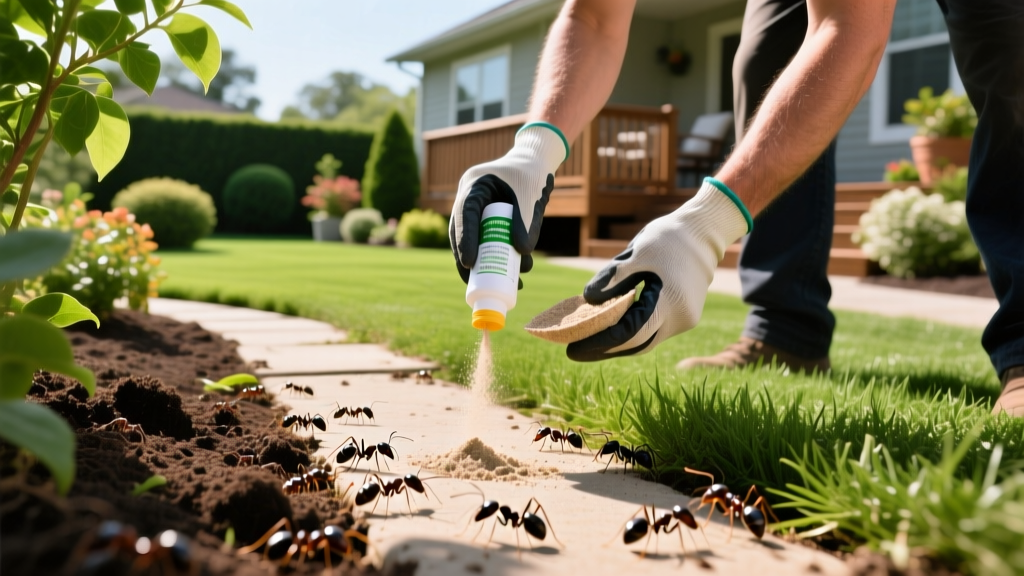
Proven Ants Control Methods for Outdoor Yard Defense
Ants in the yard present a complex challenge for homeowners. While native soil-aerating ants benefit lawn ecology, invasive and destructive species like imported fire ants, carpenter ants, and pavement ants threaten both turf health and structural integrity. Effective outdoor ant management requires moving beyond generic hardware store sprays and implementing targeted, species-specific strategies. Below is a comprehensive framework for defending your lawn and garden perimeter using modern chemical and organic ants control methods.
Identify the Enemy: Yard Ant Species Matrix
Applying a fire ant treatment to a carpenter ant colony is a waste of time and money. Correct identification dictates the active ingredient and application method. Use this matrix to match the ant species invading your yard with the correct treatment protocol.
| Species | Primary Yard Threat | Nesting Location | Optimal Treatment Strategy |
|---|---|---|---|
| Red Imported Fire Ant | Painful stings, aggressive mounds disrupting mowing | Open, sunny lawns; large dirt mounds | Granular bait broadcast + individual mound drench |
| Carpenter Ant | Structural damage to wood, hollowing out tree stumps | Moist, decaying wood, stumps, fence posts | Protein/sugar baiting + non-repellent perimeter spray |
| Pavement Ant | Undermining hardscapes, pavers, and driveways | Under concrete slabs, along curbs and sidewalks | Perimeter barrier treatments + crack/crevice dusting |
| Field Ant | Large soil mounds smothering turfgrass | Shaded or semi-shaded lawn areas | Targeted mound drenching (usually non-aggressive) |
Perimeter Defense: Baiting vs. Barrier Treatments
The foundation of yard defense lies in establishing a perimeter that prevents foraging ants from accessing your home and patio areas. In 2026, professional-grade non-repellent chemistries and slow-acting baits remain the gold standard.
Non-Repellent Liquid Barriers
Unlike older repellent sprays (like bifenthrin or permethrin) that cause ants to scatter and create new satellite colonies—a phenomenon known as 'budding'—non-repellent liquids allow ants to track the active ingredient back to the nest. Termidor SC (9.1% Fipronil) utilizes a transfer effect. As treated ants groom and feed each other, the chemical spreads through the colony. As of early 2026, a 20oz bottle of Termidor SC averages $75 and treats up to 60,000 square feet of perimeter. The standard mixing rate is 0.8 fluid ounces per gallon of water, applied as a 1-foot-wide band along the foundation.
Targeted Granular Baits
For carpenter ants and fire ants foraging in the lawn, baits exploit their social feeding behaviors (trophallaxis). Advance Carpenter Ant Bait (0.011% Abamectin) costs roughly $28 for a 2lb container. It uses a dual-action attractant matrix that appeals to both sweet and protein dietary phases of the colony. Apply at a rate of 1.8 ounces per 1,000 square feet, focusing on trails and suspected nest perimeters rather than broadcast application.
Step-by-Step Mound Drenching for Fire Ants
When dealing with aggressive Red Imported Fire Ants (Solenopsis invicta), broadcast baiting alone takes 2 to 4 weeks to show results. For immediate relief in high-traffic lawn areas, combine baits with individual mound drenching. The Texas Imported Fire Ant Research and Management Project recommends the following two-step protocol for rapid suppression:
- Locate Active Mounds: Identify mounds with recent excavation activity. Do not disturb the mound prior to treatment, as this triggers defensive swarming and deep colony relocation.
- Mix the Drench Solution: Combine 1 to 2 gallons of water with a fast-acting contact insecticide or an organic alternative like Spinosad (e.g., Conserve SC at 1.25 fl oz per gallon).
- Apply Gently: Using a watering can or a pump sprayer with the nozzle set to a gentle shower, pour the mixture directly onto the center of the mound. The goal is to saturate the soil to a depth of 6 inches without causing runoff.
- Seal the Perimeter: Lightly water the surrounding 2-foot radius to catch any escaping workers.
⚠️ Critical Warning: Never use over-the-counter aerosol 'ant freeze' sprays or harsh contact repellents directly on fire ant mounds. These products kill only the surface workers and agitate the queen, causing the colony to split into multiple budding mounds across your lawn.
Organic and Botanical Alternatives
For homeowners managing edible gardens, pet play areas, or sensitive ecosystems, organic ants control methods are highly effective when applied correctly.
- Spinosad (Conserve SC): Derived from soil-dwelling bacteria, Spinosad targets the insect nervous system but breaks down rapidly in sunlight, making it safe for mammals once dry. It is highly effective as a mound drench for fire ants.
- Diatomaceous Earth (DE): DE works mechanically by abrading the waxy exoskeleton of ants, causing desiccation. Crucial distinction: You must use Food Grade DE, not Pool Grade (which is crystallized and toxic to inhale). Apply a 1/8-inch layer around garden beds. Note that DE loses efficacy when wet; reapply after irrigation or rainfall.
- Beneficial Nematodes (Steinernema feltiae): Applied via a hose-end sprayer to moist soil, these microscopic worms invade ant larvae, releasing bacteria that kill the host within 48 hours. Keep soil temperatures between 55°F and 85°F for optimal nematode survival.
Cultural Controls: Making Your Lawn Uninviting
Chemical and organic treatments will fail if the underlying environmental conditions continue to attract colonies. Implementing cultural controls disrupts the habitat requirements of yard ants.
Thatch and Moisture Management
Carpenter ants and moisture ants thrive in damp, decaying organic matter. Maintain your lawn's thatch layer below 0.5 inches through annual core aeration and dethatching. Ensure your irrigation system is calibrated to deliver 1 inch of water per week in deep, infrequent cycles rather than daily shallow watering, which keeps the surface soil perpetually damp and attractive to nesting ants.
The Mulch Buffer Zone
Piling mulch against your home's foundation creates a thermal bridge and moisture trap that invites carpenter and pavement ants. The Penn State Extension advises maintaining a strict 6-inch gap of bare soil or gravel between mulch beds and the foundation. Use inorganic mulches like crushed stone or cedar bark (which contains natural repellent oils) in areas immediately adjacent to the house.
Frequently Asked Questions
How long does it take for perimeter baits to eliminate a yard colony?
Slow-acting baits like Abamectin or Fipronil typically take 7 to 21 days to eradicate a mature colony. You will initially see an increase in foraging activity as workers collect the bait; do not disturb them during this phase.
Are yard ant treatments safe for my dogs and cats?
Most professional liquid barriers (like Fipronil) are highly toxic to aquatic life but safe for mammals once the liquid has completely dried into the soil (usually 2-4 hours). Keep pets off the lawn during application and until the grass is dry. Granular baits contain extremely low active ingredient concentrations (often less than 0.05%) and pose minimal risk if ingested in small amounts, but should still be applied in targeted areas out of direct pet access.
Why do pavement ants keep returning to my driveway cracks?
Pavement ants nest deep beneath the concrete slab, using expansion joints and cracks as foraging highways. Surface sprays only kill the scouts. To resolve this, use a pressurized dust applicator to inject Delta Dust or diatomaceous earth deep into the cracks, or apply a non-repellent liquid directly into the crevices so tracking workers carry it beneath the slab. The EPA emphasizes targeting the nest rather than the visible foragers for long-term structural pest management.

