
Pest Control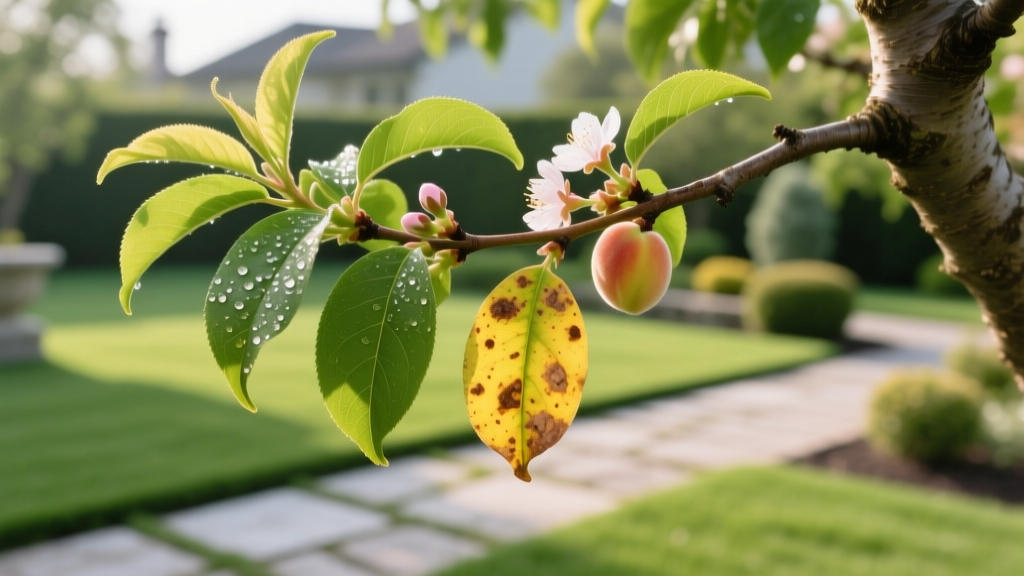
Identifying Peach Tree Diseases: Symptom Diagnosis & Rescue Fixes
Peach trees (Prunus persica) are notoriously vulnerable to a spectrum of fungal, bacterial, and environmental stressors. When symptoms appear, the window for effective intervention is often narrow. Misdiagnosing a bacterial infection as a fungal one leads to wasted fungicides and unchecked pathogen spread. This guide provides a precise diagnostic framework and immediate rescue protocols for the most destructive peach tree diseases, utilizing current chemical and cultural management strategies.
The Diagnostic Framework: Reading Your Peach Tree
Before reaching for a spray bottle, you must categorize the pathogen. Fungal, bacterial, and abiotic (environmental) issues present distinct primary and secondary symptoms. Use this decision matrix to narrow down the culprit.
| Pathogen Type | Primary Visual Cue | Secondary Confirmation | Common Example |
|---|---|---|---|
| Fungal | Circular lesions, powdery/fuzzy growths, concentric rings on fruit. | Spore masses visible under magnification; progresses in high humidity. | Brown Rot, Peach Leaf Curl |
| Bacterial | Angular leaf spots bounded by veins, water-soaked fruit lesions, gumming. | Bacterial ooze present when tissue is sliced and placed in water. | Bacterial Spot, Canker |
| Abiotic / Chemical | Uniform leaf cupping, strapping, marginal necrosis, sudden branch dieback. | Affects multiple plant species in the vicinity simultaneously; no spores. | 2,4-D Herbicide Drift, Boron Deficiency |
Top 4 Peach Tree Diseases: Symptoms and Rescue Protocols
1. Peach Leaf Curl (Taphrina deformans)
The Symptoms: Leaves emerge thickened, puckered, and curled, turning pale green before shifting to bright red or purple. A velvety gray spore layer eventually coats the underside. Severe infections cause premature defoliation, drastically reducing the current year's yield and weakening next year's bud set.
The Rescue Fix: Once leaves have curled, no fungicide will cure the infection. The fungus is protected inside the distorted leaf tissue. Your immediate rescue action is to hand-pick and destroy all visibly infected leaves to reduce the spore load. Apply a high-nitrogen foliar fertilizer (such as a 20-20-20 water-soluble mix at 1 tbsp per gallon) to stimulate the tree into pushing a second flush of healthy foliage.
Long-Term Prevention: You must apply a preventative dormant spray. Use Lime Sulfur or Copper Octanoate (e.g., Bonide Liquid Copper Fungicide) during the dormant season, strictly before bud swell in late winter. According to the Clemson University Home & Garden Information Center, timing is critical; spraying after buds open will cause severe phytotoxicity and fail to stop the disease.
2. Brown Rot (Monilinia fructicola)
The Symptoms: This is the most devastating fruit disease in humid climates. It begins as small brown spots on ripening peaches, rapidly expanding into large, soft, rotted areas covered in concentric rings of grayish-brown fuzzy spores. Infected fruit shrivels into hard, black 'mummies' that cling to the branches through winter.
The Rescue Fix: Immediately remove all rotted fruit and mummies from the tree and the ground. Do not compost them; bag and trash them. If the tree is actively blooming or fruiting, apply a systemic fungicide containing Myclobutanil (e.g., Spectracide Immunox Multi-Purpose Fungicide) or Tebuconazole. Alternate active ingredients every 14 days to prevent fungicide resistance.
3. Bacterial Spot (Xanthomonas arboricola pv. pruni)
The Symptoms: Small, purple-to-black angular spots appear on leaves, eventually falling out and leaving a 'shot-hole' appearance. On fruit, it causes dark, sunken, cracked lesions that render the peaches unmarketable and susceptible to secondary brown rot infections. This pathogen thrives in warm, wet, and windy conditions.
The Rescue Fix: Bacterial spot is notoriously difficult to manage once active. Copper sprays are largely ineffective during the growing season and can burn peach foliage. For active outbreaks, commercial growers use Oxytetracycline (Mycoshield), though it is heavily restricted for home use. The most effective homeowner rescue is aggressive fruit thinning to improve airflow, combined with weekly applications of a biological control like Bacillus subtilis (e.g., Serenade Garden Disease Control) to outcompete the bacteria on leaf surfaces.
Long-Term Prevention: When replacing dead trees, select resistant cultivars. The University of Kentucky Plant Pathology Extension highly recommends 'Redhaven', 'Contender', and 'Glohaven' for areas with high bacterial spot pressure.
4. Perennial Canker and Gummosis (Botryosphaeria dothidea)
The Symptoms: You will notice copious amounts of amber-colored, sticky sap (gum) oozing from the trunk or scaffolding branches. Beneath the bark, the wood is stained brown. While gummosis can be triggered by mechanical injury or peach tree borers, fungal cankers cause elongated, sunken, dark lesions that girdle and kill branches.
The Rescue Fix: Fungicides cannot cure wood that is already cankered. You must perform surgical pruning. Using a sharp bypass saw, cut the affected branch at least 6 to 8 inches below the lowest visible margin of the internal brown staining. Between every single cut, sterilize your pruning tools by wiping the blades with 70% isopropyl alcohol or a 10% bleach solution to prevent mechanically transmitting the spores to healthy wood.
The Peach Tree Rescue Spray Calendar
Chemical interventions are only effective when tied to the tree's phenological growth stages, not calendar dates. Use this framework to time your applications.
| Growth Stage | Target Pathogens | Recommended Active Ingredient | Application Notes |
|---|---|---|---|
| Dormant (Late Winter) | Leaf Curl, San Jose Scale, Overwintering Brown Rot | Lime Sulfur or Copper Octanoate | Apply just before buds begin to swell. Do not apply if freezing temps are expected within 48 hours. |
| Pink Bud | Brown Rot, Scab | Chlorothalonil or Myclobutanil | Apply when flower buds show pink but have not yet opened. Critical for protecting blossoms. |
| Petal Fall | Brown Rot, Scab, Freckles | Myclobutanil or Thiophanate-methyl | Apply when 90% of petals have dropped. Never spray insecticides during bloom to protect pollinators. |
| Shuck Split | Scab, Brown Rot, Bacterial Spot | Captan or biological B. subtilis | Apply when the papery sheath splits from the developing fruit. |
| Pre-Harvest (14 Days Out) | Brown Rot | Myclobutanil (Check PHI) | Ensure the Pre-Harvest Interval (PHI) on the label allows application this close to picking. |
⚠️ CRITICAL WARNING: Sulfur and Copper Phytotoxicity
Peach trees are highly sensitive to sulfur and copper compounds once the growing season begins. Applying Lime Sulfur or high-concentration copper sprays after bud break will cause severe leaf burn, defoliation, and stunted fruit development. Restrict these chemicals strictly to the dormant season. If you must use copper for bacterial spot in the fall, use low-rate copper hydroxide formulations and apply only when temperatures are below 75°F.
Sanitation and Pruning: The Non-Chemical Rescue
Chemical rescues will fail if the physical environment remains a breeding ground for pathogens. Implement these structural fixes immediately:
- Open Canopy Pruning: Peach trees require an 'open vase' pruning structure. Remove all inward-growing branches and water sprouts. The goal is to allow UV light to penetrate the center of the tree, which naturally desiccates fungal spores and inhibits bacterial growth.
- Mummy Removal: Brown rot mummies act as biological time bombs. Walk your orchard in late winter and physically knock every shriveled, blackened peach off the branches. Rake the drip line and remove all fallen debris.
- Weed Management: Thick weeds around the tree base trap humidity and harbor pests like the tarnished plant bug, which creates feeding wounds that allow fungal cankers to enter the fruit. Maintain a 3-foot weed-free radius around the trunk using mulch or shallow cultivation.
- Drainage Correction: Phytophthora root rot thrives in waterlogged soils. If your peach tree is declining with yellowing leaves and small, sparse foliage, check the root flare. If the soil is compacted, vertically mulch by drilling 12-inch deep holes around the drip line and backfilling them with expanded shale or coarse compost to restore oxygen to the root zone.
Successfully rescuing a diseased peach tree requires a transition from reactive panic to proactive phenological management. By accurately diagnosing the specific pathogen and aligning your chemical and cultural interventions with the tree's natural growth stages, you can salvage your current crop and secure the tree's vigor for the following season.

