
Pest Control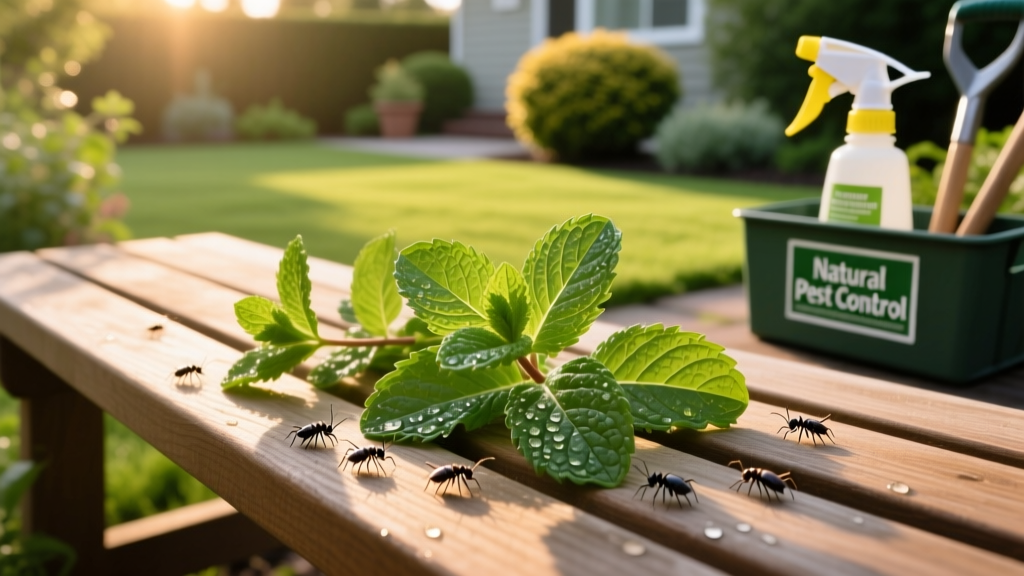
Does Peppermint Repel Fleas? The Science, Risks, and Real Solutions
The Short Answer: Does Peppermint Repel Fleas?
If you are asking, "does peppermint repel fleas?" the short answer is: technically yes, but practically no. While the active compounds in peppermint oil (Mentha piperita) exhibit mild insect-repelling properties in controlled laboratory settings, they are entirely ineffective for real-world flea management in your yard or home. More importantly, using peppermint oil poses severe, potentially fatal toxicity risks to household pets.
⚠️ CRITICAL PET SAFETY WARNING:
Peppermint essential oil contains pulegone and menthol, which are highly toxic to cats and dogs. Ingestion, skin absorption, or even heavy inhalation can lead to central nervous system depression, liver failure, and death. Never apply DIY peppermint sprays to pets or their primary resting areas.
The Science Behind Peppermint Oil and Insects
To understand why peppermint fails as a long-term flea repellent, we have to look at its chemical composition. Peppermint essential oil is primarily composed of menthol (30-55%), menthone (14-32%), and trace amounts of pulegone. In entomological studies, menthol acts as a mild fumigant and contact irritant to certain insects. When a flea encounters a high concentration of these volatile organic compounds (VOCs), it may experience sensory overload and attempt to flee the area.
However, the fatal flaw of peppermint oil outdoors is its extreme volatility. Essential oils evaporate rapidly when exposed to air, sunlight (UV degradation), and heat. In an outdoor yard environment, a peppermint oil spray will lose its chemical integrity and repellent efficacy within 2 to 4 hours. Fleas have a complex life cycle—egg, larva, pupa, and adult—that spans several weeks. A repellent that vanishes in an afternoon does absolutely nothing to interrupt the reproductive cycle of Ctenocephalides felis (the cat flea, which is the most common species infesting both dogs and yards).
Furthermore, peppermint oil lacks ovicidal (egg-killing) and larvicidal (larvae-killing) properties. Even if it repels an adult flea from a specific blade of grass, it will not kill the thousands of larvae developing in the thatch layer of your lawn.
The Hidden Danger: Peppermint Oil Toxicity in Pets
The U.S. Food and Drug Administration (FDA) and the ASPCA Animal Poison Control Center consistently warn against the use of concentrated essential oils around pets. The danger lies in how different species metabolize these compounds.
Feline vs. Canine Hepatic Processing
Cats are uniquely vulnerable to peppermint oil due to a genetic deficiency in their liver enzymes. Specifically, felines lack adequate levels of glucuronyl transferase, the enzyme responsible for breaking down phenolic compounds and terpenes like pulegone and menthol. When a cat walks through a yard recently treated with a peppermint spray and subsequently grooms its paws, the ingested oil accumulates rapidly in the liver. This leads to acute hepatic toxicity, characterized by ataxia (loss of coordination), severe lethargy, vomiting, and potentially fatal liver failure.
Dogs possess slightly better hepatic processing capabilities but are still highly susceptible to central nervous system depression and gastrointestinal distress from pulegone exposure. Symptoms in canines include excessive drooling, muscle tremors, and respiratory distress.
Comparing Peppermint to Proven Flea Treatments
When managing a flea infestation, you need solutions with residual efficacy and life-cycle disruption capabilities. Below is a comparison of peppermint oil against scientifically backed yard treatments.
| Treatment Type | Active Ingredient | Residual Efficacy | Pet Safety Profile | Est. Cost per 2,000 sq ft |
|---|---|---|---|---|
| Peppermint Oil | Menthol / Pulegone | 2-4 Hours | Highly Toxic | $15 - $25 |
| Beneficial Nematodes | Steinernema carpocapsae | 2-3 Weeks (Living) | 100% Safe | $30 - $45 |
| Insect Growth Regulator (IGR) | Pyriproxyfen | 3-7 Months | Safe (when dry) | $10 - $15 |
| Botanical Insecticide | Spinosad | 10-14 Days | Safe (toxic to bees wet) | $20 - $30 |
How to Actually Eradicate Fleas in Your Yard (Without Essential Oils)
According to University of Kentucky Entomology extension guidelines, effective outdoor flea control requires targeting the shaded, humid microclimates where flea larvae thrive. The Centers for Disease Control and Prevention (CDC) also emphasizes integrating environmental management with targeted biological and chemical controls. Here is a proven, pet-safe protocol for reclaiming your lawn.
Step-by-Step Yard Treatment Protocol
Phase 1: Habitat Disruption (Day 1)
Flea larvae cannot survive in direct sunlight or dry conditions. Mow your lawn to a height of 2.5 inches and aggressively rake out thatch buildup. Prune low-hanging tree branches to allow UV penetration into shaded areas where pets frequently rest.
Phase 2: Biological Warfare (Day 2)
Apply beneficial nematodes (Steinernema carpocapsae). These microscopic worms naturally occur in soil and actively hunt flea larvae, entering their bodies and releasing bacteria that kill the pest within 48 hours.
Application Specs: Purchase a hose-end sprayer pack containing 10 million nematodes (approx. $35). Apply in the early evening or on a cloudy day to prevent UV desiccation. Water the lawn lightly before and immediately after application to help the nematodes migrate into the soil profile.
Phase 3: Life Cycle Interruption (Day 5)
To prevent surviving pupae from hatching and restarting the cycle, apply an Insect Growth Regulator (IGR) containing pyriproxyfen (e.g., Archer IGR or Tekko Pro). IGRs mimic juvenile hormones, preventing larvae from molting into adults and sterilizing adult females.
Application Specs: Mix 1 oz of pyriproxyfen per gallon of water to cover 1,000 square feet. Spray heavily around the perimeter of your home, under decks, and in kennel areas. Keep pets off the lawn until the spray is completely dry (usually 2-3 hours). Once dry, it is entirely safe for dogs and cats.
Frequently Asked Questions
Will planting peppermint in my garden repel fleas?
No. While growing Mentha piperita adds a pleasant aroma to your garden, the plant does not release a high enough concentration of volatile oils into the air to deter fleas. The repellent effect only occurs when the leaves are crushed, and even then, the effect is highly localized and temporary.
Can I use diluted peppermint oil on my dog's collar?
It is strongly advised against. Even heavily diluted peppermint oil can cause contact dermatitis on a dog's skin. Furthermore, as the dog scratches or licks its neck, they risk ingesting the oil, which can lead to gastrointestinal upset and liver strain over time. Stick to veterinarian-approved topical or oral isoxazoline preventatives (e.g., Bravecto, NexGard).
How long does it take for nematodes to clear a yard of fleas?
When applied correctly to moist soil with temperatures between 60°F and 90°F, Steinernema carpocapsae nematodes will significantly reduce the flea larvae population within 7 to 10 days. For severe infestations, a second application 14 days later is recommended to catch any newly hatched larvae.
The Bottom Line:
Skip the peppermint oil. It is a volatile, short-lived irritant that poses unacceptable risks to your pets. Rely on biological controls like nematodes and targeted IGRs to safely and permanently break the flea life cycle in your yard.

