
Pest Control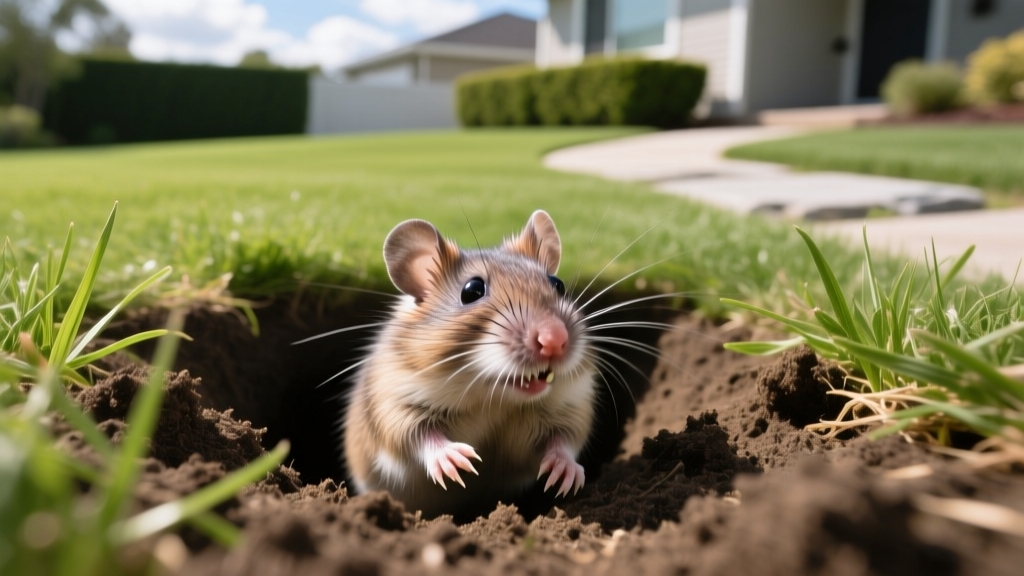
Pest Control Pocket Gophers: Proven Traps, Baits, and Exclusion
Identifying the Intruder: Pocket Gopher vs. Mole
Before deploying any pest control pocket gophers strategy, accurate identification is non-negotiable. Homeowners frequently confuse pocket gophers (Thomomys spp.) with moles, leading to ineffective treatments. Pocket gophers are strict herbivores that consume plant roots, tubers, and lawn crowns, whereas moles are insectivores that primarily eat grubs and earthworms.
The most reliable diagnostic indicator is the soil mound. Pocket gophers create distinct, fan-shaped or crescent-shaped mounds of soil. Crucially, the tunnel entrance is located off to one side of the mound and is plugged with a visible clod of dirt. In contrast, mole mounds are perfectly symmetrical, volcano-shaped, and lack a lateral plug. According to UC Agriculture and Natural Resources Integrated Pest Management, a single pocket gopher can create up to three fresh mounds a day during peak spring and fall activity periods, rapidly undermining turf stability.
Mapping the Main Runway: The Probing Technique
Traps and baits will fail entirely if placed in lateral side-tunnels rather than the main runway. The main runway is a relatively straight tunnel that runs parallel to the soil surface, typically 6 to 12 inches deep. Lateral tunnels branch off at sharp angles to push soil to the surface, forming the mounds you see.
Pro-Tip: The Drop Method
Use a 1/2-inch diameter steel probe rod. Insert the probe 8 to 12 inches away from the plugged side of the mound, angling it slightly toward the mound. Push the rod into the soil. When the tip pierces the main runway, you will feel a distinct, sudden 'drop' or release of pressure. Mark this spot immediately; this is your target zone for trap or bait deployment.
Use a 1/2-inch diameter steel probe rod. Insert the probe 8 to 12 inches away from the plugged side of the mound, angling it slightly toward the mound. Push the rod into the soil. When the tip pierces the main runway, you will feel a distinct, sudden 'drop' or release of pressure. Mark this spot immediately; this is your target zone for trap or bait deployment.
Lethal Pest Control Pocket Gophers Tactics: Traps and Baits
When managing active infestations, lethal intervention is often the only way to halt immediate root destruction. The choice between trapping and baiting depends on soil moisture, local regulations, and the presence of non-target pets.
Trap Selection and Efficacy
Trapping remains the most environmentally sound and immediately verifiable method of eradication. Below is a comparison of the industry-standard traps utilized by professional wildlife control operators in 2026.
| Trap Model | Material & Design | Avg. Cost (Pair) | Best Use Case |
|---|---|---|---|
| Macabee | Galvanized steel, pincer-style | $14 - $18 | Standard lawns; reliable all-around performance in loamy soils. |
| Gophinator | Stainless steel, heavy-duty coil | $24 - $28 | Large gopher species; rocky or heavily compacted clay soils where Macabees bend. |
| Victor Black Hole | High-impact plastic, tube-style | $10 - $12 | Sandy soils; beginners. Less sensitive to light leaks but lower overall catch rate. |
Baiting Protocols and Regulatory Shifts
Recent ecological regulations, particularly in states like California and Washington, have heavily restricted second-generation anticoagulants (SGARs) due to secondary poisoning risks to raptors and scavengers. Consequently, modern pest control pocket gophers baiting relies heavily on acute toxicants.
- Zinc Phosphide (2%): Products like Wilco Gopher Getter Type 1 utilize zinc phosphide. When ingested, it reacts with stomach acid to release highly toxic phosphine gas. It is a single-dose lethal bait, meaning the gopher dies before developing bait shyness. Warning: Phosphine gas is hazardous; never use in areas where soil cracking could allow gas to vent into nearby home foundations.
- Strychnine Alkaloid (0.01%): Highly effective but increasingly restricted to licensed pest control applicators. It acts on the central nervous system, causing rapid asphyxiation.
- Anticoagulants (Diphacinone): First-generation anticoagulants require multiple feedings over 3 to 5 days. They are less effective for gophers, as the rodents often plug the tunnel and abandon the bait station after the first feeding due to the disturbance.
Non-Lethal Deterrence & Exclusion
While ultrasonic spikes and castor oil granules are heavily marketed, field studies consistently show they offer only temporary, localized displacement. Gophers quickly habituate to noise and vibration. True deterrence requires physical exclusion.
The Exclusion Standard: To protect raised garden beds or high-value ornamental landscaping, line the bottom and sides with 19-gauge, 1/2-inch galvanized hardware cloth. Bury the mesh at least 18 to 24 inches deep, and bend the bottom 6 inches outward at a 90-degree angle away from the bed. This overhang prevents gophers from simply digging deeper and bypassing the barrier. Source: Colorado State University Extension.
Step-by-Step Trapping Execution
Proper trap setting is a precise mechanical process. Follow this protocol to maximize your catch rate while ensuring safety.
- Excavate the Tunnel: Using a narrow trowel, carefully dig into the lateral tunnel from the mound side until you intersect the main runway. Clear out loose soil to create a flat floor in the tunnel.
- Set and Secure the Trap: Compress the Macabee or Gophinator trap and engage the safety catch. Attach a retention wire and anchor it to a sturdy stake driven into the lawn surface above. Gophers are incredibly strong and will drag unsecured traps deep into their burrow systems.
- Position the Trap: Remove the safety catch and slide the trap into the main runway. Ensure the trigger pan is flush with the tunnel floor.
- Seal the Light Leak: Pocket gophers are hyper-sensitive to light and drafts. If light enters the tunnel, the gopher will instinctively push a wall of dirt forward to plug the breach, burying your trap without triggering it. Cover the excavation hole with a piece of plywood or thick black plastic, and seal the edges tightly with loose soil.
- Check and Reset: Inspect traps every 24 hours. If a trap is buried with dirt but not fired, the tunnel floor was uneven. Re-excavate, level the floor, and reset.
Post-Eradication Lawn Repair
Once trapping yields no new mounds for 14 consecutive days, address the structural damage. Gopher tunnels left underground can collapse later, creating ankle-breaking divots. Use a deep-tine core aerator to fracture the compacted tunnel walls, then top-dress the affected zones with a 70/30 sand-to-compost mix. Rake the mix into the aeration holes and overseed with a turf-type tall fescue blend to restore root density and prevent immediate re-invasion by weed seeds taking advantage of the disturbed soil.

