
Pest Control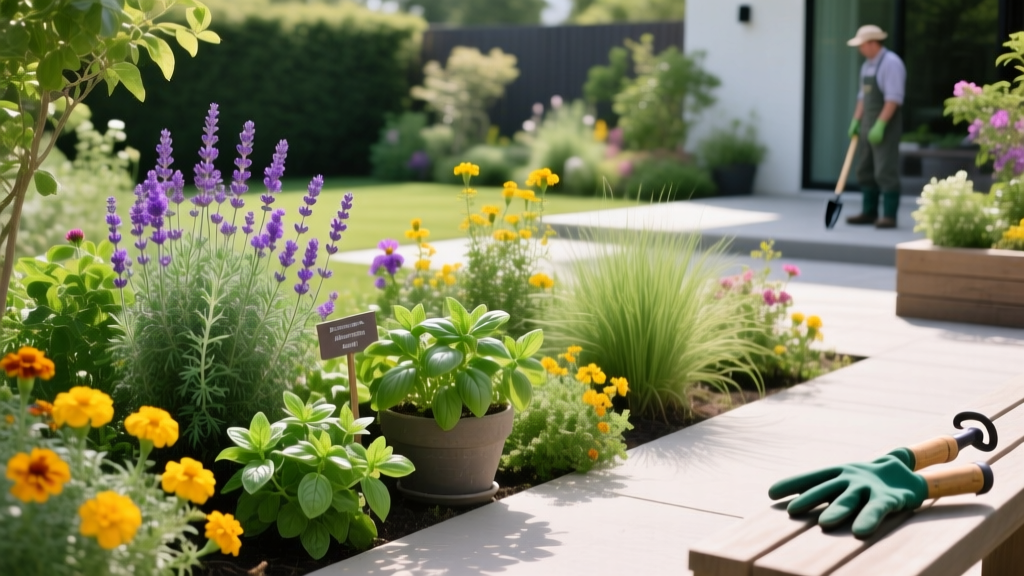
Pest Repelling Plants Playbook: Strategic Garden Placement Guide
The Reality of Botanical Pest Deterrence
Integrating pest repelling plants into your landscape is not about creating a magical, impenetrable forcefield. It is a calculated biological strategy rooted in Integrated Pest Management (IPM). When deployed correctly, specific botanicals disrupt insect host-finding behaviors, mask the volatile organic compounds (VOCs) of your cash crops, or secrete allelopathic chemicals into the soil to suppress subterranean pests.
However, the University of Minnesota Extension notes that simply dotting a few marigolds around a garden bed yields negligible results. True efficacy requires understanding the active chemical compounds, precise spacing requirements, and strategic zoning. This playbook provides the exact specifications needed to turn companion planting from a gardening myth into a measurable pest-control asset.
The Science: How Plants Repel Pests
Botanical deterrence operates through three primary mechanisms:
- Masking and Confusion: Strong aromatic plants (like alliums and mints) release high volumes of VOCs that overwhelm the olfactory receptors of pests like aphids and cabbage moths, preventing them from locating their target host plants.
- Allelopathy and Root Exudates: Certain roots secrete biochemicals directly into the rhizosphere. These compounds are toxic to specific soil-borne pests, such as nematodes, interrupting their life cycles.
- Trap Cropping: While not strictly "repelling," some plants act as hyper-attractants, pulling pests away from your primary crops and concentrating them in a sacrificial zone for easy disposal.
The Core Playbook: High-Efficacy Pest Repelling Plants
The following matrix details the most reliable botanical defenders, their specific target pests, and the exact parameters required for them to function effectively in a home garden setting.
| Common Name | Botanical Name | Target Pests | Active Compound | Spacing & Deployment Notes |
|---|---|---|---|---|
| French Marigold | Tagetes patula | Root-knot nematodes, whiteflies | Alpha-terthienyl | 8-10" apart. Must be planted as a solid stand 2 months before the cash crop to build soil toxicity. |
| Garlic | Allium sativum | Aphids, spider mites, Japanese beetles | Allicin, Diallyl disulfide | 6" apart. Foliage requires mild physical damage (wind, brushing) to volatilize repellent compounds. |
| Catnip | Nepeta cataria | Mosquitoes, ants, cockroaches | Nepetalactone | 18" apart. Lab studies show nepetalactone is highly effective at disrupting mosquito host-seeking behavior. |
| Nasturtium | Tropaeolum majus | Aphids (trap crop), squash bugs | Glucosinolates | 10-12" apart. Plant at the perimeter of squash/cucumber mounds to draw aphids away from the primary crop. |
| Peppermint | Mentha × piperita | Ants, cabbage loopers, flea beetles | Menthol, Menthone | Contain in 12" sunken PVC pipes. Highly invasive if planted directly in soil. |
Strategic Zoning: Where to Plant for Maximum Impact
Random placement wastes the biological potential of these plants. To maximize your garden's defense, divide your landscape into specific functional zones.
Zone 1: The Perimeter Moat
Your garden's perimeter should be lined with tall, highly aromatic deterrents to create a VOC barrier. Plant a continuous border of Nepeta cataria (catnip) or Mentha × piperita (peppermint) along the outer edges of your raised beds or property lines. This disrupts the flight paths of incoming moths and beetles before they even reach your vegetables. For mint, always use physical barriers. Sink 12-inch diameter PVC pipe sections 10 inches into the ground, leaving 2 inches above grade, and plant the mint inside. This contains the aggressive rhizomes while allowing the aerial repellent properties to function.
Zone 2: Intercropping Grids
Inside the beds, use a grid intercropping method. According to research highlighted by the University of Wisconsin-Madison Extension, French marigolds (Tagetes patula) are uniquely effective against root-knot nematodes (Meloidogyne spp.), but only if planted densely. Do not use African marigolds (Tagetes erecta); they lack the necessary concentration of alpha-terthienyl in their root exudates. Plant French marigolds in a solid block, spaced 8 inches apart, and let them grow for a full 60 days. Till them into the soil as green manure, or plant your susceptible crops (like tomatoes and peppers) directly into the established marigold grid.
⚠️ Critical Volatilization Requirement: Many gardeners report that garlic and mint fail to repel pests. The issue is usually a lack of volatilization. Plants like garlic store their defensive compounds (allicin precursors) in intact cells. To create a repellent "cloud" of VOCs, the foliage must be lightly crushed or agitated. Gently brushing your hands over your allium and mint plants during your morning garden walk releases the necessary oils into the air to mask your cash crops.
Troubleshooting: Why Your Repellent Plants Are Failing
If you are still experiencing heavy pest pressure despite using botanical deterrents, evaluate your strategy against these common failure modes:
- Wrong Cultivar Selection: As noted, buying generic "marigold" seeds often results in African or Signet varieties. Only Tagetes patula (French) and Tagetes tenuifolia (Signet, to a lesser degree) provide reliable nematode suppression. Always check the botanical name on the seed packet.
- Insufficient Biomass: A single basil plant next to a sprawling tomato vine produces less than 1% of the VOC volume required to mask the tomato's scent from a hornworm. You need a minimum 1:3 ratio of repellent plant biomass to cash crop biomass for aerial masking to work.
- Trap Crop Neglect: If you use nasturtiums to draw aphids away from your cucumbers, you must actively destroy the nasturtiums once they become heavily infested. Leaving a saturated trap crop in the garden simply creates a localized pest breeding ground that will eventually spill over to your main harvest.
- Over-fertilization: High nitrogen synthetic fertilizers push rapid, sappy green growth in your crops, making them irresistibly attractive to sap-sucking insects like aphids. This biological attractant easily overrides the mild deterrent effect of nearby companion plants. Stick to slow-release organic amendments.
Integrating Botanicals with Broader IPM
Pest repelling plants are a foundational layer, not a standalone cure. For severe infestations, botanical deterrents must be paired with active interventions. Use your intercropped zones to monitor pest populations. When aphid counts on your trap crops exceed 50 per leaf, introduce biological controls like Aphidius colemani parasitic wasps or apply a targeted, OMRI-listed insecticidal soap directly to the pest colonies. The repellent plants will prevent new waves of pests from migrating in, while your active treatments eliminate the existing population.
Frequently Asked Questions
Do pest repelling plants actually work in outdoor environments?
Yes, but their efficacy is highly dependent on wind conditions and plant density. In an open, highly windy field, VOCs dissipate too quickly to mask crop scents. In enclosed spaces like raised beds, patios, or polytunnels, the concentration of repellent oils remains high enough to significantly disrupt pest navigation.
Can I plant mint directly in my lawn to repel fleas and ticks?
No. Mint is highly allelopathic and invasive; it will aggressively choke out your turfgrass and destroy your lawn's root structure. To repel fleas and ticks in a yard setting, rely on targeted biological nematodes (Steinernema carpocapsae) applied via hose-end sprayer, and keep the grass mowed below 3 inches to eliminate the humid microclimates ticks require.
What is the best plant for deterring mosquitoes around a patio?
Citronella grass (Cymbopogon nardus) and Catnip (Nepeta cataria) are the most effective. However, simply having them in pots is insufficient. You must crush the leaves to release the oils, or use a fan to blow the ambient VOCs across your seating area. For immediate patio defense, crushing fresh catnip leaves and rubbing them on your skin provides a natural, highly effective barrier.

