
Pest Control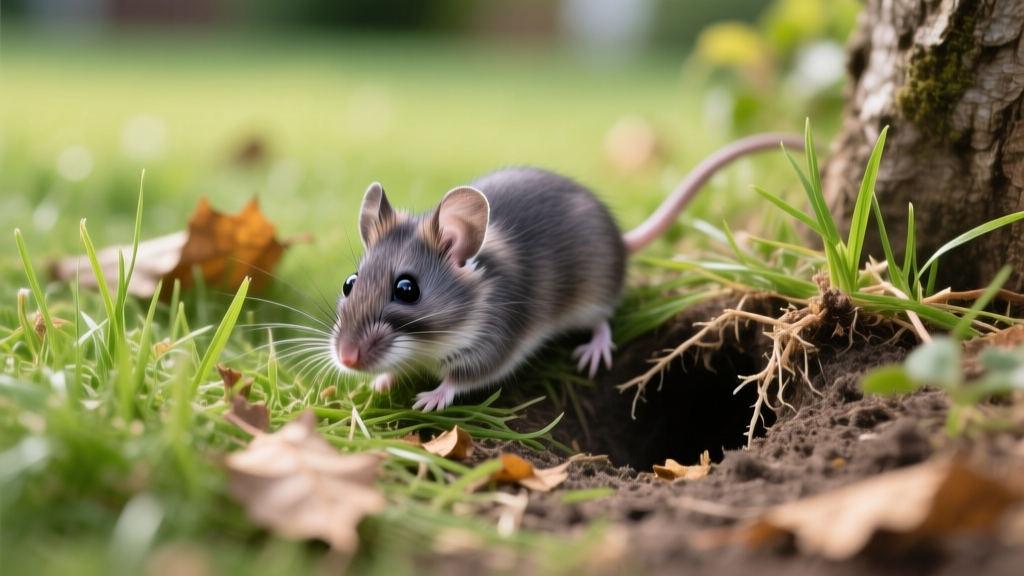
Seen a Picture of a Vole? Identify and Deter These Lawn Rodents
The Visual ID Test: What to Look for in a Picture of a Vole
When homeowners notice mysterious damage in their garden beds or lawn, their first instinct is often to search for a picture of a vole to confirm their suspicions. Voles (often mistakenly called meadow mice) are prolific breeders and voracious herbivores that can decimate landscaping in a matter of weeks. However, accurately identifying the culprit is critical, as the control methods for voles differ drastically from those used for moles or gophers.
Quick Morphological Checklist:
- Body Shape: Stocky, compact, and cylindrical (unlike the slender build of a house mouse).
- Snout: Blunt and rounded (moles have elongated, star-shaped, or pointed snouts).
- Tail: Very short, typically 1 to 2 inches long, and covered in sparse hair.
- Ears: Small, rounded, and partially hidden by thick fur.
- Size: Adult meadow voles range from 5 to 8 inches in total length, weighing 1.5 to 2.5 ounces.
It is also vital to distinguish between the two primary species that plague North American lawns: the meadow vole (Microtus pennsylvanicus) and the pine vole (Microtus pinetorum). Meadow voles primarily construct surface runways through tall grass, while pine voles are largely subterranean, creating shallow tunnel networks that mimic mole damage but lack the characteristic volcanic soil mounds.
Surface Runways vs. Subsurface Tunnels: Reading the Damage
A picture of a vole only tells half the story; the damage they leave behind provides the definitive proof. According to the Penn State Extension, voles do not typically consume the roots of mature turfgrass. Instead, they clip the blades at the base and use the grass to construct hidden surface runways.
| Pest | Primary Damage Signature | Soil Displacement |
|---|---|---|
| Vole | 1.5 to 2-inch wide surface runways; grass clipped at a sharp 45-degree angle; bark girdling on young trees. | None. No mounds. Occasional small 1.5-inch hole leading to a shallow burrow. |
| Mole | Raised, spongy ridges across the lawn; dead patches caused by root disruption. | Symmetrical, volcano-shaped mounds of finely sifted soil. |
| Gopher | Entire plants pulled underground from the root zone; severed irrigation lines. | Asymmetrical, fan-shaped or crescent-shaped mounds with a plugged hole to the side. |
The 45-Degree Clipping Rule: If you inspect the damaged grass blades closely, vole damage features a clean, sharp cut at a distinct 45-degree angle. This is caused by their chisel-like incisors. Rabbit damage tends to be cleaner and higher up the stem, while deer damage leaves ragged, torn edges because they lack upper incisors.
Proven Deterrence and Eradication Frameworks
Once you have matched your lawn damage to a picture of a vole and confirmed the infestation, immediate action is required. Voles can produce 5 to 10 litters per year, with 3 to 6 young per litter. A localized problem can escalate into a colony of hundreds by late autumn.
Phase 1: Habitat Modification (The $0 Fix)
Voles rely on heavy ground cover to hide from aerial predators like hawks and owls. The University of California Statewide IPM Program emphasizes that habitat modification is the most sustainable long-term deterrent.
- Mowing Height: Maintain your turf at a maximum of 2.5 inches. Tall fescue left at 4 inches provides an ideal highway for meadow voles.
- Mulch Management: Pull mulch back at least 3 feet from the base of young trees and shrubs. Voles use mulch piles as winter nesting sites and will girdle the bark of your trees under the cover of the mulch.
- Debris Clearance: Remove dense groundcovers like ivy or pachysandra near high-value garden beds, or install physical barriers beneath them.
Phase 2: Physical Exclusion (Fencing and Tree Guards)
Standard chicken wire (1-inch mesh) is completely useless against voles; they can easily squeeze through the gaps. For physical exclusion, you must use 24-gauge, 1/4-inch mesh hardware cloth.
Tree Guard Specification: Cut a piece of 1/4-inch hardware cloth 18 inches wide and long enough to wrap around the tree trunk with a 2-inch overlap. Form it into a cylinder, bury the bottom edge 6 inches deep in the soil (to prevent subterranean pine voles from tunneling under it), and ensure it extends 12 inches above the anticipated winter snow line.
Phase 3: Lethal Control via the 'Shoebox Method'
While castor-oil-based repellents (like Tomcat Mole & Gopher Repellent) offer temporary relief for 2 to 3 weeks, trapping is the only way to actively reduce an established population. Standard mouse snap traps are often too weak to humanely kill larger meadow voles. Opt for the Victor Easy Set Rat Trap or heavy-duty wooden snap traps.
- Locate the Runway: Find an active surface runway (test by placing a small stick across it; if it's moved the next day, it's active).
- Baiting: Voles are herbivores but respond exceptionally well to high-fat baits. Use a mixture of peanut butter and rolled oats, or a fresh slice of apple tied to the trigger.
- The Shoebox Trick: Place the baited trap directly inside the runway. Cover the trap with a standard cardboard shoebox with a 2-inch hole cut in each end to align with the runway. Place a heavy brick on top of the box. This shields the trap from birds, pets, and non-target wildlife, while the dark enclosure makes the vole feel secure enough to step onto the trigger plate.
Cost Breakdown: DIY vs. Professional Rodent Control
Understanding the financial commitment helps homeowners decide between weekend DIY efforts and hiring licensed wildlife control operators. Below are the average market rates for vole management in 2026.
| Treatment Method | Estimated Cost | Efficacy Timeline |
|---|---|---|
| DIY Snap Trapping (Traps + Bait) | $25 - $45 | Immediate (3-7 days for population drop) |
| DIY Hardware Cloth Tree Guards (Per Tree) | $8 - $15 | Permanent (Preventative) |
| Castor Oil Repellent Granules (5,000 sq ft) | $30 - $50 | Temporary (Reapply every 3 weeks) |
| Professional Wildlife Exclusion Service | $350 - $650 per visit | 1-2 weeks (Includes trapping and habitat mod) |
Frequently Asked Questions
Do voles carry diseases that threaten humans?
Unlike deer mice or white-footed mice, voles are not primary vectors for Hantavirus or Lyme disease. However, they can carry ectoparasites like fleas and mites, and their urine can contaminate garden produce. Always wear nitrile gloves when handling traps or disposing of carcasses.
Will ultrasonic repellent spikes work on voles?
Independent studies consistently show that solar-powered ultrasonic stakes yield negligible results against voles. Voles quickly habituate to the high-frequency sounds, and the acoustic waves fail to penetrate dense soil or thick root systems effectively. Stick to physical exclusion and mechanical trapping.
For further reading on regional vole population cycles and ecological management, consult your local university extension office or refer to the University of Minnesota Extension's wildlife management guidelines. Accurate identification via a picture of a vole and understanding their specific behavioral patterns are the first and most crucial steps in reclaiming your lawn.

