
Pest Control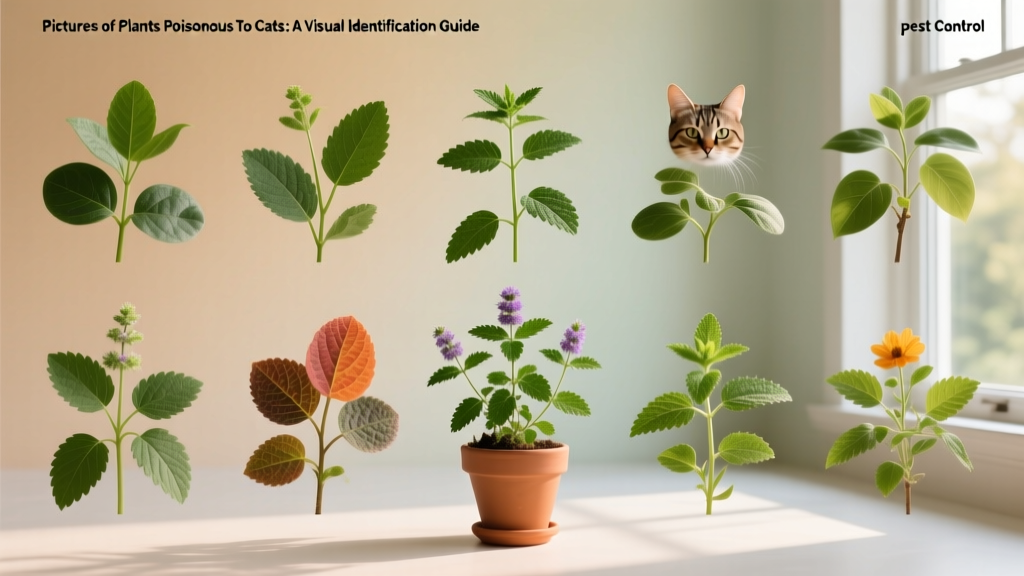
Pictures of Plants Poisonous to Cats: A Visual Identification Guide
Feline Foraging Behavior and Botanical Toxicity
While cats are obligate carnivores, their instinct to chew on vegetation for digestive aid or environmental enrichment makes them highly susceptible to garden plant toxicity. According to the ASPCA Animal Poison Control Center, thousands of feline botanical toxicity cases are reported annually, many resulting from common landscaping shrubs and ornamental flowers. Identifying plants poisonous to cats using pictures and visual cues is the most effective first line of defense in landscape management.
This practical guide provides visual identification markers for the most dangerous garden plants, step-by-step eradication protocols, and structural barrier installations to secure your outdoor space.
Visual Identification: The Most Lethal Landscape Plants
When auditing your garden, rely on specific botanical features rather than general appearances. Many toxic plants share visual similarities with safe species, making precise identification critical.
1. True Lilies and Daylilies (Lilium and Hemerocallis species)
- Visual Markers: Trumpet-shaped or star-shaped flowers with six petals and six stamens. Leaves are typically long, lanceolate, and feature parallel veins. True lilies grow from scaly bulbs, while daylilies grow from tuberous roots.
- Toxicity Profile: All parts of the plant, including the water in the vase, contain a water-soluble compound that causes acute kidney injury (AKI) in felines. Ingestion of even a single petal or licking pollen off their fur can be fatal without aggressive intravenous fluid therapy within 18 hours.
2. Sago Palm (Cycas revoluta)
- Visual Markers: Stiff, feather-like dark green fronds radiating from a central, rough, woody trunk. Often used in tropical or xeriscape landscaping. The female plant produces a bright orange, dome-shaped seed cone.
- Toxicity Profile: Contains cycasin, a potent hepatotoxin. The seeds (nuts) are the most toxic part, but chewing on any frond can trigger severe liver failure. The Pet Poison Helpline notes a high mortality rate for sago palm ingestion due to the rapid onset of hepatic necrosis.
3. Oleander (Nerium oleander) and Azaleas (Rhododendron species)
- Visual Markers (Oleander): Lance-shaped, leathery leaves arranged in whorls of three. Produces clusters of pink, white, or red tubular flowers. Common in warmer USDA zones (8-10).
- Visual Markers (Azaleas): Dense, multi-stemmed shrubs with elliptical, fuzzy leaves. Produces massive, showy clusters of bell-shaped flowers in spring.
- Toxicity Profile: Oleander contains cardiac glycosides that disrupt the sodium-potassium pump in heart muscle cells, leading to fatal arrhythmias. Azaleas contain grayanotoxins, which bind to sodium channels, causing excessive salivation, vomiting, hypotension, and cardiovascular collapse.
⚠️ Warning: Composting Hazards
Never compost clippings from oleander, sago palm, or yew. The toxins (cardiac glycosides and taxines) do not degrade during the standard composting process and can poison wildlife or contaminate soil used for edible gardens.
Never compost clippings from oleander, sago palm, or yew. The toxins (cardiac glycosides and taxines) do not degrade during the standard composting process and can poison wildlife or contaminate soil used for edible gardens.
Step-by-Step Hazard Eradication Protocol
Removing established toxic plants requires more than pulling the visible foliage. Follow this protocol to ensure complete extraction and prevent regrowth or secondary poisoning.
- Site Preparation and PPE: Wear heavy-duty nitrile gloves and long sleeves. Plants like Oleander exude a milky sap that causes severe contact dermatitis, and Sago Palm fronds can cause mechanical puncture wounds.
- Perimeter Excavation: Using a sharp, flat-edged spade, cut a circle 12 to 18 inches in diameter around the base of the plant. For Sago Palms, you must dig at least 24 inches deep to extract the entire taproot and caudex.
- Root Ball Extraction: Lever the root ball out completely. Inspect the soil cavity for any remaining root fragments, which can sprout new toxic growth.
- Secure Disposal: Place all plant material, including fallen leaves and seed pods, into heavy-duty contractor trash bags. Seal tightly and dispose of via municipal solid waste. Do not leave bagged clippings on the curb where neighborhood cats or wildlife could access them.
- Soil Remediation: Backfill the hole with fresh, sterile topsoil. If the area previously housed heavy-feeding toxic shrubs, amend the soil with a balanced 10-10-10 granular fertilizer before planting safe alternatives.
Landscape Substitution Matrix: Toxic vs. Safe Alternatives
Maintaining your desired landscape aesthetic is possible by swapping hazardous flora with visually similar, feline-safe alternatives. Use this matrix to guide your nursery purchases.
| Toxic Plant | Visual Appeal / Function | Cat-Safe Alternative | USDA Hardiness Zone |
|---|---|---|---|
| Sago Palm | Tropical focal point, architectural fronds | Majesty Palm (Ravenea rivularis) | 9-11 (or patio) |
| True Lilies | Tall, colorful summer blooms | Canna Lilies (Canna generalis) | 8-11 |
| Azaleas | Dense spring flowering shrub | Camellia (Camellia japonica) | 7-9 |
| Oleander | Evergreen privacy screen | Viburnum (Viburnum tinus) | 7-10 |
| Lily of the Valley | Shaded ground cover, bell flowers | Creeping Thyme (Thymus serpyllum) | 4-9 |
Installing Physical Barriers and Olfactory Deterrents
If you cannot immediately remove a borderline toxic plant, or if you want to protect your newly installed safe garden beds from neighborhood cats, implement structural and olfactory barriers.
Subterranean and Surface Mesh Barriers
To prevent cats from digging in garden beds and ingesting soil-borne roots or bulbs, install 1/2-inch galvanized hardware cloth. Cut the mesh to fit the garden bed, lay it flat over the soil, and secure it with 6-inch landscape staples. Cover the mesh with 2 inches of decorative river rock or large-bark mulch (avoid fine cocoa bean mulch, which is highly toxic to both cats and dogs). The 1/2-inch aperture is small enough to deter pawing but large enough to allow water penetration and plant growth.
Olfactory Deterrent Plantings
Cats possess a highly developed vomeronasal organ and detest specific volatile compounds. Interplant your borders with Coleus canina (often marketed as the 'Scaredy Cat' plant), which emits a foul odor to felines when brushed. Alternatively, establish borders of Rosemary (Salvia rosmarinus) and Lavender (Lavandula angustifolia). While safe for cats, the high concentration of essential oils in these herbs acts as a natural, non-toxic repellent.
Emergency Triage and Veterinary Economics
🚨 Emergency Action Plan
If you witness your cat chewing on a toxic plant, do not attempt to induce vomiting at home using hydrogen peroxide. Felines are highly sensitive to peroxide, which can cause severe hemorrhagic gastritis and aspiration pneumonia. Instead, gently wipe any visible pollen from their fur with a damp towel to prevent grooming ingestion, and transport them to an emergency veterinary clinic immediately.
If you witness your cat chewing on a toxic plant, do not attempt to induce vomiting at home using hydrogen peroxide. Felines are highly sensitive to peroxide, which can cause severe hemorrhagic gastritis and aspiration pneumonia. Instead, gently wipe any visible pollen from their fur with a damp towel to prevent grooming ingestion, and transport them to an emergency veterinary clinic immediately.
The financial impact of botanical toxicity is severe. Treatment for lily-induced acute kidney injury often requires 48 to 72 hours of aggressive intravenous fluid diuresis, with total veterinary costs ranging from $1,500 to $3,000. If the cat progresses to anuric renal failure, peritoneal dialysis or hemodialysis may be required, pushing the cost well over $5,000, with a guarded prognosis for survival. Proactive landscape auditing is not just a health measure; it is a critical financial safeguard for pet owners.
Frequently Asked Questions
Are ornamental grasses toxic to cats?
Most true ornamental grasses (like Miscanthus or Pennisetum) are non-toxic. However, cats frequently vomit after eating them due to the mechanical irritation of the leaf blades. Ensure your grasses are free from toxic weed infiltrations, such as Foxtail, whose barbed seed heads can cause severe internal migrating injuries.
How can I identify unknown plants in my new home's garden?
Use the PictureThis or PlantNet mobile applications, which utilize AI image recognition to identify plants from photos with over 95% accuracy. Cross-reference the botanical name provided by the app against the ASPCA's toxic plant database before allowing your cat outdoor access.

