
Pest Control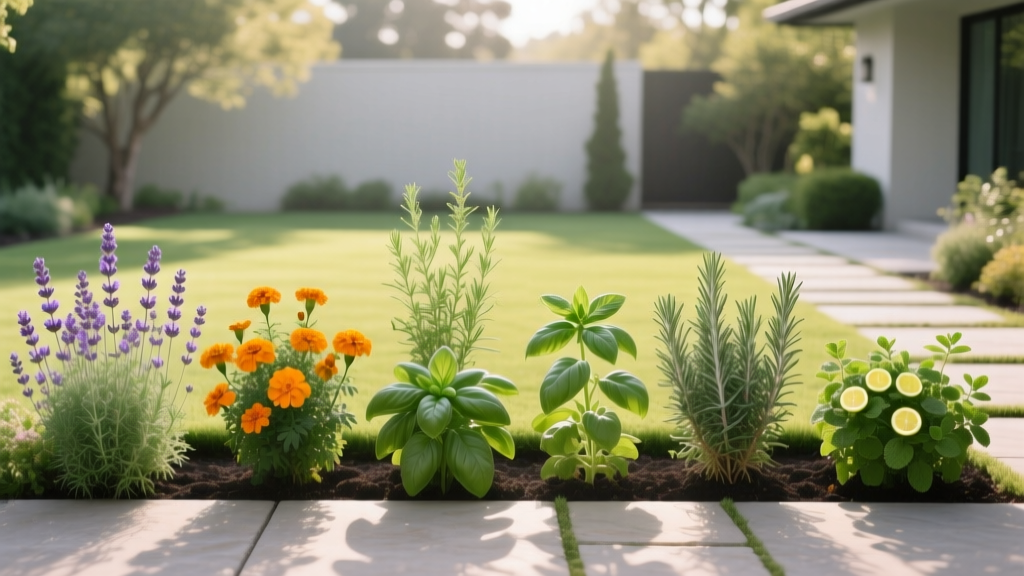
7 Best Plants That Deter Fleas From Your Yard Naturally
The Science of Botanical Flea Repellency
When building an insect and rodent yard defense strategy, it is critical to understand the biological limitations of botanical repellents. Plants that deter fleas do not kill adult fleas (Ctenocephalides felis) on contact. Instead, they emit volatile organic compounds (VOCs) that disrupt the flea’s olfactory receptors. Fleas rely on detecting carbon dioxide, body heat, and specific host odors to locate mammals. The terpenes, alkaloids, and phenols released by certain plants mask these host signatures and irritate the flea's sensory organs, forcing them to bypass treated zones.
However, simply planting a shrub in the corner of your yard will not yield results. The concentration of VOCs in the ambient air is often too low to create a repellent barrier. To maximize efficacy, you must select high-oil-yield cultivars, plant them in dense strategic clusters, and occasionally agitate the foliage to release the essential oils into the immediate microclimate. According to the Environmental Protection Agency (EPA), botanical pesticides and repellents degrade rapidly in sunlight, meaning living plants offer a continuous, low-dose release mechanism that synthetic sprays cannot replicate.
Comprehensive Matrix: Flea-Deterring Plants & Pet Safety
Before selecting your botanical arsenal, cross-reference your plant choices with your household pets. Many plants that are highly effective at repelling insects contain compounds that are toxic to dogs and cats if ingested in large quantities. Always consult the ASPCA's Toxic and Non-Toxic Plants database before planting.
| Plant Species | Active Repellent Compound | USDA Zones | Pet Toxicity Profile | Sun & Soil Requirements |
|---|---|---|---|---|
| Rosemary (Salvia rosmarinus) | Camphor, 1,8-Cineole | 7-10 | Non-Toxic | Full sun; well-draining, pH 6.0-7.0 |
| Catnip (Nepeta cataria) | Nepetalactone | 3-9 | Non-Toxic | Full sun to partial shade; pH 6.1-7.8 |
| French Marigold (Tagetes patula) | Terpenes, Limonene | 2-11 (Annual) | Non-Toxic (Mild GI upset if eaten) | Full sun; adaptable, pH 6.0-7.5 |
| Chrysanthemum (Chrysanthemum spp.) | Pyrethrins | 5-9 | Highly Toxic to Dogs & Cats | Full sun; rich, moist soil, pH 6.5-7.0 |
| Lavender (Lavandula angustifolia) | Linalool, Linalyl acetate | 5-9 | Mildly Toxic (if ingested in bulk) | Full sun; dry, alkaline soil, pH 6.5-8.0 |
| Spearmint (Mentha spicata) | Pulegone, Menthol | 4-9 | Mildly Toxic (if ingested in bulk) | Partial shade; moist, pH 6.0-7.0 |
| Lemongrass (Cymbopogon citratus) | Citronellal, Geraniol | 9-11 | Mildly Toxic (if ingested in bulk) | Full sun; loamy, pH 6.5-7.0 |
Top 5 Plants That Deter Fleas (Deep Dive)
1. Rosemary (Salvia rosmarinus)
Rosemary is a cornerstone of pet-safe yard defense. The compound 1,8-cineole acts as a powerful olfactory disruptor. For ground cover applications where pets run, use the 'Prostratus' (creeping rosemary) cultivar, which stays under 18 inches tall and forms a dense mat. Plant creeping rosemary 24 to 36 inches apart in sandy or loamy soil. Avoid heavy clay; rosemary roots will rot if soil retains water for more than 12 hours after rainfall. Prune heavily in early spring to stimulate new growth, which produces the highest concentration of essential oils.
2. Catnip (Nepeta cataria)
While famous for its effect on felines, catnip is a formidable insect deterrent. Nepetalactone, the essential oil in catnip, has been documented in entomological studies to be significantly more effective at repelling certain insects than DEET. To prevent your yard from becoming a neighborhood cat magnet, opt for the 'Walker's Low' or 'Purrsian Blue' cultivars, which are highly ornamental, produce abundant nepetalactone, and are slightly less stimulating to cats than the wild species. Plant in well-draining soil and shear back by one-third after the first bloom to force a second flush of oil-rich foliage.
3. French Marigolds (Tagetes patula)
French marigolds are superior to African marigolds (Tagetes erecta) for pest control due to their higher concentration of pungent terpenes and limonene. These compounds mask the scent of mammalian hosts. Plant French marigolds in a dense border (spacing 8 to 10 inches apart) around the perimeter of your lawn or patio. To maximize oil release, deadhead spent blooms immediately and lightly crush the foliage when walking past. Note that marigolds are annuals in most zones and must be replanted or allowed to self-seed each spring.
4. Chrysanthemums (Chrysanthemum spp.)
Chrysanthemums contain pyrethrins, a class of organic compounds that attack the nervous system of insects. While pyrethrins are widely used in commercial flea sprays, the concentration in living plants is lower and acts primarily as a deterrent rather than a contact killer. Warning: Pyrethrins are highly toxic to cats and dogs. If you use chrysanthemums, plant them in elevated hanging baskets, behind physical fencing, or in front-yard beds where pets do not have access. Never allow pets to chew on the leaves or flowers.
5. Lavender (Lavandula angustifolia)
Lavender relies on linalool to repel fleas, ticks, and mosquitoes. The 'Phenomenal' cultivar is highly recommended for yard defense due to its exceptional disease resistance and high oil yield. Lavender requires alkaline soil (pH 6.5 to 8.0). If your native soil is acidic, amend the planting hole with agricultural lime and crushed oyster shells. Space plants 24 inches apart to ensure adequate airflow, which prevents root rot and fungal issues like powdery mildew.
Strategic Yard Zoning for Maximum Efficacy
Randomly placing flea-repelling plants will not protect your yard. You must design a multi-layered defense perimeter based on flea biology. Fleas thrive in shaded, humid microclimates with temperatures between 70°F and 85°F.
Pro-Tip: The Agitation Method
Botanical repellents require physical agitation to release VOCs into the air. Install stepping stones through your rosemary and lavender borders so that brushing against the plants during normal yard use naturally releases the flea-deterring oils into the immediate environment.
Botanical repellents require physical agitation to release VOCs into the air. Install stepping stones through your rosemary and lavender borders so that brushing against the plants during normal yard use naturally releases the flea-deterring oils into the immediate environment.
Zone 1: The Perimeter Barrier
Fleas often migrate into yards via wildlife (raccoons, opossums, stray cats). Plant a dense, 2-foot-wide border of Lemongrass and Rosemary along your property lines, particularly near wooded edges or alleyways. In USDA zones below 9, grow Lemongrass in large, movable resin planters (minimum 15 gallons) so they can be relocated to a greenhouse or garage during winter freezes.
Zone 2: Pet Lounging and Transit Areas
Under decks, around dog houses, and along shaded fence lines are prime flea breeding grounds. Use pet-safe options like Catnip, French Marigolds, and Creeping Rosemary here. Avoid planting mint directly in the ground in these zones; mint is highly invasive and will choke out your lawn. Instead, use 12-inch terracotta pots filled with Spearmint and place them strategically around pet beds and outdoor furniture.
Integrating Botanicals with Biological Controls
Plants that deter fleas only address the adult flea's host-seeking behavior. They do nothing to kill the larvae and pupae developing in your soil. For a complete Integrated Pest Management (IPM) approach, you must pair botanical repellents with biological soil treatments.
- Beneficial Nematodes (Steinernema carpocapsae): These microscopic worms actively hunt and kill flea pupae and larvae in the top 2 inches of soil. Apply at a rate of 1 million nematodes per 1,500 square feet. Hydrate the soil thoroughly before application, and apply at dusk to protect the nematodes from UV degradation. Reapply every 4 weeks during peak flea season (late spring through early autumn).
- Food-Grade Diatomaceous Earth (DE): Dust DE lightly in dry, shaded areas under porches and inside dog houses. DE works mechanically, lacerating the exoskeleton of fleas and causing dehydration. It must be reapplied after every rainfall or heavy irrigation, as it loses efficacy when wet.
- Yard Debris Management: Flea larvae require high humidity and organic debris to survive. Rake up fallen leaves, dethatch your lawn annually, and prune lower tree branches to allow sunlight to penetrate the soil surface, lowering ground humidity.
Frequently Asked Questions
Do essential oil sprays made from these plants work better than the living plants?
Concentrated essential oil sprays (like diluted peppermint or cedarwood oil) provide an immediate, high-dose repellent effect, but they degrade within 24 to 48 hours and can cause severe contact dermatitis or respiratory distress in dogs and cats. Living plants provide a continuous, low-dose ambient release that is vastly safer for long-term yard defense. Never spray concentrated essential oils directly on your lawn or pet bedding without veterinary guidance.
Can I plant these in a yard with heavy clay soil?
Most Mediterranean flea-repelling plants (Rosemary, Lavender) will fail in heavy, unamended clay soil due to poor drainage. If you have clay soil, build raised berm beds at least 12 inches high using a mix of 40% native soil, 40% coarse builder's sand, and 20% compost. Alternatively, plant in large, elevated containers with a fast-draining cactus and succulent potting mix.
Will these plants deter ticks as well?
Yes, the volatile compounds in Rosemary, Lavender, and Lemongrass are broadly effective against arachnids, including the black-legged tick (Ixodes scapularis). However, ticks rely more on physical contact (questing on tall grass) than olfactory cues. Combine your botanical borders with aggressive lawn mowing (keeping grass under 3 inches) and a 3-foot-wide barrier of cedar wood chips between your lawn and wooded areas to physically block tick migration.

