
Pest Control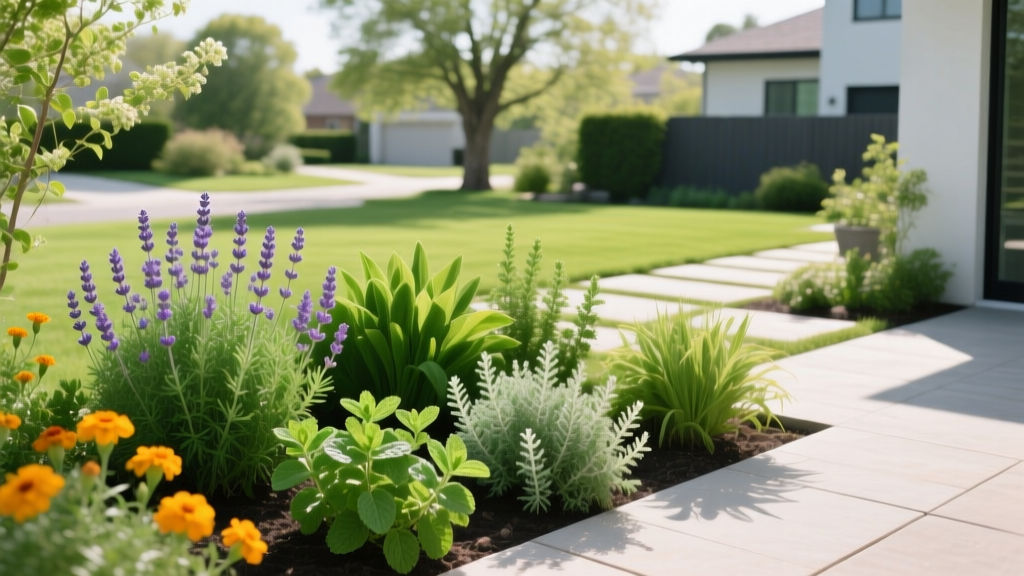
Top Plants That Detract Bugs and Rodents From Your Yard
The Science Behind Botanical Pest Deterrence
When selecting plants that detract bugs and rodents, homeowners often rely on anecdotal advice rather than botanical chemistry. True pest deterrence in landscaping is driven by Volatile Organic Compounds (VOCs) and allelopathic chemicals. These compounds disrupt the olfactory receptors of insects like aphids, whiteflies, and mosquitoes, while toxic alkaloids deter foraging rodents such as voles and pocket gophers. According to the University of Minnesota Extension, the efficacy of these plants depends entirely on the concentration of their essential oils, which fluctuates based on soil quality, sunlight exposure, and cultivar selection.
Simply placing a potted citronella plant on a patio will not protect your yard. To create a functional biological barrier, you must integrate specific cultivars into your landscape architecture, utilizing precise spacing and strategic perimeter placement to establish a continuous chemical shield.
The Core Matrix: Selecting the Right Cultivars
Not all species within a plant family offer the same level of pest resistance. For instance, while many marigolds produce thiophenes, only specific cultivars generate enough alpha-terthienyl to effectively suppress root-knot nematodes and repel above-ground insects. Use the decision matrix below to match your specific pest pressure with the correct botanical defense.
| Plant Species & Cultivar | Target Pests | Active Deterrent Compound | USDA Hardiness Zones | Required Spacing |
|---|---|---|---|---|
| Lavandula angustifolia 'Hidcote' | Mosquitoes, fleas, moths | Linalool, camphor | 5-9 | 18-24 inches |
| Tagetes erecta (African Marigold) | Whiteflies, nematodes, rabbits | Alpha-terthienyl, limonene | Annual (All zones) | 10-12 inches |
| Allium giganteum 'Globemaster' | Voles, deer, aphids | Allicin, sulfur compounds | 4-9 | 12-15 inches |
| Narcissus pseudonarcissus (Daffodil) | Pocket gophers, voles, mice | Lycorine (toxic alkaloid) | 3-8 | 4-6 inches |
| Salvia rosmarinus 'Tuscan Blue' | Carrot rust flies, bean beetles | 1,8-cineole, camphor | 7-10 | 24-36 inches |
Strategic Placement: Building a 3-Foot Perimeter Buffer
The most common failure mode in botanical pest control is scattered planting. To effectively utilize plants that detract bugs, you must establish a continuous 3-foot wide perimeter buffer around high-value zones, such as vegetable gardens, patios, and the immediate foundation of your home.
Step-by-Step Perimeter Installation
- Trench Preparation: Dig a 6-inch deep trench along the target boundary. Amend the native soil with 20% coarse sand to improve drainage, which concentrates essential oil production in Mediterranean herbs like lavender and rosemary.
- Layering Strategy: Plant your tallest deterrents (like Allium giganteum) on the outer edge of the buffer, closest to the wild or unmaintained areas of your property. Place lower-growing, dense plants (like Tagetes erecta) on the inner edge, closest to the protected zone.
- Root Barrier Integration: For aggressive spreaders, install a 60-mil High-Density Polyethylene (HDPE) rhizome barrier at least 18 inches deep before planting to prevent the deterrent plants from invading your turfgrass.
⚠️ The Mint Invasiveness Warning
Many guides recommend Peppermint (Mentha piperita) for deterring ants and rodents. While highly effective due to its high menthol concentration, planting mint directly in garden beds or near lawn edges will result in catastrophic rhizome spread, destroying turf and outcompeting native plants. Always plant mint in isolated, above-ground containers or use commercial galvanized steel stock tanks with a hardware cloth bottom to prevent subterranean escape.
Rodent Defense: Toxicity vs. Olfactory Repellence
While insects are primarily deterred by strong VOCs that mask host-plant scents, rodents require a different approach. The University of California Statewide Integrated Pest Management Program (UC IPM) notes that foraging rodents like pocket gophers and voles rely heavily on tactile and taste-based feedback when tunneling through root zones.
This is where bulbous plants become critical. Daffodils (Narcissus species) contain lycorine, a toxic crystalline alkaloid. When a vole encounters a daffodil bulb while tunneling, the immediate adverse taste and subsequent toxicity force the rodent to divert its tunnel away from the planted area. For maximum rodent defense, interplant daffodil bulbs in a staggered grid pattern (4 inches deep, 6 inches apart) directly over the root zones of vulnerable shrubs and young fruit trees.
Companion Planting vs. Perimeter Planting: Which Works Best?
Understanding the difference between companion planting and perimeter planting is vital for landscape design.
- Companion Planting: Involves intermingling deterrent plants directly within a crop bed (e.g., planting basil next to tomatoes). This is highly effective for localized pest pressure but requires frequent replanting and disrupts uniform lawn aesthetics.
- Perimeter Planting: Involves creating a macro-level biological fence around the entire property or specific zones. This is the superior method for overall yard defense, as it intercepts pests before they enter the managed landscape.
'A successful botanical defense strategy treats the landscape as a fortress. The perimeter plants act as the walls, intercepting pests via olfactory confusion, while companion plants act as the interior guards, handling any stragglers that breach the outer defenses.'
Maintenance Protocols to Maintain Chemical Efficacy
A plant that detracts bugs when healthy can become a pest magnet when stressed or improperly maintained. To ensure your botanical barriers remain potent, adhere to these specific horticultural protocols:
1. Avoid High-Nitrogen Fertilization
Applying synthetic, high-nitrogen fertilizers (like 46-0-0 urea) to aromatic herbs like rosemary and lavender forces rapid, succulent vegetative growth. This dilutes the concentration of essential oils in the leaf tissue, rendering the plant virtually invisible to pests. Instead, top-dress these plants annually with a 1-inch layer of compost and rely on slow-release, low-nitrogen organic amendments like kelp meal (N-P-K ratio of roughly 1-0-2).
2. Strategic Pruning and Harvesting
The VOCs that repel insects are often concentrated in the flowers and newest growth. Deadheading marigolds forces the plant to produce continuous blooms, maintaining high levels of limonene. For lavender, prune back by one-third immediately after the first spring bloom cycle to stimulate dense, oil-rich lateral branching before the peak summer mosquito season.
3. Winter Dormancy Gaps
In USDA Zones 6 and below, annuals like marigolds die back in winter, leaving your perimeter vulnerable to overwintering rodents seeking shelter. To bridge this gap, interplant your annuals with evergreen deterrents like creeping thyme (Thymus serpyllum) or rely heavily on the dormant but physically obstructive foliage of ornamental alliums and daffodil bulbs, which remain unpalatable to rodents even when inactive.

