
Pest Control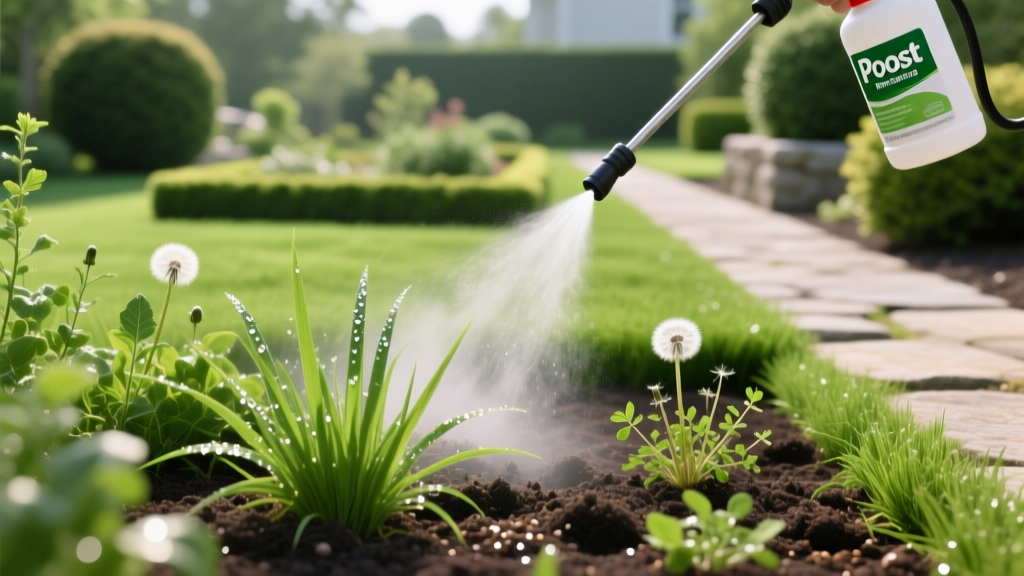
Poast Herbicide Guide: Weed Control in Fertilized Garden Beds
The Soil Nutrition Connection: Why Grassy Weeds Invade Fertilized Beds
Grassy weeds like crabgrass (Digitaria sanguinalis), goosegrass (Eleusine indica), and bermudagrass (Cynodon dactylon) are opportunistic invaders that thrive in nitrogen-rich environments. When homeowners apply high-nitrogen synthetic fertilizers (such as 30-0-0 or 24-4-12 formulations) to ornamental beds or vegetable gardens, the rapid release of ammonium or urea triggers explosive germination and tillering in C4 grassy weeds. Broadleaf ornamentals and vegetables often cannot compete with this aggressive vegetative flush, leading to stunted crop yields and choked flower beds.
To manage this, sethoxydim, commercially branded as Poast herbicide, serves as a highly selective post-emergent solution. Poast targets the acetyl-CoA carboxylase (ACCase) enzyme, which is critical for fatty acid synthesis in grasses. Because broadleaf plants possess a different, insensitive form of ACCase, Poast eradicates the grassy weeds without causing phytotoxicity to your fertilized broadleaf crops. However, integrating this herbicide with an active soil nutrition program requires precise timing to avoid antagonistic interactions and ensure optimal translocation.
Expert Insight: Grassy weeds absorb nitrogen faster than most broadleaf ornamentals. If you apply a quick-release nitrogen fertilizer and wait two weeks to spray Poast, the weeds will have already transitioned from the vulnerable 2-leaf stage to the highly resistant tillering stage, reducing herbicide efficacy by up to 40%.
Poast Herbicide Technical Profile & Market Alternatives
Poast (13.8% or 18% EC sethoxydim) remains a staple for gardeners managing complex soil nutrition regimens. When comparing grassy weed herbicides for use in fertilized beds, it is crucial to understand the differences in active ingredients, cost, and specific weed spectrums. Below is a comparison matrix of the top three selective grass herbicides available to homeowners and commercial growers in 2026.
| Feature | Poast (Sethoxydim) | Fusilade II (Fluazifop-P) | Envoy Plus (Clethodim) |
|---|---|---|---|
| Active Ingredient Class | ACCase Inhibitor (FOP/DIM) | ACCase Inhibitor (Aryloxyphenoxypropionate) | ACCase Inhibitor (Cyclohexanedione) |
| 2026 Avg. Retail Price (1 Pint) | $95 - $115 | $130 - $150 | $85 - $105 |
| Efficacy on Bermudagrass | Moderate (Requires multiple apps) | High | High |
| Soil Residual Activity | None (Strictly foliar) | None (Strictly foliar) | None (Strictly foliar) |
| Mandatory Adjuvant | Crop Oil Concentrate (COC) | Non-Ionic Surfactant (NIS) | COC or NIS |
Fertilizer Timing and Herbicide Application Matrix
The most common failure mode when using Poast in fertilized gardens is applying the herbicide to drought-stressed weeds or weeds that have matured past the 4-leaf stage due to delayed spraying after a heavy nitrogen push. To synchronize your soil nutrition schedule with Poast applications, follow this sequential framework:
- Week 1 (Soil Prep & Pre-emergent): Conduct a soil test. Apply a pre-emergent like trifluralin (Preen) to the bed to halt the first flush of weed seeds. Incorporate slow-release organic nitrogen (e.g., feather meal or composted manure) which breaks down gradually, preventing the sudden nitrogen spike that triggers aggressive grassy weed germination.
- Week 4 (Monitoring): Inspect the bed. If wind-blown bermudagrass stolons or late-germinating crabgrass appear, identify the growth stage. Target the 2- to 4-leaf stage (roughly 2 to 4 inches in height).
- Week 5 (Poast Application): Mix and apply Poast. Crucial: Ensure the soil has adequate moisture. Weeds suffering from drought stress develop thicker leaf cuticles and close their stomata, severely restricting the systemic movement of sethoxydim to the meristematic root tissue.
- Week 7 (Post-Application Nutrition): Once the grassy weeds have stopped growing and begin to exhibit chlorosis (yellowing) and necrosis (browning), apply your primary broadleaf fertilizer (e.g., a balanced 10-10-10 or specific bloom-booster). The decaying weed matter will begin to return minor nutrients to the soil food web.
Warning: Herbicide Antagonism. Never mix Poast (sethoxydim) in the same tank with broadleaf weed killers like 2,4-D or dicamba. The rapid tissue necrosis caused by the broadleaf herbicides will destroy the weed's vascular system before the sethoxydim has time to translocate down to the rhizomes and roots, resulting in a 'top-kill only' effect and rapid weed rebound.
Exact Mixing Ratios for Spot Treatments
For standard 1-gallon pump sprayers used in residential garden beds, precision is vital to avoid chemical waste and soil oversaturation.
- Poast Herbicide: 1.5 fluid ounces (approx. 44 ml)
- Crop Oil Concentrate (COC): 1.0 fluid ounce (approx. 30 ml) — This is non-negotiable. Sethoxydim relies on the oil to penetrate the waxy cuticle of mature grassy weeds.
- Water: Fill to the 1-gallon mark.
- Coverage: Spray until the weed foliage is uniformly wet, but avoid heavy runoff onto the soil surface. Sethoxydim has virtually no soil activity; it must be absorbed through the leaves.
Soil pH Interactions and Nutrient Uptake
While Poast itself is not affected by soil pH once applied to the foliage, the efficacy of the herbicide is indirectly tied to soil chemistry. According to university extension research on weed management, soil pH levels below 5.5 or above 7.5 can lock up essential micronutrients like iron and manganese. When grassy weeds are deficient in these micronutrients, their metabolic rates slow down. Because Poast requires active cellular division and metabolic transport to move from the leaf surface to the growing points, spraying weeds that are nutrient-deficient and metabolically dormant will result in poor control.
Maintaining a soil pH between 6.2 and 6.8 ensures that both your desirable broadleaf plants and the target grassy weeds are actively taking up nutrients and growing vigorously. Ironically, you want the weeds to be healthy and actively growing on the day you spray them, ensuring maximum herbicide translocation.
Troubleshooting: Poor Efficacy and Rebound Growth
If you have applied Poast according to the label but notice the grassy weeds turning purple or red without dying back completely, consider the following diagnostic checklist:
- Symptom: Weeds turn red/purple but resume growth after 14 days.
Cause: The weeds were likely under drought stress or heat stress at the time of application. The herbicide reached the leaves but failed to translocate to the roots.
Fix: Irrigate the bed deeply 24 hours before your next application to turgor-pressure the plant cells, then re-spray using the maximum label rate of COC. - Symptom: Only the leaf tips burn; the base remains green.
Cause: Insufficient adjuvant. The spray droplets beaded up and rolled off the waxy leaves of mature goosegrass or dallisgrass.
Fix: Switch from a standard COC to a high-quality methylated seed oil (MSO) adjuvant, which provides superior cuticle penetration for stubborn grassy weeds. - Symptom: Broadleaf plants show slight leaf curling after spraying.
Cause: Drift or excessive surfactant. While sethoxydim is safe for broadleaves, applying too much COC (over 2% v/v) in high ambient temperatures (above 85°F) can cause temporary contact burn on sensitive ornamentals like peppers or impatiens.
Fix: Reduce adjuvant rates during summer months and spray during early morning hours when temperatures are below 80°F.
Long-Term Soil Health and Weed Suppression
Relying solely on Poast herbicide is a reactive strategy. True integration of pest control and soil nutrition dictates that you build a soil environment that naturally suppresses grassy weeds while favoring your chosen plants. Incorporating 2 to 3 inches of organic compost annually improves soil structure, increases microbial biomass, and buffers against the rapid nitrogen mineralization that feeds weed flushes. By pairing targeted, ACCase-inhibitor applications with slow-release organic soil amendments, you create a resilient garden ecosystem where broadleaf plants dominate the canopy, shading out the soil surface and denying grassy weed seeds the sunlight required for germination.

