
Pest Control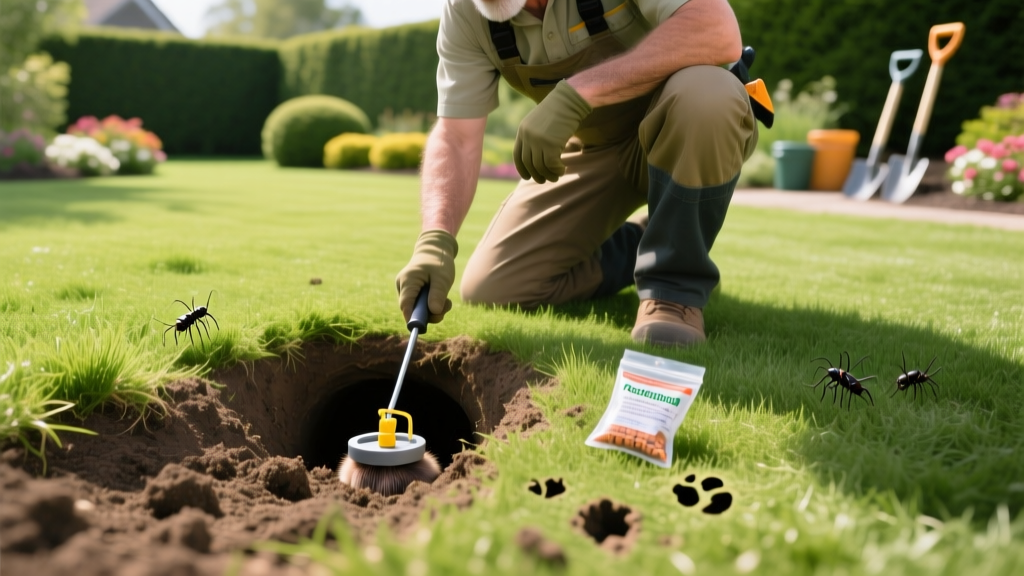
Proven Pocket Gophers Control: Traps, Baits, and Tunnel Tactics
Effective pocket gophers control requires understanding subterranean architecture. Unlike surface-dwelling pests, pocket gophers (family Geomyidae) spend nearly their entire lives underground, constructing complex burrow systems that can span 200 to 2,000 square feet. A single gopher can move over two tons of soil to the surface annually, destroying root systems, severing irrigation lines, and creating hazardous depressions in home lawns. Surface-level repellents and ultrasonic spikes are largely ineffective against these highly adapted digging machines. To reclaim your yard, you must target the main burrow runways using precise mechanical traps, regulated rodenticides, or physical exclusion barriers.
Identification: Confirming the Culprit
Before deploying control measures, verify you are dealing with pocket gophers rather than moles or voles. Misidentification leads to wasted time and incorrectly placed traps.
Mound Morphology Cheat Sheet
- Pocket Gophers: Fan-shaped or crescent-shaped mounds. The soil plug is located off-center, and the actual tunnel opening is usually plugged and hidden a few inches beneath the surface.
- Moles: Symmetrical, conical mounds (like mini volcanoes). Surface tunnels often create raised ridges across the lawn.
- Voles: No mounds. They create visible, golf-ball-sized surface runways through the grass, often accompanied by small, open holes.
Subterranean Architecture: Why Surface Treatments Fail
A typical pocket gopher burrow system consists of a main horizontal runway located 6 to 12 inches below the surface, with numerous lateral tunnels branching off to the surface for soil excavation and foraging. According to the University of California Statewide IPM Program, the gopher pushes soil up these lateral tunnels to create the visible fan-shaped mounds. Flooding the tunnels with water or using smoke bombs rarely works because the gopher will simply plug the lateral tunnel with dirt within minutes and dig a new branch. Successful pocket gophers control mandates intercepting the main runway.
Lethal Control: Trapping Mechanics and Model Selection
Trapping is the most environmentally sound and immediately verifiable method for pocket gophers control. You must set traps in pairs, facing opposite directions in the main runway. Here is a breakdown of the industry-standard trap models available in 2026:
1. The Gophinator (Stainless Steel)
Retailing between $28 and $35 per pair, the Gophinator is widely considered the premium choice by professional pest control operators. Its stainless-steel construction resists rust and corrosion in damp soil. Unlike older models that catch the gopher by the head, the Gophinator's wider jaw spread captures the animal by the neck or body, resulting in a higher kill rate and fewer escaped, trap-shy gophers. Pro Tip: Attach a 2-foot piece of bright flagging tape to the trap's anchor wire to easily locate it in tall grass.
2. The Macabee Trap
The classic Macabee trap ($12 to $16 per pair) features a two-pronged design that pinches the gopher's head. While highly effective when set perfectly, it requires more precision in tunnel sizing. If the lateral tunnel is dug too wide, the gopher can push dirt past the trigger pan without activating the trap. It is best suited for smaller gopher species like the Botta's pocket gopher.
3. The Blackhole Trap
This cylindrical, choker-style trap ($18 to $22) mimics the natural shape of the tunnel. It is highly effective in sandy soils where excavating a flat floor for a Macabee or Gophinator is difficult. The gopher enters the tube and triggers a snare wire. However, it requires a larger excavation hole to install.
Rodenticide Baits: Chemistry and Application
When trapping is impractical due to high population density, toxic baits offer a scalable solution. However, bait placement is critical; scattering pellets on the surface will kill non-target wildlife and pets.
Regulatory Warning: Strychnine-based baits, once the gold standard for gopher control, are now heavily restricted or banned in several states (including California and Washington) due to secondary poisoning risks to raptors and scavengers. Always check your local Department of Agriculture regulations before purchasing restricted-use pesticides (RUPs).
Anticoagulant Baits (Diphacinone)
Products like Kaput Pocket Gopher Bait (0.005% diphacinone) are widely available to consumers. Retailing for roughly $35 to $45 for a 4-pound pail, this bait requires multiple feedings over several days to achieve a lethal dose. You must place 2 to 4 ounces of bait deep into the main runway using a specialized probe. Because it is a multi-dose anticoagulant, the risk of fatal secondary poisoning to predators that eat a single dead gopher is significantly lower than with acute toxicants.
Acute Toxicants (Zinc Phosphide)
Zinc phosphide baits (e.g., ZP Rodenticide Ag) kill after a single feeding by releasing phosphine gas in the animal's stomach. It is highly effective but carries a higher risk of secondary poisoning. It must be applied strictly underground. Never use zinc phosphide in areas where the water table is high or where soil cracking could allow the gas to escape to the surface.
Method Comparison Matrix
| Control Method | Avg. Cost | Success Rate | Pros | Cons |
|---|---|---|---|---|
| Gophinator Traps | $30 / pair | 85-95% | Immediate results, no chemical residue, verifiable | Labor-intensive, requires practice to set |
| Diphacinone Bait | $40 / 4 lbs | 70-85% | Covers large areas quickly, lower secondary risk | Takes 3-5 days to kill, requires precise probing |
| Exclusion Baskets | $15-$30 / tree | 99% (Localized) | Permanent protection for high-value plants | Impractical for whole-lawns, only protects roots |
| Sonic Spikes | $25-$50 / unit | <10% | Easy to install, no killing | Gophers quickly habituate to the noise/vibration |
Step-by-Step: Finding the Main Runway with a Probe
The success of both trapping and baiting hinges entirely on locating the main horizontal tunnel. The Internet Center for Wildlife Damage Management recommends using a dedicated 24-inch fiberglass soil probe rather than a metal rebar, which can compact the soil and collapse the tunnel.
- Locate the Fresh Mound: Find the most recent fan-shaped mound. Look for the soil plug, which marks the end of the lateral tunnel.
- Calculate the Vector: The main runway typically runs in a straight line connecting two or more adjacent mounds. Stand between two mounds and visualize the connecting line.
- Probe at 8-12 Inches: Insert the fiberglass probe 8 to 12 inches away from the soil plug, angling it slightly toward the plug. Push down steadily.
- Feel for the Drop: When the probe punches through the roof of the main tunnel, you will feel a distinct, sudden 'drop' or void of about 2 to 4 inches. Mark this spot.
- Verify the Runway: Probe 6 inches to the left and right of your mark. You should hit the tunnel again, confirming you have found the continuous main line and not just a deep lateral branch.
Permanent Exclusion: Hardware Cloth Specifications
For high-value landscaping elements like fruit trees, rose gardens, or raised vegetable beds, physical exclusion is the only guaranteed long-term pocket gophers control method. Plastic netting and chicken wire are useless; gophers will easily chew through or stretch them.
You must use 1/2-inch galvanized hardware cloth (minimum 19-gauge wire thickness). When constructing a gopher basket for a new tree planting, the basket should be at least 24 inches deep and extend 6 inches above the soil line to prevent the gopher from burrowing over the top. For raised beds, line the bottom with the hardware cloth, ensuring it extends up the inside walls by at least 12 inches. To deter burrowing underneath the bed, bend the bottom 6 inches of the wire outward at a 90-degree angle (an 'L-shape') facing away from the bed. When the gopher tunnels upward and hits the horizontal wire barrier, it will typically turn around rather than dig deeper to bypass it.
When to Call a Professional
If you are dealing with an infestation spanning more than an acre, or if your property borders wild, unmanaged land where gophers continuously migrate from, DIY methods may become overwhelming. Licensed pest control operators have access to pressurized carbon monoxide (CO) injection machines (like the Burrow RX), which flood the entire burrow system with lethal concentrations of CO in minutes, offering a 90%+ eradication rate without the use of toxic baits.

