
Pest Control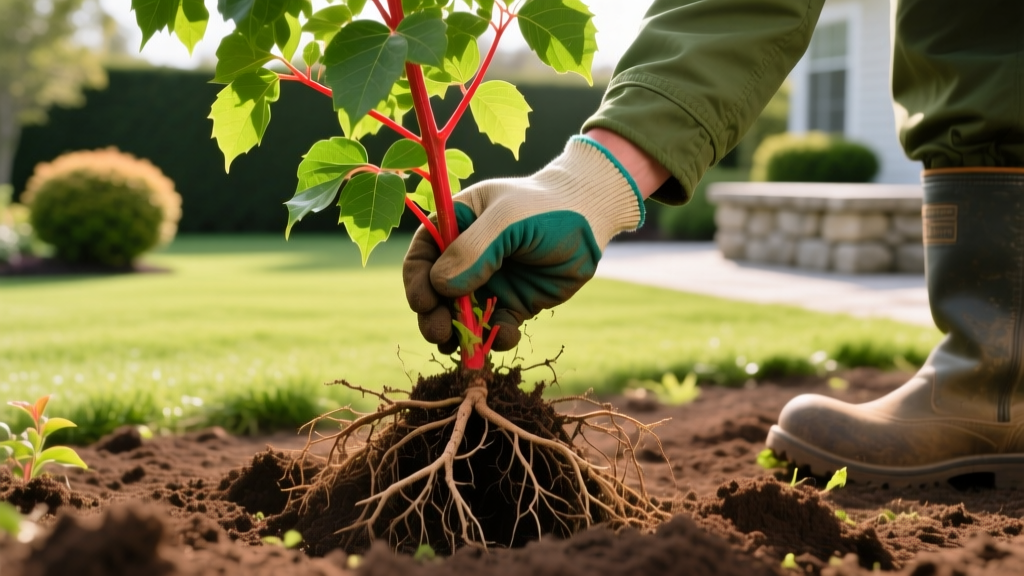
How Do You Get Rid of Poison Ivy Permanently? The Eradication Playbook
Answering the question of how do you get rid of poison ivy (Toxicodendron radicans) requires shifting your focus from the visible leaves to the subterranean rhizome network. Poison ivy is a woody perennial vine that stores massive carbohydrate reserves in its roots. Surface-level clearing or premature spring spraying only defoliates the plant, guaranteeing aggressive regrowth within weeks. Permanent eradication demands a strategic playbook combining precise chemical timing, mechanical extraction, and strict urushiol decontamination protocols.
CRITICAL SAFETY WARNING: The allergenic resin urushiol remains active on dead vines, clothing, and tools for up to 5 years. Never use latex gloves (urushiol penetrates latex). Always wear 4-mil to 6-mil nitrile gloves, a Tyvek disposable suit, and sealed goggles when handling any part of the plant.
The Biology of Toxicodendron radicans: Why It Survives
Poison ivy spreads via two distinct mechanisms: seeds (distributed by birds) and lateral rhizomes. An established patch can feature a central taproot plunging 3 to 4 feet deep, with lateral rhizomes spreading 10 to 20 feet horizontally just below the soil line. When you pull a vine, you are often snapping the rhizome, leaving behind dormant nodes that will sprout new shoots when exposed to sunlight.
Furthermore, mature poison ivy exhibits a climbing morphology. When it scales trees or structures, it develops thick, hairy aerial rootlets that anchor it to the bark. These aerial roots do not extract nutrients from the host tree, but they make mechanical removal exceptionally difficult and hazardous, as pulling the vine can strip the host tree's bark and aerosolize plant debris.
Eradication Decision Matrix: Chemical vs. Mechanical
Select your eradication strategy based on the patch size, location, and your tolerance for synthetic herbicides. According to Penn State Extension, integrated management yields the highest long-term success rates.
| Method | Active Ingredients | Best Use Case | Cost Estimate |
|---|---|---|---|
| Foliar Spray | Triclopyr + 2,4-D | Large ground patches (>20 sq ft) | $45 - $60 |
| Cut-Stump | Glyphosate (41%) | Vines climbing prized trees | $20 - $30 |
| Manual Smothering | 6-mil Black Polyethylene | Near edible gardens or water sources | $35 - $50 |
| Ready-to-Use (RTU) | Triclopyr + Mecoprop | Small, isolated seedlings (<5 sq ft) | $12 - $18 |
The Chemical Playbook: Triclopyr & Glyphosate Tactics
Broadleaf-specific herbicides are mandatory. Standard glyphosate (Roundup) alone often fails against mature poison ivy because the plant's waxy leaf cuticle blocks absorption, and glyphosate lacks the systemic woody-stem translocation power of triclopyr.
Phase 1: Foliar Application (Late Summer)
Timing is the most common failure point. Do not spray in spring. In spring, sap flows upward to push new leaves, meaning herbicide applied to foliage will not be pulled down into the roots. You must apply during late summer to early fall (August to October). During this window, the plant is actively pulling carbohydrates down into the rhizomes to prepare for winter dormancy, carrying the herbicide directly to the root crown.
Pro Mixing Ratio: For a 2-gallon pump sprayer, mix 3 ounces of Crossbow Specialty Herbicide (Triclopyr + 2,4-D) with 1.5 teaspoons of a non-ionic surfactant (like Alligare 90). The surfactant breaks the waxy leaf cuticle, increasing absorption by up to 40%. Spray until leaves are wet but not dripping.
Phase 2: The Cut-Stump Method (For Tree-Climbing Vines)
If poison ivy is scaling a tree you want to save, never pull the vine down. Instead, use the cut-stump method to kill the vine in place.
- Wear full PPE (Tyvek suit, nitrile gloves, goggles).
- Using a pair of dedicated loppers, cut the main vine stem at ground level, and again 12 inches higher, removing a 12-inch section of the vine.
- Wait 48 hours. This allows the remaining stump to begin callusing, which stimulates the plant to draw in moisture and nutrients (and herbicide) from the soil.
- Paint the top of the remaining ground-level stump with undiluted Roundup ProMax (50.2% Glyphosate) using a disposable foam brush.
- Leave the upper vine attached to the tree. It will die, turn brown, and safely fall off on its own over the next 6 to 12 months.
The Organic Protocol: Smothering and Root Extraction
If the infestation is near a vegetable garden, a wellhead, or a koi pond, chemical herbicides pose runoff risks. The EPA strictly advises against applying systemic herbicides near aquatic environments. Instead, use the solarization and smothering playbook.
- Mow or Trim: Use a string trimmer to cut the vines as close to the ground as possible. (Wear a face shield to prevent aerosolized sap from hitting your skin).
- Lay the Barrier: Cover the entire patch with overlapping sheets of 6-mil black polyethylene plastic. Clear plastic will not work; black plastic blocks photosynthesis and traps heat.
- Anchor the Edges: Bury the edges of the plastic 4 inches deep in a trench, or pin them down with heavy landscaping staples every 12 inches. Poison ivy rhizomes will exploit any gap to reach sunlight.
- Mulch Heavily: Pile 4 inches of wood chips or soil over the plastic to weigh it down and protect it from UV degradation.
- Wait 18 Months: Leave the barrier in place for a full 18 months to ensure deep rhizomes exhaust their energy reserves and suffocate.
Post-Eradication: Decontamination and Disposal
Improper disposal and tool cleaning lead to secondary exposures. The American Academy of Dermatology notes that indirect contact via contaminated tools is a leading cause of severe urushiol dermatitis.
- Never Burn It: Burning poison ivy vaporizes urushiol oil. Inhaling the smoke can cause life-threatening pulmonary edema and severe internal blistering.
- Bagging: Rake dead vines into 3-mil contractor-grade trash bags. Do not use standard kitchen bags, as woody stems will puncture them.
- Tool Decon: Wash loppers, shovels, and spray tanks with copious amounts of isopropyl alcohol (70% or higher) or a specialized urushiol remover like Tecnu Extreme. Wash tools three separate times, wiping with disposable paper towels each time.
- Clothing: Wash Tyvek suits and contaminated clothing separately in hot water with heavy-duty liquid detergent. Run the wash cycle twice.
Expert Troubleshooting & Edge Cases
Why did the vine grow back after spraying?
Regrowth usually stems from three errors: spraying during spring sap-flow, failing to use a surfactant, or treating only the peripheral leaves while missing the central crown. If you see new shoots emerging 3 weeks after a fall application, do not re-spray immediately. Allow the new leaves to fully expand and harden off (about 4 weeks), then apply a targeted spot-treatment using a 1.5% triclopyr solution.
Can my pets get poison ivy?
Dogs and cats do not typically develop allergic reactions to urushiol due to their fur and differing immune responses. However, their fur acts as a perfect transport vector. If your dog runs through a patch, the urushiol oil coats their coat. When you pet them, the oil transfers to your skin. Wipe pets down with pet-safe cleansing wipes (like Earthbath All Natural Pet Wipes) immediately after they traverse wooded or overgrown areas.
'Permanent poison ivy removal is a test of patience. The gardener who aggressively attacks the foliage in May will lose. The gardener who strategically targets the root system in September will win.'

