
Pest Control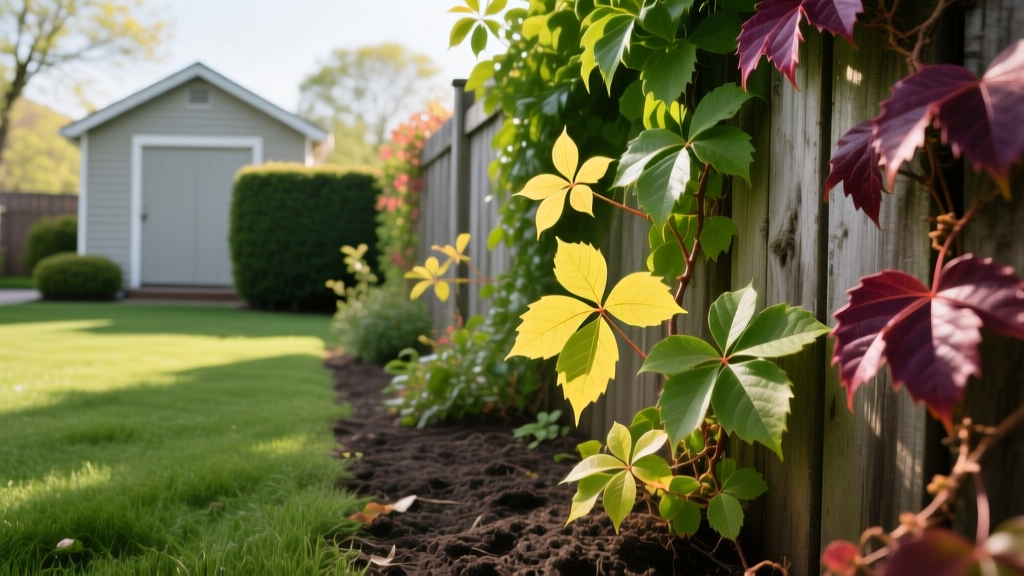
Poison Ivy or Virginia Creeper? Seasonal Eradication Calendar
Homeowners tackling aggressive vines frequently ask: Is it poison ivy or Virginia creeper? Misidentification leads to two distinct problems. Mistaking Virginia creeper (Parthenocissus quinquefolia) for poison ivy (Toxicodendron radicans) results in unnecessary chemical use and the destruction of a native vine that provides excellent fall color and bird forage. Conversely, misidentifying poison ivy as Virginia creeper guarantees a severe, blistering urushiol rash and a rapidly spreading rhizome network that undermines your landscape.
Because both species are deciduous, woody vines that rely on complex root systems, the timing of your eradication efforts dictates your success rate. Spraying at the wrong time of year wastes herbicide and forces you to retreat the area. This guide provides a definitive regional calendar and chemical protocol for managing these vines based on their seasonal sap-flow mechanics.
Visual Identification Matrix: Spring vs. Fall
Before consulting the treatment calendar, confirm your target. According to the USDA Plants Database, the morphological differences become highly pronounced during specific seasonal windows.
| Feature | Poison Ivy (T. radicans) | Virginia Creeper (P. quinquefolia) |
|---|---|---|
| Leaflet Count | 3 (Always). Terminal leaflet has a distinct petiolule (stem). | 5 (Palmate). All leaflets radiate from a single central point. |
| Vine Attachment | Dense, hairy aerial roots that grip bark and masonry. | Branched tendrils ending in adhesive, suction-cup-like pads. |
| Berries (Late Summer) | Dull white or grayish-green, clustered. | Deep blue/black with red pedicels (stems), highly attractive to birds. |
| Fall Foliage | Vibrant orange to crimson red. | Deep burgundy to purple-red. |
| Primary Irritant | Urushiol oil (causes severe allergic contact dermatitis). | Oxalate crystals in sap (mild skin irritation; NC State Extension notes toxicity if ingested). |
⚠️ Urushiol Persistence Warning: The FDA warns that urushiol oil remains active on dead vines, fallen leaves, and dormant woody stems for up to 5 years. Never burn either vine; inhaling aerosolized urushiol causes life-threatening pulmonary inflammation.
The Regional Treatment Calendar
Systemic herbicides rely on phloem translocation—the process where the plant moves carbohydrates (and the poison) from the leaves down to the root system. Timing your application to coincide with peak downward sap flow is the difference between a temporary top-kill and permanent eradication.
Northeast & Upper Midwest (USDA Zones 4-6)
- Spring (April - May): Avoid foliar spraying. Sap is flowing upward to push new leaf growth. Herbicide applied now will stall in the upper stems, leaving the rhizomes intact to resprout in 30 days.
- Summer (June - July): Maintenance window. Treat new seedlings and young vines. Mature vines are focused on canopy expansion and flowering; translocation to roots is minimal.
- Fall (Late August - Mid-October): The Golden Window. As daylight shortens and temperatures drop below 75°F, the plant aggressively pulls nutrients into its root system for winter dormancy. Systemic herbicides applied now are dragged directly into the rhizomes, ensuring a 90%+ kill rate.
Southeast & Mid-Atlantic (USDA Zones 7-9)
- Spring (March - April): Early emergence. Target small shoots with a 2% glyphosate solution before they establish deep taproots.
- Summer (May - August): Peak vegetative growth. High heat and humidity cause rapid herbicide evaporation and plant stress, which shuts down translocation. Do not spray during drought conditions.
- Fall (October - Late November): The optimal treatment period. Wait until the first signs of foliage color change (chlorophyll breakdown). The plant is actively storing energy, making it highly vulnerable to triclopyr-based herbicides.
West Coast & Pacific Northwest (USDA Zones 8-10)
Note: Poison ivy is largely absent in Washington and Oregon but present in California. Virginia creeper is often planted ornamentally but escapes into wild areas.
- Winter (December - February): In frost-free coastal zones, mild winters allow for dormant-season cut-stump treatments. Cut the vine 2 inches above the soil line and immediately paint the cambium layer with a 20% triclopyr ester solution.
Herbicide Selection & Application Protocols
When dealing with poison ivy or Virginia creeper, standard broadleaf weed killers (like 2,4-D alone) are ineffective against mature woody vines. You must use brush-specific active ingredients.
💡 Pro-Tip: Ester vs. Amine Formulations
In late summer and fall, plant leaves develop a thick, waxy cuticle to retain moisture. Triclopyr ester (found in professional products like Crossbow) penetrates this waxy layer far better than triclopyr amine (found in consumer products like Ortho Max). Use esters for mature, waxy vines; use amines if you are spraying near bodies of water or highly desirable ornamental shrubs where vapor drift is a concern.
In late summer and fall, plant leaves develop a thick, waxy cuticle to retain moisture. Triclopyr ester (found in professional products like Crossbow) penetrates this waxy layer far better than triclopyr amine (found in consumer products like Ortho Max). Use esters for mature, waxy vines; use amines if you are spraying near bodies of water or highly desirable ornamental shrubs where vapor drift is a concern.
Foliar Spray Protocol (For vines under 6 feet tall)
- Product: Crossbow Specialty Herbicide (Triclopyr + 2,4-D ester) or Ortho Max Poison Ivy & Tough Brush Killer (Consumer grade).
- Mix Rate: 1.5 to 4 oz of Crossbow per gallon of water. Add a non-ionic surfactant (0.5 oz per gallon) to break surface tension.
- Technique: Spray until leaves are thoroughly wet but not dripping. Avoid spraying on windy days or when temperatures exceed 85°F to prevent vapor drift damaging nearby trees.
Cut-Stump Protocol (For thick, mature vines climbing trees)
Never pull mature poison ivy off a tree; the aerial roots will tear the bark, and the falling vine will shower you with urushiol-laden dust.
- Wear a disposable Tyvek suit, nitrile gloves, and eye protection.
- Use loppers to cut the vine stem 2 inches above the soil line.
- Leave the upper vine attached to the tree to die and decompose naturally over the next 12 months.
- Within 60 seconds of cutting, paint the exposed outer ring (cambium layer) of the ground stump with undiluted triclopyr ester using a disposable foam brush.
Organic & Mechanical Control Timelines
If you manage an organic property, have pets, or are treating near a vegetable garden, chemical herbicides are off the table. Mechanical eradication of these rhizomatous vines requires extreme patience and specific seasonal timing.
The 18-Month Smothering Method
Mowing or string-trimming poison ivy simply chops the rhizomes, stimulating the plant to send up dozens of new shoots from every cut node. Instead, use solarization and light deprivation.
- Timing: Begin in early Spring (March/April) right as the first red-tinged shoots emerge.
- Materials: Heavy-duty, 6-mil UV-resistant black polyethylene sheeting (clear plastic will not work, as it creates a greenhouse effect that these resilient vines can survive).
- Execution: Cut existing growth to the ground. Lay the 6-mil plastic over the entire infestation area, extending at least 3 feet beyond the visible vine margins to account for lateral rhizome spread.
- Anchoring: Pin the edges with 10-inch landscape staples every 12 inches. Cover the edges with 3 inches of wood mulch or soil to block all light.
- Duration: Leave the barrier in place for a minimum of 18 months. The rhizomes will exhaust their carbohydrate reserves attempting to push through the barrier in the dark.
Winter Dormancy & Disposal Protocols
What do you do with the dead biomass once the vine is eradicated? The seasonal calendar dictates your disposal method.
- Winter Disposal (Dec - Feb): Once the treated vine has been dead for at least 6 months and the leaves have naturally dropped, you can safely cut the woody stems. Bag the stems in heavy-duty contractor trash bags. Do not compost. Urushiol does not break down in standard compost piles and will contaminate your finished compost, transferring the rash to whoever handles it next year.
- Tool Decontamination: Regardless of the season, immediately wipe down loppers, shovels, and saw blades with isopropyl alcohol or a dedicated urushiol-removing solvent like Tecnu. Standard soap and water often fail to dissolve the non-polar urushiol oil molecules, leaving your tools hazardous for months.
Successfully managing the boundary between poison ivy or Virginia creeper requires shifting your mindset from reactive spraying to proactive, calendar-driven plant physiology management. By aligning your herbicide applications or mechanical smothering efforts with the natural downward sap flow of autumn, you transition from an endless cycle of temporary top-kills to permanent landscape reclamation.

