
Pest Control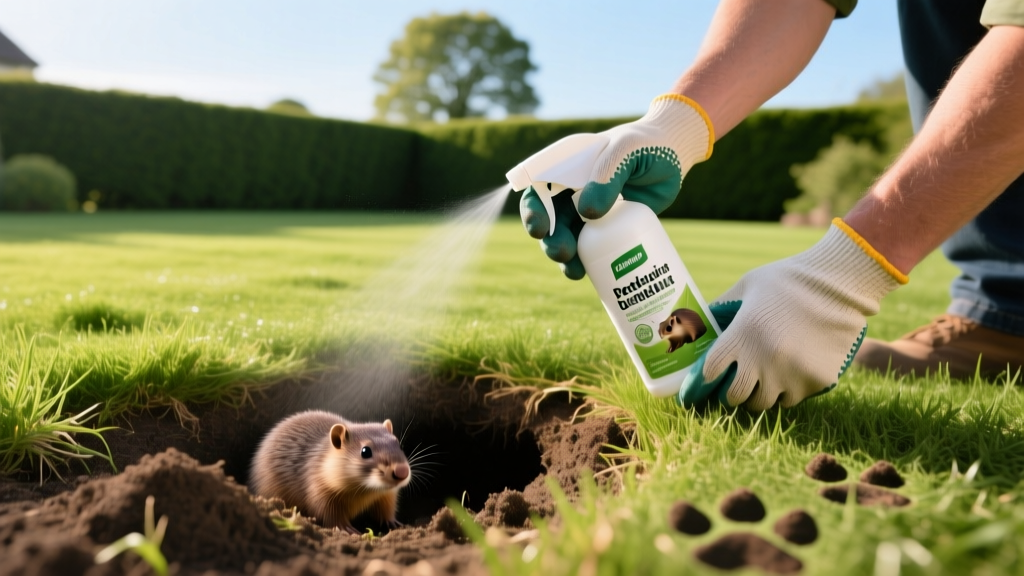
Using Predator Urine for Groundhogs: Effectiveness and Application
The Biology of Scent-Based Deterrence
Groundhogs (Marmota monax), also known as woodchucks, are highly adaptable herbivores capable of consuming up to 1.5 pounds of garden vegetation daily while simultaneously undermining landscaping with extensive burrow networks. When homeowners seek non-lethal rodent and mammal deterrence, predator urine for groundhogs is frequently recommended. But does it actually work, or is it an expensive placebo?
The efficacy of scent-based repellents relies on kairomones—chemical signals emitted by one species that trigger a behavioral response in another. Groundhogs possess a highly developed vomeronasal organ (Jacobson's organ) located in the roof of their mouth, specifically designed to detect the sulfur compounds and specific protein analogs present in the urine of apex predators. When a foraging groundhog encounters these scent markers, its autonomic nervous system triggers an immediate flight-or-freeze response, overriding its feeding drive.
However, not all commercial repellents are created equal. Synthetic formulations often rely on isolated ammonia or capsaicin derivatives, which groundhogs quickly habituate to once they realize no physical threat follows the scent. For reliable deterrence, 100% real predator urine is required to deliver the full spectrum of biological fear triggers.
Predator Urine Comparison Matrix: Coyote vs. Fox vs. Bobcat
Choosing the right predator scent depends on your specific property layout, the severity of the infestation, and local wildlife dynamics. Below is a breakdown of the three most effective urine types for Marmota monax deterrence.
| Predator Type | Best Use Case | Top Commercial Brand | Estimated Cost (16 oz) | Fear Response Level |
|---|---|---|---|---|
| Coyote Urine | Heavy infestations; large rural or suburban perimeters. | PredatorPee 100% Real Coyote | $24.00 - $28.00 | Extreme (Primary predator) |
| Fox Urine | Moderate pressure; smaller urban gardens where coyote scent may alarm neighbors. | Shake-Away Fox Urine Granules | $18.00 - $22.00 (28 oz) | High (Opportunistic threat) |
| Bobcat Urine | Targeted burrow-entrance defense; wooded property edges. | PredatorPee Bobcat Scent Tags | $19.00 - $23.00 (12 tags) | High (Ambush predator) |
Expert Insight: The Habituation Factor
Groundhogs are highly intelligent and will test perimeter scents. If a groundhog detects coyote urine but hears, sees, or smells no actual coyote activity over a 14-day period, it will habituate to the scent and resume foraging. To prevent this, you must rotate between two different predator scents (e.g., Coyote and Fox) every three weeks, or combine scent deterrence with physical barriers.
Step-by-Step Application Protocol
Simply pouring liquid urine on the grass is a waste of money; it will soak into the soil and degrade within 48 hours. Proper application requires elevating the scent to mimic a predator marking its territory. Follow this exact protocol for maximum efficacy:
- Identify Active Burrows: Look for fresh, fan-shaped dirt mounds and openings measuring 10 to 12 inches wide. Groundhogs typically have a main entrance and 2 to 4 secondary escape holes.
- Select the Delivery Medium: Use wool felt Scent Tags or cotton balls soaked in liquid urine. Granular formulations (like Shake-Away) are best reserved for dry, dense perimeter borders where hanging tags is impractical.
- Determine Hanging Height: Groundhogs forage with their heads low. Hang scent tags on wooden stakes or fence posts exactly 6 to 12 inches above the soil line. This places the kairomones directly in their olfactory path.
- Establish a Perimeter Grid: Do not just treat the burrow entrances. Create a continuous scent fence around the garden or vulnerable planting beds, spacing tags 10 to 15 feet apart.
- Deploy Rain Guards: Cap the top of your wooden stakes with small plastic cups or specialized scent-tag rain covers. UV light and moisture are the primary degraders of urine proteins.
Environmental Variables and Reapplication Triggers
The most common reason predator urine for groundhogs fails is improper reapplication scheduling. Real urine is an organic compound that breaks down rapidly under specific environmental conditions. Use the following metrics to determine when to reapply:
- Precipitation Threshold: Reapply immediately after receiving 0.5 inches or more of continuous rainfall. Light dew or brief drizzles will not wash away the scent if rain guards are used.
- Temperature Extremes: In peak summer heat (above 85°F), volatile compounds evaporate faster. Reduce your reapplication interval from 14 days to 7 to 10 days.
- Wind Exposure: If your garden is in a high-wind corridor, use granular urine encased in mesh bags tied to stakes, as liquid applications will dry out and lose potency much faster in constant airflow.
Warning: Pet and Environmental Safety
While 100% natural predator urine is non-toxic to plants, the strong ammonia scent can cause severe distress to domestic dogs and cats. Never apply liquid urine directly to areas where pets sleep or play. Keep pets leashed during application and allow the liquid to fully absorb into the felt tags before letting them back into the yard.
While 100% natural predator urine is non-toxic to plants, the strong ammonia scent can cause severe distress to domestic dogs and cats. Never apply liquid urine directly to areas where pets sleep or play. Keep pets leashed during application and allow the liquid to fully absorb into the felt tags before letting them back into the yard.
Why Scent Deterrence Fails (And How to Fix It)
According to data from the Internet Center for Wildlife Damage Management, relying solely on chemical repellents yields a long-term success rate of less than 30% for determined groundhogs. If you are still seeing chewed hostas and collapsed soil despite using predator urine, you are likely facing one of three edge cases:
1. The Starvation Override
In late summer (August to September), groundhogs enter a phase of hyperphagia, aggressively consuming calories to prepare for hibernation. During this window, the biological drive to eat can temporarily override the fear response triggered by predator urine. The Fix: Increase the concentration of scent tags (spacing them 5 feet apart) and introduce auditory deterrents, such as motion-activated ultrasonic emitters, to create a multi-sensory threat profile.
2. Burrow Proximity to Safe Zones
If a groundhog's primary burrow is located less than 20 feet from a dense brush pile, rock wall, or shed foundation, it will tolerate predator scents because its escape route is virtually instantaneous. The Fix: You must modify the habitat. Remove brush piles and install physical barriers before the urine scent will be respected.
3. Application at the Wrong Time of Day
Groundhogs are diurnal, primarily foraging in the early morning and late afternoon. If you apply liquid urine at noon, the heat will bake the volatile compounds off before the groundhogs emerge. The Fix: Apply liquid formulations at dusk so the scent settles into the environment overnight, greeting the groundhogs at peak potency during their morning foraging run.
Integrating Urine into a Multi-Tiered Defense Strategy
For permanent groundhog exclusion, Penn State Extension recommends combining olfactory deterrents with physical exclusion. Predator urine is best utilized as a temporary perimeter shield while you install permanent infrastructure.
The gold standard for groundhog exclusion is the L-footer fence. Use 19-gauge, 1/2-inch hardware cloth. Dig a trench 12 inches deep around your garden. Bury the bottom 12 inches of the hardware cloth vertically, then bend the remaining bottom foot outward (away from the garden) at a 90-degree angle, covering it with soil. Groundhogs dig straight down when they hit a fence; the L-footer catches them and prevents them from tunneling under. Apply predator urine along the top edge of this fence line to discourage them from even attempting to climb or dig near the barrier.
Frequently Asked Questions
Does human urine work as a groundhog deterrent?
No. Human urine lacks the specific kairomones that trigger an evolutionary fear response in Marmota monax. While human presence can deter them temporarily, the scent of human urine does not register as an apex predator threat and will quickly be ignored.
Can I freeze predator urine to extend its shelf life?
Yes. Unopened bottles of 100% real coyote or fox urine can be frozen for up to 24 months without degrading the sulfur compounds. Once thawed, it should be kept in a cool, dark place and used within 30 to 45 days for maximum potency.
Will predator urine wash into my well water or harm my vegetable garden?
Predator urine is a natural organic fertilizer high in nitrogen. When applied via elevated scent tags, the micro-doses that drip to the soil will not harm your vegetables or contaminate deep well water. However, avoid applying large liquid pools directly onto the edible leaves of root crops or leafy greens.

