
Pest Control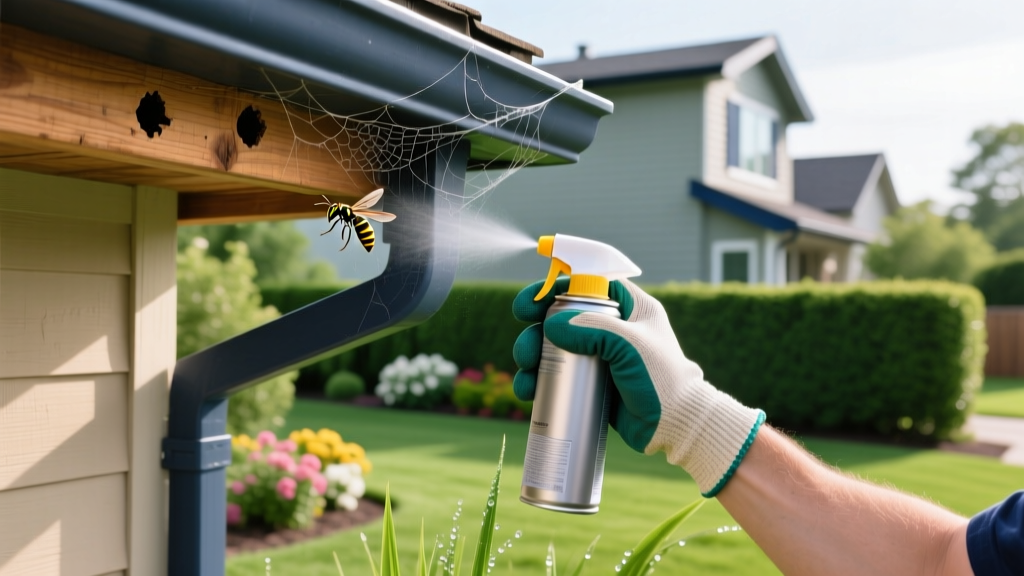
How to Prevent Wasp Nests: Yard and Eave Defense Guide
Understanding the Threat: Aerial vs. Ground Nesters
Effective wasp prevention begins with accurate species identification. The Vespidae family, which includes paper wasps, yellowjackets, and hornets, exhibits two distinct nesting behaviors that require entirely different defense strategies. According to the Penn State Extension, aerial nesters (like the European paper wasp and bald-faced hornet) construct open, umbrella-shaped or enclosed papier-mâché nests under eaves, inside soffits, and on patio furniture. Ground nesters, primarily yellowjackets, exploit abandoned rodent burrows, hollow landscape timbers, and dense thatch layers.
Attempting to prevent ground-nesting yellowjackets by hanging decoy nests in your trees is a waste of resources. Conversely, sealing your soffit vents will do nothing to stop a yellowjacket colony from establishing itself in an old gopher hole near your patio. A comprehensive yard defense protocol must address both vertical and horizontal vulnerabilities.
The 4-Step Perimeter Defense Strategy
To establish a sting-free perimeter, you must disrupt the wasp life cycle during the critical spring emergence phase. Overwintering queens emerge when daytime temperatures consistently reach 50°F to 60°F (typically March to early May, depending on your USDA hardiness zone). This is your narrow window for prevention.
1. Deploy Territorial Decoys (Early Spring)
Wasps are highly territorial and will generally avoid building a nest within 200 feet of an established colony. Commercial decoys, such as the Aspectek Fake Hornet Nest ($12 to $15 for a two-pack), exploit this behavior. Application Specifics: Hang decoys 15 to 20 feet apart along the perimeter of your home, specifically targeting the south and west-facing eaves which receive the most solar radiation. Suspend them 6 to 8 feet off the ground using fishing line or thin wire so they sway in the breeze, mimicking a real nest. Remove them in late autumn to prevent weather degradation.
2. Physical Exclusion and Soffit Sealing
Queens seek out pre-existing cavities to save energy. Inspect your roofline, attic vents, and siding gaps. The Expanding Foam Trap: Many homeowners mistakenly use polyurethane expanding foam (like Great Stuff) to seal wasp entry points. Do not do this. Wasps can easily chew through cured foam. Instead, pack gaps larger than 1/4 inch with copper mesh (such as Stinger Bee Block, $8 per roll) before applying a silicone-based exterior caulk. Copper oxidizes and deters chewing, while silicone withstands UV degradation and temperature fluctuations far better than acrylic latex.
3. Botanical Olfactory Deterrents
Wasps rely heavily on olfactory cues to locate food and nesting sites. Essential oils containing high concentrations of menthol, eugenol, and geraniol disrupt their sensory receptors. DIY Deterrent Recipe: Mix 2 ounces of Essentria IC3 (a commercial botanical insecticide containing rosemary, peppermint, and geraniol oils, approx. $45 per pint) with one gallon of water. Alternatively, create a DIY blend using 15 drops of peppermint oil, 15 drops of clove oil, one tablespoon of liquid dish soap (to act as a surfactant), and 16 ounces of water. Spray this mixture on patio furniture, pergola beams, and the undersides of eaves every 14 days during peak spring scouting.
4. Resource Denial and Sanitation
By mid-summer, wasp colonies transition from feeding larvae protein (insects) to foraging for carbohydrates (sugars) to sustain the adult workers. Secure all outdoor trash receptacles with bungee cords or locking lids. Clean barbecue grill grates and drip trays immediately after use, as rendered animal fat and sugary marinades are primary attractants. If you have fallen fruit from ornamental trees, harvest or rake it daily.
Commercial vs. DIY Wasp Deterrents: Cost & Efficacy Matrix
Choosing the right preventive measure depends on your budget, the severity of local wasp pressure, and the specific areas of your yard you need to protect. The University of Minnesota Extension notes that integrated pest management (IPM) yields the best long-term results by combining physical and chemical barriers.
| Method | Best Application | Est. Cost | Efficacy Rating | Reapplication Frequency |
|---|---|---|---|---|
| Fake Hornet Decoys | Eaves, patios, open yards | $12 - $15 | High (Spring only) | Annual replacement |
| Copper Mesh + Silicone | Soffits, vents, siding gaps | $20 - $30 | Very High (Permanent) | None (Inspect yearly) |
| Botanical Sprays (Essentria) | Pergolas, fencing, furniture | $45 (Concentrate) | Moderate to High | Every 14-21 days |
| Rescue! Wasp Trap | Property perimeter (30ft out) | $15 - $20 | High (Summer/Fall) | Refill every 30 days |
| Dryer Sheets / Mothballs | Pockets, patio tables | $5 | Zero (Myth) | N/A |
Ground-Nesting Yellowjackets: A Different Approach
Yellowjackets (Vespula spp.) are responsible for the vast majority of late-summer stings in residential yards. Because they nest underground, aerial decoys and soffit sealing are ineffective. Prevention requires landscape management.
- Fill Rodent Burrows: Inspect your lawn and garden beds for old vole, gopher, or chipmunk holes. Fill these cavities with a 50/50 mix of coarse sand and topsoil, tamping it down firmly. Yellowjackets prefer loose, pre-excavated soil.
- Maintain Thick Turf: Yellowjackets rarely establish ground nests in dense, well-maintained lawns. Overseed bare patches in the spring and maintain a grass height of 2.5 to 3 inches to shade the soil surface and deter ground scouting.
- Manage Mulch Depth: Keep organic mulch layers under 2 inches thick. Deep, loose mulch provides ideal insulation and hiding spots for queens evaluating nesting sites.
⚠️ WARNING: Ground Nest Disturbance
If you accidentally step on or mow over a ground nest, yellowjackets will swarm aggressively, pursuing threats for up to 50 yards. If you suspect a ground nest, do not attempt to flood it with water or pour gasoline into the hole (which is illegal and environmentally disastrous). Instead, apply a 2% deltamethrin dust (such as DeltaDust) directly into the entrance hole at dusk when foragers have returned, and cover the hole with a heavy brick.
Safe Nest Removal: When Prevention Fails
Despite rigorous prevention, a scout queen may occasionally slip through. If you discover an active nest, timing and chemical selection are critical for safe eradication. The EPA Safe Pest Control Guidelines emphasize using targeted, EPA-registered products rather than unverified home remedies.
For aerial nests smaller than a golf ball (early stage), a quick blast of soapy water from a hose-end sprayer can suffocate the colony. However, for nests larger than a tennis ball, you need a rapid-knockdown aerosol jet spray. Products like Spectracide Wasp & Hornet Killer ($7) or Raid Wasp & Hornet ($8) project a stream up to 22 feet. Execution Protocol: Treat the nest only at dusk or after dark. Wasps are docile at night, and all foragers will be inside the nest. Wear thick clothing, a veil, and gloves. Spray the nest opening continuously for 10 seconds, soaking the interior. Leave the area immediately and do not knock the nest down for at least 48 hours to ensure returning foragers are eliminated.
Frequently Asked Questions
Do dryer sheets actually repel wasps?
No. The belief that rubbing dryer sheets on your skin or hanging them around a patio repels wasps is a persistent internet myth. While the strong synthetic fragrance might slightly mask human scent, it does not deter wasps from foraging for food or building nests in the immediate vicinity.
Why are wasps so aggressive in August and September?
In late summer, the queen stops laying eggs. The worker wasps, which previously spent their days feeding larvae and receiving sugary secretions in return, suddenly lose their food source. This forces them to scavenge aggressively for carbohydrates, bringing them into direct conflict with humans at outdoor gatherings, trash cans, and sugary drinks.
When should I hire a professional exterminator?
You should bypass DIY treatment and hire a licensed pest control professional (average cost $150 to $300) if the nest is located inside a wall void, attic, or chimney. Spraying an interior wall void will only trap the wasps inside, causing them to chew through drywall and enter your living space. Professionals have the specialized dusting equipment and exclusion protocols to handle structural infestations safely.

