
Pest Control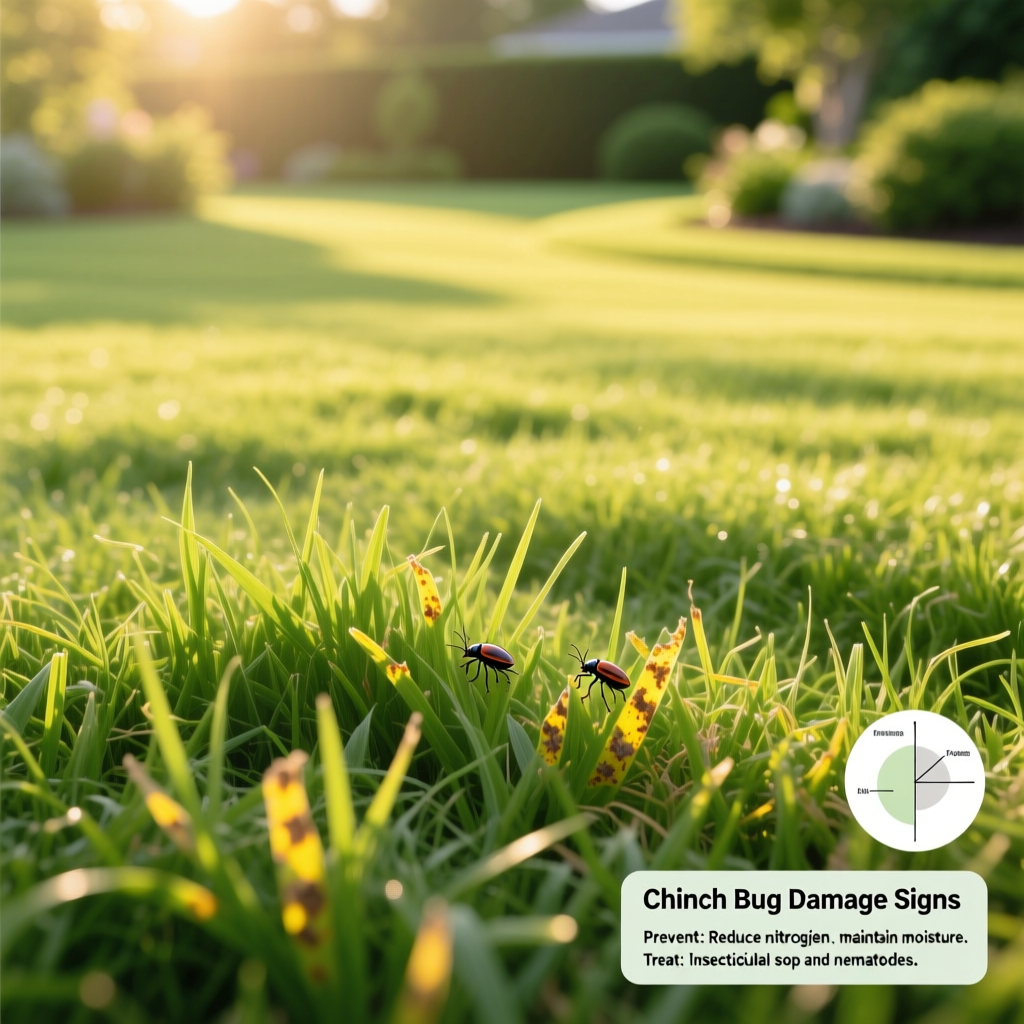
Preventing & Treating Chinch Bug Damage in Warm-Season Lawns
Lisa ThompsonPublished
Warm-season lawns are prized for their lush, dense turf and remarkable heat tolerance, but they face a persistent threat that can turn a vibrant green yard into a patchy, straw-colored eyesore: the chinch bug. These tiny insects, measuring barely one-fifth of an inch long, are among the most destructive pests affecting warm-season grasses such as St. Augustine, Bermuda, Zoysia, centipede, and bahia grass. Understanding how chinch bugs operate and learning to combat them effectively is essential for any homeowner who wants to maintain a healthy, thriving lawn.
Chinch bugs (Blissus insularis and related species) feed by piercing grass blades and sucking out the plant juices, while simultaneously injecting a toxic saliva that blocks the grass's ability to transport water and nutrients. The result is irregular yellow patches that quickly turn brown and die, often mistaken for drought stress or fungal disease. Left unchecked, a chinch bug infestation can devastate an entire lawn in a matter of weeks, particularly during hot, dry weather when these pests are most active and populations explode.
This comprehensive guide will walk you through everything you need to know about identifying chinch bugs, preventing infestations before they start, treating active problems with both natural and chemical solutions, and knowing when it's time to bring in professional help. Whether you're a seasoned gardener or a first-time homeowner, these strategies will help you protect your warm-season lawn from one of its most formidable adversaries.
Identifying Chinch Bugs and Recognizing Damage in Your Lawn
Before you can fight chinch bugs, you need to confirm they are the culprit behind your lawn's decline. Misidentification is one of the most common mistakes homeowners make, leading to wasted time, money, and ineffective treatments. Chinch bug damage is frequently confused with drought stress, brown patch fungus, or even improper mowing practices, so careful observation is critical.
What Chinch Bugs Look Like
Adult chinch bugs are small, slender insects approximately 1/6 to 1/5 of an inch in length. They have black bodies with white wings folded flat across their backs, creating a distinctive hourglass or triangular white marking. Immature chinch bugs, called nymphs, are even smaller and range in color from bright red-orange (in early stages) to dark brown as they mature. Nymphs lack wings entirely and are often found clustered near the soil surface at the base of grass blades.
Because of their tiny size, chinch bugs are notoriously difficult to spot with the naked eye. They tend to congregate in the thatch layer and at the margins between damaged and healthy grass, where they actively feed and expand the affected area outward. Finding them requires a deliberate inspection rather than a casual glance.
The Flotation Test: A Reliable Detection Method
The most effective way to confirm a chinch bug presence is the flotation test. Here's how to perform it:
- Cut both ends off a metal coffee can or a large tin can to create an open cylinder.
- Push the cylinder several inches into the soil at the edge of a damaged area, where dead grass meets green grass.
- Fill the can with water and wait for approximately five minutes.
- Chinch bugs, if present, will float to the surface.
- Count the number of bugs that appear. A threshold of 20 to 25 chinch bugs per square foot typically warrants treatment.
Repeat this test in several areas of your lawn, focusing on sunny spots near sidewalks, driveways, and building foundations, as chinch bugs prefer hot, exposed areas. These heat-reflecting surfaces create ideal conditions for chinch bug colonies to thrive and multiply.
Recognizing the Pattern of Damage
Chinch bug damage follows a recognizable pattern that helps distinguish it from other lawn problems. Look for the following signs:
- Irregular yellow patches that first appear in sunny, open areas of the lawn, particularly near heat-absorbing hardscapes.
- Expanding dead zones that grow outward from the initial point of damage, creating large areas of straw-brown turf.
- Grass that does not recover after thorough watering, unlike drought-stressed turf that greens up once moisture is restored.
- A distinct line of demarcation between healthy and damaged grass, where active feeding is concentrated.
- Damage that worsens rapidly during periods of hot, dry weather in late spring through early fall.
St. Augustine grass is particularly susceptible to chinch bug damage, and homeowners with this turf type should be especially vigilant. If you're unsure about your grass type, our St. Augustine grass guide can help with identification and variety-specific care tips.
Preventing Chinch Bug Infestations Through Proper Lawn Care
The most effective strategy against chinch bugs is prevention. A healthy, vigorously growing lawn is naturally more resistant to pest damage and can tolerate moderate chinch bug populations without showing significant decline. Prevention revolves around cultural practices that create unfavorable conditions for chinch bugs while promoting robust turf growth.
Managing Thatch Buildup
Thatch — the layer of dead and living organic matter that accumulates between the soil surface and the green grass canopy — is the preferred habitat of chinch bugs. A thick thatch layer provides shelter from predators, buffers against temperature extremes, and creates an ideal environment for egg-laying and nymph development. Keeping thatch under control is arguably the single most important preventive measure you can take.
Maintain thatch at no more than half an inch thick for most warm-season grasses. Regular dethatching using a vertical mower, power rake, or stiff-tined rake helps keep this layer in check. Core aeration, performed once or twice per year during the growing season, also reduces thatch accumulation by introducing soil microorganisms that break down organic matter. Learn more about core aeration techniques and how they benefit your overall lawn health.
Watering Wisely
Chinch bugs thrive in hot, dry conditions, and lawns that are under-watered or watered improperly are prime targets for infestation. However, overwatering creates its own set of problems, including shallow root systems, fungal diseases, and excessive thatch — all of which can also make your lawn more vulnerable to pests.
The key is deep, infrequent watering that encourages deep root growth. Aim to provide your warm-season lawn with approximately one to one-and-a-half inches of water per week, including rainfall, applied in one or two sessions rather than daily light sprinklings. Water early in the morning to minimize evaporation and reduce the time grass blades remain wet, which helps prevent fungal issues. Our warm-season lawn watering guide provides detailed schedules based on your grass type and local climate conditions.
During peak chinch bug season in the heat of summer, monitor your lawn closely for signs of moisture stress. If you notice footprints remaining visible on the grass or a bluish-gray cast to the turf, your lawn needs water immediately, as stressed grass is far more susceptible to chinch bug damage.
Mowing at the Correct Height
Proper mowing height is essential for chinch bug prevention. Cutting your grass too short — a practice known as scalping — removes the leaf surface area the plant needs for photosynthesis, weakens the root system, and exposes the soil surface and thatch layer to direct sunlight, creating the hot, dry conditions chinch bugs prefer.
Each warm-season grass has an optimal mowing height range:
- St. Augustine: 2.5 to 4 inches
- Bermuda: 0.5 to 2 inches (depending on variety)
- Zoysia: 1 to 2.5 inches
- Centipede: 1 to 2 inches
- Bahia: 3 to 4 inches
Never remove more than one-third of the grass blade in a single mowing session, and keep your mower blades sharp to ensure clean cuts that heal quickly. Refer to our warm-season mowing guide for detailed recommendations tailored to your specific grass type.
Choosing Resistant Grass Varieties
If you're establishing a new lawn or renovating an existing one, consider selecting grass varieties with enhanced resistance to chinch bugs. For St. Augustine lawns, the cultivar 'Floratam' has demonstrated notable resistance to chinch bug feeding, though it requires a minimum of six hours of direct sunlight per day. Other improved varieties such as 'Captiva' and 'Palmetto' also show moderate resistance. Consult with your local cooperative extension office or a trusted grass selection guide for recommendations suited to your region.
Promoting Beneficial Insects
A healthy lawn ecosystem includes a diverse population of beneficial insects that naturally prey on chinch bugs and their nymphs. Predatory insects such as big-eyed bugs (Geocoris species), lacewings, lady beetles, and certain parasitic wasps feed on chinch bugs and help keep populations in check without chemical intervention.
To encourage these beneficial predators, avoid broad-spectrum insecticides that kill both pests and their natural enemies. Incorporate flowering plants and ground covers near your lawn to provide habitat and alternative food sources for beneficial insects. A diverse landscape is a resilient landscape, and maintaining ecological balance is a cornerstone of sustainable natural pest control.
DIY Treatments and Control Methods for Active Chinch Bug Infestations
When prevention measures aren't enough and you've confirmed an active chinch bug infestation through the flotation test, it's time to take action. Several DIY approaches can effectively reduce chinch bug populations, ranging from organic and biological controls to targeted chemical treatments. The key is to act quickly, as chinch bug populations can double every few weeks during warm weather.
Biological and Organic Controls
For homeowners who prefer to avoid synthetic chemicals, several biological and organic options can provide effective chinch bug control, particularly when applied early in an infestation or as part of an integrated pest management strategy.
Beneficial nematodes (Steinernema species) are microscopic roundworms that parasitize chinch bug nymphs and adults in the soil and thatch layer. Apply nematodes to moist soil during the early morning or evening hours, when temperatures are moderate, and water the lawn lightly afterward to help them move into the thatch zone. Nematodes are most effective when soil temperatures are between 60 and 85 degrees Fahrenheit, and they must be applied fresh, as their viability declines rapidly in storage.
Beauveria bassiana is a naturally occurring entomopathogenic fungus that infects and kills chinch bugs on contact. Available as a commercially formulated biological insecticide, it works best when applied during periods of moderate humidity, which facilitates fungal spore germination and infection. This option is compatible with most beneficial insect populations and poses minimal risk to humans, pets, and the environment.
Insecticidal soaps and horticultural oils can kill chinch bug nymphs on contact by disrupting their cell membranes or suffocating them. These products must be applied directly to the insects and have no residual activity, meaning thorough coverage of the thatch layer and grass base is essential. Repeated applications at five- to seven-day intervals may be necessary to control successive generations.
Diatomaceous earth (food-grade) can be dusted over affected areas to create a physical barrier that damages the exoskeletons of chinch bugs, causing dehydration and death. This method works best in dry conditions, as moisture reduces its effectiveness. Apply a thin, even layer to the thatch surface and reapply after rain or heavy irrigation.
Chemical Insecticide Options
When chinch bug populations exceed the treatment threshold or organic methods fail to provide adequate control, targeted chemical insecticides may be necessary. Always read and follow label instructions carefully, and apply products at the recommended rates to minimize environmental impact and reduce the risk of pesticide resistance.
Pyrethroid insecticides such as bifenthrin, lambda-cyhalothrin, and cyfluthrin are widely available to homeowners and provide fast knockdown of chinch bug populations. These products are available in granular and liquid formulations and typically provide two to four weeks of residual control. Apply them to the affected areas and a buffer zone of several feet beyond the visible damage to catch bugs migrating from the margins.
Neonicotinoid insecticides such as imidacloprid and clothianidin work systemically, meaning they are absorbed by the grass and kill chinch bugs as they feed. These products are typically applied as a soil drench or granular application and provide longer-lasting control, often four to eight weeks. However, they should be used judiciously due to concerns about their impact on pollinators. Avoid applying neonicotinoids when nearby plants are in bloom.
Insect growth regulators (IGRs) such as pyriproxyfen disrupt the development of chinch bug nymphs, preventing them from reaching reproductive maturity. While IGRs do not kill adult bugs directly, they are highly effective at breaking the reproductive cycle and reducing long-term population levels. They are often used in combination with a contact insecticide for comprehensive control.
Application Tips for Maximum Effectiveness
Regardless of the product you choose, proper application technique significantly influences treatment success:
- Water the lawn lightly before applying granular insecticides to encourage chinch bugs to move closer to the surface, where they are more likely to contact the product.
- Apply treatments in the early morning or late afternoon when chinch bugs are most active near the surface and temperatures are moderate.
- Water in granular products after application according to label directions to activate the insecticide and move it into the thatch layer where chinch bugs reside.
- Treat a generous buffer zone around visible damage, as chinch bugs often concentrate at the advancing edge of affected areas.
- Monitor treated areas with follow-up flotation tests seven to ten days after application to assess effectiveness and determine whether retreatment is necessary.
For a broader overview of lawn insect management strategies, explore our common lawn pests identification guide to learn about other insects that may be affecting your turf.
Repairing Chinch Bug Damage and Restoring Your Lawn
Once chinch bugs have been eliminated or brought under control, the next step is repairing the damage they've left behind. Dead and severely damaged grass will not recover on its own, so proactive renovation efforts are necessary to restore a uniform, healthy lawn.
Assessing the Extent of Damage
Before beginning repairs, evaluate the affected areas carefully. Grass that is brown but still has living stolons, rhizomes, or crown tissue may recover with proper care, including consistent watering, balanced fertilization, and time. Gently tug on damaged grass blades — if they pull up easily with no resistance and the base is dry and brittle, the grass is dead and will need to be replaced.
Overseeding and Replanting
For warm-season lawns, repairing dead patches typically involves vegetative propagation rather than traditional overseeding, since most warm-season grasses are established from sod, plugs, or sprigs rather than seed. Here are the most common repair methods:
- Plugging: Plant small plugs of matching grass variety into the dead areas, spacing them six to twelve inches apart. The plugs will spread and fill in bare spots over the course of a growing season.
- Sprigging: Broadcast sprigs (small pieces of stolons and rhizomes) over prepared soil in damaged areas and lightly rake them into the surface. Keep the area consistently moist until the sprigs establish roots and begin to spread.
- Sodding: For large dead areas where rapid coverage is desired, remove the dead turf, prepare the soil, and lay fresh sod that matches your existing lawn. Water thoroughly and keep the sod moist for the first two to three weeks until roots knit into the underlying soil.
After replanting, protect new grass from stress by limiting foot traffic, maintaining consistent moisture, and avoiding herbicide applications until the new turf is well-established. Our lawn renovation guide offers additional strategies for bringing damaged lawns back to life.
Post-Treatment Fertilization
Applying a balanced fertilizer to recovering areas helps stimulate new growth and accelerates the spread of surrounding healthy grass into damaged zones. Use a fertilizer with a moderate nitrogen content and adequate potassium, which promotes root development and stress tolerance. Avoid heavy nitrogen applications, as excessive lush growth can actually attract chinch bugs and other sap-sucking pests. A soil test can help you determine the exact nutrient needs of your lawn and avoid over-fertilization.
When to Call a Professional Pest Control Service
While many chinch bug infestations can be managed with diligent DIY efforts, there are situations where professional intervention is the most practical and effective course of action. Recognizing these scenarios can save you time, frustration, and ultimately money by preventing the infestation from escalating to a point where lawn renovation becomes necessary.
Signs You Need Professional Help
Consider contacting a licensed pest control professional in the following circumstances:
- Repeated infestations that return despite consistent treatment efforts may indicate an underlying issue such as excessive thatch, improper irrigation, or a regional population pressure that requires professional-grade products and strategies.
- Widespread damage affecting more than 30 to 40 percent of your lawn, which may require coordinated treatment and large-scale renovation planning beyond the scope of typical homeowner capabilities.
- Failed DIY treatments where proper application of recommended products has not reduced chinch bug populations below the damage threshold after two attempts.
- Multiple pest problems occurring simultaneously, such as chinch bugs combined with grub infestations, mole crickets, or fungal diseases, which require an integrated approach best managed by a professional with diagnostic expertise.
- Restrictions on pesticide use in your area or homeowners' association that limit the products available to homeowners but can be applied by licensed professionals under specific regulations.
What to Expect from Professional Treatment
Professional pest control services have access to commercial-grade insecticides and application equipment that are not available to the general public. A typical professional treatment for chinch bugs may include a combination of fast-acting contact insecticides for immediate population reduction, longer-residual systemic products for ongoing protection, and growth regulators to suppress future generations.
Many professional services also offer integrated pest management (IPM) programs that combine chemical treatments with cultural recommendations, regular monitoring visits, and preventive applications timed to coincide with chinch bug life cycle peaks. While professional services represent an additional expense, they often provide guarantees and follow-up treatments at no extra charge if the problem persists, giving homeowners peace of mind.
When selecting a pest control provider, look for companies that are licensed and insured, employ certified applicators, and are willing to explain their treatment approach and products in detail. Ask about their experience specifically with chinch bugs in warm-season lawns, as this specialization ensures they understand the unique biology and behavior of these pests.
Long-Term Monitoring and Maintenance
Whether you handle chinch bug control on your own or work with a professional, ongoing monitoring is essential to catch new infestations early, before they cause significant damage. Make the flotation test a routine part of your lawn care regimen during the warm months, performing it every two to three weeks in areas where chinch bugs have been a problem in the past.
Keep detailed records of your treatments, including dates, products used, application rates, and results. This information is invaluable for identifying patterns, refining your approach over time, and communicating effectively with pest control professionals if you choose to enlist their services. A proactive, informed approach to lawn pest management is the best defense against chinch bugs and the key to maintaining a beautiful, healthy warm-season lawn year after year.
Frequently Asked Questions About Chinch Bugs
What time of year are chinch bugs most active?
Chinch bugs are most active during the warmest months of the year, typically from late spring through early fall. In southern regions where warm-season grasses predominate, chinch bug activity may begin as early as April and continue through October, with peak damage often occurring during the hottest, driest periods of midsummer. Multiple overlapping generations can occur within a single season, with three to five generations possible depending on your climate. Monitoring should begin in late spring and continue through the first frost to ensure early detection of population increases.
Can chinch bugs kill my entire lawn?
Yes, severe chinch bug infestations can kill large sections of a lawn or even an entire yard if left untreated for an extended period. St. Augustine grass is particularly vulnerable and can suffer total loss in heavily infested areas within a few weeks during peak summer conditions. The combination of sap-sucking damage and the toxic saliva injected during feeding destroys the grass's vascular system, making recovery impossible once the plant tissue dies. Early detection and prompt treatment are critical to preventing catastrophic damage. If you notice rapidly expanding brown patches during hot weather, perform a flotation test immediately and take action based on your findings.
Are chinch bugs harmful to humans or pets?
Chinch bugs are not harmful to humans or pets. They do not bite, sting, or transmit diseases, and they feed exclusively on grass species. They are considered a nuisance only in the context of lawn damage. However, some of the insecticide products used to control chinch bugs can pose risks to people and animals if not applied and handled correctly. Always follow label instructions regarding re-entry intervals after chemical applications, and keep children and pets off treated areas until the product has dried or been watered in as directed. If you prefer to minimize chemical exposure, the biological and organic control methods discussed earlier in this article provide effective alternatives.
How do I tell the difference between chinch bug damage and drought stress?
This is one of the most common questions homeowners face, as the symptoms can look remarkably similar at first glance. The key differences lie in the pattern of damage and the lawn's response to watering. Drought stress typically affects the entire lawn or large uniform areas relatively evenly, and the grass will begin to recover within a day or two of receiving adequate water. Chinch bug damage, by contrast, appears as irregular patches that are concentrated in sunny areas near heat-reflecting surfaces such as sidewalks and driveways, and these patches will not green up after watering because the grass's vascular system has been destroyed. The flotation test provides definitive confirmation — if chinch bugs float to the surface, you have an infestation rather than a watering issue. For more help diagnosing lawn problems, see our lawn problem troubleshooting guide.
Will chinch bugs come back every year?
Chinch bugs can be a recurring problem, particularly in regions with mild winters where adult bugs survive the cold months by sheltering in leaf litter, thatch, and protected areas around building foundations. Once an infestation has occurred, the likelihood of future problems increases because surviving adults emerge in spring to begin a new generation, and nearby populations can also migrate into your lawn. The best defense against recurring infestations is a consistent preventive program that includes proper thatch management, appropriate watering and mowing practices, encouragement of beneficial predator insects, and early-season monitoring with the flotation test. Some homeowners find that a single preventive insecticide application in late spring, timed to target the first generation of nymphs, significantly reduces population pressure for the remainder of the season. Combining chemical prevention with strong cultural practices provides the most reliable long-term protection for your warm-season lawn.

