Pest Control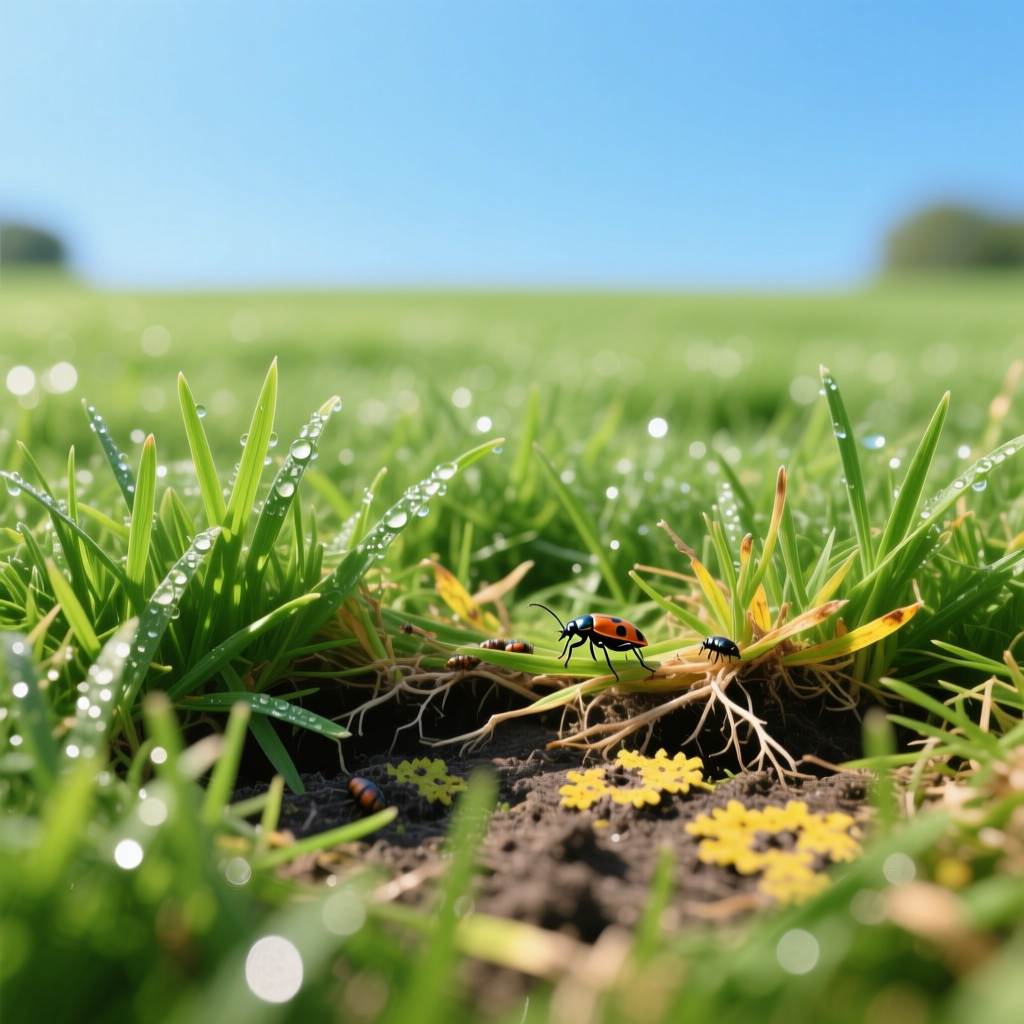
Preventing & Treating Chinch Bug Damage in Zoysia Grass Lawns
James MillerPublished
Zoysia grass is widely celebrated for its dense, carpet-like appearance, exceptional drought tolerance, & ability to withstand heavy foot traffic. However, even this resilient warm-season turfgrass is not entirely immune to the threats posed by lawn pests. Among the most destructive of these pests is the chinch bug, a tiny insect capable of causing widespread devastation to an otherwise healthy lawn. If left unchecked, a chinch bug infestation can turn a lush, green Zoysia lawn into a patchy, brown eyesore in a matter of weeks.
Understanding the biology, habits, & preferences of chinch bugs is the first step toward protecting your turf. Unlike some pests that merely chew on grass blades, chinch bugs inflict damage on a cellular level, making their presence particularly dangerous to the long-term health of your lawn. In this comprehensive guide, we will explore how to accurately identify chinch bug activity, implement proactive cultural practices to prevent infestations, utilize natural & chemical treatment options, & determine when it is time to call in professional help. For a broader overview of turf health, be sure to review our complete Zoysia grass maintenance guide.
Identifying Chinch Bugs & Their Damage in Zoysia Lawns
Before you can effectively treat a pest problem, you must correctly identify the culprit. Chinch bugs (Blissus species) are small, sap-sucking insects that thrive in hot, dry, & sunny environments. They are particularly fond of warm-season grasses, including Zoysia, St. Augustine, & Bermuda grass. Because Zoysia grows densely, it can provide an ideal microhabitat for these pests to breed & feed, especially if the lawn has a thick layer of thatch.
The Life Cycle & Appearance of Chinch Bugs
Chinch bugs go through several life stages, & their appearance changes dramatically as they mature. Adult chinch bugs are small, measuring about one-fifth of an inch long. They have black bodies with white wings that fold flat over their backs, creating a distinctive hourglass pattern. Nymphs, on the other hand, are wingless & brightly colored. When they first hatch, they are bright red with a pale white band across their abdomen. As they molt & grow, they transition through shades of orange & brown before finally reaching their black-and-white adult stage. Spotting the red nymphs is often the earliest visual indicator of a new generation hatching in your turf.
Recognizing the Symptoms of Damage
Chinch bug damage is frequently mistaken for drought stress, which often leads to homeowners overwatering their lawns in a futile attempt to fix the problem. When chinch bugs feed, they pierce the grass blades with their needle-like mouthparts & suck out the plant sap. More importantly, they inject a toxic saliva into the grass that blocks the plant's vascular system, preventing water & nutrients from moving through the blades. This causes the grass to yellow, wilt, & eventually turn brown & die.
Damage typically begins in small, irregularly shaped patches in the sunniest, hottest areas of the lawn, such as near sidewalks, driveways, or the edges of the property where heat radiates from the concrete. As the infestation grows, these patches expand & merge, leading to widespread turf death. To learn more about differentiating pest damage from environmental stress, check out our resource on identifying common lawn pests.
The Tin Can Test: Confirming an Infestation
If you suspect chinch bugs but cannot see them with the naked eye, you can perform a simple DIY diagnostic tool known as the "tin can test" or flotation method. Take a standard metal coffee can, remove both the top & bottom lids, & push one end about two inches deep into the soil at the margin of a damaged area (where healthy grass meets dead grass). Fill the can with water & wait for about five to ten minutes. Chinch bugs cannot swim; if they are present in the thatch or soil, they will float to the surface. Finding more than 15 to 20 chinch bugs per can indicates a severe infestation that requires immediate treatment.
Proactive Prevention Strategies for a Healthy Zoysia Lawn
The most effective way to deal with chinch bugs is to create an environment where they struggle to survive & reproduce. A thick, vigorous Zoysia lawn can naturally withstand minor pest pressure, but cultural mismanagement can roll out the welcome mat for these destructive insects. Implementing the following preventative measures will drastically reduce your lawn's vulnerability.
Managing Thatch Buildup
Thatch is a layer of dead & living organic matter that accumulates between the soil surface & the green grass canopy. While a thin layer of thatch (less than half an inch) is beneficial for moisture retention, Zoysia grass is notorious for producing thick, dense thatch layers. A thatch layer exceeding half an inch provides the perfect sanctuary for chinch bugs, protecting them from predators, extreme weather, & surface-applied insecticides. Regular lawn aeration & dethatching are critical maintenance tasks for Zoysia lawns to keep the thatch layer in check & expose the soil surface to sunlight & air.
Optimizing Irrigation Practices
Chinch bugs thrive in hot, dry conditions & are most destructive during periods of summer drought. However, overwatering your lawn to compensate for pest damage can lead to shallow root systems & fungal diseases like brown patch, which Zoysia is highly susceptible to. The key is to water deeply & infrequently. Providing your Zoysia lawn with about one to one-and-a-half inches of water per week, applied in one or two deep sessions, encourages deep root growth & helps the grass tolerate pest pressure. For a detailed breakdown of irrigation schedules, read our guide on watering your lawn correctly.
Proper Mowing Heights
Scalping your lawn or mowing it too short stresses the grass, reduces its ability to photosynthesize, & exposes the soil & thatch layer to the intense sun—exactly the conditions chinch bugs prefer. Zoysia grass should generally be maintained at a height of 1.5 to 2.5 inches, depending on the specific cultivar (such as Meyer or Emerald). Never remove more than one-third of the grass blade in a single mowing session. Keeping the grass slightly taller provides shade to the soil surface, retaining moisture & creating a less hospitable environment for chinch bug nymphs.
Balanced Fertilization
While nitrogen is essential for a green lawn, excessive use of quick-release synthetic nitrogen fertilizers can cause rapid, succulent grass growth that is highly attractive to sap-sucking insects like chinch bugs. Opt for slow-release nitrogen sources & ensure your soil has adequate levels of potassium & phosphorus, which promote root strength & overall stress tolerance. A soil test is the best way to determine your lawn's exact nutritional needs. Visit our article on fertilizing your lawn for seasonal feeding schedules tailored to warm-season grasses.
DIY & Natural Treatment Solutions for Chinch Bug Infestations
For homeowners who prefer to avoid harsh synthetic chemicals, or for those dealing with a mild, localized chinch bug presence, several natural & organic treatment options can be highly effective. These methods focus on disrupting the pest's life cycle, introducing natural predators, & utilizing botanical compounds to repel or eliminate the insects.
Encouraging Beneficial Insects
Nature has its own pest control mechanisms, & encouraging beneficial insects is a cornerstone of organic pest control methods. The big-eyed bug (Geocoris species) is a natural predator that looks remarkably similar to the chinch bug but feeds on chinch bug eggs & nymphs. Lacewings, ladybugs, & certain parasitic wasps also prey on chinch bugs. You can attract these beneficial predators by planting a diverse array of flowering perennials around the borders of your property & avoiding the use of broad-spectrum insecticides that kill off the good bugs along with the bad.
Botanical Insecticides & Soaps
Insecticidal soaps & horticultural oils, such as neem oil, are excellent contact treatments for chinch bug nymphs. These substances work by coating the insect's body, disrupting their cell membranes, & causing them to dehydrate & suffocate. Because they have no residual effect, they must be applied directly to the pests & reapplied after rainfall. Mix the solution according to the manufacturer's instructions & spray it thoroughly over the affected areas, ensuring you penetrate the thatch layer where the bugs hide. Apply these treatments in the early morning or late evening to prevent leaf burn & to avoid harming foraging bees.
Diatomaceous Earth (DE)
Food-grade diatomaceous earth is a naturally occurring, soft sedimentary rock crumbled into a fine white powder. On a microscopic level, DE consists of sharp, fossilized algae shells. When chinch bugs crawl across the powder, it lacerates their exoskeletons, causing them to dry out & die. Lightly dusting DE over dry, infested areas can provide a natural barrier. However, DE loses its effectiveness once it gets wet, so it must be reapplied after irrigation or rain.
Beneficial Nematodes
Beneficial nematodes (specifically Steinernema species) are microscopic, soil-dwelling worms that actively seek out & infect soil-dwelling pests. While chinch bugs spend much of their time in the thatch, they do retreat to the soil surface to lay eggs & overwinter. Applying nematodes via a hose-end sprayer introduces these microscopic hunters into your lawn, where they invade the chinch bugs & release bacteria that kill the host within 48 hours. Nematodes are completely safe for humans, pets, & earthworms, making them a fantastic biological control option.
Chemical Controls: When & How to Use Insecticides
When an infestation is severe, or natural methods fail to curb the population growth, chemical intervention becomes necessary to save the Zoysia lawn from irreversible damage. Modern insecticides are highly targeted & effective when used correctly, but they require careful handling, precise timing, & strict adherence to safety guidelines.
Contact vs. Systemic Insecticides
There are two primary categories of insecticides used for chinch bug control: contact & systemic. Contact insecticides, such as those containing bifenthrin, lambda-cyhalothrin, or carbaryl, kill the bugs on impact. They are excellent for quickly knocking down a massive, active population of adult chinch bugs. However, they degrade relatively quickly in sunlight & may not reach the nymphs hiding deep within the thatch.
Systemic insecticides, such as those containing imidacloprid or clothianidin, are absorbed by the grass roots & translocated throughout the plant tissue. When chinch bugs feed on the treated grass, they ingest the poison & die. Systemic treatments offer longer-lasting residual control & are highly effective against nymphs, but they take longer to work & must be applied before the peak of the infestation.
Application Timing & Techniques
Timing is everything when applying chemical controls. The most effective window for treatment is when nymphs are actively hatching & feeding, typically in late spring to early summer, & again in late summer for the second generation. Applying granular insecticides requires watering the lawn immediately afterward to wash the active ingredient off the grass blades & down into the thatch & soil where the bugs reside. Liquid sprays should be applied when the wind is calm to prevent drift, & you should avoid mowing the lawn for a few days after application to allow the chemical to fully penetrate the turf canopy.
Safety Precautions
Always read & follow the label instructions on any pesticide product. The label is the law. Keep children & pets off the treated lawn until the application has completely dried or the granules have been thoroughly watered in. Wear appropriate personal protective equipment (PPE), including long sleeves, pants, gloves, & closed-toe shoes when mixing & applying chemicals. Proper storage & disposal of empty containers are also vital to protect local waterways & the environment.
When to Call Professional Pest Control Services
While DIY methods can be effective for minor issues, there are several scenarios where hiring a licensed lawn care professional is the most prudent choice. If your Zoysia lawn is experiencing rapid, widespread browning & the tin can test reveals dozens of bugs per sample, a professional can deploy commercial-grade products that are not available to the general public. These products often feature advanced formulations that provide faster knockdown & longer residual control.
Furthermore, diagnosing lawn problems can be tricky. Chinch bug damage looks nearly identical to certain fungal diseases, nematode damage, & severe drought stress. A professional turf manager can accurately diagnose the root cause of the decline, ensuring you do not waste time & money applying insecticides to a lawn that actually needs a fungicide or a change in irrigation. Professionals also have access to specialized equipment, such as ride-on sprayers & commercial dethatchers, which ensure even application & deep penetration into the dense Zoysia canopy. If you find yourself battling recurring infestations season after season, a professional pest management plan can break the cycle & restore your lawn to its former glory.
Frequently Asked Questions
Will Zoysia grass recover from chinch bug damage?
Zoysia grass is a slow-growing turfgrass compared to Bermuda or St. Augustine, which means its recovery from severe pest damage takes time. If the grass crowns & root systems are still alive, the Zoysia will eventually fill in the dead patches through its stolons & rhizomes. However, if the chinch bugs have completely destroyed the plant down to the soil, you may need to rake out the dead debris & replant those specific areas with Zoysia plugs or sod to speed up the recovery process. Providing optimal water & nutrients during the recovery phase is essential.
How often should I check my Zoysia lawn for chinch bugs?
During the peak heat of summer, when chinch bugs are most active, you should visually inspect your lawn at least once a week. Pay special attention to the edges of driveways, sidewalks, & sunny slopes where heat radiates & soil dries out quickly. Performing the tin can test every few weeks during the active growing season can help you catch a burgeoning population before it causes visible, widespread damage to your turf.
Can chinch bugs spread to other types of grass or plants?
Chinch bugs are primarily a pest of turfgrasses, particularly warm-season varieties like Zoysia, St. Augustine, Bermuda, & Centipede grass. They do not typically infest ornamental garden plants, shrubs, or vegetable gardens. However, if you have multiple types of warm-season grasses on your property, or if your neighbor's lawn is heavily infested, the bugs can easily migrate across property lines in search of fresh food sources.
What is the best time of day to treat for chinch bugs?
The best time to apply both natural & chemical treatments is in the late afternoon or early evening. During the heat of the midday sun, chinch bugs retreat deep into the thatch & soil to escape the heat, making them harder to reach. As the temperature drops in the evening, they become more active & move closer to the surface to feed. Applying treatments at this time ensures maximum contact with the pests while also reducing the risk of the product evaporating too quickly or causing phototoxicity (leaf burn) on the Zoysia grass.
Does fertilizer attract or repel chinch bugs?
Fertilizer itself does not repel chinch bugs, & the wrong type of fertilizer can actually attract them. Applying high levels of quick-release nitrogen causes the Zoysia grass to produce rapid, lush, & succulent growth. This type of growth is highly nutritious & incredibly attractive to sap-sucking insects. To minimize pest attraction while maintaining a healthy lawn, rely on slow-release, organic, or coated nitrogen fertilizers that provide a steady, moderate supply of nutrients over a longer period, promoting steady & resilient grass growth.