Pest Control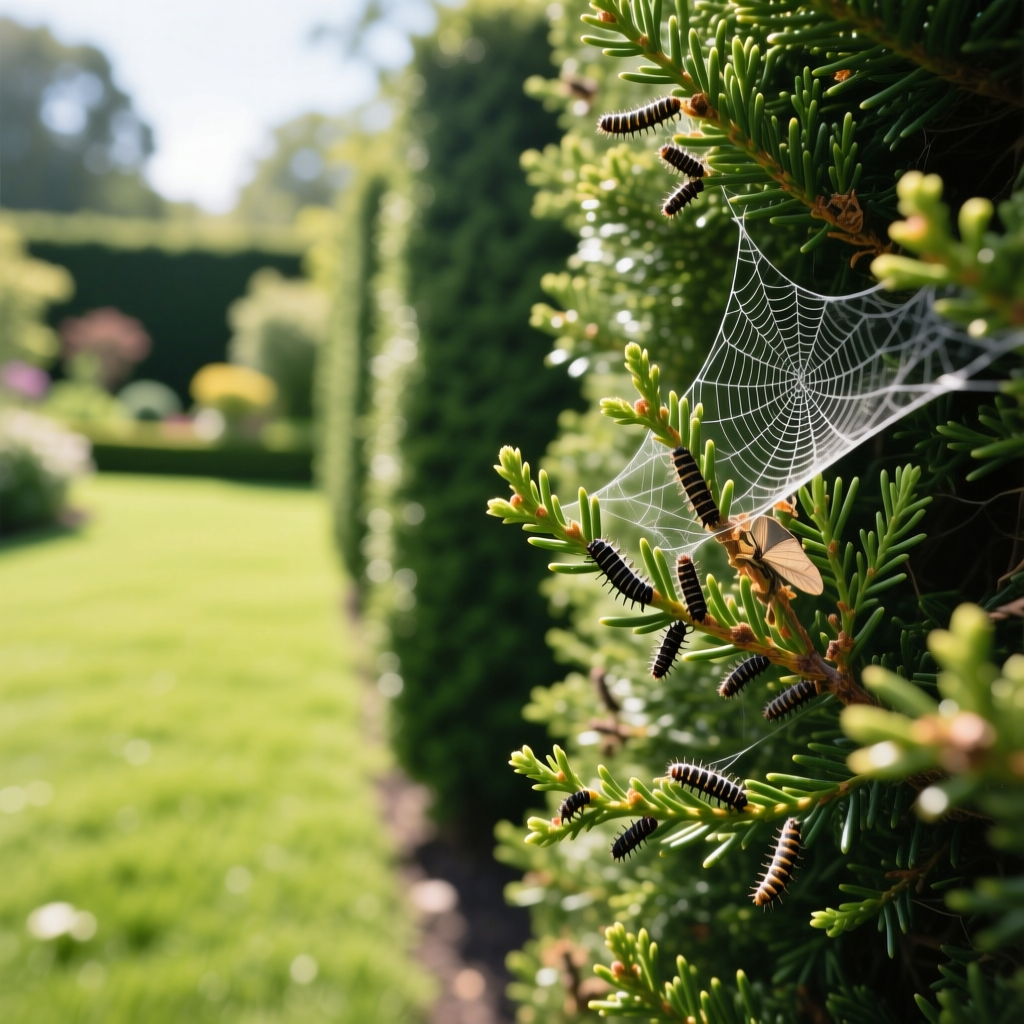
Preventing & Treating Cypress Tip Moth Damage on Arborvitae Hedges
Robert HayesPublished
Preventing & Treating Cypress Tip Moth Damage on Arborvitae Hedges
Arborvitae hedges are among the most popular choices for privacy screens, windbreaks, and ornamental landscaping. Their dense, evergreen foliage provides year-round beauty and functionality. However, these beloved shrubs are under constant threat from a small but destructive pest: the cypress tip moth (Argyresthia thujaella). If you have noticed the tips of your arborvitae turning brown, appearing scorched, or dying back in patches, cypress tip moths may be the culprit.
This comprehensive guide will walk you through everything you need to know about cypress tip moths — from identifying the earliest signs of infestation to implementing effective prevention strategies and treatment options. Whether you are a homeowner maintaining a backyard hedge or a property manager overseeing extensive landscaping, understanding this pest is essential to keeping your arborvitae healthy and vibrant.
For general guidance on maintaining healthy hedges, check out our hedge care basics guide to build a strong foundation for your landscape maintenance routine.
Identifying Cypress Tip Moth Damage on Arborvitae
Before you can treat a problem, you need to confirm that cypress tip moths are responsible for the damage you are seeing. Misdiagnosis is common because several other issues — including winter burn, fungal diseases, and spider mite infestations — can produce similar symptoms on arborvitae. Learning to distinguish cypress tip moth damage from other problems will save you time, money, and frustration.
What Are Cypress Tip Moths?
Cypress tip moths are small, inconspicuous insects belonging to the family Lyonetiidae. The adult moths are tiny, measuring only about 4 to 6 millimeters in length, with silvery-white or pale gray wings. They are rarely seen because of their small size and brief adult lifespan. The real damage is caused by the larval stage — tiny caterpillars that mine into the tips of arborvitae and other cypress-family plants to feed.
These moths primarily target plants in the Cupressaceae family, including:
- Arborvitae (Thuja species, including Thuja occidentalis and Thuja plicata)
- False cypress (Chamaecyparis species)
- Junipers (Juniperus species)
- True cypress (Cupressus species)
Recognizing the Signs of Infestation
Cypress tip moth larvae feed inside the individual scale-like leaves at the branch tips. This internal feeding creates distinctive damage patterns that trained eyes can identify. Here are the key signs to look for:
- Brown or tan branch tips: The most obvious symptom is the browning of individual branchlet tips. Unlike winter burn, which tends to affect entire sides of the plant exposed to wind and sun, cypress tip moth damage appears scattered throughout the canopy in a speckled or patchy pattern.
- Hollowed-out tips: If you examine damaged tips closely, you will find they are hollow inside. The larva mines out the interior of the leaf tissue, leaving behind a tiny, hollow shell.
- Frass (insect waste):strong> You may notice tiny accumulations of brown, granular frass near the base of damaged tips or within the hollowed-out cavities.
- Exit holes: Mature larvae chew small, round exit holes in the tips before pupating. These holes are approximately 1 millimeter in diameter and are a clear indicator of moth activity.
- Premature tip drop: Severely damaged tips may dry out completely and fall from the plant, leaving bare patches on branches.
Distinguishing Moth Damage from Other Problems
It is important to differentiate cypress tip moth damage from other common arborvitae issues. Common arborvitae pests and diseases can cause overlapping symptoms, so careful inspection is critical.
- Winter burn typically affects the outermost foliage on the windward or sun-facing side of the hedge, creating large, uniform brown patches rather than scattered individual tips.
- Spider mites cause a general bronzing or yellowing of foliage and may produce fine webbing between leaves.
- Fungal tip blight causes browning that progresses from the tip downward along the branch and may produce visible fungal fruiting bodies.
- Drought stress causes uniform wilting and browning, typically starting at the top or outer edges of the plant.
To confirm cypress tip moth activity, snip several damaged tips and slice them open lengthwise with a sharp knife or razor blade. If you find a tiny caterpillar (usually 2 to 4 millimeters long, cream-colored or pale green) or evidence of mining and frass inside, you have confirmed a cypress tip moth infestation.
Understanding the Cypress Tip Moth Life Cycle
Effective pest control depends on understanding the life cycle of your target insect. Timing your interventions correctly can dramatically improve results and reduce the need for repeated treatments.
The Four Stages of Development
The cypress tip moth undergoes complete metamorphosis through four life stages:
- Egg: Adult female moths lay eggs on the surface of arborvitae branchlets, typically in late spring to early summer. The eggs are extremely small and difficult to see without magnification.
- Larva: After hatching, the tiny caterpillar immediately bores into the tip of a branchlet and begins feeding internally. The larval stage is the most destructive phase and can last several weeks. During this time, the larva is protected inside the plant tissue, making it difficult to reach with contact insecticides.
- Pupa: The mature larva pupates inside the damaged tip or in the soil beneath the hedge. The pupal stage typically lasts one to two weeks.
- Adult: The tiny adult moth emerges, mates, and begins the cycle again. Adults live only a few days to a couple of weeks and do not cause any direct damage to plants.
Generations per Season
In most temperate climates, cypress tip moths complete two to three generations per growing season. In warmer regions, they may produce additional generations. The first generation typically emerges in mid-to-late spring, with subsequent generations following at roughly six-to-eight-week intervals through late summer and early fall.
This overlapping generational cycle means that multiple life stages can be present simultaneously on your hedges, complicating control efforts. A single treatment is rarely sufficient — an integrated approach combining cultural practices, biological controls, and targeted chemical interventions yields the best long-term results.
Proper seasonal maintenance is key to staying ahead of pest populations. Our seasonal landscape maintenance guide provides a month-by-month approach to keeping your entire yard healthy.
Prevention Strategies for Cypress Tip Moth Damage
As with most pest problems, prevention is far more effective — and less costly — than treatment after an infestation has taken hold. By creating conditions that discourage cypress tip moths and promoting the natural resilience of your arborvitae, you can significantly reduce the likelihood of serious damage.
Choose Resistant Varieties When Possible
Not all arborvitae varieties are equally susceptible to cypress tip moth damage. If you are planting a new hedge or replacing damaged sections, consider selecting varieties that show greater resistance:
- Thuja occidentalis 'Smaragd' (Emerald Green): While not immune, this popular variety tends to suffer less severe damage compared to some other cultivars.
- Thuja plicata 'Green Giant': Western red cedar varieties often show moderate resistance to tip moth feeding.
- Thuja 'Steeplechase':strong> This hybrid variety has demonstrated good tolerance in landscape settings.
Consult with your local extension office or a reputable nursery to identify the best-performing varieties for your specific climate and conditions. For more planting guidance, visit our guide to planting hedges for privacy.
Maintain Plant Health Through Proper Cultural Practices
Healthy, vigorously growing arborvitae are better able to tolerate and recover from pest damage. Focus on these foundational care practices:
- Watering: Arborvitae prefer consistent moisture, especially during the first few years after planting. Provide approximately one inch of water per week during the growing season. Deep, infrequent watering encourages strong root development. Use our irrigation basics guide to set up an efficient watering system.
- Mulching: Apply a two-to-three-inch layer of organic mulch around the base of your hedges, keeping it several inches away from the trunk. Mulch helps retain soil moisture, regulate temperature, and suppress competing weeds.
- Fertilizing: Conduct a soil test every few years to determine nutrient needs. Over-fertilization, particularly with high-nitrogen fertilizers, can promote succulent new growth that is more attractive to egg-laying moths. A balanced, slow-release fertilizer applied in early spring is usually sufficient. Read our guide to fertilizing shrubs and hedges for detailed recommendations.
- Pruning: Regular, light pruning promotes dense growth and good air circulation within the hedge. Remove dead or heavily infested branches promptly to reduce pest populations. Avoid heavy shearing during peak moth flight periods, as fresh cuts can attract egg-laying females.
Sanitation and Physical Removal
One of the most effective — and often overlooked — prevention methods is simple sanitation. By physically removing infested tips, you can break the moth's life cycle and reduce future generations:
- Inspect your hedges regularly throughout the growing season, paying close attention to the tips of branches.
- Hand-pick or prune out brown, damaged tips as soon as you notice them. Place the removed material in a sealed bag and dispose of it in the trash — do not compost infested clippings, as larvae and pupae can survive the composting process.
- For smaller hedges, a thorough manual cleanup every two to three weeks during peak moth activity can keep populations well below damaging levels.
- In late fall or early winter, rake up fallen debris beneath the hedges where pupae may be overwintering in the soil litter layer.
Encourage Natural Predators
A healthy landscape supports a diverse population of beneficial insects and birds that prey on cypress tip moths at various life stages:
- Parasitic wasps: Several species of tiny parasitic wasps attack cypress tip moth larvae and pupae. Avoid broad-spectrum insecticides that kill these beneficial insects along with the pests.
- Predatory beetles: Ground beetles and other predatory insects forage in the soil and leaf litter, consuming pupating moths.
- Birds: Chickadees, nuthatches, and other small birds feed on larvae and pupae, especially during the winter months when other food sources are scarce.
Planting a diverse range of flowering plants near your hedges provides nectar and habitat for beneficial insects. Our guide to beneficial insects for garden pest control offers more strategies for building a natural defense system in your landscape.
Treatment Options for Active Infestations
When prevention measures are not enough and an active infestation threatens the health and appearance of your arborvitae hedges, targeted treatment becomes necessary. The following approaches range from organic and low-impact solutions to more aggressive chemical controls.
Biological and Organic Treatments
For homeowners who prefer to minimize chemical use, several biological and organic products can effectively suppress cypress tip moth populations:
- Spinosad: This naturally derived insecticide, produced by a soil-dwelling bacterium, is effective against caterpillars and has relatively low toxicity to mammals and beneficial insects when used as directed. Apply spinosad as a foliar spray when young larvae are present and actively mining into tips. Timing is critical — spray when you first observe fresh damage or when adult moth flights are detected using pheromone traps.
- Bacillus thuringiensis var. kurstaki (Btk): This biological insecticide specifically targets caterpillars and is harmless to humans, pets, and beneficial insects. Btk must be ingested by the larva to be effective, so thorough coverage of foliage is essential. It works best against early-instar larvae that have not yet bored deeply into the tips.
- Horticultural oils: Dormant oil applications in late winter or early spring can smother overwintering eggs and pupae on the surface of branchlets. During the growing season, lightweight summer oils can help suppress newly hatched larvae before they bore into the tips. Always follow label directions regarding temperature restrictions to avoid damaging foliage.
- Neem oil: Neem oil has both insecticidal and repellent properties. It disrupts insect feeding and reproduction and can be applied as a foliar spray. Like Btk, it is most effective against young larvae and requires thorough coverage and repeat applications at seven-to-ten-day intervals during peak activity periods.
Synthetic Chemical Controls
For severe infestations or situations where organic options have proven insufficient, synthetic insecticides may provide the level of control needed:
- Systemic insecticides (e.g., imidacloprid, dinotefuran): Systemic products are absorbed by the plant and translocated to the branch tips, where feeding larvae ingest the insecticide along with plant tissue. These products are typically applied as soil drenches or trunk injections in early spring, well before the first generation of moths becomes active. Systemic treatments provide extended protection — often several months — with a single application.
- Contact insecticides (e.g., permethrin, bifenthrin, carbaryl): These products kill larvae on contact and can provide residual protection on treated foliage. They are most effective when applied during adult moth flight periods to kill newly hatched larvae before they bore into the tips. Multiple applications at labeled intervals may be necessary to cover overlapping generations.
- Insect growth regulators (e.g., diflubenzuron): These specialized products disrupt the molting process of developing larvae, preventing them from reaching maturity. They are most effective when applied early in the larval development stage.
Important safety note: Always read and follow the product label when using any pesticide. The label is the law. Pay attention to application rates, timing restrictions, pre-harvest intervals (if applicable), and environmental precautions — especially regarding pollinators and aquatic habitats. If you are unsure about product selection or application methods, consult a licensed pest control professional.
Timing Your Treatments for Maximum Effectiveness
Timing is arguably the most critical factor in successfully treating cypress tip moth infestations. Here is a general treatment calendar:
- Late winter to early spring: Apply dormant horticultural oil to smother overwintering stages. Apply systemic insecticides as a soil drench so the product has time to be absorbed and translocated before the first moth flight.
- Mid-spring (first generation): Monitor for adult moth activity using pheromone traps or visual observation. Begin foliar sprays with Btk, spinosad, or contact insecticides when moths are detected. Repeat applications at seven-to-fourteen-day intervals as needed.
- Early to mid-summer (second generation): Continue monitoring and treatment as needed. Remove and destroy infested tips manually to reduce populations.
- Late summer to early fall (third generation, if applicable): Assess overall damage levels and determine whether additional treatment is warranted. In many cases, late-season damage is primarily cosmetic, and the plant will recover naturally the following spring.
- Late fall: Rake and dispose of debris beneath hedges. Consider a dormant oil application if the infestation was severe during the growing season.
When to Call a Professional for Cypress Tip Moth Control
While many homeowners can manage minor cypress tip moth infestations with the strategies outlined above, there are situations where professional intervention is warranted. Knowing when to call in an expert can save you time, money, and the frustration of watching your hedges decline despite your best efforts.
Signs You Need Professional Help
Consider hiring a licensed arborist or pest control professional in the following situations:
- Large or tall hedges: If your arborvitae hedge is taller than you can safely reach with a sprayer, achieving thorough coverage is nearly impossible without professional-grade equipment. Incomplete coverage leads to poor results and wasted product.
- Persistent or worsening infestations: If you have tried DIY methods for an entire growing season and the damage continues to spread, a professional can diagnose contributing factors and implement a more aggressive, targeted treatment plan.
- Multiple pest or disease issues: Cypress tip moths often attack hedges that are already stressed by other problems such as root rot, spider mites, or nutrient deficiencies. A professional can assess the overall health of your landscape and develop a comprehensive management plan.
- Trunk injection treatments: Some systemic insecticides require trunk injection, a technique that should only be performed by trained professionals to avoid damaging the plant.
- Commercial properties or HOA requirements: If you manage commercial landscapes or are subject to homeowners' association standards, professional treatment ensures consistent, documented results.
What to Expect from a Professional Service
When you hire a professional pest control service or certified arborist, you can expect:
- A thorough inspection and accurate diagnosis of the pest problem and any contributing factors
- A written treatment plan outlining the products, methods, timing, and costs involved
- Application of commercial-grade products that may not be available to homeowners
- Follow-up visits to monitor effectiveness and adjust the treatment plan as needed
- Recommendations for cultural practices that will improve the long-term health and resilience of your hedges
Investing in professional care for high-value landscape plantings often pays for itself by preventing the far greater cost of replacing mature hedges. For additional tips on maintaining the value and beauty of your landscape, explore our complete landscape maintenance tips.
Frequently Asked Questions About Cypress Tip Moths
Will cypress tip moths kill my arborvitae hedge?
In most cases, cypress tip moth damage is primarily cosmetic and will not kill a healthy, established arborvitae. The larvae feed only on the tips of individual branchlets, and the plant can usually compensate by producing new growth. However, severe, repeated infestations over multiple seasons — especially on young or already stressed plants — can lead to significant dieback, thinning, and increased susceptibility to other pests and diseases. The key is to manage populations before they reach damaging levels and to keep your hedges as healthy as possible through proper cultural care.
How can I tell the difference between cypress tip moth damage and winter burn?
Cypress tip moth damage and winter burn can look similar at a glance, but there are important differences. Winter burn typically appears as large, uniform patches of browning on the side of the hedge exposed to prevailing winds or intense winter sun. It usually becomes apparent in late winter or early spring and does not spread during the growing season. Cypress tip moth damage, by contrast, appears as scattered, individual brown tips distributed throughout the canopy — not just on one side. The damage may worsen progressively through the spring and summer as successive generations of moths emerge. The definitive test is to cut open a damaged tip: if you find a hollow interior with frass or a tiny caterpillar inside, the damage is caused by cypress tip moths.
Are there any natural predators that help control cypress tip moths?
Yes, several natural enemies help keep cypress tip moth populations in check. Parasitic wasps in the families Ichneumonidae and Braconidae lay their eggs inside or on moth larvae, eventually killing them. Ground beetles and spiders consume larvae and pupae in the leaf litter beneath hedges. Birds, particularly small species like chickadees, kinglets, and nuthatches, forage for larvae and pupae among the branch tips, especially during fall and winter. Encouraging biodiversity in your landscape by reducing broad-spectrum pesticide use, planting diverse flowering plants, and providing bird habitat will strengthen these natural control mechanisms over time.
How often should I treat my arborvitae for cypress tip moths?
The frequency of treatment depends on the severity of the infestation, the products you are using, and your local climate. For preventive systemic treatments, a single application in early spring may provide season-long control. For foliar sprays using contact or biological insecticides, applications are typically needed every seven to fourteen days during each moth flight period, which may mean three to six total applications per growing season in areas with multiple generations. Always follow the specific product label for application rates and intervals. Monitor your hedges regularly and adjust your treatment frequency based on observed pest activity and damage levels.
Can I prevent cypress tip moths from returning next year?
Complete eradication of cypress tip moths is unrealistic, as they are widespread and can fly in from neighboring properties. However, you can significantly reduce their impact through consistent, integrated management. The most effective long-term strategy combines several approaches: maintaining plant health through proper watering, mulching, and fertilization; removing and destroying infested tips throughout the growing season; applying preventive treatments in early spring; encouraging natural predators; and cleaning up fallen debris in the fall. By implementing these practices consistently, you can keep cypress tip moth populations below the threshold where they cause noticeable damage, ensuring your arborvitae hedges remain dense, green, and attractive year after year.
For more expert advice on keeping your entire yard in top shape, browse our full collection of pest control guides and lawn care resources at LawnsGuide.com.