Pest Control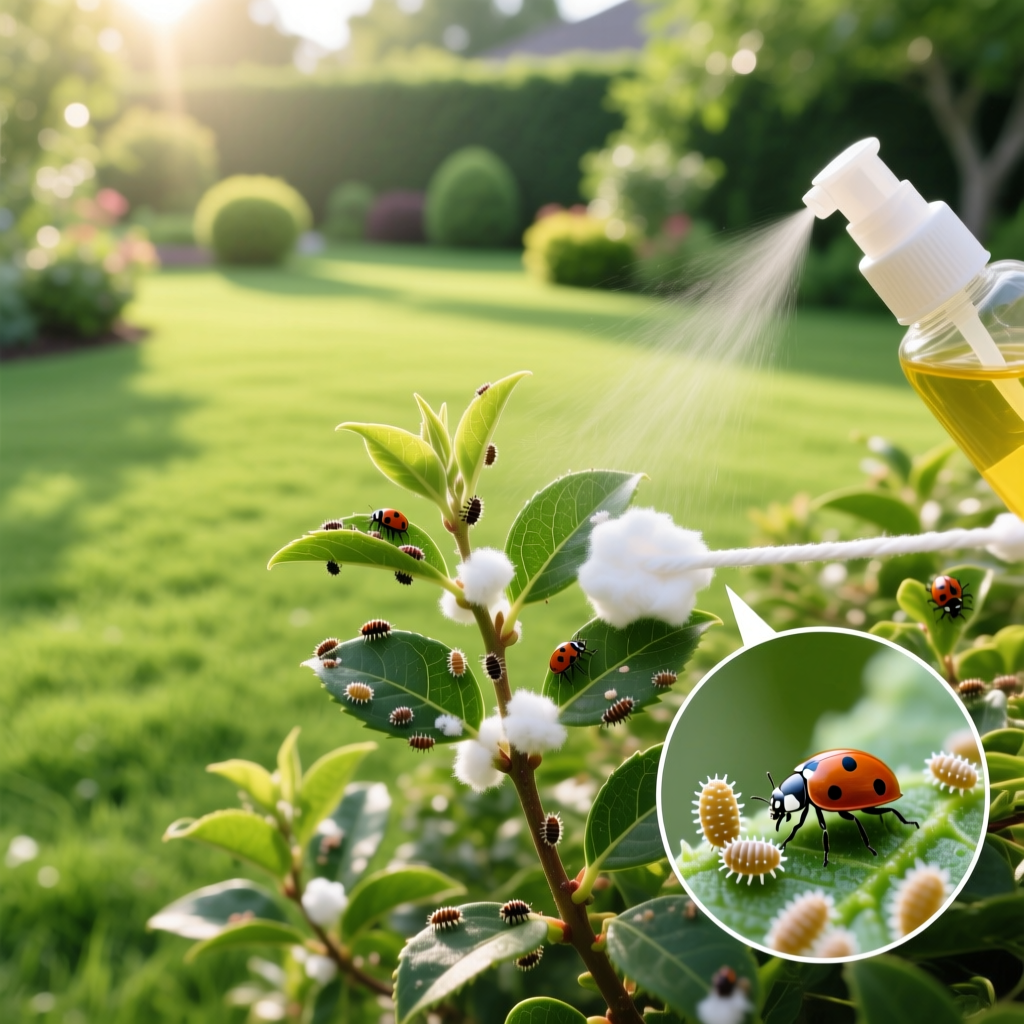
Preventing & Treating Mealybug Infestations on...
Robert HayesPublished
Ornamental shrubs add beauty, structure, and curb appeal to any landscape. From lush boxwoods to vibrant azaleas, these plants are the backbone of well-designed gardens. Unfortunately, they are also prime targets for one of the most destructive sap-sucking pests in the gardening world: the mealybug. If you have noticed a white, cottony substance clinging to the stems, leaf joints, or undersides of your shrubs, chances are you are dealing with a mealybug infestation that demands immediate attention.
Mealybugs are small, soft-bodied insects belonging to the family Pseudococcidae. They feed by piercing plant tissues and sucking out vital sap, weakening the host plant over time. Left unchecked, these pests can cause stunted growth, yellowing leaves, premature leaf drop, and even plant death. They also excrete a sticky substance known as honeydew, which attracts ants and promotes the growth of sooty mold — a black fungal coating that blocks sunlight and further compromises plant health.
The good news is that mealybug infestations are both preventable and treatable. Whether you are a seasoned gardener or a first-time homeowner managing your landscape, this comprehensive guide will walk you through everything you need to know about identifying, preventing, and eliminating mealybugs on ornamental shrubs. For broader strategies on keeping your entire yard healthy, explore our lawn care guides for seasonal maintenance tips that support overall landscape vigor.
How to Identify Mealybugs on Ornamental Shrubs
Before you can treat a mealybug problem, you need to confirm that mealybugs are indeed the culprit. Misidentification can lead to ineffective treatments and wasted effort, so understanding the distinct characteristics of these pests is essential.
Physical Appearance
Adult mealybugs are tiny insects, typically measuring between 1/20 and 1/5 of an inch in length. They have oval-shaped, segmented bodies that are covered in a white or grayish waxy coating, giving them a fluffy, cotton-like appearance. This waxy covering serves as protection against predators and some pesticides, which is part of what makes them challenging to control.
You will most commonly find mealybugs clustered in protected areas of the plant: leaf axils (where the leaf meets the stem), along the midribs on the undersides of leaves, at branch crotches, and around new growth tips. Some species, such as the ground mealybug, may also feed on root systems below the soil surface, making them harder to detect until significant damage has already occurred.
Signs and Symptoms of Infestation
Even if you do not spot the insects themselves, your shrubs will display telltale signs of a mealybug problem:
- White, cottony masses: The most obvious indicator. These waxy clusters appear on stems, leaf joints, and the undersides of foliage.
- Sticky honeydew residue: A shiny, tacky film on leaves and nearby surfaces. This sugary excretion is a byproduct of mealybug feeding.
- Sooty mold growth: Black, powdery fungal growth that develops on honeydew-coated surfaces, reducing photosynthesis.
- Yellowing and wilting leaves: As mealybugs drain the plant of nutrients, foliage loses its color and vigor.
- Stunted or distorted new growth: Mealybugs prefer tender new shoots, causing them to curl, pucker, or fail to develop properly.
- Ant activity: Ants are attracted to honeydew and will often "farm" mealybugs, protecting them from natural predators in exchange for the sweet secretion.
If you notice any combination of these symptoms, inspect your ornamental shrubs closely. Early detection is critical because mealybugs reproduce rapidly. A single female can lay between 300 and 600 eggs over her lifetime, and under favorable conditions, multiple generations can emerge within a single growing season. For help diagnosing other common landscape problems, check out our pest control resource center for identification guides and treatment options.
Common Ornamental Shrubs Targeted by Mealybugs
While mealybugs are not particularly selective, they show a strong preference for certain ornamental species. Shrubs commonly affected include azaleas, camellias, gardenias, hibiscus, hydrangeas, privet, boxwood, juniper, croton, oleander, and viburnum. If you grow any of these species, make regular inspection a priority, especially during warm, humid periods when mealybug populations surge.
Prevention Strategies for Mealybug-Free Ornamental Shrubs
As with most pest management challenges, prevention is far more effective — and less costly — than treatment. By creating an environment that discourages mealybug colonization, you can protect your ornamental shrubs before an infestation ever takes hold.
Select Healthy Plants and Inspect Before Planting
Many mealybug infestations begin with the introduction of infested nursery stock. Before purchasing any ornamental shrub, examine it thoroughly. Check the undersides of leaves, stem joints, and the soil surface for any signs of white, cottony masses or sticky residue. If possible, quarantine new plants for two to three weeks before placing them near established specimens. This isolation period gives you time to observe and address any hidden pest problems.
Maintain Optimal Growing Conditions
Healthy, vigorously growing shrubs are naturally more resistant to pest attacks. Mealybugs are attracted to stressed plants, particularly those suffering from nutrient imbalances. Excessive nitrogen fertilization, for example, promotes soft, succulent new growth that is especially appealing to sap-sucking insects. Use a balanced, slow-release fertilizer appropriate for your shrub species and soil type. Our fertilization guides offer detailed recommendations for feeding ornamental landscapes without encouraging pest-friendly growth spurts.
Proper watering practices also play a crucial role. Overwatering creates humid microclimates that mealybugs thrive in, while underwatering stresses the plant and reduces its natural defenses. Water deeply but infrequently, allowing the top layer of soil to dry between sessions. Mulching with two to three inches of organic material helps regulate soil moisture and temperature, but keep mulch pulled back several inches from the base of the shrub to prevent excess moisture buildup against the bark.
Promote Air Circulation and Sunlight Penetration
Mealybugs favor sheltered, humid environments. Dense, overgrown shrub canopies provide ideal conditions for colonization. Regular pruning to remove dead, damaged, or crossing branches improves airflow and allows sunlight to reach the interior of the plant. This not only makes the environment less hospitable to mealybugs but also supports overall plant health. Learn more about proper pruning techniques in our shrub care guides.
Encourage Natural Predators
Beneficial insects are among the most effective — and environmentally friendly — defenses against mealybugs. Ladybugs, lacewings, parasitic wasps (particularly species in the genus Anagyrus), and the mealybug destroyer beetle (Cryptolaemus montrouzieri) all prey on mealybugs at various life stages. To attract and retain these allies, plant nectar-rich flowering species nearby, avoid broad-spectrum insecticides that harm beneficial populations, and consider purchasing and releasing predatory insects in heavily infested areas.
Practice Good Garden Hygiene
Remove fallen leaves, pruned debris, and weeds from around your ornamental shrubs. Mealybugs can survive on plant debris and alternate host weeds, using them as staging areas before migrating to your prized specimens. Clean and sterilize pruning tools between plants — especially when moving from an infested shrub to a healthy one — using a solution of one part bleach to nine parts water or a commercial disinfectant. This simple step prevents the mechanical transfer of eggs and crawlers from plant to plant.
DIY Treatment Solutions for Mealybug Infestations
If prevention measures have not been enough and you discover an active mealybug infestation on your ornamental shrubs, several effective do-it-yourself treatment options are available. The best approach depends on the severity of the infestation and the size of the affected plants.
Spot Treatment with Rubbing Alcohol
For light, localized infestations, direct application of isopropyl (rubbing) alcohol is one of the most effective and immediate treatments. The alcohol dissolves the mealybug's protective waxy coating, causing rapid dehydration and death.
To use this method, dip a cotton swab or small cloth in 70% isopropyl alcohol and dab it directly onto visible mealybug clusters. You can also mix one part rubbing alcohol with three parts water in a spray bottle and apply it to affected areas. Test this spray on a small, inconspicuous section of the shrub first and wait 24 hours to ensure it does not cause leaf burn. Apply during cooler parts of the day — early morning or late evening — to minimize the risk of phytotoxicity.
Insecticidal Soap Sprays
Insecticidal soaps are potassium salts of fatty acids that work by penetrating the mealybug's outer shell and disrupting cell membranes, leading to dehydration. These products are widely available at garden centers and are considered safe for use on most ornamental shrubs when applied according to label directions.
For best results, thoroughly coat all infested surfaces, including the undersides of leaves and stem joints, where mealybugs tend to hide. Insecticidal soaps only work on contact, so complete coverage is essential. Repeat applications every five to seven days until no mealybugs are observed, as newly hatched crawlers may emerge after the initial treatment. Avoid applying soaps when temperatures exceed 90°F or when plants are drought-stressed, as these conditions increase the likelihood of leaf damage.
Neem Oil Applications
Neem oil, extracted from the seeds of the neem tree (Azadirachta indica), is a versatile organic treatment that works against mealybugs in multiple ways. It acts as an antifeedant (discouraging insects from feeding), a growth regulator (disrupting molting and reproduction), and a mild contact insecticide. Neem oil also has fungicidal properties, making it useful for addressing sooty mold that develops on honeydew-covered surfaces.
Mix neem oil concentrate with water according to the product label, typically at a rate of one to two tablespoons per gallon. Add a few drops of mild liquid dish soap as an emulsifier to help the oil blend with water. Spray the solution generously over all affected plant parts, ensuring thorough coverage. Apply every seven to fourteen days as needed, and always spray during early morning or evening hours to prevent sun-related leaf scorch.
High-Pressure Water Sprays
For sturdy ornamental shrubs, a strong jet of water from a garden hose can physically dislodge mealybugs from plant surfaces. This method is most effective against young crawlers, which are smaller and less firmly attached than adults. Direct the spray at infested areas, paying special attention to leaf undersides and branch junctions. While this approach will not eliminate every individual, it can significantly reduce population levels and is an excellent complement to other treatment methods.
Horticultural Oil Treatments
Horticultural oils — including dormant oils and summer-weight oils — work by smothering mealybugs and their eggs. These highly refined petroleum-based or plant-based oils form a thin film over the insect's body, blocking spiracles (breathing pores) and causing suffocation. Dormant-season applications are particularly effective because they target overwintering eggs and adults before spring populations can build.
Apply horticultural oils when temperatures are between 40°F and 85°F, and avoid treating plants that are water-stressed or when humidity is extremely high. As with all treatments, read and follow the product label carefully to avoid damaging sensitive shrub species. Some ornamentals, including certain varieties of juniper, spruce, and Japanese maple, can be sensitive to oil applications.
Systemic Soil Drenches
For severe or recurring infestations, systemic insecticides applied as soil drenches offer long-lasting control. Products containing imidacloprid or dinotefuran are absorbed by the plant's root system and translocated throughout the vascular tissues. When mealybugs feed on treated plants, they ingest the insecticide and die.
Systemic treatments are particularly useful for large shrubs where thorough spray coverage is difficult to achieve. However, they should be used judiciously and only when other methods have proven insufficient. Because systemics can be present in nectar and pollen, avoid applying them to flowering shrubs during bloom periods to protect pollinators. Always follow label instructions regarding application rates, timing, and safety precautions.
When to Call a Professional Pest Control Service
While many mealybug infestations can be managed with diligent DIY efforts, there are situations where professional intervention becomes necessary. Recognizing these scenarios can save you time, money, and the heartbreak of losing valuable ornamental shrubs.
Widespread or Persistent Infestations
If mealybugs have spread to multiple shrubs across your landscape, or if repeated DIY treatments have failed to bring the population under control, it is time to consult a licensed pest control professional. Professionals have access to commercial-grade products and application equipment that are not available to consumers, and they can design a comprehensive treatment plan tailored to your specific landscape and pest pressure.
Root Mealybug Infestations
Root mealybugs live below the soil surface, feeding on root systems and causing decline that is often mistaken for disease or watering problems. By the time above-ground symptoms become apparent, the infestation is usually well-established. Diagnosing root mealybugs requires carefully unearthing portions of the root ball and inspecting for tiny, white insects and waxy residue. Treatment often involves soil drenches or root-zone injections that are best applied by professionals with the proper training and equipment.
Valuable or Specimen Shrubs
Mature ornamental shrubs that have taken years or decades to establish represent a significant investment in your landscape. If these specimen plants are under attack, the risk of losing them to an improperly executed treatment plan may outweigh the cost of hiring a professional. An experienced arborist or pest control operator can assess the situation, recommend the safest and most effective treatment, and monitor the plant's recovery over time.
Integrated Pest Management Programs
Professional pest control companies increasingly offer Integrated Pest Management (IPM) programs that combine biological controls, cultural practices, targeted chemical treatments, and ongoing monitoring. An IPM approach is particularly valuable for properties with diverse ornamental plantings, as it addresses the full spectrum of pest pressures while minimizing environmental impact. Ask your local extension office or search our pest control directory for qualified professionals in your area.
Ant Colony Management
If ants are actively farming mealybugs on your shrubs, treating the mealybugs alone may not solve the problem. Ants will simply reintroduce mealybugs or protect surviving individuals from treatment. A professional can implement a comprehensive ant management strategy — including baiting, barrier treatments, and colony elimination — that addresses the root cause of the symbiotic relationship and prevents reinfestation.
Frequently Asked Questions About Mealybugs on Ornamental Shrubs
Can mealybugs spread to other plants in my garden?
Yes, mealybugs can and will spread to nearby plants, especially when populations become dense. Young mealybug crawlers are highly mobile and can be carried by wind, water splashes, garden tools, clothing, and even pets. Some species can also crawl short distances across the soil surface or along connecting branches. To contain an infestation, isolate affected shrubs if possible, treat them promptly, and monitor surrounding plants closely for early signs of colonization. Maintaining adequate spacing between shrubs reduces the likelihood of pest transfer through physical contact.
Will mealybugs kill my ornamental shrubs?
A small mealybug population is unlikely to kill a healthy, mature shrub outright. However, heavy or prolonged infestations can cause severe decline and, in extreme cases, plant death. The damage occurs through multiple pathways: direct sap loss weakens the plant, honeydew and sooty mold reduce photosynthetic capacity, and the open feeding wounds created by mealybugs provide entry points for secondary pathogens. Young shrubs, recently transplanted specimens, and plants already under environmental stress are at the greatest risk. Early detection and consistent treatment are the keys to preventing catastrophic damage.
How often should I inspect my shrubs for mealybugs?
During the active growing season, inspect your ornamental shrubs at least once every one to two weeks. Focus on the areas where mealybugs prefer to congregate: leaf axils, stem junctions, the undersides of leaves, and new growth tips. Increase inspection frequency during warm, humid weather, which accelerates mealybug reproduction. In the dormant season, monthly checks are generally sufficient, but do not skip them entirely — mealybug eggs and adults can overwinter in protected crevices and resume activity as temperatures rise. Pair your mealybug inspections with general lawn maintenance routines to make landscape monitoring a consistent habit.
Are mealybugs harmful to humans or pets?
Mealybugs are not known to bite, sting, or transmit diseases to humans or pets. They are strictly plant-feeding insects and pose no direct health risk to people or animals. However, the honeydew they produce can create slippery surfaces on walkways and patios beneath infested shrubs, and sooty mold growth may be a concern for individuals with mold sensitivities. Additionally, some of the treatment products used to control mealybugs — particularly systemic insecticides — can be toxic if ingested. Always follow product safety labels, keep children and pets away from treated areas until applications have dried, and store all pest control products securely.
What is the fastest way to get rid of mealybugs on shrubs?
The fastest approach depends on the scale of the infestation. For small, localized outbreaks, direct application of 70% isopropyl alcohol with a cotton swab provides near-instant results by dissolving the mealybug's protective wax and causing immediate dehydration. For larger infestations, a combination approach works best: begin with a strong water spray to dislodge as many insects as possible, follow with a thorough application of insecticidal soap or neem oil, and repeat every five to seven days for at least three to four weeks to catch newly hatched crawlers. For the most rapid and comprehensive control on large or heavily infested shrubs, a professional-grade systemic soil drench can provide season-long protection within two to four weeks of application. Regardless of the method chosen, consistency and thoroughness are the most important factors in achieving complete eradication.
Managing mealybugs on ornamental shrubs requires vigilance, patience, and a multi-faceted approach. By combining strong cultural practices, regular monitoring, biological controls, and targeted treatments when necessary, you can keep these destructive pests at bay and enjoy healthy, thriving ornamental shrubs for years to come. For more tips on maintaining a beautiful, pest-free landscape, browse our complete collection of lawn and garden care guides.
