
Pest Control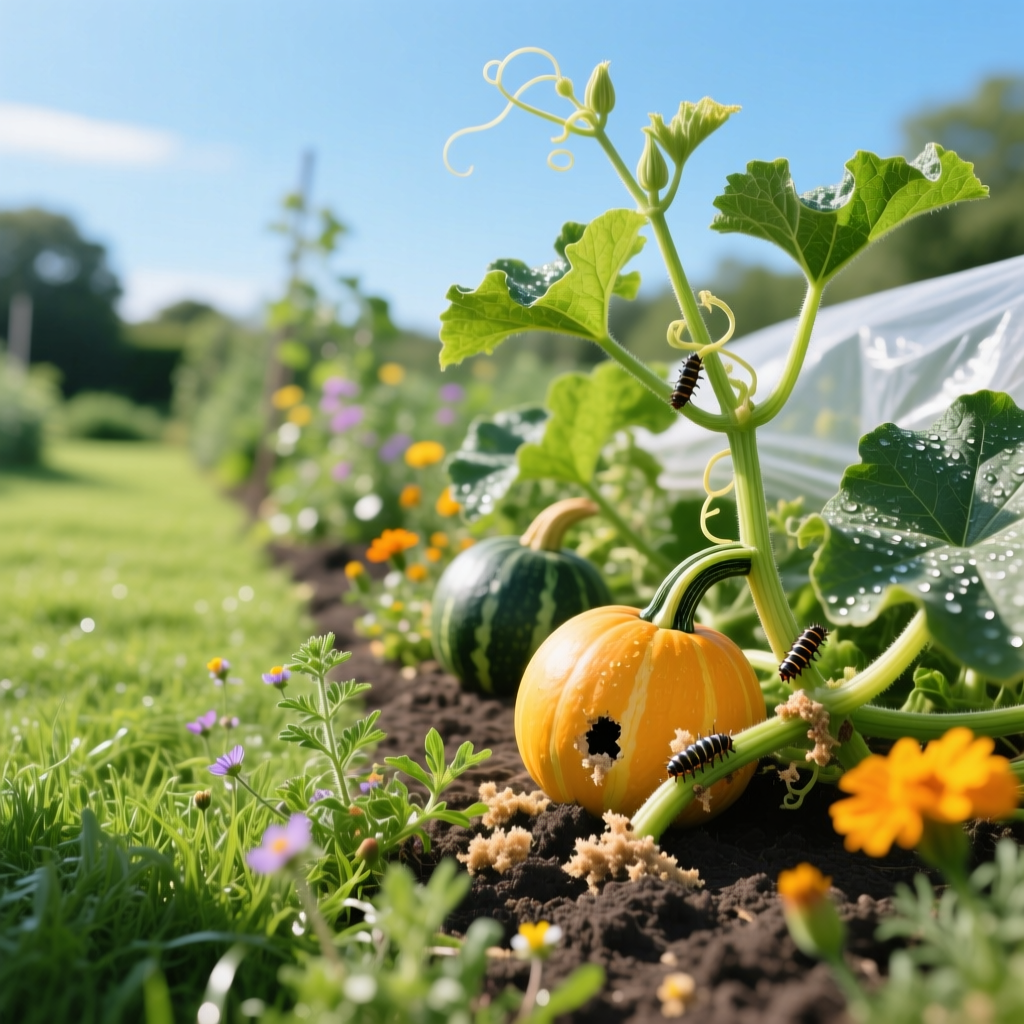
How to Prevent and Treat Squash Vine Borers in Vegetable Gardens
Emily WatsonPublished
The Ultimate Guide to Preventing and Treating Squash Vine Borers in Vegetable Gardens
There are few things more disheartening for a home gardener than walking out to the vegetable patch on a warm morning, only to find a previously thriving zucchini or butternut squash plant suddenly wilted and collapsing. While improper watering or fungal diseases can cause wilting, one of the most notorious and destructive culprits in the garden is the squash vine borer (Melittia cucurbitae). This stealthy pest can decimate an entire crop of cucurbits in a matter of days, turning a bountiful harvest into a pile of rotting vines.
Understanding the life cycle, habits, and vulnerabilities of the squash vine borer is the first step toward protecting your vegetable garden. Whether you are a weekend hobbyist growing a few patio zucchinis or a dedicated homesteader cultivating winter squash for long-term storage, mastering the art of prevention and treatment is essential. In this comprehensive guide, we will explore how to identify these pests, implement proactive prevention strategies, utilize organic DIY treatments, and maintain a robust garden ecosystem that naturally resists severe damage. For more general advice on keeping your outdoor spaces pristine, be sure to explore our broader pest control strategies.
Identifying the Squash Vine Borer: Know Your Enemy
To effectively combat the squash vine borer, you must first know what you are looking for. The pest goes through four distinct life stages: egg, larva, pupa, and adult. However, it is the adult moth and the larval stage that gardeners need to monitor most closely.
The Adult Moth
Unlike many garden pests that look like typical beetles or caterpillars, the adult squash vine borer is a clearwing moth that closely mimics a wasp. It features a metallic green or black body with striking orange or red markings on its abdomen. Its wings are mostly transparent with dark borders, and it flies rapidly during the day. This behavior often leads gardeners to mistake it for a beneficial pollinator or an aggressive wasp. These moths emerge from the soil in early to mid-summer, mate, and begin laying eggs almost immediately.
The Eggs and Larvae
The female moth lays tiny, reddish-brown, slightly flattened eggs singly or in small clusters at the very base of the squash plant's stem, usually within the first few inches of the soil line. Within a week or two, these eggs hatch into the destructive larvae. The larvae are plump, white or cream-colored caterpillars with distinct brown heads. They immediately bore into the stem of the plant, hollowing it out from the inside as they feed on the vascular tissue.
Signs of Infestation
Because the larvae feed entirely inside the stem, you will not see them crawling on the leaves. Instead, you must look for the telltale signs of their presence. The most obvious symptom is sudden, severe wilting of the vine, even when the soil is adequately moist. Upon closer inspection of the plant's base, you will notice small, perfectly round entry holes. Surrounding these holes is a wet, mushy, sawdust-like material known as frass. This frass is the excrement of the larvae and a definitive indicator that your vine has been compromised. If left untreated, the stem will eventually rot, snap, and die, taking the entire plant with it. Spotting these signs early is crucial, much like identifying early signs of turf stress discussed in our soil health fundamentals guide.
Proactive Prevention Strategies for a Healthy Garden
When it comes to the squash vine borer, an ounce of prevention is truly worth a pound of cure. Once the larvae are deep inside the stem, they are incredibly difficult to eradicate without damaging the plant. Implementing these preventative measures will drastically reduce your risk of an infestation.
Crop Rotation
Squash vine borers overwinter as pupae in the soil, usually within the top few inches. If you plant cucurbits in the exact same location every season, you are practically inviting the emerging moths to feast on your new crops. Practice strict crop rotation by moving your squash, zucchini, pumpkins, & gourds to a completely different garden bed each season. This simple practice disrupts the life cycle of the pest and starves the emerging adults.
Physical Barriers and Stem Wrapping
Since the female moth must land on the lower stem to lay her eggs, creating a physical barrier is highly effective. You can wrap the base of your squash stems with aluminum foil, nylon stockings, or specialized garden tape. Start wrapping at the soil line and continue up the stem for about six to eight inches. Ensure the wrap is snug but not tight enough to girdle the plant as it grows. Additionally, using floating row covers over your young plants can prevent the moths from accessing the vines entirely. Just remember to remove the covers once the plants begin to flower so that bees & other pollinators can do their job.
Trap Cropping
Trap cropping involves planting a highly attractive crop to draw pests away from your main harvest. Blue Hubbard squash is a favorite target for the squash vine borer moth. By planting a few Blue Hubbard squash around the perimeter of your garden, you can lure the egg-laying females away from your prized zucchini and butternut plants. Once the trap crop is heavily infested, you can carefully remove and destroy it, effectively eliminating the next generation of borers.
Garden Sanitation
At the end of the growing season, it is vital to clean up all cucurbit debris. Do not leave old, dead squash vines in the garden or add them to a passive compost pile, as this provides a safe haven for overwintering pupae. Remove all vines, chop them up, and dispose of them in sealed bags or burn them if local ordinances permit. Maintaining a clean garden bed is just as important as keeping up with garden and lawn weed control to ensure pests have nowhere to hide.
DIY and Organic Treatments to Save Your Vines
If you discover signs of a squash vine borer infestation despite your best preventative efforts, all is not lost. There are several organic and DIY treatment methods you can employ to save your plants and salvage your harvest.
Vine Surgery
If you spot frass and a localized entry hole, you can perform

