
Pest Control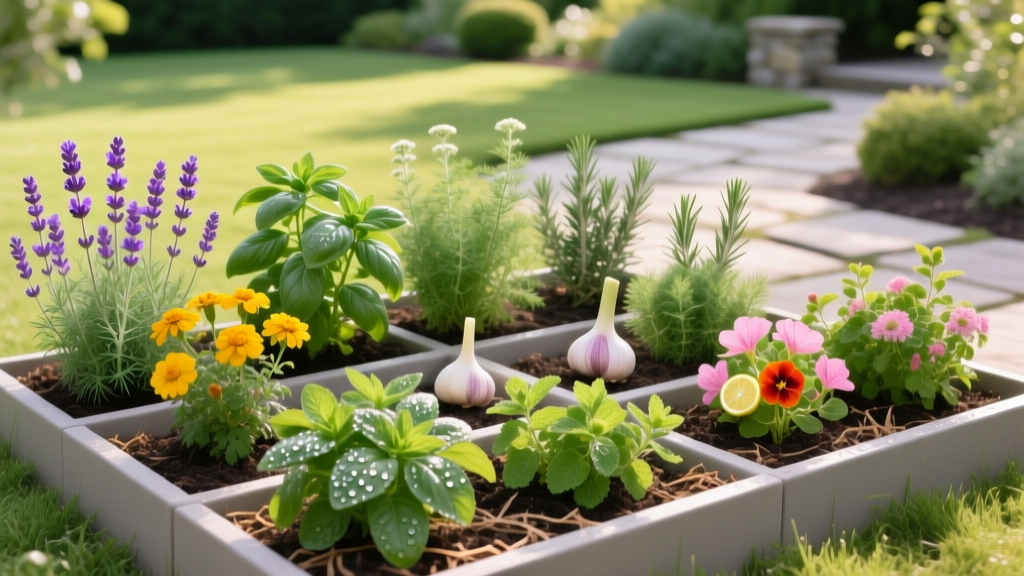
12 Proven Plants That Ward Off Pests in Your Garden
The Mechanics of Botanical Pest Deterrence
Integrating plants that ward off pests into your landscape relies on three distinct biological mechanisms: allelopathy, volatile oil emission, and trap cropping. Rather than viewing companion planting as folklore, modern horticultural science recognizes these botanical interactions as actionable pest management strategies. According to research published by the University of Minnesota Extension, specific root exudates and airborne phytochemicals can disrupt the host-finding behavior of destructive insects like the Colorado potato beetle and the root-knot nematode.
To successfully deploy these botanical defenses, you must match the plant's defensive mechanism to the target pest's biology. Masking scents work best for flying insects that locate hosts via olfactory cues, while biochemical root exudates are required for soil-borne pathogens and nematodes.
Companion Planting Matrix: Matching Plants to Pests
Use this decision matrix to select the correct defensive plant based on your primary garden threat. Spacing is critical; planting these too far away renders their volatile oils ineffective, while planting them too close can cause resource competition.
| Target Pest | Defensive Plant | Mechanism | Ideal Spacing from Crop |
|---|---|---|---|
| Root-Knot Nematodes | French Marigold (Tagetes patula) | Root exudates (alpha-terthienyl) | 6-8 inches |
| Aphids & Whiteflies | Nasturtium (Tropaeolum majus) | Trap cropping (glucosinolates) | 24-36 inches (away from crop) |
| Carrot Rust Fly | Onion / Chives (Allium spp.) | Olfactory masking | 4-6 inches |
| Cabbage Loopers | Dill / Fennel (Apiaceae family) | Beneficial wasp recruitment | 12-18 inches |
| Flea Beetles | Radish (Raphanus sativus) | Trap cropping | 12 inches (perimeter) |
Top Performers: Plants That Ward Off Pests
When sourcing seeds or plugs for the 2026 growing season, prioritize specific cultivars bred for high phytochemical output rather than purely ornamental traits. Ornamental varieties often lack the pungent oils necessary for actual deterrence.
1. French Marigolds (Tagetes patula) for Nematode Control
French marigolds are the undisputed champions of soil-borne pest control. Their roots secrete alpha-terthienyl, a compound that suppresses root-knot nematodes. Avoid African marigolds (Tagetes erecta) for this purpose, as they lack the same concentration of nematode-suppressing exudates. Plant the 'Tangerine' or 'Single Gold' cultivars. Sow seeds directly in the garden after the last frost, spacing them 8 inches apart. For severe nematode infestations, grow a dense stand of French marigolds for a full season, then till them into the soil as green manure before planting your primary crop the following spring.
2. Nasturtiums (Tropaeolum majus) as Trap Crops
Nasturtiums do not repel aphids; they attract them. This makes them a highly effective trap crop. The plant produces glucosinolates, which are highly attractive to aphids and cabbage white butterflies. The critical mistake most gardeners make is planting nasturtiums directly next to their prized vegetables. Instead, plant the 'Jewel Mix' cultivar 2 to 3 feet away from your brassicas or tomatoes. Once the nasturtiums are heavily colonized by aphids, pull the entire plant and dispose of it in the municipal green waste bin—do not compost it, as home compost piles rarely reach the 140°F required to kill aphid eggs.
3. Alliums (Allium schoenoprasum) for Olfactory Masking
Chives, garlic, and ornamental alliums emit strong sulfur compounds that mask the scent of vulnerable crops like carrots and roses. Plant chive clumps every 12 inches along the borders of your carrot beds. Alliums require well-draining soil with a pH between 6.0 and 7.0. If your soil is heavy clay, amend it with 2 inches of compost before planting to prevent bulb rot, which will nullify the plant's pest-deterrent capabilities.
Warning: Avoid Planting Mint in Garden Beds
While peppermint and spearmint are frequently recommended as plants that ward off pests due to their high menthol content, they are aggressively invasive. Mint spreads via underground rhizomes and will quickly choke out your vegetable crops. If you must use mint for pest deterrence, grow it in isolated, bottomless 5-gallon containers sunk into the ground, or keep it in above-ground patio pots placed near garden entryways to deter ants and rodents.
Step-by-Step Integration Guide
Successfully integrating these botanical defenses requires a structured approach to your garden layout. Follow this sequence when designing your spring planting plan.
- Map Your Vulnerabilities: Review last year's pest damage. Identify the top three pests that caused the most economic loss to your yield.
- Select the Mechanism: Choose plants that ward off pests based on the matrix above. If dealing with flying insects, select olfactory maskers (alliums, herbs). If dealing with soil pests, select biochemical exuders (marigolds).
- Calculate Border Density: For olfactory masking, a single row of deterrent plants is insufficient. You need a minimum 70% border enclosure around the target crop to effectively disrupt the pest's scent trail.
- Stagger Planting Dates: Sow your trap crops (nasturtiums, radishes) 14 days before sowing your main crop. This ensures the trap crop is mature and emitting volatile attractants before your vulnerable seedlings emerge.
- Monitor and Destroy: Inspect trap crops every 3 days. Once pest thresholds are reached (e.g., more than 15 aphids per leaf), uproot and destroy the trap crop to prevent the pests from migrating to the main crop.
Common Mistakes and Troubleshooting
Even with the right plants that ward off pests, improper execution can lead to crop failure. Address these common edge cases to ensure your botanical defenses remain active.
Mistake 1: Over-Fertilizing Deterrent Herbs
Applying high-nitrogen synthetic fertilizers (like a 24-8-16 NPK) to aromatic herbs such as basil, rosemary, and lavender causes rapid, lush vegetative growth but drastically dilutes their essential oil concentration. The Environmental Protection Agency (EPA) notes that the efficacy of botanical pesticides and deterrents is directly tied to their phytochemical density. Keep deterrent herbs in lean, slightly poor soil and use a low-nitrogen organic fertilizer (like a 4-4-4 kelp meal) applied only once at the beginning of the season.
Mistake 2: Ignoring Microclimates
Planting shade-intolerant deterrents in the shadow of tall crops renders them weak and susceptible to the very pests they are meant to fight. Marigolds and nasturtiums require a minimum of 6 hours of direct sunlight to produce their defensive compounds. If your garden is heavily shaded by trees or structures, pivot to shade-tolerant pest deterrents like sweet woodruff (Galium odoratum) or rely on physical row covers instead of botanical methods.
Mistake 3: Failing to Rotate Defensive Crops
Planting French marigolds in the exact same bed year after year to fight nematodes will eventually lead to a buildup of marigold-specific fungal pathogens like Alternaria leaf spot. Rotate your defensive plants on a 3-year cycle, just as you would rotate your vegetable crops, to maintain soil microbiome health and prevent secondary disease outbreaks.

