
Pest Control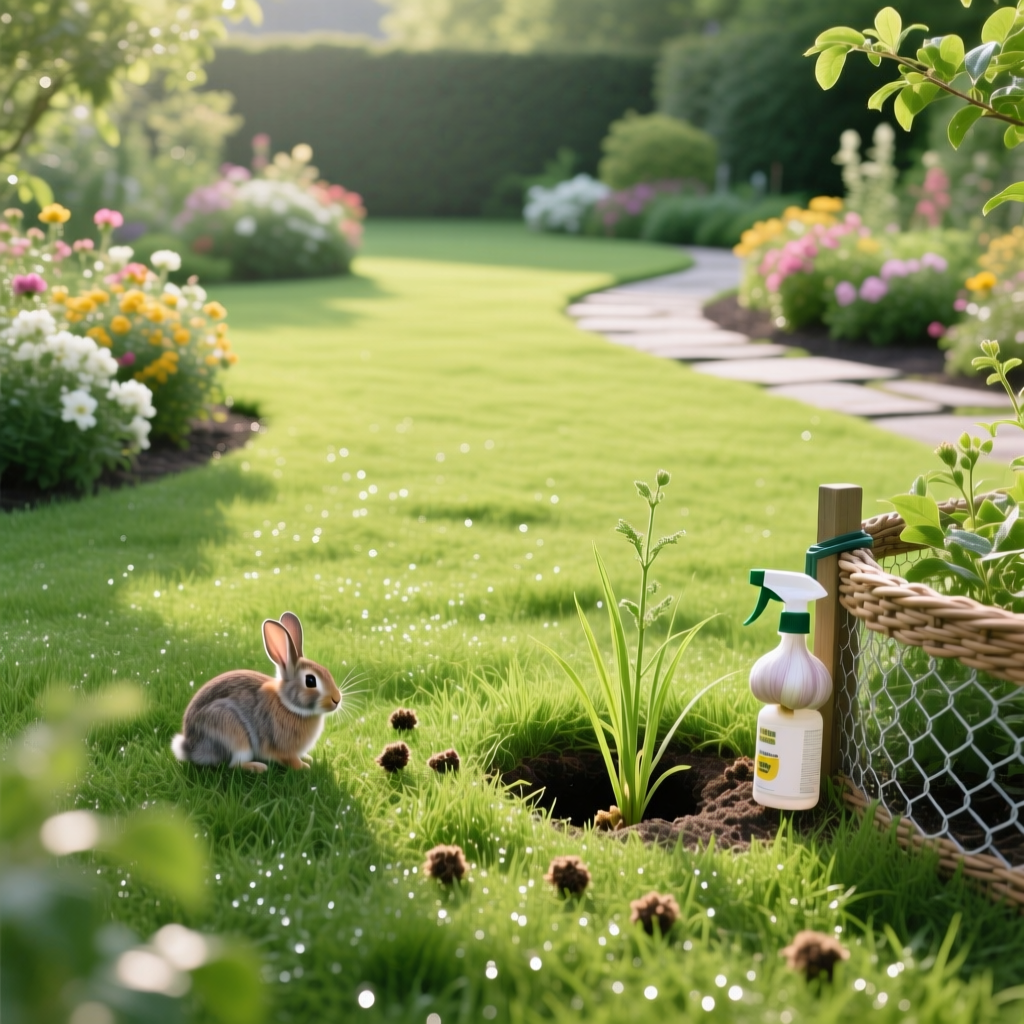
How to Prevent Rabbit Damage in Your Lawn & Garden
James MillerPublished
There are few sights in nature as charming as a wild rabbit grazing in the morning sun. However, that charm quickly evaporates when you discover your carefully cultivated garden decimated, your young trees stripped of bark, and your lawn dotted with unwanted droppings. Rabbits are voracious herbivores with a rapid breeding cycle, meaning a small nuisance can quickly escalate into a full-blown infestation. For homeowners and gardening enthusiasts, understanding rabbit behavior and implementing effective damage prevention strategies is essential to maintaining a pristine outdoor space.
Whether you are dealing with Eastern cottontails, swamp rabbits, or jackrabbits, these persistent pests require a multi-faceted approach to deter them successfully. In this comprehensive guide, we will explore how to accurately identify rabbit damage, modify your habitat to make it less inviting, install physical barriers, and utilize repellents. If you are also dealing with other uninvited guests, our guide to identifying common lawn pests can help you pinpoint exactly what is eating your landscape.
Identifying Rabbit Damage vs. Other Pests
Before you invest time and money into rabbit-specific deterrents, you must confirm that rabbits are actually the culprits. Many homeowners mistake rabbit damage for the work of deer, voles, or groundhogs. Accurate identification is the first step in any successful organic pest management plan.
The Signature 45-Degree Cut
The most definitive hallmark of rabbit damage is the way they clip plant stems and leaves. Because rabbits lack upper incisors and instead have a hard dental pad, they cannot tear or rip vegetation like deer do. Instead, they snip stems, leaves, and twigs at a clean, sharp 45-degree angle. If you inspect your damaged plants and see ragged, torn edges, you are likely dealing with deer. If the cuts look like they were made with a pair of sharp pruning shears, rabbits are to blame.
Bark Stripping and Girdling
During the late fall and winter months, when tender green vegetation is scarce, rabbits turn to the bark of young trees and shrubs. They will chew through the outer bark to reach the nutrient-rich cambium layer beneath. This behavior, known as girdling, can completely sever the flow of water and nutrients, effectively killing the tree. Rabbit bark damage typically occurs from ground level up to about two or three feet high, depending on the snow line. In contrast, voles tend to gnaw on bark right at the soil line or just beneath the surface, while deer will strip bark much higher up on the trunk.
Droppings and Tracks
Rabbit droppings are another clear indicator of their presence. These pellets are round, pea-sized, and typically found in scattered clusters near their feeding areas. They are generally green or brown, depending on the rabbit's recent diet. Additionally, rabbit tracks in soft soil or snow show a distinct pattern: the larger hind paws land ahead of the smaller front paws, creating a bounding track signature that is easy to distinguish from the wandering paths of rodents.
Understanding Seasonal Rabbit Behavior
To effectively prevent damage, it helps to understand how rabbit habits change with the seasons. Rabbits are crepuscular, meaning they are most active during the twilight hours of dawn and dusk. This is when they prefer to forage, making it difficult to catch them in the act during the middle of the day.
In the spring and summer, rabbits focus on tender, new growth. They will target your emerging perennials, vegetable seedlings, and the fresh shoots of your lawn. Maintaining proper spring lawn maintenance can help your grass recover faster from minor grazing, but young garden plants remain highly vulnerable. As autumn approaches and temperatures drop, their diet shifts toward woody plants, berries, and the bark of young trees. Winter is often the most destructive season for ornamental shrubs and fruit trees, as the snow cover limits their foraging options and forces them to rely heavily on the landscaping you have provided.
Proactive Yard and Lawn Prevention
The most effective long-term strategy for rabbit damage prevention is habitat modification. Rabbits are prey animals, and they rely heavily on cover to feel safe from predators like hawks, foxes, and owls. If your yard offers abundant hiding spots, it will naturally attract them.
Eliminate Hiding Spots
Take a walk around your property and identify potential rabbit harborage areas. Clear away thick brush piles, tall weeds, and accumulations of fallen branches. Keep the edges of your lawn neatly trimmed, as overgrown borders provide a safe corridor for rabbits to travel from wooded areas into your garden. Utilizing proper mowing techniques and keeping your grass at an optimal height reduces the cover available for foraging rabbits. Additionally, block off access to the spaces beneath decks, sheds, and porches using heavy-duty wire mesh, as these dark, enclosed areas are prime real estate for nesting does.
Elevate Your Garden Beds
If you have a dedicated vegetable or flower garden, consider transitioning to raised beds. While raised beds do not make plants entirely inaccessible to a determined rabbit, they do make the garden less convenient to raid. Elevating your most prized plants by just 18 to 24 inches can significantly reduce casual grazing, especially when combined with other deterrent methods.
Physical Barriers: The Ultimate DIY Solution
When it comes to keeping rabbits out of specific areas, physical barriers are the undisputed champions of pest control. Fencing requires an upfront investment of time and materials, but it provides a permanent, chemical-free solution to your rabbit problems.
Installing a Rabbit-Proof Fence
A standard privacy fence will not stop a rabbit, as they can easily squeeze through small gaps or dig underneath the bottom rail. To build an effective rabbit fence, you must use wire mesh with openings no larger than one inch. Chicken wire or galvanized hardware cloth are the most popular and cost-effective choices.
- Height: The fence should stand at least two feet above the ground. While rabbits are not natural climbers, they can jump and reach surprisingly high, especially when standing on accumulated snow.
- Underground Barrier: Rabbits are prolific diggers. To prevent them from tunneling under your fence, you must bury the bottom edge of the wire at least six inches deep. Alternatively, you can bend the bottom six inches of the wire outward into an 'L' shape and pin it to the ground with landscape staples. When a rabbit tries to dig at the base of the fence, they will hit the wire barrier and give up.
- Gate Security: Ensure that any gates fit tightly against the ground. A gap of just two inches is more than enough for a young cottontail to slip through.
Protecting Individual Trees and Shrubs
If fencing an entire yard or garden is impractical, you can protect individual trees and valuable shrubs using tree guards or cylindrical wire cages. Wrap the base of young trees with hardware cloth or commercial plastic tree guards, ensuring the guard extends at least 18 inches above the anticipated snow line. Leave a few inches of space between the guard and the trunk to allow for air circulation and trunk growth. This simple step is crucial for newly planted landscapes and young orchards.
Repellents and Deterrents
If physical barriers are not an option, or if you need an extra layer of defense, commercial and DIY repellents can be highly effective. Repellents generally fall into two categories: odor-based and taste-based.
Odor and Taste Repellents
Odor repellents rely on strong scents that rabbits associate with danger or discomfort. Ingredients like garlic, putrescent egg solids, and predator urine (such as fox or coyote urine) trigger a rabbit's instinct to flee. Taste repellents, on the other hand, make the plants unpalatable. Ingredients like capsaicin (the active component in hot peppers) and bittering agents cause a burning or foul sensation when the rabbit takes a bite.
For the best results, apply repellents before the rabbits establish a feeding habit in your yard. Spray the foliage thoroughly, covering both the top and bottom of the leaves. It is vital to remember that most repellents wash away in the rain and break down under UV light. You must reapply them after every rainfall and every few weeks to maintain their efficacy. Furthermore, rabbits are adaptable; if they become accustomed to one scent, they may ignore it. Rotate between two or three different repellent formulas throughout the season to keep the pests guessing.
Scare Tactics and Motion-Activated Devices
Motion-activated sprinklers are a fantastic, humane deterrent. When a rabbit enters the sensor's range, it is met with a sudden burst of water and a loud mechanical click. This startles the animal without causing it harm. However, scare tactics like fake owls, rubber snakes, and reflective tape tend to lose their effectiveness quickly. Rabbits are intelligent and will soon realize that a plastic owl that never moves poses no real threat. If you use visual deterrents, you must move them to a new location every few days to maintain the illusion of a live predator.
Landscaping with Rabbit-Resistant Plants
While no plant is 100% rabbit-proof—especially when food is scarce in the dead of winter—rabbits have distinct preferences and will avoid plants with strong scents, fuzzy leaves, or toxic properties. Incorporating rabbit-resistant plants into your landscape design can naturally reduce the appeal of your garden.
Plants that rabbits typically avoid include:
- Bulbs: Daffodils, alliums, hyacinths, and snowdrops.
- Perennials: Lavender, yarrow, peonies, foxglove, and catmint.
- Annuals: Marigolds, snapdragons, and geraniums.
- Shrubs: Boxwood, butterfly bush, and potentilla.
Conversely, rabbits absolutely love tender vegetables like lettuce, beans, and peas, as well as flowers like pansies, petunias, and tulips. If you choose to grow these highly palatable plants, they must be protected by fencing or grown in elevated containers on patios and decks.
When to Call Professional Pest Control
Most rabbit issues can be resolved with diligent DIY prevention, fencing, and habitat modification. However, there are situations where professional intervention becomes necessary. If you are dealing with a massive, entrenched population that is causing severe economic damage to a commercial nursery, orchard, or large estate, professional wildlife control operators have access to more advanced management strategies.
Additionally, wildlife laws vary significantly by region. In many areas, it is illegal to trap and relocate certain species of native rabbits without a special permit, and relocating wildlife often spreads disease or simply moves the problem to a neighbor's property. Professionals are well-versed in local wildlife regulations and can perform humane, legal removal or exclusion services. If your DIY efforts have failed and your landscape continues to suffer, reaching out to a licensed professional is the safest and most effective next step.
Frequently Asked Questions
What plants do rabbits hate the most?
Rabbits strongly dislike plants with strong aromatic oils, fuzzy or prickly textures, and toxic compounds. Alliums (the onion family), lavender, sage, thyme, and marigolds are excellent choices for deterring rabbits. They will also generally avoid daffodils and foxglove, as these plants contain natural toxins that make them unpalatable and dangerous to foraging herbivores.
Will coffee grounds keep rabbits away?
While many gardeners swear by coffee grounds as a natural repellent, their effectiveness against rabbits is largely anecdotal and inconsistent. The strong smell of coffee may temporarily mask the scent of desirable plants, and the texture can be unpleasant to dig in, but rain will quickly wash the grounds away. For reliable protection, physical barriers and scientifically formulated commercial repellents are much more dependable.
How high does a rabbit fence need to be?
A rabbit fence should be at least two feet (24 inches) tall above the ground. While rabbits are not climbers, they can jump and stretch, especially when standing on snowdrifts in the winter. The most critical part of the fence, however, is what happens underground. You must bury the bottom of the fence at least six inches deep, or flare it outward along the soil surface, to prevent the rabbits from simply digging a tunnel underneath it.
Do ultrasonic pest repellers work on rabbits?
Ultrasonic pest repellers emit high-frequency sound waves designed to irritate pests. However, studies and field tests have shown that these devices are largely ineffective against rabbits. Rabbits quickly habituate to the noise, especially if they realize there is no physical threat accompanying the sound. Furthermore, outdoor ultrasonic devices are often blocked by dense foliage, fences, and walls, creating 'shadow zones' where rabbits can forage undisturbed.
Is it legal to trap and relocate rabbits?
Wildlife trapping and relocation laws are strictly regulated by state and local wildlife agencies. In many jurisdictions, it is illegal to trap and relocate native wildlife due to the risk of spreading diseases like rabies or tularemia, and the stress relocation places on the animal. In most cases, if you trap a rabbit, local laws require that it be humanely euthanized or released on the exact same property where it was caught. Always consult your local department of natural resources or a licensed pest control professional before attempting to trap wildlife.

