
Pest Control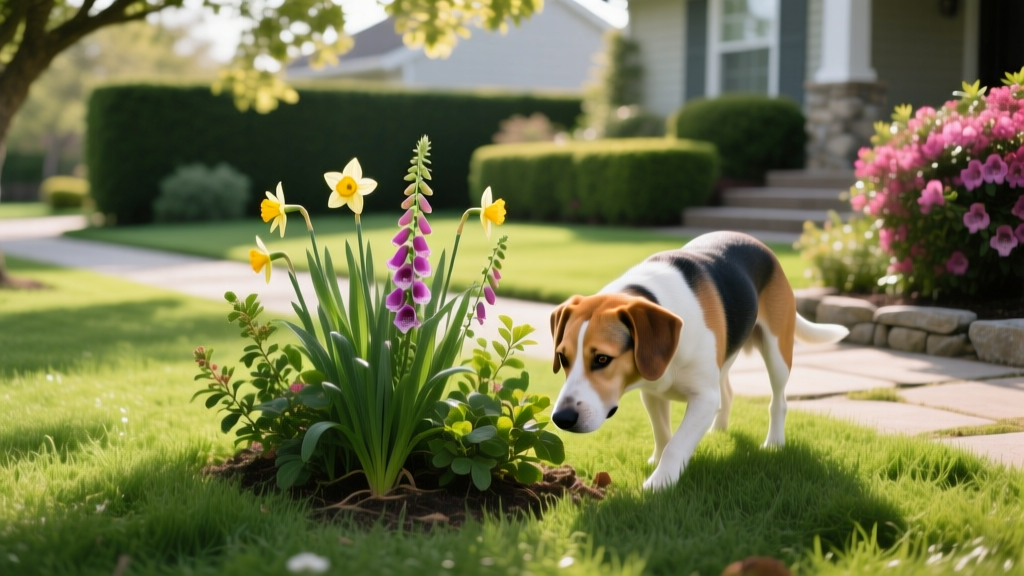
How to Identify and Remove Poisonous Plants to Dogs in Your Yard
Every spring, veterinary toxicology clinics see a predictable spike in canine emergencies linked to landscape flora. Dogs explore their environment primarily through scent and taste, making your garden a potential hazard zone. While thousands of plant species exist, only a specific subset poses lethal risks to canines. Managing these hazards requires more than passive observation; it demands a systematic audit, precise manual extraction, and strategic replanting.
This guide provides a practical, chemical-free framework for identifying and eradicating the most dangerous poisonous plants to dogs, ensuring your yard remains a secure environment without relying on broad-spectrum herbicides that carry their own secondary risks.
The 'Big Five' Most Dangerous Landscape Plants
Before breaking ground, you must know what you are looking for. While lilies are famously lethal to cats, dogs face a different spectrum of botanical threats. The following five plants are frequently used in residential landscaping and contain highly concentrated toxic principles.
| Common Name | Botanical Name | Toxic Principle | Canine Symptoms & Severity |
|---|---|---|---|
| Sago Palm | Cycas revoluta | Cycasin | Liver failure, bloody vomiting, seizures. Mortality rate up to 50% even with treatment. |
| Oleander | Nerium oleander | Oleandrin | Cardiac arrhythmias, fatal heart block, severe gastrointestinal distress. |
| Castor Bean | Ricinus communis | Ricin | Thirst, abdominal pain, heavy tremors, renal failure. Seeds are exceptionally lethal. |
| Foxglove | Digitalis purpurea | Cardiac glycosides | Digitalis toxicity, severe bradycardia, vomiting, collapse. |
| Azalea / Rhododendron | Rhododendron spp. | Grayanotoxins | Excessive drooling, diarrhea, central nervous system depression, coma. |
Phase 1: Conducting a Systematic Yard Audit
Do not rely on memory or casual observation. Execute a grid-based walkthrough of your property during peak daylight hours.
- Map the Perimeter: Walk the fence line where weeds and ornamental escapes frequently intermingle. Sago palms and oleander are often planted as privacy screens.
- Inspect Mulch Beds: Dogs frequently dig in freshly laid mulch. Check for castor bean volunteers, which often sprout from composted yard waste.
- Use Digital Identification: If you encounter an unrecognizable shrub, use the iNaturalist or Seek app to cross-reference the botanical name against the Pet Poison Helpline's toxin index. Do not wait for the plant to flower; identify it by leaf structure and bark texture.
Phase 2: Manual Extraction Protocol (Chemical-Free)
⚠️ Herbicide Warning: Avoid using glyphosate (Roundup) or triclopyr to kill toxic shrubs before removal. Wet herbicide residue on foliage and soil can cause severe gastrointestinal irritation and paw pad chemical burns if your dog walks through the treated area and subsequently licks their paws. Manual extraction is the only 100% dog-safe removal method.
Removing established toxic shrubs requires targeting the root system to prevent resprouting. Shrubs like Oleander and Azalea have dense, fibrous root balls, while Castor Bean develops a massive taproot.
Step-by-Step Extraction Guide
- Hydrate the Soil: 24 hours before removal, apply 1 inch of water to the base of the plant. This softens compacted clay and loam, reducing the physical effort required to extract the root ball by up to 40%.
- Prune the Canopy: Using bypass loppers, cut the plant down to a 6-inch stump. Immediately place all toxic foliage and berries into heavy-duty black contractor bags. Do not leave clippings on the lawn where dogs can access them.
- Sever the Lateral Roots: Use a steel mattock (such as the Fiskars 45-inch IsoCore Mattock, approx. $45) to chop a circular trench 12 to 18 inches away from the central stump. For Sago Palms, the caudex (trunk base) must be completely dug out, as it stores high concentrations of cycasin.
- Lever and Extract: Drive a digging bar under the root ball and lever it upward. If the taproot snaps (common with Castor Bean), pour boiling water directly into the remaining root cavity to destroy the cambium layer and prevent regrowth without introducing soil toxins.
- Disposal: Never compost poisonous plants to dogs. The toxins in Sago Palm and Oleander do not degrade rapidly in standard home compost bins. Bag all material and dispose of it in municipal trash.
Cost Note: If the toxic plants are mature (over 6 feet tall) or deeply established, hiring a professional landscaping crew for extraction typically costs between $150 and $300 per shrub, which is significantly less than the $3,000 to $5,000 average emergency veterinary bill for treating Sago Palm hepatotoxicity.
Phase 3: Dog-Proofing with Safe Alternatives
Once the toxic flora is removed, you will have bare spots in your landscape. Fill these voids with dog-safe alternatives that provide similar aesthetic value without the biological risk. Bare soil is an invitation for weeds and digging behavior.
| Toxic Plant Removed | Desired Aesthetic | Dog-Safe Alternative | Botanical Name |
|---|---|---|---|
| Sago Palm | Tropical, fern-like texture | Boston Fern | Nephrolepis exaltata |
| Oleander | Dense, flowering privacy screen | Camellia | Camellia japonica |
| Foxglove | Tall, vertical floral spikes | Snapdragon | Antirrhinum majus |
| Azalea | Compact, spring-blooming shrub | Rosemary | Salvia rosmarinus |
Emergency Ingestion Protocol
Even with a meticulously audited yard, dogs can ingest toxic plant material during walks or from neighboring properties. If you suspect your dog has chewed on a poisonous plant, time is the most critical variable.
🚨 Immediate Action Required:
Do not wait for symptoms to appear. By the time a dog exhibits ataxia (loss of coordination) or jaundice from Sago Palm ingestion, irreversible liver necrosis has already begun.
Do not wait for symptoms to appear. By the time a dog exhibits ataxia (loss of coordination) or jaundice from Sago Palm ingestion, irreversible liver necrosis has already begun.
- Contact Poison Control: Call the ASPCA Animal Poison Control Center at (888) 426-4435. A standard consultation fee of $95 applies, but they provide exact, weight-based treatment protocols directly to your local emergency vet.
- Secure the Evidence: Bring a sample of the chewed plant, including leaves, stems, and any berries, to the veterinary clinic. This allows the toxicologist to identify the exact alkaloid or glycoside involved.
- Avoid Blind Emesis: Do not administer 3% hydrogen peroxide to induce vomiting unless explicitly instructed by a veterinarian. Inducing vomiting in a dog that has ingested a neurotoxin or a caustic plant material can lead to aspiration pneumonia or esophageal burning.
- Activated Charcoal: At the clinic, the vet will likely administer a slurry of activated charcoal (1 to 4 grams per kg of body weight) via a gastric tube to bind the remaining plant toxins in the GI tract before they enter the bloodstream.
Frequently Asked Questions
Are tomato plants poisonous to dogs?
Yes, but with nuance. The green, unripe fruit, stems, and leaves of the tomato plant (Solanum lycopersicum) contain solanine and tomatine, which can cause severe gastrointestinal upset and lethargy. Ripe, red tomatoes are generally safe in small quantities. Keep dogs out of vegetable patches until harvest.
How long do plant toxins stay in the soil after removal?
Botanical toxins like cycasin and oleandrin do not persist in the soil once the root system is entirely removed. You can safely plant dog-safe alternatives in the exact same hole immediately after extraction and backfilling with fresh topsoil.
Is mulch poisonous to dogs?
Standard wood chips and pine bark are non-toxic. However, cocoa bean shell mulch contains theobromine and caffeine—the same compounds that make chocolate toxic to dogs. Always opt for cedar, pine, or hardwood mulch in dog-accessible landscaping beds.

