
Pest Control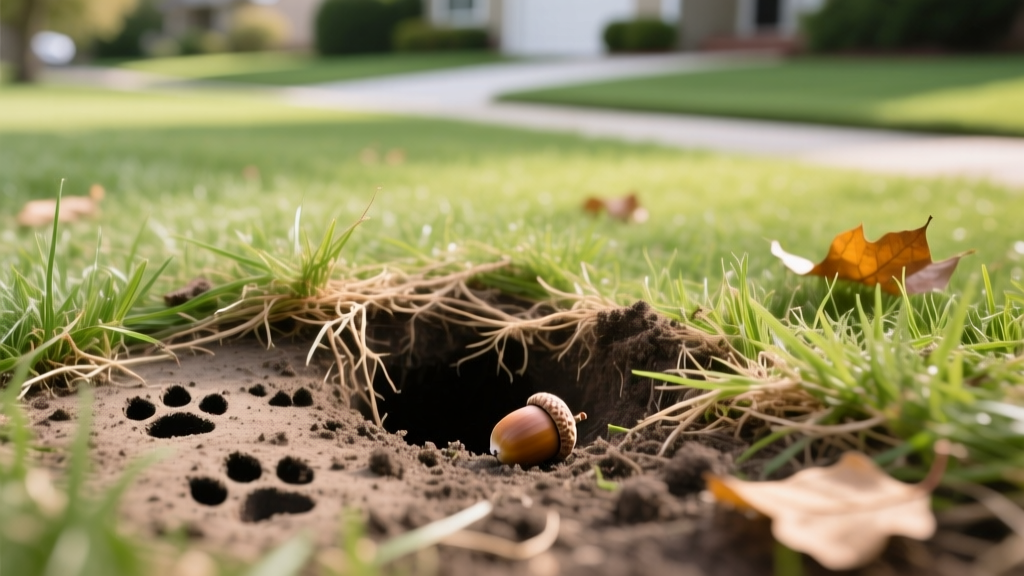
Squirrel Holes in Yard: How to Identify, Fill, and Deter
The Real Cost of Squirrel Digging on Your Turf
Finding a cluster of small, shallow craters across your lawn is a frustrating hallmark of autumn and early spring. While a few divots might seem harmless, extensive digging disrupts the root zone of your turfgrass, creates tripping hazards, and invites secondary weed invasions. Unlike burrowing rodents that live underground, tree squirrels dig primarily to cache food or forage for insects, leaving behind dozens of 1-to-2-inch wide excavations. According to the Internet Center for Wildlife Damage Management, a single gray squirrel can bury thousands of nuts in a single season, turning a pristine lawn into a chaotic storage unit.
Successfully managing this issue requires a two-pronged approach: properly repairing the existing turf damage and deploying targeted deterrents that exploit squirrel behavioral patterns. Below is a comprehensive framework for identifying, fixing, and preventing squirrel holes in yard environments.
Identifying Squirrel Holes vs. Other Lawn Pests
Before purchasing repellents or filling craters, you must confirm the culprit. Misidentifying the pest leads to wasted money on ineffective treatments. Squirrel excavations are distinct from those of moles, voles, or groundhogs. Use the diagnostic matrix below to confirm your pest.
| Pest Species | Hole Diameter | Soil Mounding | Tunneling Evidence | Primary Motivation |
|---|---|---|---|---|
| Tree Squirrels | 1 to 2 inches | Minimal to none; scattered dirt | No surface ridges; isolated shallow pits | Caching nuts, foraging for grubs |
| Moles | 2+ inches (hidden) | Large, symmetrical volcano mounds | Extensive raised surface ridges | Hunting earthworms and grubs |
| Voles | 1 to 1.5 inches | None; clean holes | Visible surface runways through grass | Feeding on roots and bulbs |
| Chipmunks | 1 to 1.5 inches | None (dirt carried away) | Near foundations, logs, or rock walls | Burrowing for shelter and caching |
Why Squirrels Target Specific Lawn Areas
Squirrels do not dig randomly. They rely on spatial memory and olfactory cues to decide where to excavate. Understanding these triggers is critical for long-term deterrence. The University of California IPM Program notes that squirrels prefer soft, easily penetrable soil for caching. If your lawn is heavily aerated, over-irrigated, or suffering from a white grub infestation, it becomes an prime target. Furthermore, areas beneath bird feeders or oak trees see concentrated digging activity due to dropped seed and fallen acorns.
Step-by-Step Guide to Repairing Squirrel Holes in Yard
Filling these holes requires more than just kicking loose dirt back into the void. Improper filling leads to sinking, water pooling, and dead grass patches. Follow this precise methodology for seamless turf restoration.
- Clear the Void: Remove any debris, rocks, or cached nuts from the hole. If you find rotting food, remove it entirely to prevent fungal growth and secondary pest attraction.
- Mix the Fill Medium: Do not use pure topsoil, which compacts and suffocates roots. Create a custom blend: 70% screened topsoil, 20% organic compost, and 10% coarse sand. This ensures proper drainage and nutrient delivery.
- Fill and Tamp: Add the mixture to the hole, overfilling by about 10% to account for natural settling. Use a hand tamper or the flat end of a digging bar to compact the soil until it is perfectly flush with the surrounding grade.
- Seed and Protect: Broadcast grass seed matching your existing turf (e.g., Kentucky Bluegrass or Tall Fescue) over the repaired spot. Lightly rake the seed into the top 1/8 inch of soil.
- Apply a Deterrent Mulch: Instead of standard straw, cover the seeded area with a thin layer of cedar mulch or sprinkle crushed red pepper flakes over the soil. Squirrels dislike the texture and scent, preventing them from immediately re-digging the fresh, soft soil.
⚠️ CRITICAL WARNING: Never use expanding polyurethane foam, concrete, or gravel to fill squirrel holes. These materials create permanent subsurface hazards, ruin soil ecology, and can cause severe injury if a person steps into a hidden, hardened void. Always use organic soil amendments.
Proven Deterrent Strategies to Keep Them Out
Repairing the lawn is only half the battle. If you do not alter the environment, squirrels will return within days. Implement these tiered deterrent strategies based on your specific yard layout and budget.
1. Taste and Olfactory Repellents
Capsaicin-based liquid repellents (containing at least 0.05% capsaicin) are highly effective when applied directly to the soil surface and the base of nearby trees. Products like Hot Shot Animal Repellent or generic liquid fence formulas cost between $15 and $25 per gallon. Apply them in the early morning and reapply immediately after any rainfall exceeding 0.25 inches. For a granular alternative, blood meal applied at a rate of 2 pounds per 100 square feet deters digging while simultaneously providing a nitrogen boost to your turf.
2. Physical Exclusion for High-Value Zones
If squirrels are decimating specific garden beds or newly seeded lawn patches, physical barriers are the only 100% effective solution. Purchase 1/2-inch galvanized hardware cloth (typically $20 for a 25-foot roll). Cut it to size and lay it flat over the soil, securing it with landscape staples. You can plant directly through the wire grid, and grass will grow through the gaps, but the metal prevents squirrels from penetrating the soil to bury or retrieve nuts.
3. Habitat and Food Source Modification
Squirrels are driven by caloric efficiency. If your yard offers easy food, they will tolerate repellents. Switch to weight-activated bird feeders (such as the Droll Yankees Yankee Flipper, approx. $130) that physically spin and eject squirrels when they land. Furthermore, switch your birdseed from sunflower blends (which squirrels love) to safflower seed or nyjer, which are largely ignored by rodents but preferred by finches and cardinals.
Cost & Efficacy Matrix: Squirrel Deterrent Methods
| Deterrent Method | Estimated Cost | Efficacy Rating | Maintenance Required |
|---|---|---|---|
| Capsaicin Liquid Spray | $15 - $25 / gallon | High (Short-term) | Reapply every 7-14 days & after rain |
| 1/2-inch Hardware Cloth | $20 - $30 / roll | Very High (Permanent) | None after initial installation |
| Ultrasonic Repellers | $30 - $60 / unit | Low to Moderate | Battery changes; squirrels habituate |
| Predator Urine (Coyote) | $15 - $20 / bottle | Moderate | Reapply weekly; strong odor |
Frequently Asked Questions
Will filling the holes trap or hurt the squirrels?
No. Tree squirrels do not live in underground burrows like groundhogs or prairie dogs. They build dreys (nests) in tree canopies or use tree cavities. The holes in your lawn are strictly for food storage or foraging. Filling them simply forces the squirrel to look for softer soil elsewhere.
Do ultrasonic pest repellers work for lawn squirrels?
Field tests and university extension reports consistently show that ultrasonic devices have limited long-term efficacy. While the high-frequency noise may startle squirrels for the first few days, they quickly habituate to the sound once they realize it poses no physical threat. You are better off investing in physical barriers or capsaicin treatments.
How do I stop them from digging up my newly planted grass seed?
Freshly tilled soil is incredibly attractive to squirrels because it is soft and easy to dig. After seeding, cover the area with a biodegradable jute erosion control netting. Pin it down tightly with 6-inch landscape staples. The grass will grow through the jute mesh, but the physical barrier prevents squirrels from accessing the soil surface to bury nuts.

